
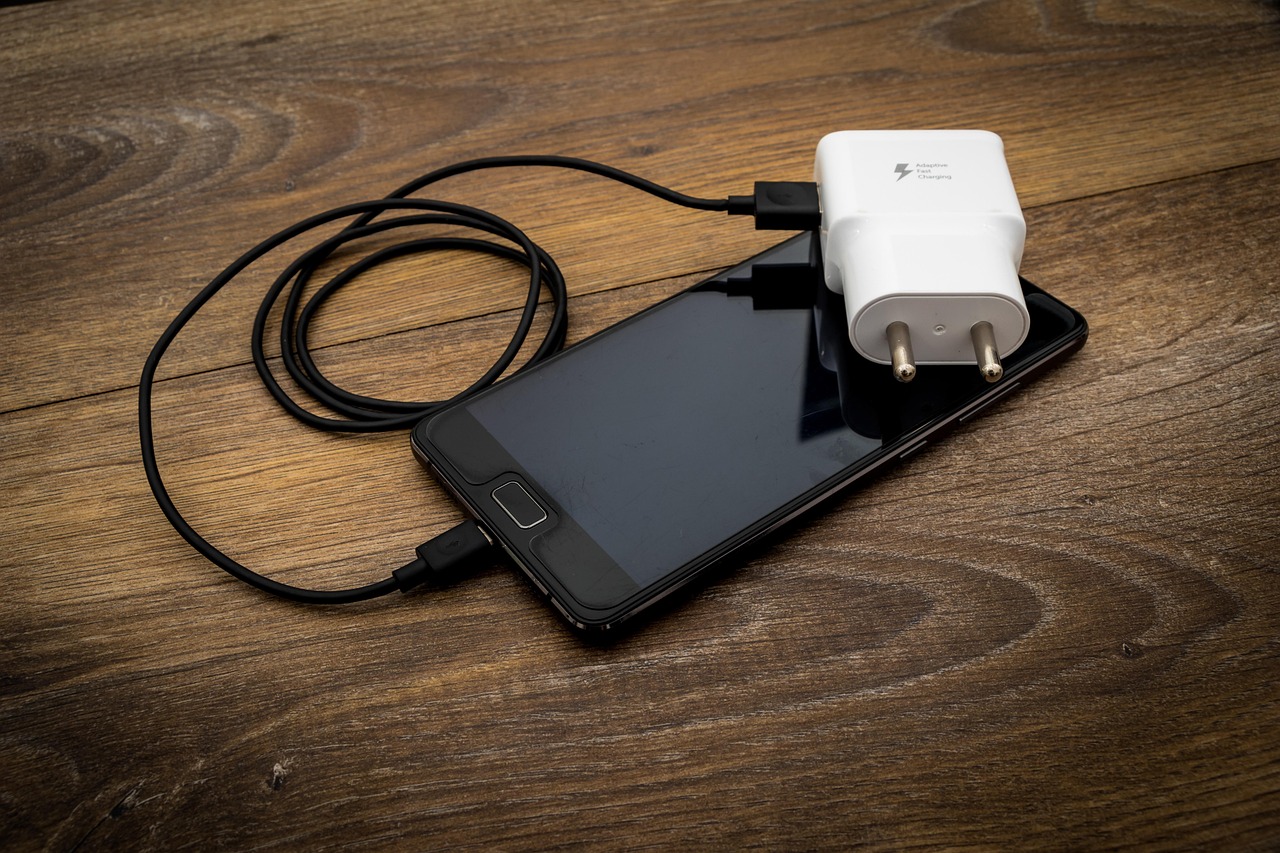

The Reality of Staying Connected at Sea
Cruise ships aren’t floating office blocks — internet speeds are improving, but they’re still not lightning fast. Wi-Fi packages can be pricey, and connection quality depends on your location and ship. The good news? With the right setup, you can strike a balance between staying charged and connected at sea when you need to and switching off when you don’t.
⚓ Pro Tip: Download movies, playlists, and e-books before you sail — ship Wi-Fi isn’t always strong enough for streaming.
🔌 Staying Connected at Sea: What Cruise Wi-Fi Is Really Like
Cruise ship Wi-Fi has improved massively in recent years, but it’s still very different from the internet you’re used to on land. Ships rely on satellite connections rather than fixed cables, which means speed and reliability can vary depending on your location, weather conditions, and how many guests are online at the same time.
Many newer ships now use low-earth orbit satellite systems, which are faster and more stable than older technology. That said, cruise Wi-Fi is best treated as functional rather than flawless.
You’ll usually be fine for:
-
Messaging apps like WhatsApp and iMessage
-
Email and light web browsing
-
Checking cruise apps and port information
But it can struggle with:
-
Video calls and live meetings
-
Uploading large files or videos
-
Streaming services during busy periods
⚓ Pro Tip: Early mornings and late evenings are the quietest times on the ship’s network — if you need to upload photos or check important emails, timing matters.
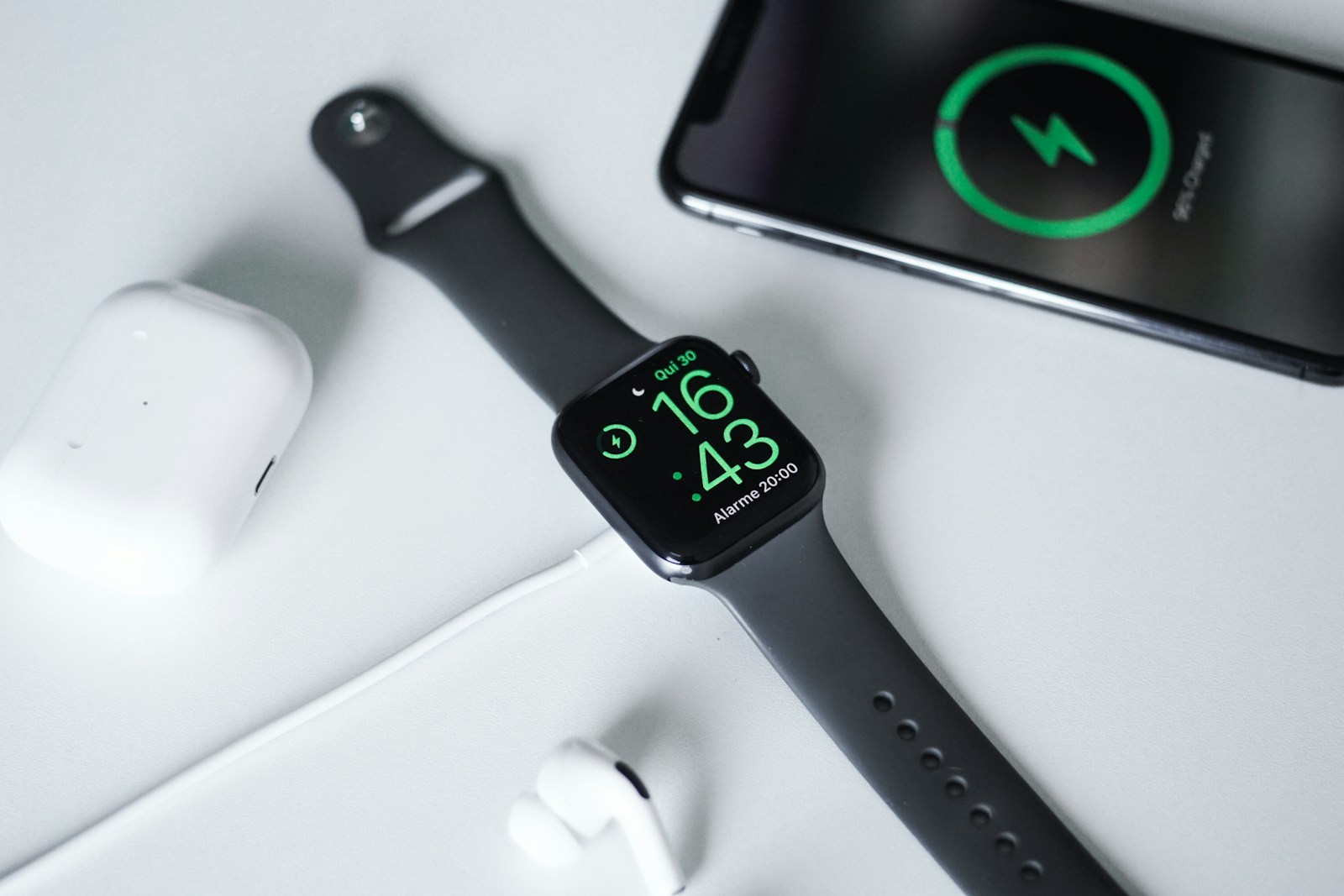
📡 Ship Wi-Fi vs Mobile Data in Port
When your ship is docked or sailing close to land, your phone may connect to local mobile networks. In Europe, this can be especially useful thanks to inclusive roaming on many UK and EU plans.
Using mobile data in port is often:
-
Faster than ship Wi-Fi
-
More reliable for uploads
-
Ideal for navigation, maps, and bookings
⚠️ Important: Always keep your phone in airplane mode at sea unless you’re connected to the ship’s Wi-Fi. Maritime roaming charges can be extremely expensive and aren’t worth the risk.
This is where staying fully charged really matters — your phone becomes your backup internet, navigation tool, and lifeline ashore.
Tech & Power: Staying Charged and Connected at Sea
Reliable connectivity at sea isn’t just about Wi-Fi packages — it’s about power. A dead phone means no maps in port, no boarding passes, no messages home, and no access to the ship’s app. Keeping your devices charged gives you options, whether you’re online onboard or switching to mobile data ashore.
Cruise cabins are notorious for having a grand total of about two outlets (and sometimes only one that isn’t being hogged by the lamp). Add in today’s tech needs — phones, tablets, e-readers, watches, cameras — and suddenly you’re playing outlet Jenga. The trick is to pack ship-safe solutions that keep everything charged without running afoul of cruise line rules.
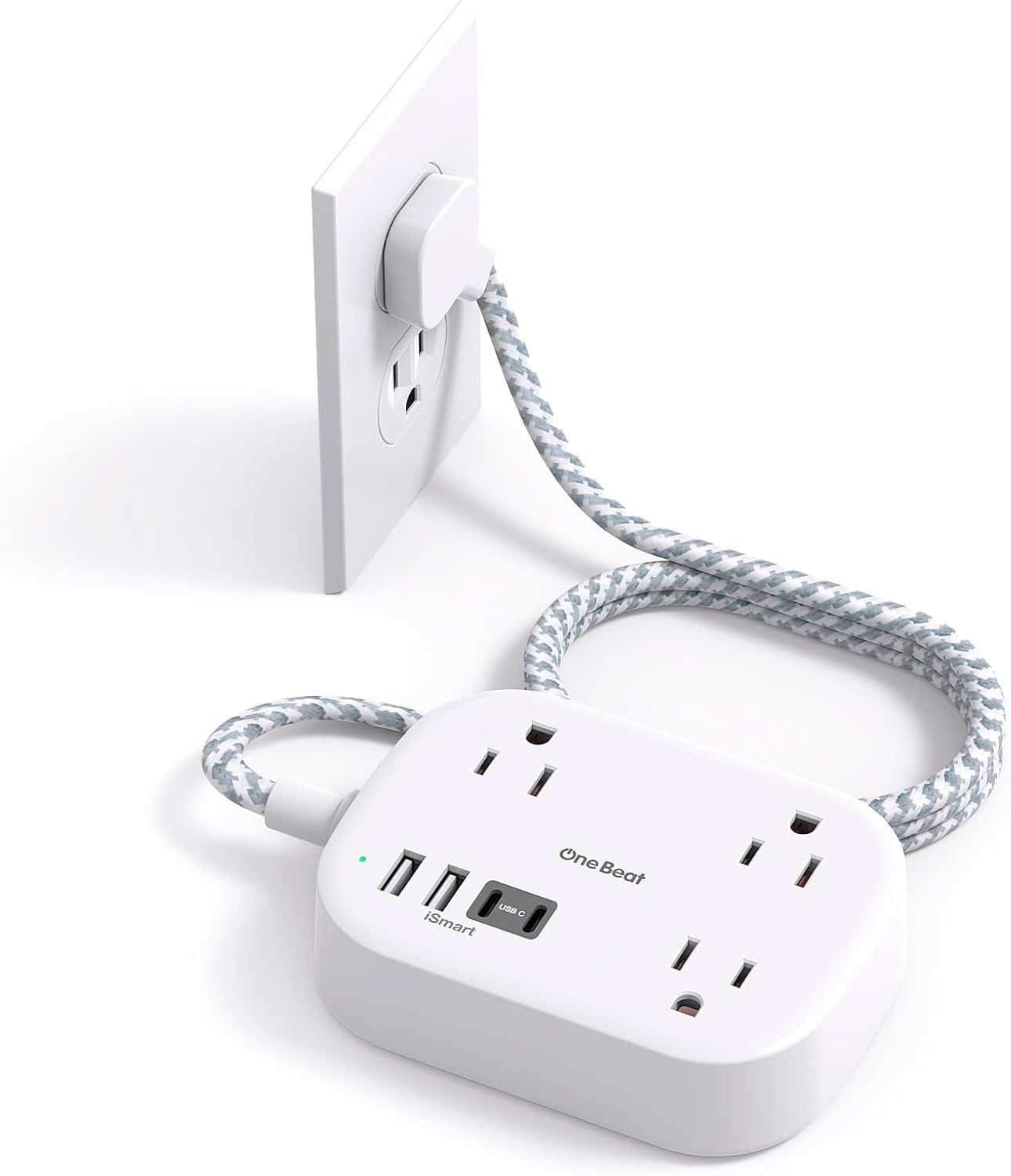
1. Power Solutions That Won’t Get Confiscated
-
Non-surge USB Power Strip / Multi-Port Charger – Surge protection is a big no-no at sea. Look for compact cruise-approved power strips or wall chargers with multiple USB and USB-C ports.
-
Long Charging Cables (2–3m) – Cruise cabins aren’t always designed with “charging convenience” in mind. A longer cable means you can actually keep your phone by the bed rather than tethered to the vanity across the room.
-
Spare Charging Cable – Because the ocean eats cables. (Or your partner “borrows” them.)
2. For Travel Before and After Your Cruise
-
International Plug Adapter – If you’re flying into Europe, Asia, or anywhere outside North America before embarkation, you’ll want a good adapter for hotel stays. Bonus if it has built-in USB ports.
3. Keeping Tabs on Your Stuff
-
AirTags or Tile Trackers – Slip one in your luggage so you can track your bags through airports and cruise terminals. It’s a sanity-saver when your suitcase decides to take the scenic route.
4. Portable Power on the Go
-
Battery Bank – Shore excursions, long days exploring, or just too much Instagramming at the pool — a slim, high-capacity power bank keeps you topped up.
-
Solar-Powered Charger (Optional) – Not essential, but some travelers like these for beach days or adventure excursions where outlets are non-existent.
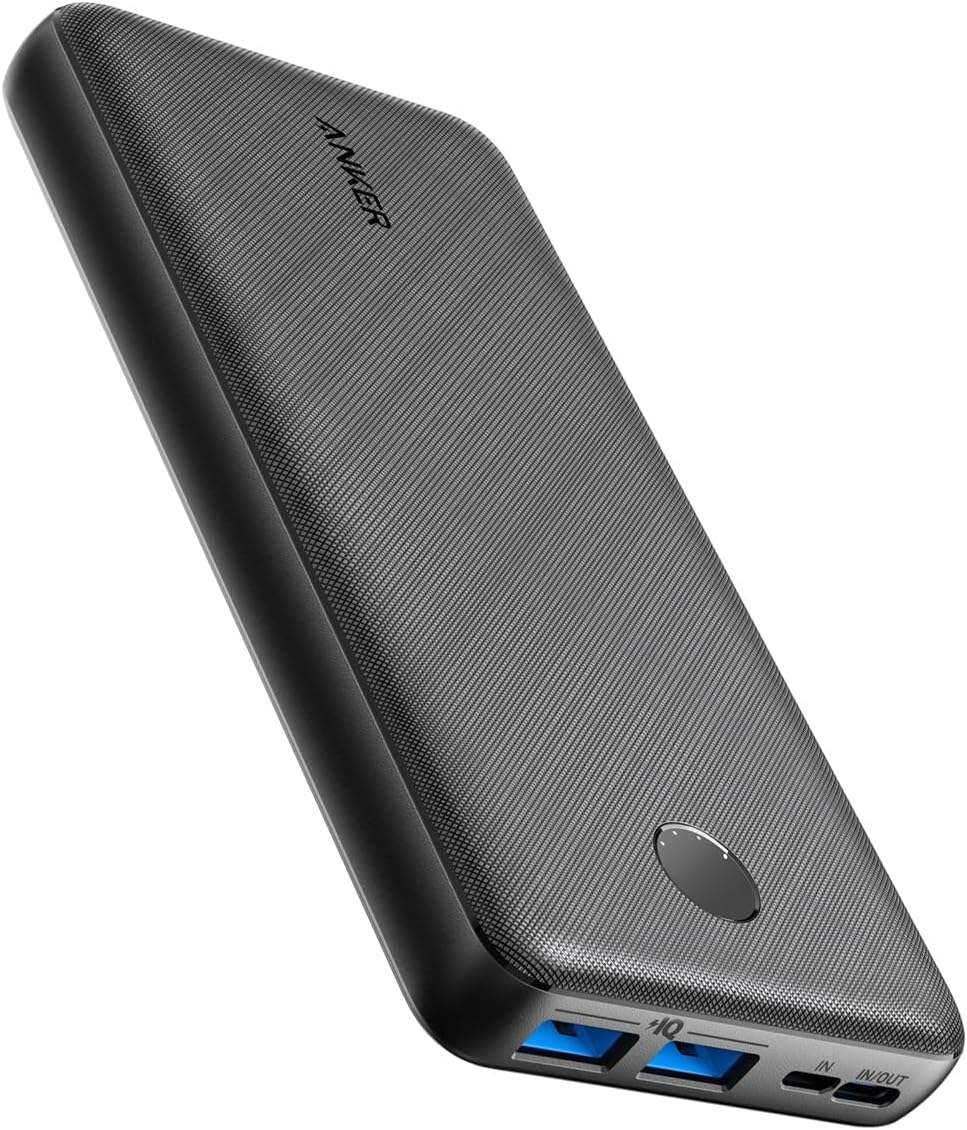
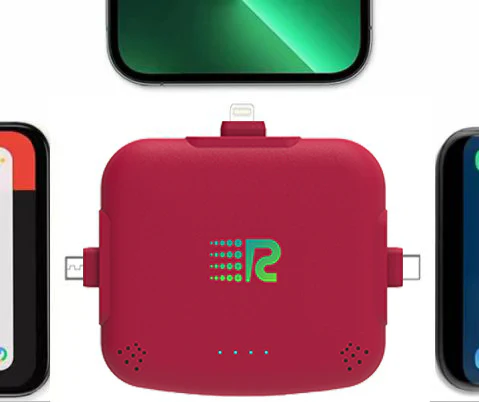
No cables, no hassle—built-in Lightning, USB-C, and Micro USB connections keep you powered anywhere. Rechargeable with any cable and packing up to 26+ hours of talk time, this compact powerhouse keeps every phone and device ready to go.
5. Tech That Makes Life Easier Onboard
-
E-Reader or Tablet – Lighter than lugging around five paperbacks. Perfect for sea days.
-
Noise-Cancelling Headphones / Earbuds – Great for flights, loud pool decks, or tuning out that enthusiastic karaoke next door.
-
Portable Fan (USB-powered) – Cabins can run warm, and a little USB desk fan can make a big difference in comfort.
-
Night Light (USB or Battery) – Cabins get pitch dark at night. A tiny plug-in or motion-sensor light saves stubbed toes at 3am.
👉 The golden rule: stick with non-surge, compact solutions and always check your cruise line’s official policy before you pack. Nothing kills the mood faster than having your shiny new gadget confiscated at embarkation.
Staying charged and connected at sea isn’t just about convenience — it’s about making the most of every moment onboard. With the right cruise-approved chargers, portable power banks, and travel adapters, you’ll never miss a photo, a message, or a memory. A little preparation before you sail ensures you can stream, share, and stay in touch without worrying about dead batteries or Wi-Fi dropouts. From sea days on the sundeck to exploring ports ashore, keeping your devices powered means you can capture every part of the journey and stay seamlessly connected from embarkation to disembarkation.




0 Comments