Stavanger Cruise Port
🚢 Where Your Cruise Ship Docks in Stavanger
Stavanger is one of the easiest Norwegian ports to navigate.
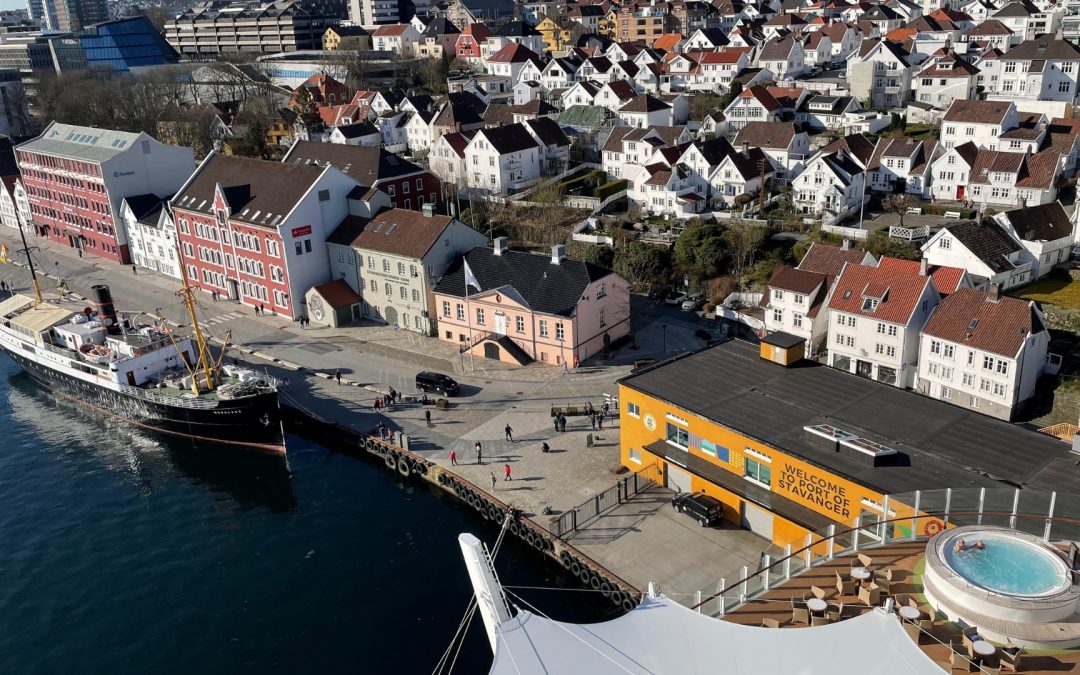
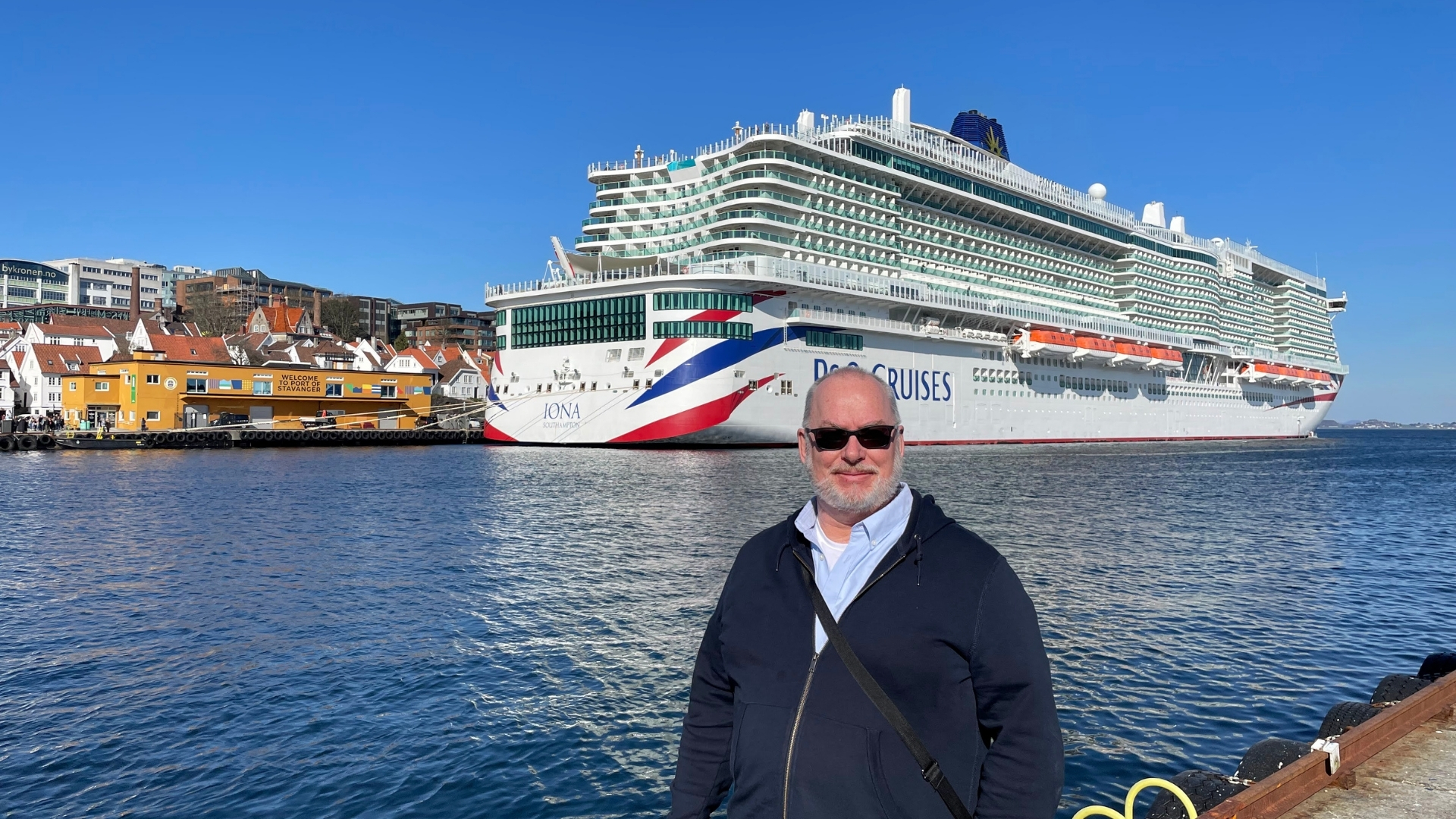
Cruise ships dock right in the city centre at Vågen harbour. When we arrived on P&O Iona, we stepped off the ship and were immediately on the waterfront — no shuttle buses, no long walks, no transfers required.
From the terminal area, you’re just minutes from:
-
Strandkaien harbour promenade
-
Stavanger Cathedral
-
The pedestrian shopping streets
-
Byparken and the city lake
-
Gamle Stavanger (Old Town)
It’s genuinely one of those ports where you can decide your plan after you disembark.
🌊 Exploring Stavanger on Foot (Our Easy Spring Walk)
We visited in April 2022 in glorious spring sunshine — the kind of crisp, bright day that makes Norway feel fresh rather than cold.
Instead of booking an excursion, we chose to explore independently.
And judging by the lunchtime queue back at the ship… we weren’t alone.
Eating out in Norway is famously expensive, and many cruisers seemed to be taking the same approach: enjoy a relaxed morning ashore, grab a coffee, take photos — then return to the ship for lunch.
Stavanger makes that easy.
1️⃣ Harbour Stroll Along Strandkaien
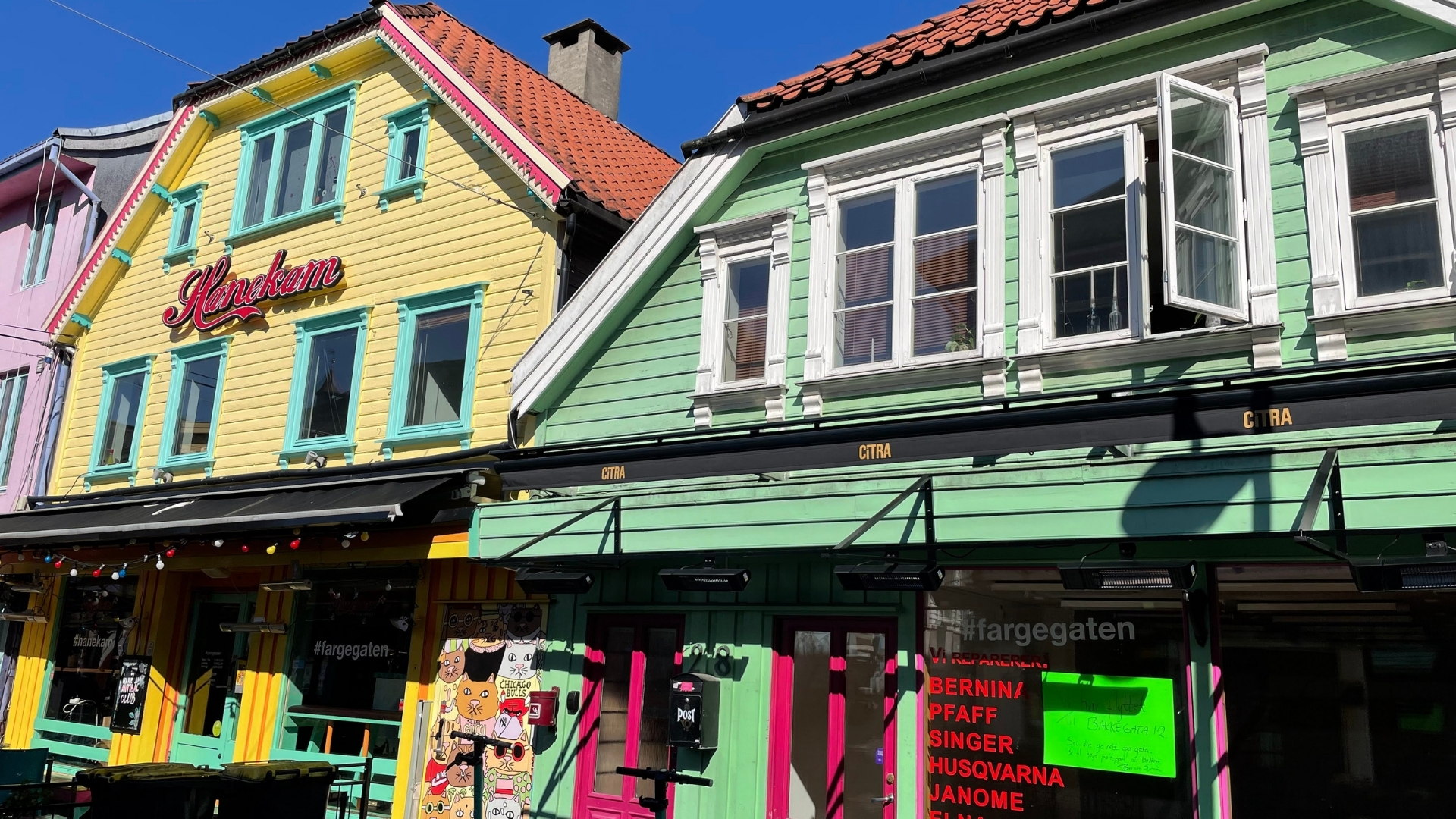
We began by walking along Strandkaien, the colourful harbourfront lined with restaurants and old wooden buildings.
Fishing boats bobbed in the water. The air felt clean and still. Even though it was Easter Sunday and many shops were closed, souvenir stores and cafés were open, and the town had a relaxed, unhurried feel.
There’s something very satisfying about simply wandering here — especially on a calm day.
2️⃣ Byparken & the Lake
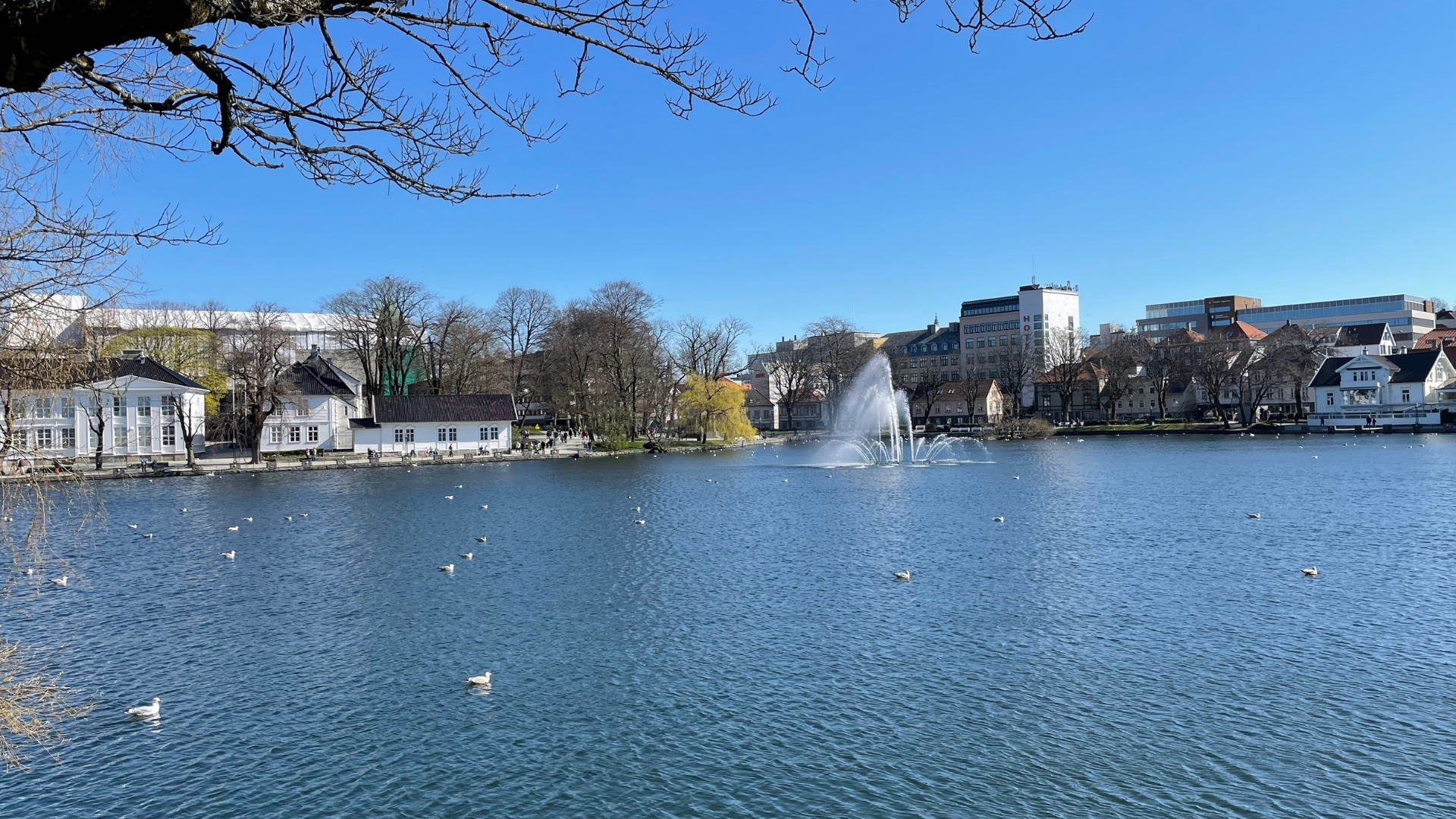
From the harbour, we made our way to Byparken, a green space wrapped around Breiavatnet lake.
This turned out to be one of the highlights of our visit.
We circled the lake slowly, stopping to watch ducks, geese and water birds glide across the water. It felt peaceful and local — not like a “tourist attraction,” just everyday Norwegian life unfolding.
If your cruise has been busy or excursion-heavy, this is a lovely reset moment.
3️⃣ Gamle Stavanger (Old Town)
Eventually, we wandered into Gamle Stavanger — and this is where the city really charmed us.
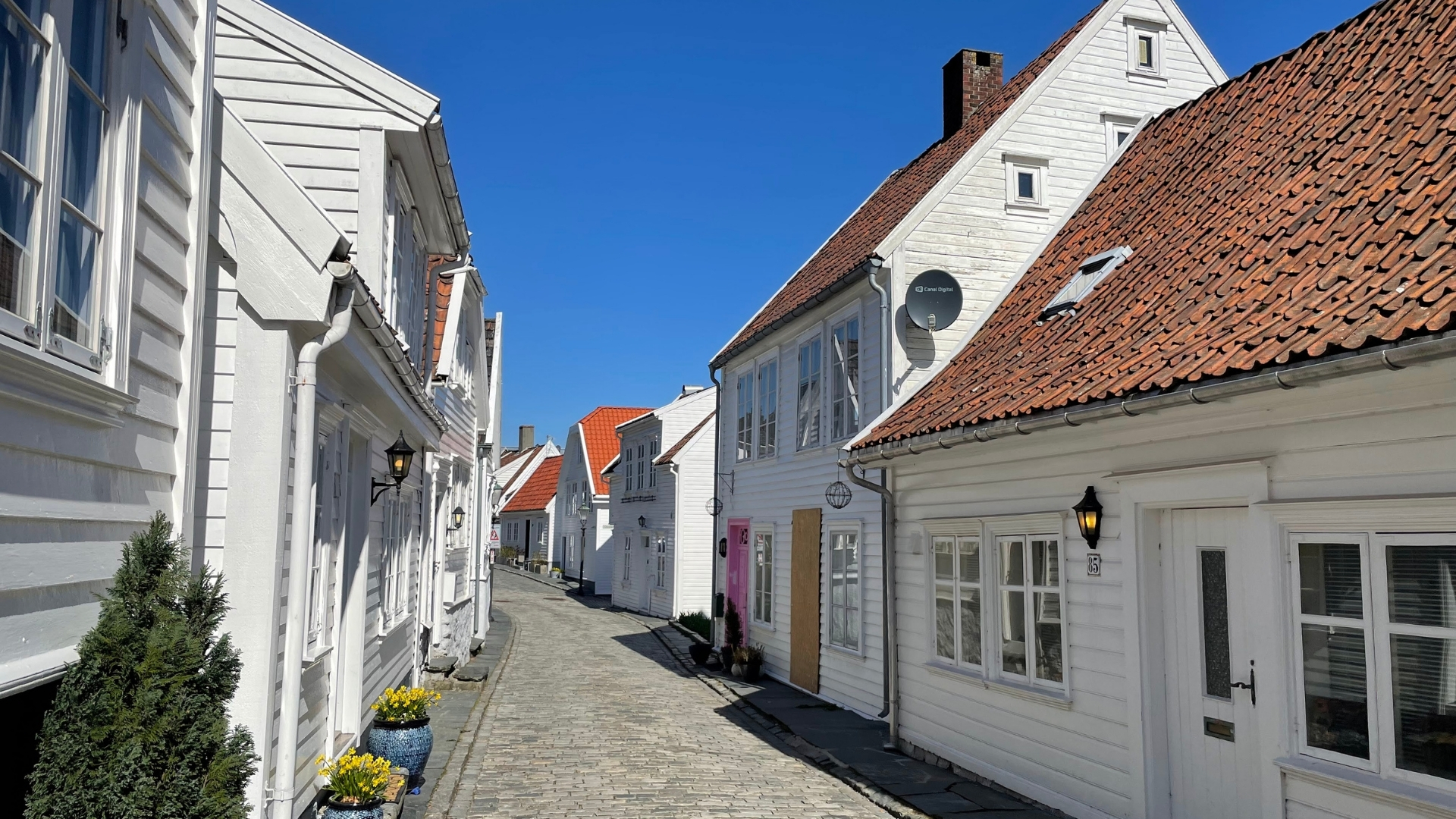
Rows of white wooden houses line narrow cobbled streets, many dating back to the 18th and 19th centuries. It feels almost impossibly picturesque.
It’s compact, easy to explore, and wonderfully photogenic.
Take your time here. This isn’t a place to rush.
4️⃣ Back to the Ship for Lunch
After coffee and a final wander, we made our way back to the ship for a late lunch.
No stress.
No tight schedule.
Just a gentle introduction to Norway.
And honestly? For a first visit to the region, it felt exactly right.
💰 Is Stavanger an Expensive Port?
Short answer: it can be.
Norway isn’t known for budget dining, and restaurant prices can surprise first-time visitors. That’s one reason many cruisers choose to:
-
Explore on foot
-
Stop for coffee rather than a full meal
-
Return to the ship for lunch
If your itinerary includes multiple Norwegian ports, pacing your spending here makes sense.
The good news? Stavanger’s best highlights — the harbour, Byparken, and Gamle Stavanger — are completely free.
🏔 Top Things to Do in Stavanger (Beyond a Harbour Stroll)
While we chose a relaxed, self-guided day, Stavanger is also one of Norway’s best-known adventure gateways. If you’re looking for something more structured or dramatic, there are plenty of options.
Here are the highlights most cruisers consider.
🥾 Hike to Pulpit Rock (Preikestolen)
This is Stavanger’s headline attraction.
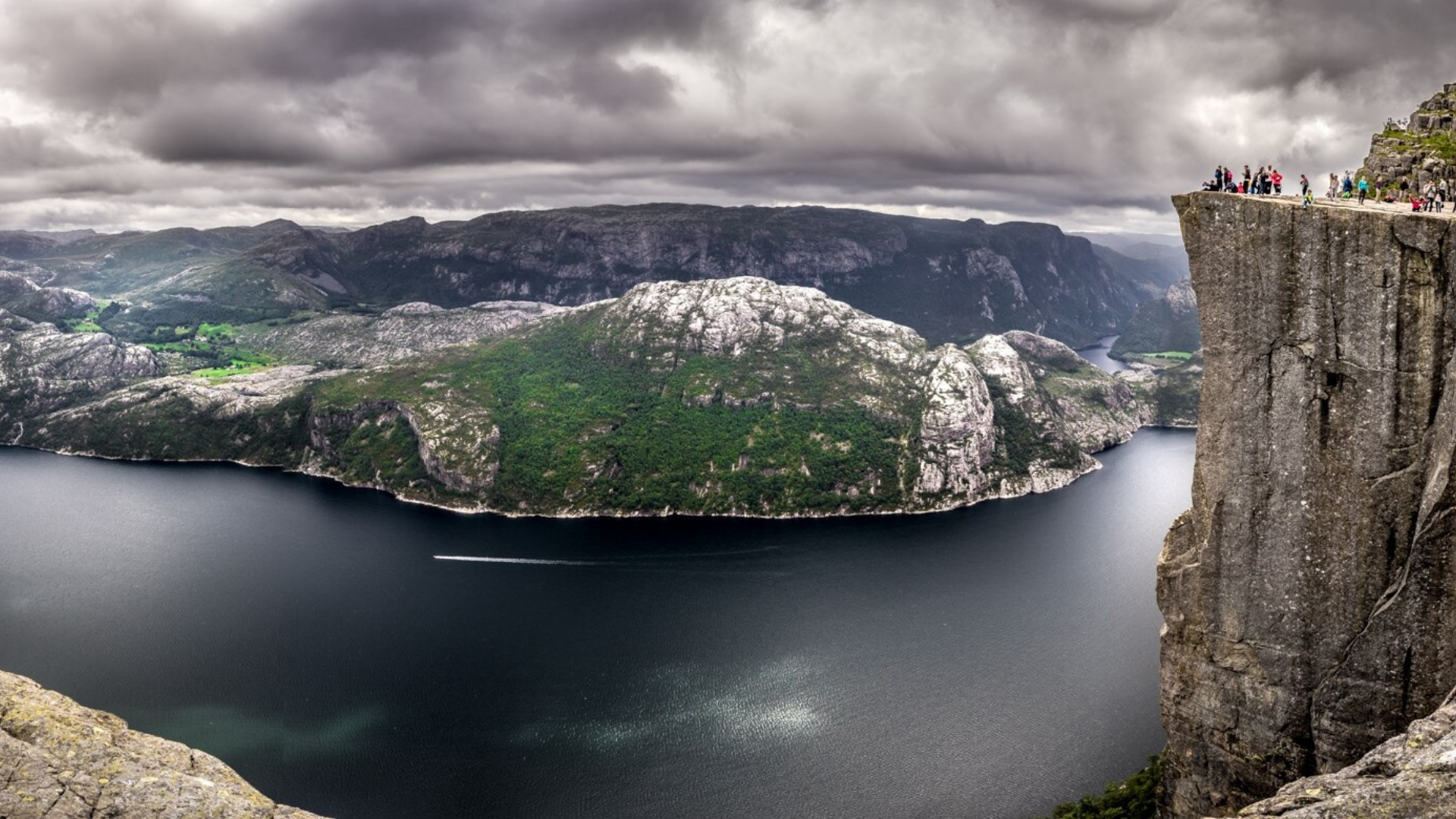
The hike to Preikestolen (Pulpit Rock) takes you to a flat cliff plateau towering 604 metres above Lysefjord. It’s one of Norway’s most photographed viewpoints.
Important to know:
-
It’s a half-day commitment
-
The hike itself takes around 4–5 hours round trip
-
Transport to the trailhead is required
-
Weather conditions matter
It’s spectacular — but it’s not a casual stroll. Only consider it if you’re confident with moderate hiking and your ship has a long port call.
🚤 Lysefjord Boat Cruise
If hiking isn’t your thing, a fjord cruise is a gentler way to experience Norway’s dramatic landscapes.
Boat tours typically pass:
-
Sheer cliff faces
-
Waterfalls cascading into the fjord
-
Pulpit Rock from below
This is a strong option if you want scenery without the physical effort.
🏛 Norwegian Petroleum Museum
Stavanger has long been associated with Norway’s oil industry, and this modern museum offers interactive exhibits explaining the country’s offshore energy history.
It’s surprisingly engaging — especially if:
-
The weather turns wet
-
You prefer indoor attractions
-
You enjoy contemporary history
⛪ Stavanger Cathedral
Just steps from the harbour, Stavanger Cathedral dates back to the 12th century and is one of Norway’s oldest churches.
It’s small but atmospheric and easy to include as part of a walking route through the city centre.
📸 Valbergtårnet (Watchtower)
For elevated views over the harbour and city rooftops, Valbergtårnet offers a short uphill walk and rewarding perspective.
It’s a quick addition if you want a slightly different angle on the town without committing to a full excursion.
🌿 Keep It Simple
And then there’s the option we chose:
-
Harbour walk
-
Coffee stop
-
Byparken
-
Gamle Stavanger
-
Back to the ship
Not every Norwegian port has to be an adrenaline day.
Sometimes, simply enjoying the scale of the place — the wooden houses, the still water, the crisp air — is enough.
🗺 A Perfect 4–6 Hour Stavanger Cruise Plan
This plan is ideal for:
-
First-time visitors
-
Those not booking a long excursion
-
Anyone wanting a relaxed Norwegian port day
It combines the highlights with breathing space.
🕘 9:00am – Step Straight Into the Harbour
Stavanger’s biggest advantage is its location. From the cruise dock, you’re already in the city centre.
Begin with a slow walk along Strandkaien, taking in:
-
Colourful waterfront buildings
-
Fishing boats and harbour views
-
Early-morning light on the water
Allow 30–45 minutes.
🌿 9:45am – Byparken & Breiavatnet Lake
From the harbour, head to Byparken.
Circle the lake, pause on a bench, and enjoy a quiet reset before the day gets busier. In spring and summer, it’s full of birds and feels distinctly local.
Allow around 30–40 minutes.
☕ 10:30am – Coffee Stop
Stavanger has several small cafés near the harbour and central streets.
Given Norwegian prices, many cruisers opt for coffee and cake rather than a full lunch ashore.
This is a good moment to decide:
-
Continue wandering?
-
Add a museum?
-
Head towards Gamle Stavanger?
🏘 11:15am – Gamle Stavanger (Old Town)
Gamle Stavanger is one of the best-preserved wooden house districts in Northern Europe, with more than 170 white-painted houses dating back to the 18th and 19th centuries.
Originally built for fishermen and workers, the area is now protected and carefully maintained. Flower boxes, cobbled lanes and tiny galleries give it a slightly storybook feel — but it never feels artificial.
It’s not large. You don’t need a map. Just wander.
If you enjoy:
-
Photography
-
Quiet residential streets
-
Historic character without crowds
…it’s absolutely worth your time.
Allow 45–60 minutes at an unhurried pace.

⛪ Optional: Stavanger Cathedral
Just off the main harbour area, Stavanger Cathedral dates back to around 1125 and is one of Norway’s oldest churches.
It’s relatively small, so a visit doesn’t require much time — but if you appreciate medieval architecture and quiet interiors, it’s an easy addition to your walking route.
Allow 15–20 minutes.
📸 Optional: Valbergtårnet (The Watchtower)
Valbergtårnet is a former 19th-century watchtower overlooking the harbour.
The walk up is short but slightly uphill, and from the top you get a clear view over Vågen harbour and the cruise ships docked below — which makes it particularly satisfying on a port day.
It’s not dramatic fjord scenery, but it does offer:
-
A different perspective on the city
-
A quick photo opportunity
-
A sense of Stavanger’s compact layout
If you enjoy elevated viewpoints but don’t want a full excursion, this is a good compromise.
Allow 20–30 minutes including the climb.

🕛 Early Afternoon – Return to the Ship for Lunch
Depending on how many stops you include, you’ll likely be heading back to the ship sometime between 12:30pm and 2:00pm.
If you’re conscious of budget (and many are), returning onboard for lunch makes perfect sense — especially in Norway, where dining out can be expensive.
Stavanger’s compact layout means you can enjoy a full morning ashore — even with a few optional additions like the cathedral or watchtower — and still be back well before all-aboard time.
There’s no rush here. That’s part of Stavanger’s charm.
✔ Who Stavanger Suits Best
Stavanger is one of Norway’s most approachable cruise ports.
It works particularly well for cruisers who prefer:
🚶 Independent Explorers
You step off the ship directly into the city centre. No tenders. No transfers. No transport planning required.
If you enjoy simply wandering at your own pace — harbour walks, quiet streets and café stops — Stavanger makes that effortless.
🌿 Slow Travellers
Not every Norwegian port has to be about dramatic hikes or full-day excursions.
Stavanger is ideal if you want:
-
A gentle introduction to Norway
-
A relaxed morning ashore
-
Scenic charm without a packed schedule
It’s perfectly possible to have a satisfying 4–5 hour visit without booking anything at all.
📸 Photographers & Architecture Lovers
Gamle Stavanger’s white wooden houses, colourful harbour buildings and still waterfront reflections make it a quietly photogenic stop.
It’s less about jaw-dropping scale and more about atmosphere.
🧳 Budget-Conscious Cruisers
Norway is not inexpensive — and many visitors quickly notice restaurant prices.
Stavanger is compact enough that you can:
-
Explore on foot
-
Stop for coffee
-
Return to the ship for lunch
…without feeling like you’ve missed out.
Who It May Suit Less
Stavanger may feel underwhelming if:
-
You’re expecting towering fjord scenery right from the dock
-
You only enjoy high-adrenaline excursions
-
You want a “bucket list” landmark without committing to a longer trip (like Pulpit Rock)
While dramatic landscapes are nearby, they require planning and time.
The city itself is charming, compact and understated rather than spectacular.
Stavanger Cruise Port FAQs
Where do cruise ships dock in Stavanger?
Cruise ships dock directly in Vågen harbour, right in the city centre. You can walk straight from the ship to the waterfront promenade and main attractions — no shuttle buses required.
Can you explore Stavanger on foot?
Yes — and many cruisers do.
The harbour, cathedral, Byparken and Gamle Stavanger are all within easy walking distance of the cruise terminal. It’s one of Norway’s most manageable ports for independent exploration.
Is Stavanger expensive?
Norway is generally considered expensive, particularly for food and drink. Many cruisers choose to enjoy a coffee ashore and return to the ship for lunch.
The good news is that Stavanger’s main highlights — harbour walks, Gamle Stavanger and the park — are completely free.
Is Pulpit Rock worth it on a cruise stop?
Pulpit Rock (Preikestolen) is spectacular, but it’s a half-day commitment requiring transport and a 4–5 hour round-trip hike.
It’s worth considering if you have a long port call and are comfortable with moderate hiking — but it’s not a casual add-on.
How long do you need in Stavanger?
You can comfortably explore the city centre in 4–6 hours.
If you plan a fjord cruise or hike to Pulpit Rock, you’ll need a longer port day and careful time management.
Is Stavanger a tender port?
No. Ships dock directly at the harbour, making disembarkation straightforward.
🇸🇪 Plan Your Scandinavia & Baltic Cruise
If your cruise is visiting Scandinavia, the Baltic or Northern Europe’s fjords, these guides will help you plan smarter and explore with confidence:
🧳 Planning Essentials
-
🇩🇰 Copenhagen Cruise Port Terminals, transport, embarkation tips & a practical 6–8 hour plan.
-
🧥 What to Pack for a Cool Weather Cruise – Layers, windproof gear & cool-weather tips
- 🧳 Cruise Carry-On Essentials – What to pack for embarkation day
- 🛡️ Cruise Travel Insurance Guide – What’s actually covered at sea