St Lucia Cruise Port Guide

St Lucia Cruise Port Guide

St Lucia Cruise Port Overview

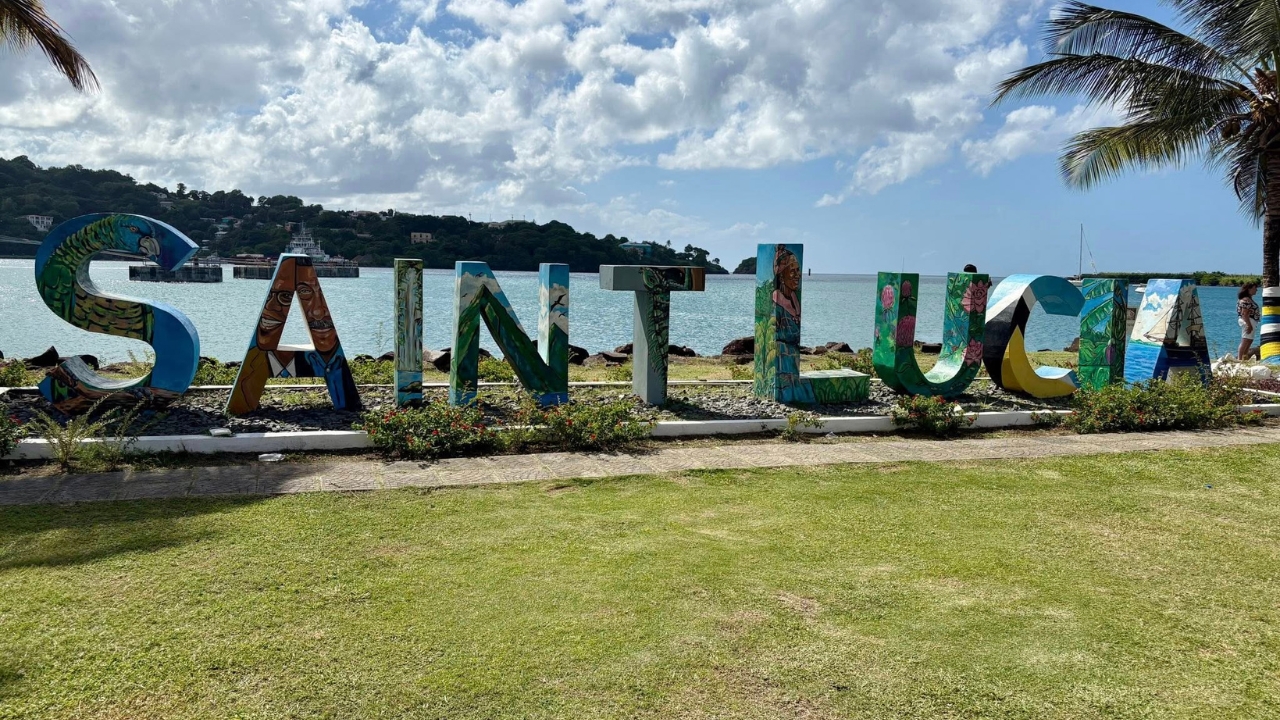
St Lucia is one of the most dramatic islands in the Caribbean, and the scenery becomes clear almost as soon as your ship approaches the harbour.

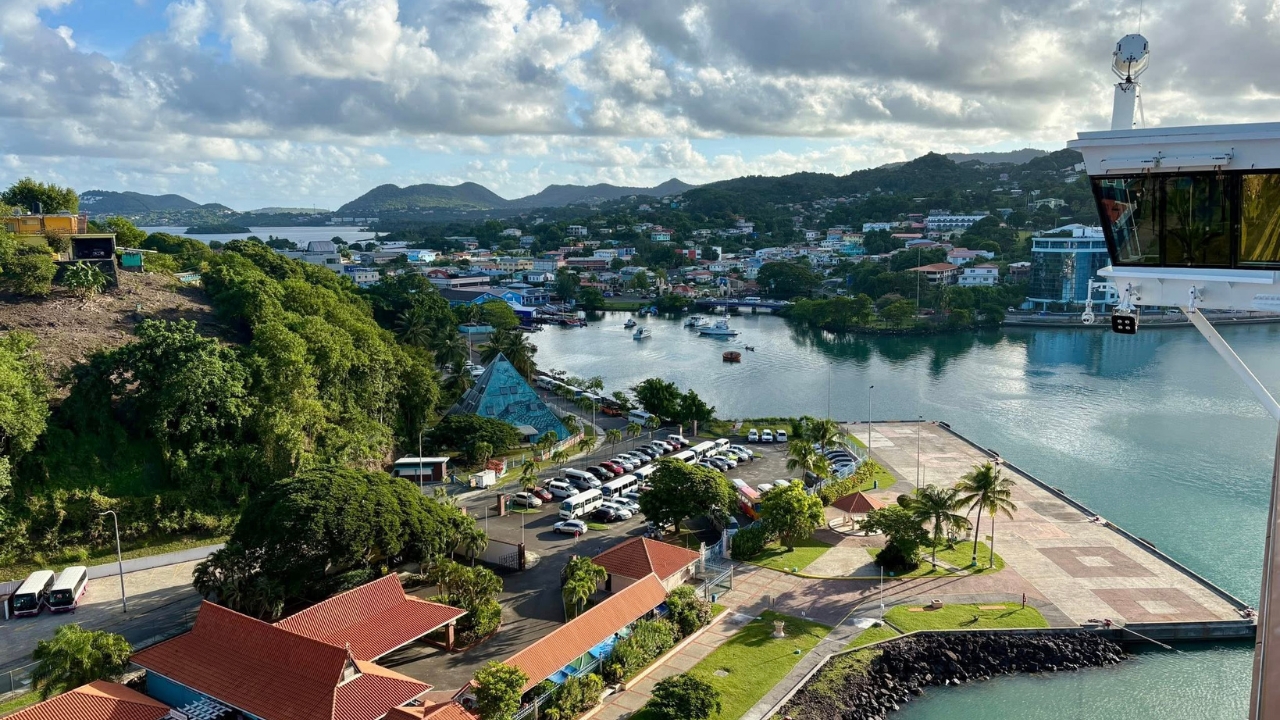
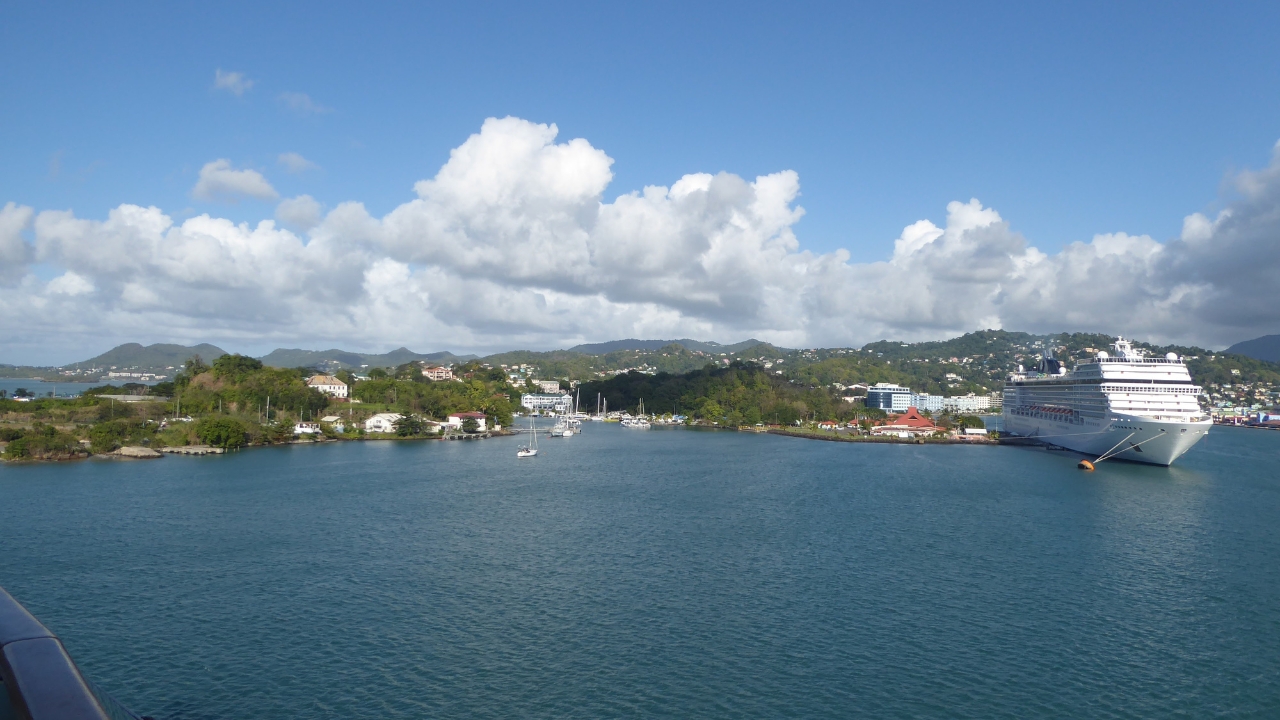
Cruise ships dock in Castries, the island’s capital, where green mountains rise behind the waterfront and colourful buildings line the harbour. Compared with some Caribbean ports, the landscape here feels noticeably more rugged and tropical.

It’s an impressive arrival.

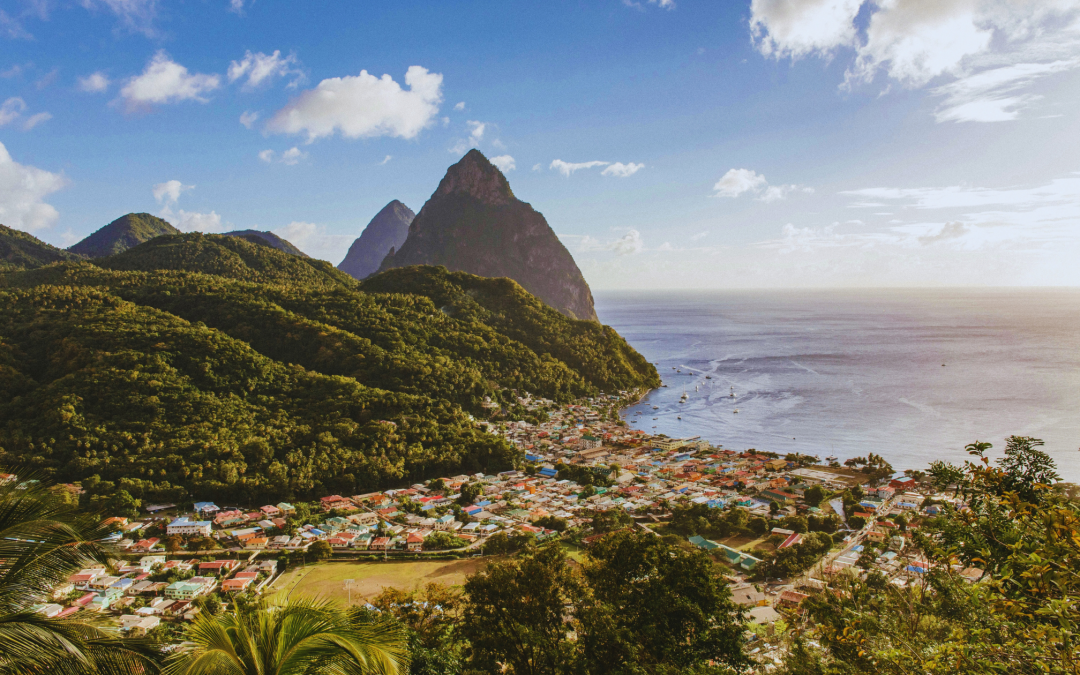
What makes St Lucia particularly appealing for cruise visitors is the island’s combination of natural beauty and iconic landmarks. Many travellers visit specifically to see the famous Pitons, two volcanic peaks that rise steeply from the sea on the island’s south-west coast.

Popular experiences on a cruise stop include:

• Visiting the Pitons
• Relaxing on a Caribbean beach
• Exploring the island’s rainforest landscapes
• Taking a scenic drive along the coastline

While some of St Lucia’s highlights are located further from the cruise port, the scenery along the way is part of the experience.

Approach St Lucia expecting lush green hills, volcanic landscapes and spectacular coastal views — it’s one of the most visually striking islands in the Caribbean.

Where Is St Lucia Cruise Port Located?

The St Lucia cruise port is located in Castries Harbour, on the island’s north-west coast.

Ships usually dock at one of two cruise terminals:

Pointe Seraphine – the main cruise terminal used by many ships
La Place Carenage – a smaller terminal located closer to the town centre

Both terminals sit beside the harbour and are within walking distance of Castries.

From the cruise port you can easily:

• Walk into the town centre
• Visit the local market area
• Join organised island tours
• Take taxis to beaches and attractions around the island.
Is St Lucia Cruise Port Walkable?

Castries is relatively compact, which means you can explore parts of the town on foot after leaving the cruise terminal.

However, most visitors don’t spend their entire day in Castries, as the island’s most famous attractions are located outside the capital.

🛳 Pointe Seraphine Cruise Terminal

Pointe Seraphine is one of the main cruise terminals and the first area many passengers see when leaving the ship.

Here you’ll find:

• Duty-free shops
• Restaurants and cafés
• Excursion desks
• Taxi stands

It’s designed for cruise visitors and is easy to navigate.

🚶 Exploring Castries

A short walk from the cruise terminal takes you into the centre of Castries, where you’ll find a mix of local shops, markets and historic buildings.

Highlights include:

Castries Market, one of the island’s busiest markets
Cathedral Basilica of the Immaculate Conception
• Colourful streets around the harbour

The town itself can be explored in an hour or two.

🌴 Getting Beyond Castries

While Castries is easy to walk around, many of St Lucia’s most famous sights are located further south.

Places like the Pitons, Soufrière and the Sulphur Springs are located about 60–90 minutes from the cruise port, which means they are usually visited as part of organised tours or private taxi excursions.

The good news is that the journey itself offers some of the island’s most beautiful scenery.

Best Things to Do in St Lucia from the Cruise Port

St Lucia is one of the most scenic islands in the Caribbean, but many of its most famous sights are located outside the capital. That means cruise visitors usually spend the day on a guided tour or a longer taxi excursion rather than staying close to the port.

The key to enjoying St Lucia during a cruise stop is choosing one main experience for the day, rather than trying to see too much.

Here are some of the most popular things to do in St Lucia from the cruise port.

Segway Adventure – Saint Lucia

⛰ Visit the Pitons and Soufrière

For many visitors, seeing the Pitons is the highlight of their time in St Lucia.

The Pitons are two dramatic volcanic peaks rising from the sea on the island’s south-west coast and are one of the most recognisable landscapes in the Caribbean. They are located near the town of Soufrière, about 60–90 minutes from the cruise port depending on traffic.

Many excursions to this part of the island include several stops along the way, such as:

• Scenic coastal viewpoints
• A visit to Sulphur Springs, the Caribbean’s only drive-in volcano
• The famous mud baths, where visitors can cover themselves in mineral-rich volcanic mud

Because the journey takes time, this experience usually fills most of the day.
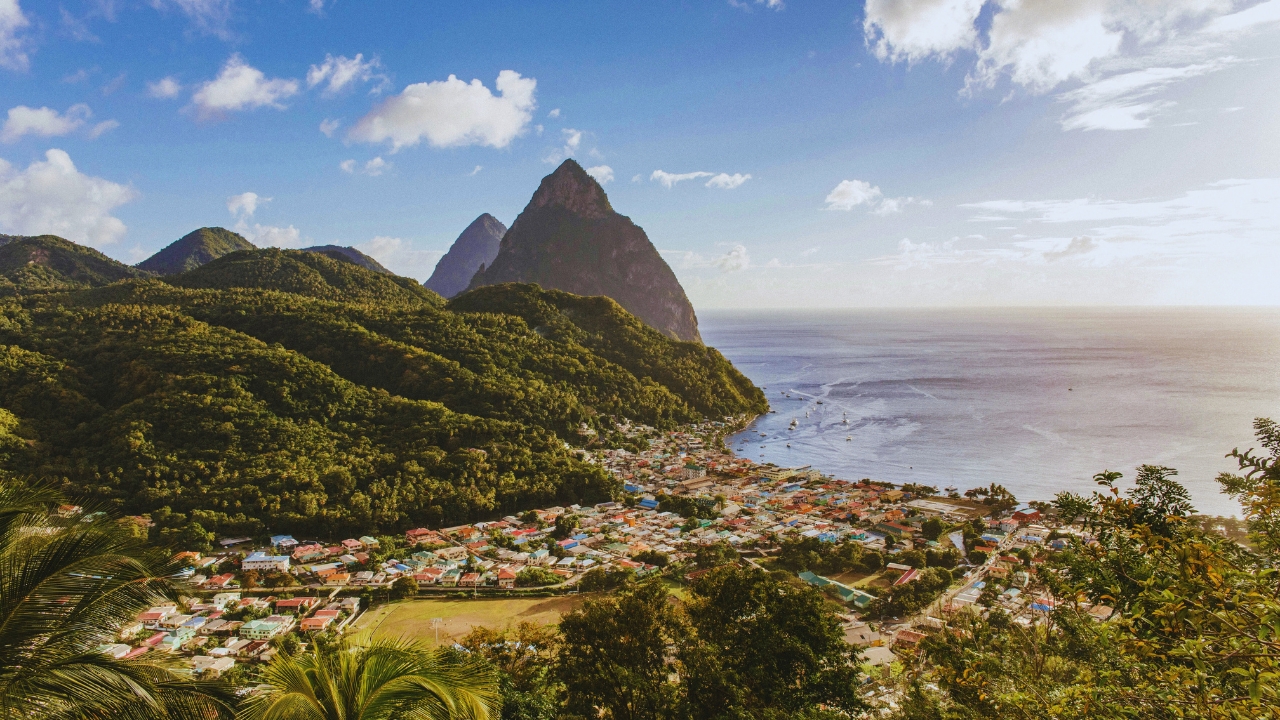
Photo by Corinne Kutz on Unsplash

🏖 Relax at Sugar Beach

Located between the Pitons, Sugar Beach is one of the most beautiful beaches in St Lucia.

The beach is known for its white sand and incredible views of the two volcanic peaks rising on either side of the bay. The water here is calm and clear, making it a popular place for swimming and snorkelling.

Some visitors arrive as part of organised tours, while others visit independently by taxi.

Because of its location near Soufrière, visiting Sugar Beach is often combined with other stops in the southern part of the island.

🌿 Experience the Sulphur Springs Mud Baths

The Sulphur Springs near Soufrière are one of St Lucia’s most unusual attractions.

This geothermal area is known as the world’s only drive-in volcano, where visitors can walk through steaming volcanic vents before soaking in warm mud baths believed to have mineral and skin benefits.

Many cruise visitors enjoy the experience simply because it’s something different from the typical Caribbean beach stop.

🚐 Take a Scenic Island Tour

Because the island is so mountainous, scenic island tours are one of the most popular excursions from the cruise port.

These tours usually include several stops around the island, such as:

• Coastal viewpoints overlooking the Caribbean Sea
• Small fishing villages
• Stops near the Pitons
• Visits to waterfalls or botanical gardens

Even if you don’t travel all the way to Soufrière, a half-day tour can give you a good sense of the island’s landscapes.
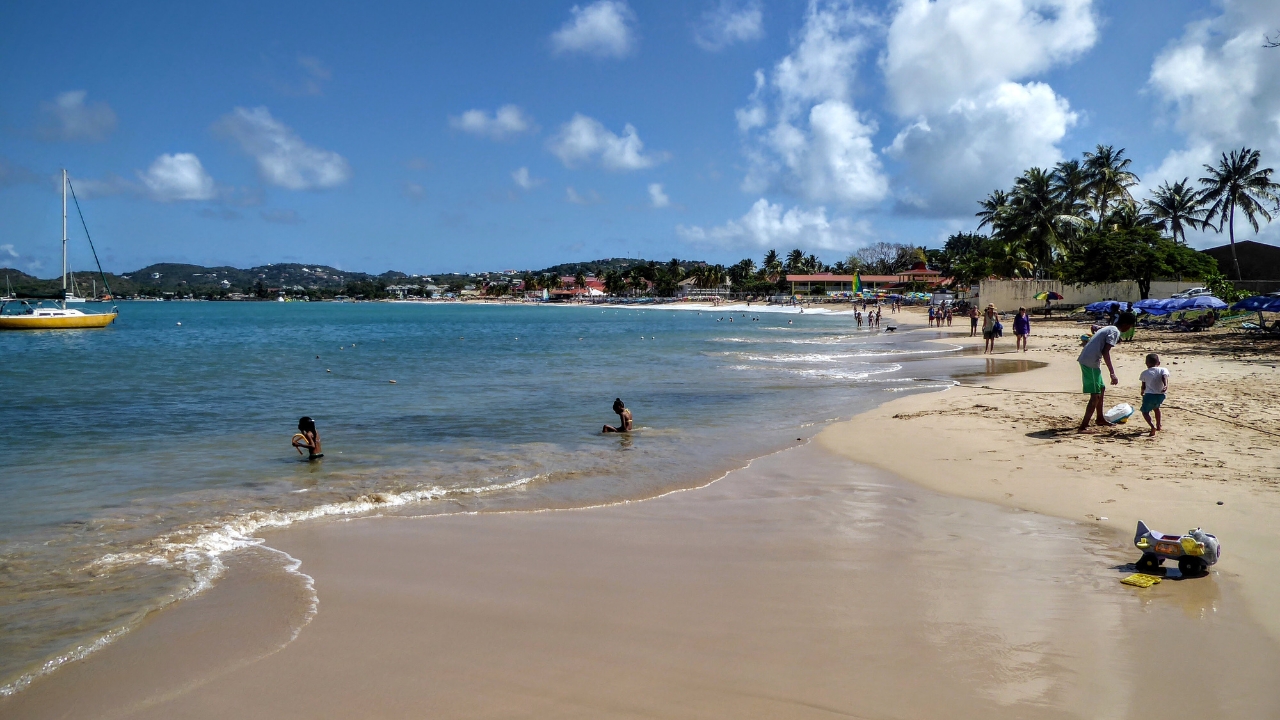
Reduit Beach
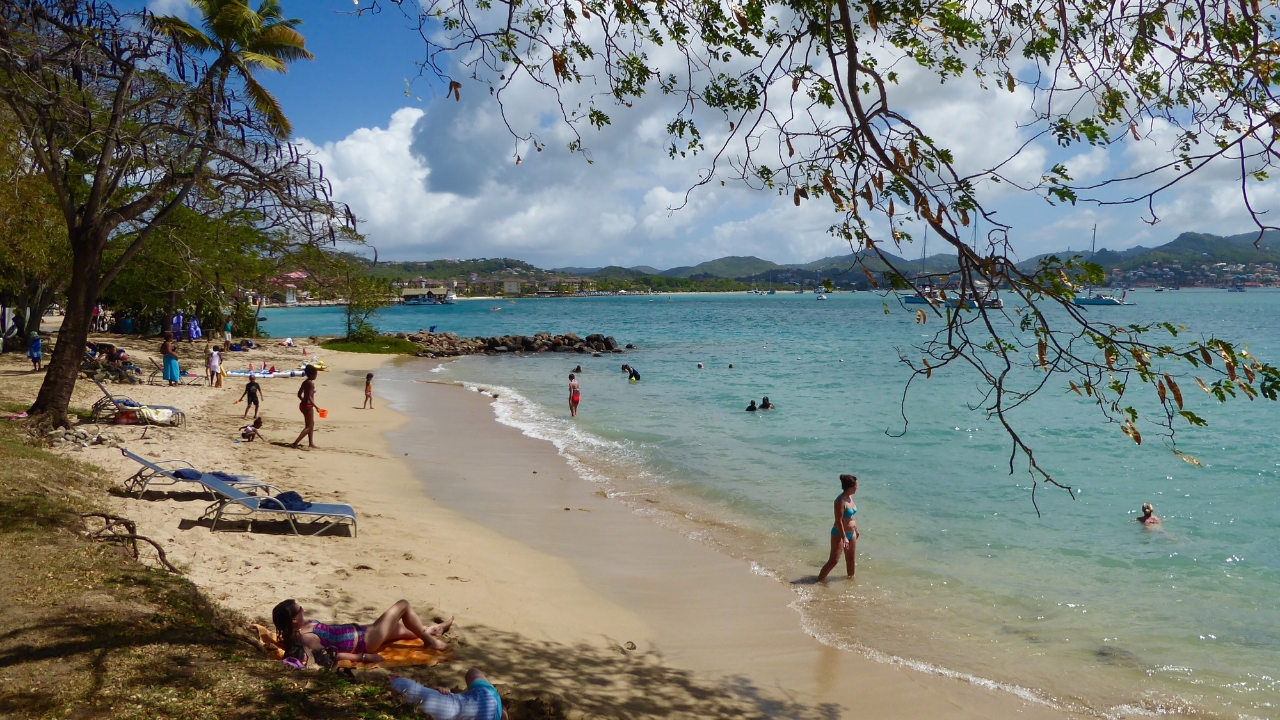
Pigeon Island Beach

Things to Do in Castries Near the Cruise Port

While many visitors head out on island tours, spending time exploring Castries itself can be a pleasant way to enjoy your port stop. The capital has a lively local atmosphere, colourful streets and several historic landmarks within easy reach of the cruise terminals.

If you prefer a slower pace, here are a few places worth visiting near the cruise port.


🏛 Visit the Saint Lucia National Museum

The Saint Lucia National Museum is located in the centre of Castries and offers a fascinating introduction to the island’s history and culture.

The museum houses a collection of artifacts, photographs and exhibits that tell the story of Saint Lucia’s past, including the island’s colonial history, indigenous heritage and maritime traditions.

Because it’s located close to the harbour, it’s an easy stop to include during a short walk through town.


🌳 Walk Through Derek Walcott Square

Derek Walcott Square is one of the main gathering places in Castries and sits in the heart of the city.

The square is named after Derek Walcott, the Saint Lucian poet and playwright who won the Nobel Prize for Literature in 1992. Surrounded by colonial-era buildings and shaded by large trees, it’s a pleasant place to pause while exploring the town.

Nearby you’ll also find the Cathedral Basilica of the Immaculate Conception, one of the largest churches in the Caribbean.


🏰 Visit Fort Charlotte

Perched on a hill overlooking Castries, Fort Charlotte dates back to the late 18th century when it was built by the British to defend the harbour.

Today the fort is a quiet historic site that rewards visitors with excellent views across Castries Harbour and the surrounding coastline. The elevated location also makes it a good spot for photographs of the city and cruise ships in port.


🌿 Take a Nature Walk Near the City

If you’re looking for a little greenery without travelling far from the cruise port, there are several nature trails near Castries.

Two options often mentioned by visitors include:

The Botanical Gardens Nature Trail, located just outside the city
The La Toc Beach Trail, which combines coastal scenery with a short walk

These trails offer a chance to experience the island’s tropical vegetation while still staying fairly close to the capital.


🛍 Explore Castries Market

The Castries Market is one of the busiest and most colourful places in the city.

Located just a short walk from the cruise port, the market sells a wide variety of local produce including fresh fruit, vegetables, spices and handmade crafts. It’s also a great place to see everyday life on the island beyond the cruise port shopping areas.

Visiting the market is often one of the easiest ways to experience the local side of Castries during a cruise stop.


A Slower Alternative to Island Tours

While many cruise visitors head straight to the Pitons or Soufrière, spending a few hours exploring Castries can be a good option if:

• Your ship has a shorter port stop
• You prefer not to spend several hours travelling across the island
• You enjoy visiting local markets and historic landmarks

It’s a quieter way to experience St Lucia while still seeing some of the island’s culture and history.


Choosing the Right Plan

St Lucia offers incredible scenery, but trying to combine the Pitons, mud baths, beaches and a full island tour in one day can make your visit feel rushed.

Most cruise visitors find it best to choose one main highlight, such as:

• Visiting Soufrière and the Pitons
• Relaxing at a beach
• Taking a scenic island tour

This allows you to enjoy the island’s landscapes without constantly watching the clock before returning to the ship.

Practical Tips for Visiting St Lucia on a Cruise

St Lucia is a beautiful island to explore during a cruise stop, but because many of the main attractions are located outside the capital, a little planning can make the day run much more smoothly.

Understanding how transport works and how long it takes to reach places like Soufrière will help you make the most of your time ashore.


📍 Check Which Cruise Terminal You’re Using

Cruise ships visiting St Lucia usually dock at one of two terminals in Castries Harbour:

Pointe Seraphine – the main cruise terminal used by many ships
La Place Carenage – located closer to the centre of Castries

Both terminals are close to the town and are connected by a short waterfront walk. From either location you’ll find taxis, excursion operators and shops nearby.

Unlike some Caribbean destinations, ships in St Lucia normally dock directly at the pier, so tender boats are rarely required.


🚕 Taxis & Island Tours

Taxis are readily available at both cruise terminals.

Because many of the island’s highlights are located some distance from Castries, taxi drivers often offer half-day or full-day island tours. These tours typically include scenic stops and can be a convenient way to explore without needing to organise separate transport.

A few things to keep in mind:

• Taxi fares are usually set by destination
• Prices are typically per vehicle rather than per person
• Always confirm the price and the route before starting the journey

Many drivers are happy to customise tours depending on what you want to see.


⛰ Travel Time to Soufrière and the Pitons

One of the most important things to understand when visiting St Lucia is that the island’s most famous attractions are located in the south-west of the island.

Typical travel times include:

Soufrière / Pitons – around 60–90 minutes each way
Sulphur Springs – about 75 minutes
Sugar Beach – around 75–90 minutes

The roads are narrow and winding, but the scenery along the way is spectacular.

Because of the travel time, many visitors dedicate most of the day to exploring this part of the island.


☀️ Heat, Sun & Hydration

St Lucia has a warm tropical climate and the Caribbean sun can be strong throughout the year.

If you’re planning to spend time outdoors it’s worth bringing:

• Sunscreen
• A hat
• Water

Shade can be limited in some areas, especially if you’re visiting viewpoints or beaches.


💵 Currency & Payments

The official currency in St Lucia is the Eastern Caribbean Dollar (XCD), though US dollars are widely accepted in most tourist areas.

Credit cards are commonly accepted at restaurants, shops and excursion operators, but carrying some cash can be useful for taxis or small purchases.

English is the official language, so communication is rarely an issue for visitors.


🧭 Plan Your Day Carefully

Because some of St Lucia’s most popular attractions require longer travel times, it’s best to avoid trying to fit too many activities into a single port day.

Most visitors enjoy their time on the island more by choosing one main experience, whether that’s:

• Visiting the Pitons and Soufrière
• Relaxing at a beach
• Taking a scenic island tour

Allowing plenty of time to return to Castries before your ship departs will help ensure a stress-free end to your day.
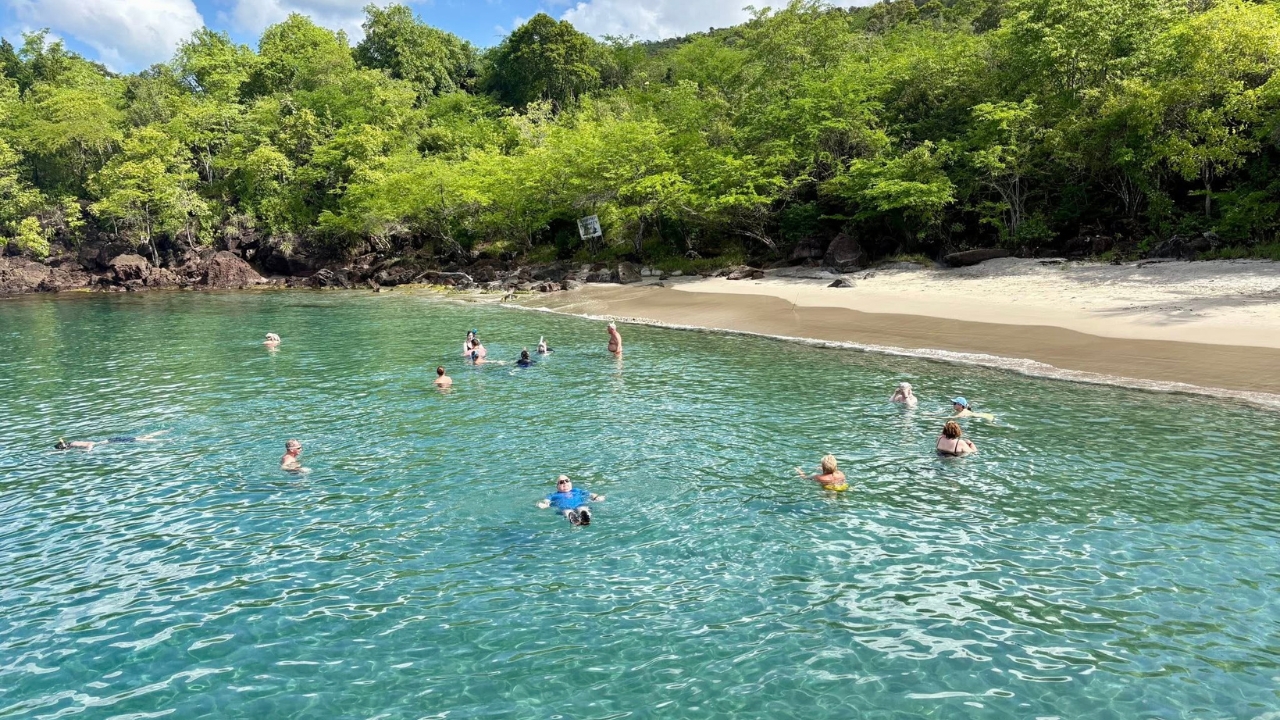
Swimming & Snorkelling at Anse Cochon

Who St Lucia Suits Best

St Lucia is one of the most visually striking islands in the Caribbean, and it tends to appeal particularly to travellers who enjoy dramatic landscapes and scenic excursions.

Because many of the island’s highlights are located outside the capital, St Lucia works best for visitors who are happy to explore beyond the cruise port.


✔ Travellers Who Love Natural Scenery

St Lucia’s mountainous landscape and lush rainforest setting make it one of the most scenic islands in the Caribbean.

The famous Pitons, rising steeply from the sea near Soufrière, are one of the island’s most recognisable landmarks and are often the highlight of a visit.

If you enjoy dramatic coastal views and tropical landscapes, St Lucia is likely to leave a strong impression.


✔ Visitors Interested in Unique Experiences

St Lucia offers several experiences that are a little different from the typical Caribbean beach stop.

Activities such as visiting the Sulphur Springs mud baths or seeing the island’s volcanic landscapes give visitors a chance to experience something unusual during their cruise stop.


✔ Cruisers Who Enjoy Scenic Excursions

Many visitors choose St Lucia specifically for its guided island tours, which allow them to see several parts of the island in a single day.

These tours often combine coastal viewpoints, historic villages and stops near the Pitons, giving visitors a broader view of the island’s landscapes.
✔ Those Looking for a Classic Caribbean Island

While St Lucia has some dramatic scenery, it still offers many of the elements people associate with a Caribbean cruise stop — warm weather, turquoise water and relaxed island culture.

For many travellers, it provides a good balance between natural beauty and traditional Caribbean charm.


It May Suit Less If You’re…

Looking for a port where the main attractions are immediately beside the ship.

While Castries itself is easy to explore, many of St Lucia’s most famous sights require a longer drive across the island, which means excursions often take up most of the day.


Final Thought

St Lucia is one of the Caribbean’s most memorable cruise destinations.

From the moment your ship arrives in Castries Harbour, the island’s green mountains and rugged coastline create a dramatic setting that feels quite different from many other Caribbean ports.

Whether you spend the day visiting the Pitons, exploring Soufrière or simply enjoying the island’s tropical scenery, St Lucia offers experiences that tend to stay with visitors long after the cruise ends.

The key is to keep your plans simple, choose one main highlight and allow yourself time to enjoy the journey across this beautiful island.

FAQs: St Lucia Cruise Port

How far is the St Lucia cruise port from the Pitons?

The Pitons are located near Soufrière on the south-west coast of the island, about 60–90 minutes from the cruise port in Castries depending on traffic and road conditions.

Is the St Lucia cruise port walkable?

Yes, parts of Castries are walkable from the cruise terminals. Visitors can easily reach the local market, Derek Walcott Square and nearby shops on foot. However, most of the island’s major attractions require a taxi or organised excursion.

What currency is used in St Lucia?

The official currency is the Eastern Caribbean Dollar (XCD), though US dollars are widely accepted in shops, restaurants and by taxi drivers.

Can you visit the Pitons on a cruise stop?

Yes, but visiting the Pitons usually requires a full-day tour or a long taxi excursion because they are located on the southern part of the island near Soufrière.

Is Castries safe for cruise visitors?

Castries is generally safe for visitors during the day, particularly around the cruise port and main shopping areas. As with any destination, it’s sensible to stay aware of your surroundings and avoid quiet areas after dark.
Antigua Cruise Port

Antigua Cruise Port

Antigua Cruise Port Overview — What It Actually Feels Like

Antigua is one of those Caribbean islands that immediately feels bright and welcoming as your ship arrives.

Cruise ships dock in St John’s, the island’s colourful capital, where pastel buildings climb gently up the hillside behind the harbour. From the deck of your ship you’ll often see small fishing boats, market stalls along the waterfront and the lively atmosphere of the town already beginning to unfold.

It’s a very Caribbean arrival.

What makes Antigua particularly appealing for cruise visitors is how quickly you can reach beautiful beaches. The island is famous for having 365 beaches — one for every day of the year, and several of the most popular ones are only a short taxi ride from the cruise port.

Many cruise passengers choose Antigua specifically for:

• Relaxed beach days
• Scenic island views
• Historic sites like Nelson’s Dockyard
• Easy taxi tours around the island

Unlike some ports where excursions require long travel times, Antigua’s highlights are relatively close together. That makes it an ideal stop whether you want a simple beach day or a short island adventure.

Approach Antigua expecting turquoise water, warm sunshine and a relaxed island atmosphere — and it usually delivers.

Where Is Antigua Cruise Port Located?

The Antigua cruise port is located in St John’s Harbour, on the north-west coast of the island.

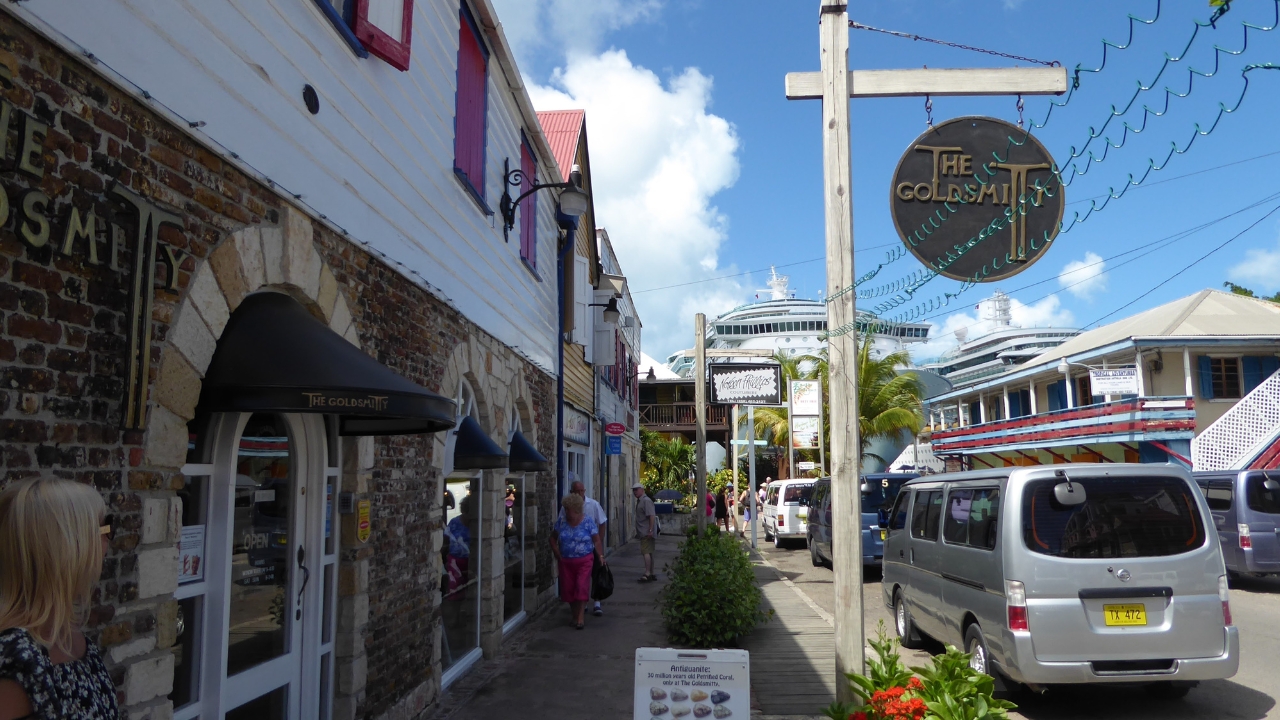
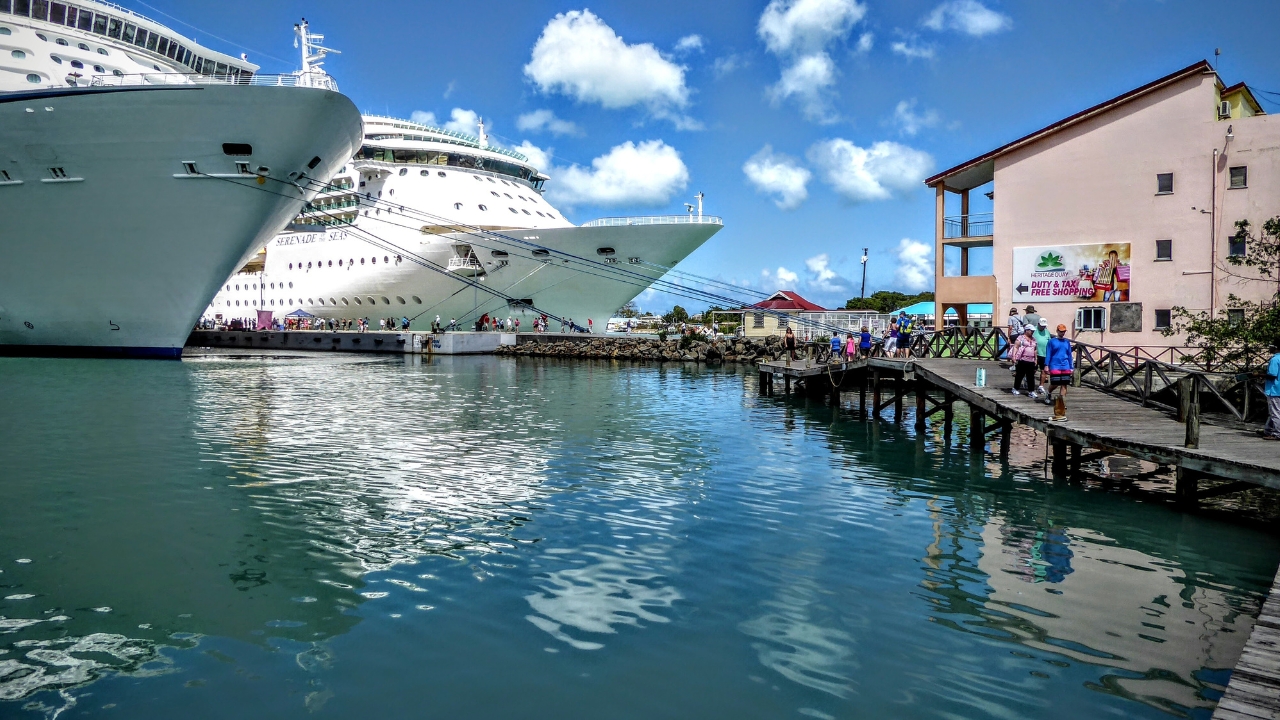
Ships dock at Heritage Quay, a dedicated cruise terminal area that sits right beside the centre of St John’s. The location is extremely convenient — as soon as you step off the ship you’re already within walking distance of shops, restaurants and local markets.

Two main cruise areas serve visiting ships:

Heritage Quay – the primary cruise terminal where most ships dock
Nevis Street Pier – sometimes used for additional ships on busy days

From the port you can easily:

• Walk into the centre of St John’s
• Visit the local market area
• Take a taxi to beaches around the island
• Join organised island tours

Because the cruise port sits directly beside the capital, Antigua is one of the easier Caribbean ports to explore independently.

Is Antigua Cruise Port Walkable?

Yes — St John’s is one of the more walkable cruise ports in the Eastern Caribbean.

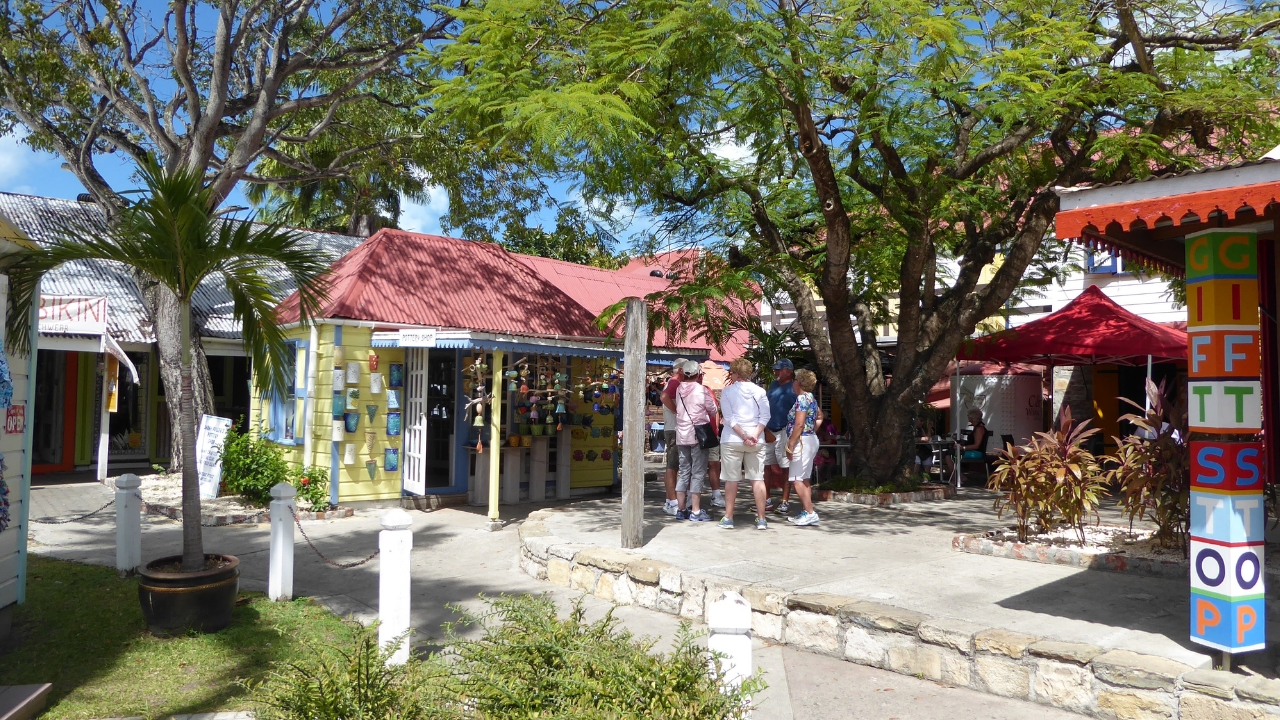
Once you leave the ship you’ll immediately enter the Heritage Quay shopping area, which is filled with duty-free stores, cafés and small restaurants. While this area is designed primarily for cruise visitors, it provides an easy starting point for exploring the town.

🛳 Heritage Quay Cruise Terminal

Heritage Quay is the main cruise port complex and the first area most passengers see when leaving the ship.

Here you’ll find:

• Duty-free shops
• Jewellery stores
• Restaurants and cafés
• Excursion desks
• Taxi stands

It’s busy on cruise days but easy to navigate.


🚶 Exploring St John’s

Just beyond the cruise terminal you can walk into St John’s town centre, where the atmosphere becomes noticeably more local.

Highlights include:

St John’s Public Market
• Colourful streets around Market Street
• The twin towers of St John’s Cathedral overlooking the city

The town is compact, so you can explore the main areas in an hour or so if you wish.

🏖 Beaches Near the Cruise Port

While St John’s itself is easy to explore on foot, Antigua’s most famous beaches are located a short distance outside the capital.

The good news is that several excellent beaches can be reached in 15–25 minutes by taxi, making them ideal for a cruise stop.

Some of the most popular options for cruise visitors include:

  • Dickenson Bay – one of the closest and most developed beaches near St John’s
  • Valley Church Beach – a beautiful white sand beach with calm water
  • Jolly Beach – a long stretch of sand known for its relaxed atmosphere
  • Ffyres Beach – Located on Antigua’s west coast, Ffryes Beach is a serene, unspoiled gem known for its peaceful, low-profile atmosphere.

Taxis are readily available at the cruise port, and many drivers offer island tours that include a beach stop, which can be a convenient way to see more of Antigua during your visit.

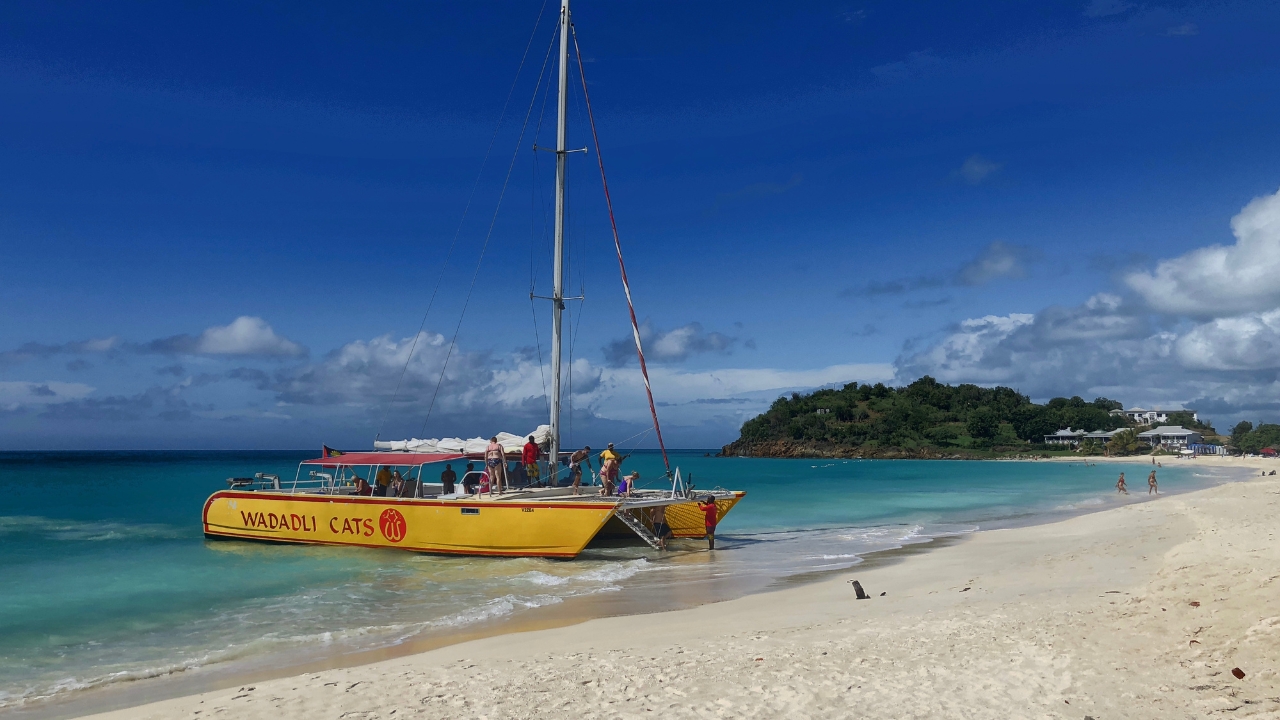
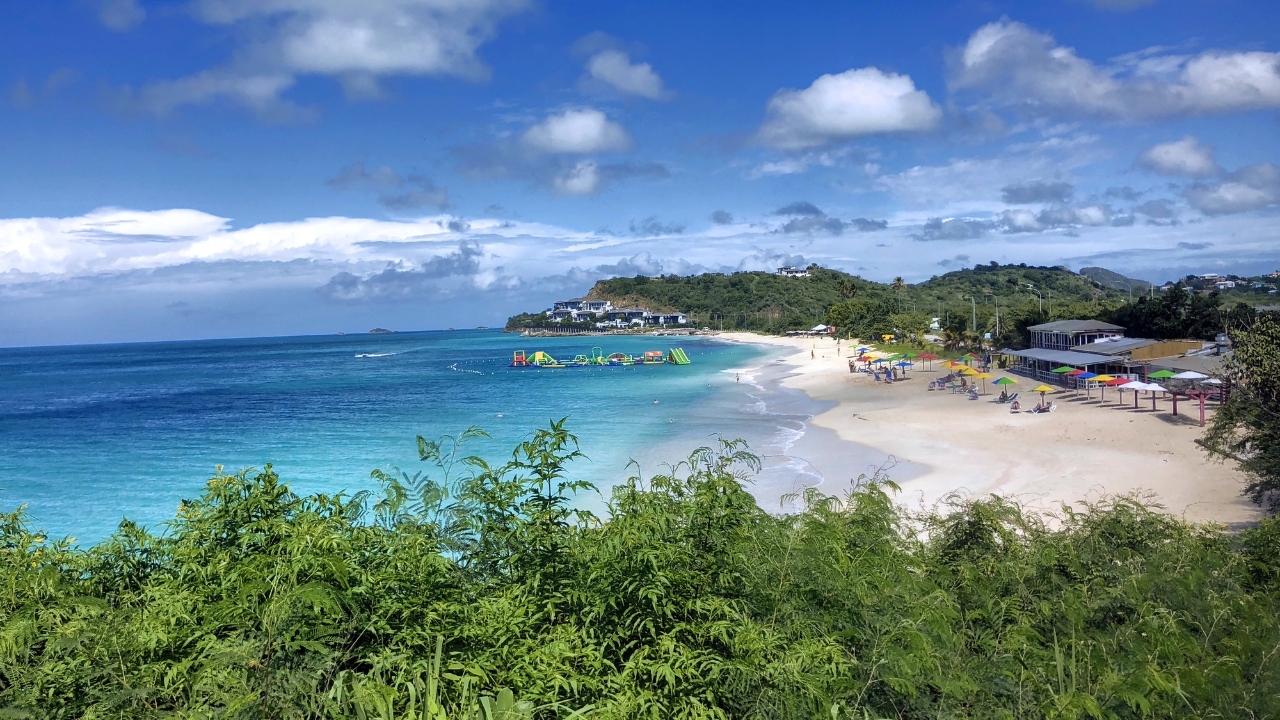
Ffyres Beach, Antigua

Best Things to Do in Antigua from the Cruise Port

(Without Turning It Into a Marathon)

Antigua is an island where the highlights are fairly spread out, but the good news is that most of them are still reachable during a cruise stop. The key is to choose one main experience for the day rather than trying to see everything.

Many visitors head straight to the beach, while others choose a scenic island tour or visit historic sites on the southern coast.

Here are some of the most popular things to do in Antigua from the cruise port.


🏖 Spend the Day at Dickenson Bay

If your ideal port day involves relaxing by the sea, Dickenson Bay is one of the easiest beaches to reach from the cruise port.

Located about 15 minutes from St John’s, the beach is known for its wide stretch of soft sand and calm turquoise water. Several beachfront restaurants and bars offer loungers and umbrellas for rent, making it easy to spend a few hours enjoying the Caribbean sunshine.

Because it’s relatively close to the port, Dickenson Bay is a convenient option if you want a relaxed beach day without travelling too far across the island.


🌴 Visit Valley Church Beach

For many visitors, Valley Church Beach is one of the most beautiful beaches in Antigua.

Located on the island’s west coast, this quiet bay offers bright white sand, clear water and a laid-back beach club atmosphere. It’s often less busy than some of the beaches closer to St John’s, which makes it a favourite for travellers looking for a slightly more peaceful setting.

Valley Church Beach is around 20–25 minutes by taxi from the cruise port.


🏛 Explore Nelson’s Dockyard

One of Antigua’s most historic sites is Nelson’s Dockyard, located in English Harbour on the southern side of the island.

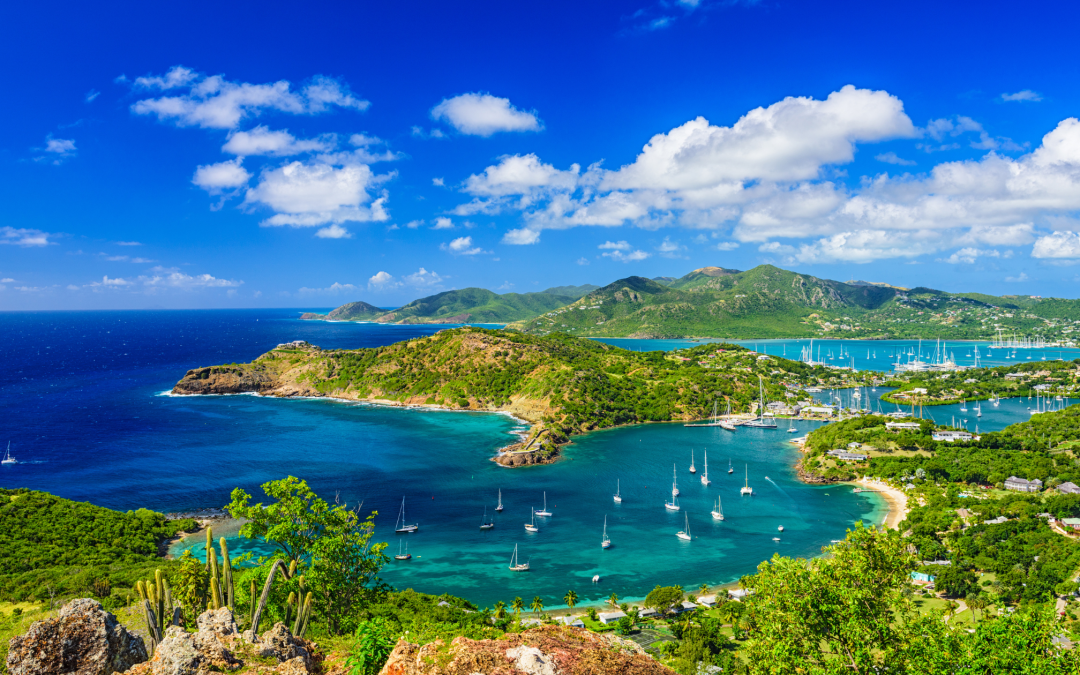
Originally built in the 18th century as a naval base for the British fleet, the dockyard has been beautifully restored and is now a UNESCO World Heritage Site. Today the area includes museums, cafés and marinas filled with sailing yachts.

Many visitors combine Nelson’s Dockyard with a stop at Shirley Heights, a famous viewpoint overlooking English Harbour and Falmouth Harbour.

The journey takes around 40 minutes from the cruise port, so it’s usually best visited as part of a guided excursion or taxi tour.

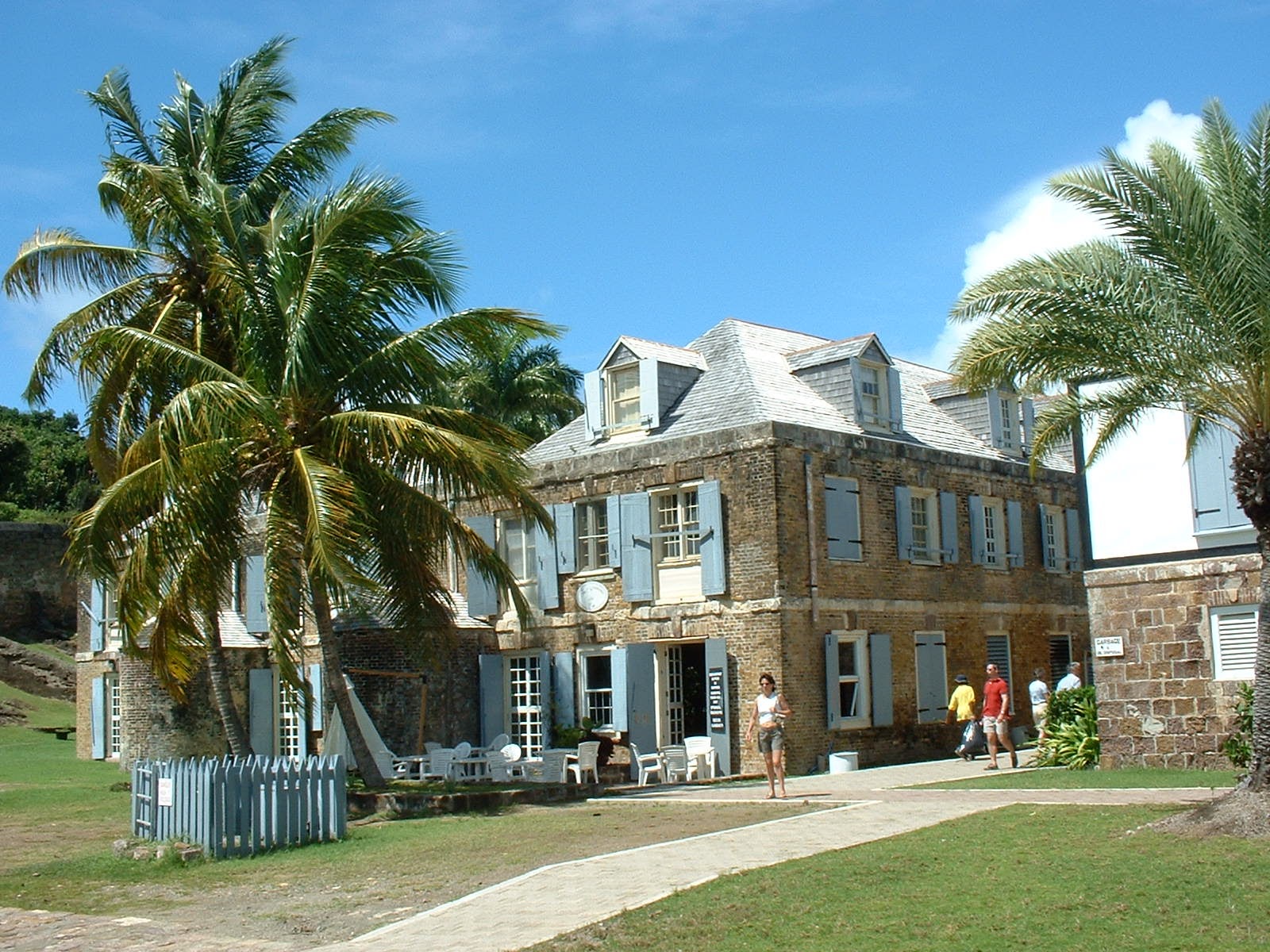
Nelsons Dockyard

🚐 Take a Scenic Island Tour

Because Antigua is relatively small, island tours are a popular cruise excursion.

Local drivers often offer half-day tours that include:

• Coastal viewpoints and photo stops
• A visit to Nelson’s Dockyard
• A stop at one of the island’s beaches
• Scenic drives through small villages

These tours are a good way to see more of the island’s landscape without worrying about transport logistics.


🛍 Explore St John’s

If you prefer to stay close to the ship, St John’s itself is worth exploring.

The capital has a lively atmosphere on cruise days, with local markets, small shops and colourful buildings lining the streets near the harbour.

Within walking distance of the cruise port you’ll find:

St John’s Cathedral, which overlooks the town
• Local craft markets selling spices and souvenirs
• Small cafés and restaurants around Market Street

Even a short walk through the town can give you a glimpse of everyday life in Antigua.


How to Choose

Antigua has plenty of things to see, but trying to combine multiple beaches, Nelson’s Dockyard and a full island tour in one day can make the visit feel rushed.

Most cruise visitors enjoy the island more by choosing one main highlight, such as:

• A beach day
• A scenic island tour
• Visiting Nelson’s Dockyard

Then spending any remaining time exploring St John’s before heading back to the ship.

Practical Tips for Visiting Antigua on a Cruise

Antigua is generally an easy cruise port to explore, but a little preparation can help make the day smoother. Knowing how transport works, where the port is located and how long it takes to reach beaches around the island will help you make the most of your time ashore.


📍 Check Where Your Ship Is Docking

Most cruise ships dock at Heritage Quay in St John’s Harbour.

This is the main cruise terminal and sits directly beside the centre of town. On busy cruise days additional ships may dock at Nevis Street Pier, which is just a short distance away.

In either case, you’ll be within walking distance of the main shopping area and taxi stands.

Unlike some Caribbean destinations, Antigua usually does not require tender boats, which makes arriving and leaving the ship straightforward.


🚕 Taxis & Getting Around

Taxis are the easiest way to reach beaches and attractions around Antigua.

Taxi drivers wait just outside the cruise terminal and many offer both individual rides and island tours. If you’re travelling with a small group, hiring a driver for a few hours can be a convenient way to see several parts of the island.

A few things to know:

• Taxi fares are typically set by destination
• Prices are usually per vehicle rather than per person
• Always confirm the fare before starting your journey

Many drivers will also suggest scenic stops along the way if you’re taking a longer trip around the island.


🏖 Getting to the Beaches

While St John’s is easy to explore on foot, most of Antigua’s famous beaches are located outside the town.

Typical travel times from the cruise port include:

Dickenson Bay – around 15 minutes
Valley Church Beach – around 20–25 minutes
Jolly Beach – around 25 minutes

Because the island is relatively small, reaching a beach for the day is usually very straightforward.


☀️ Sun, Heat & Hydration

Antigua enjoys warm weather throughout the year and the Caribbean sun can be strong, even on cloudy days.

If you’re planning to spend time outdoors it’s worth bringing:

• Sunscreen
• A hat
• Water

Shade can be limited on some beaches, especially during the middle of the day.


💵 Currency & Payments

The official currency in Antigua is the Eastern Caribbean Dollar (XCD), though US dollars are widely accepted in most shops, restaurants and beach bars.

Credit cards are commonly accepted in tourist areas, but carrying some cash can be useful for taxis, small purchases or market stalls.

English is the official language, so communication is rarely an issue for visitors.


🧭 Pace Your Day

Antigua is a relaxed island and many cruise visitors enjoy it most when they keep their plans simple.

Rather than trying to visit several beaches or attractions in one day, it’s usually best to choose one main activity, whether that’s a beach visit, an island tour or exploring St John’s.

Allowing a little extra time to return to the port — particularly if you’re travelling from the other side of the island — will help ensure a stress-free end to your day.

Darkwood Beach, Antigua

Who Antigua Suits Best

Antigua is one of the Caribbean’s most enjoyable cruise stops, particularly for travellers who want a relaxed island atmosphere combined with beautiful beaches and scenic views.

Because the cruise port sits right beside the capital, it’s also fairly easy to explore independently.


✔ Beach-Focused Travellers

Antigua is famous for its beaches — the island is often said to have 365 beaches, one for every day of the year.

Several of the most popular beaches are only a short taxi ride from the cruise port, making it easy to spend the day swimming, relaxing in the sun or enjoying lunch at a beach bar.

For many visitors, a beach day is the highlight of their stop in Antigua.


✔ First-Time Caribbean Cruisers

Antigua offers a classic Caribbean experience with turquoise water, warm weather and laid-back island charm.

The port is easy to navigate, taxis are readily available and many of the island’s main attractions can be reached without travelling too far.

It’s a destination that works well even if you’re visiting the Caribbean for the first time.


✔ Travellers Who Enjoy Scenic Views

Antigua’s coastline is dotted with sheltered bays and green hills, which means there are plenty of scenic viewpoints around the island.

Places like Shirley Heights offer spectacular views over English Harbour and the surrounding coastline, making them popular stops on island tours.


✔ Those Who Prefer Flexible Port Days

Some cruise ports require careful planning, but Antigua is a place where you can keep things fairly simple.

You might choose to:

• Spend the day at a beach
• Take a short island tour
• Visit Nelson’s Dockyard
• Explore St John’s

The island’s size makes it relatively easy to adjust your plans depending on how much time you have in port.


It May Suit Less If You’re…

Looking for a port where the main attractions are directly beside the ship.

While St John’s is walkable, most of Antigua’s famous beaches and historic sites are located outside the town, which means you’ll usually need to take a taxi or excursion to reach them.


Final Thought

Antigua is one of those cruise ports that combines natural beauty with a relaxed island atmosphere.

You can spend the day enjoying one of the island’s famous beaches, exploring historic sites like Nelson’s Dockyard or simply wandering through the colourful streets of St John’s.

The key is not trying to see everything in one visit.

Choose one main experience, allow time to enjoy the island at a slower pace and you’ll likely find Antigua becomes one of the highlights of your Caribbean cruise itinerary.

St Maarten Cruise Port Guide

St Maarten Cruise Port Guide

St Maarten Cruise Port Overview — What It Actually Feels Like

St Maarten is one of the most popular cruise stops in the Eastern Caribbean, and it’s easy to see why. The island combines beautiful beaches, lively waterfront towns and scenic viewpoints — all within a relatively small area.

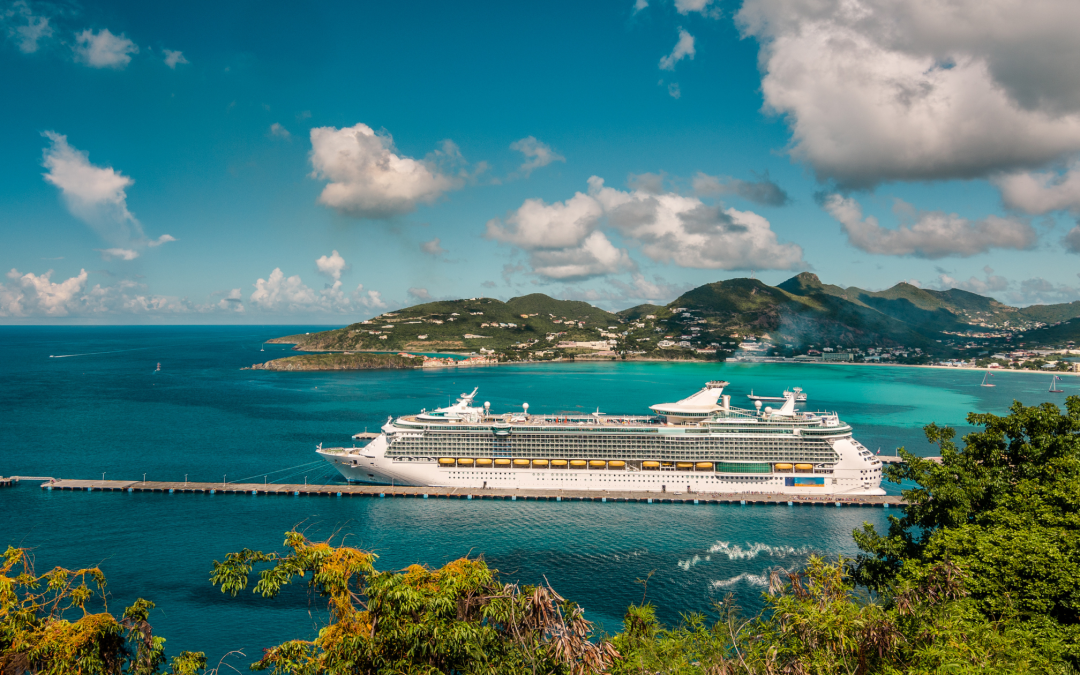
Cruise ships dock at Port St Maarten in Philipsburg, the main cruise port on the Dutch side of the island. As your ship approaches the harbour, you’ll see long stretches of white sand, colourful buildings along the waterfront and green hills rising behind the town.

It’s an immediate introduction to the Caribbean.

What makes St Maarten particularly appealing for cruise passengers is how flexible the port day can be. Within a short distance of the ship you’ll find:

• Walkable beaches
• Shopping streets and restaurants
• Easy island tours
• The famous low-flying planes at Maho Beach

Unlike some Caribbean ports where excursions are essential, St Maarten gives you options. You can spend the day exploring the island, relax on a beach within walking distance of the cruise port, or simply enjoy the lively atmosphere of Philipsburg.

Approach St Maarten expecting sunshine, sea views and a vibrant port town — and it rarely disappoints.

Where Is the St Maarten Cruise Port Located?

The St Maarten cruise port location is in Philipsburg, the capital of Sint Maarten on the Dutch side of the island.

Ships dock at Port St Maarten (Dr. A.C. Wathey Cruise & Cargo Facilities), which sits just outside the centre of town on Great Bay. The harbour is large and well organised, allowing several cruise ships to dock at the same time.

From the pier, Philipsburg stretches along a narrow strip of land between the Caribbean Sea and a lagoon. This creates a simple layout for visitors:

• The cruise port is at one end
• Great Bay Beach runs along the waterfront
• The main shopping street sits behind the beach

This makes St Maarten one of the easier Caribbean ports to navigate.

Most cruise passengers reach Philipsburg by either:

• Walking along the waterfront (around 15 minutes)
• Taking the water taxi from the cruise pier

Because the town, beach and port are so close together, many visitors find they don’t need organised excursions to enjoy their day here.

Is St Maarten Cruise Port Walkable?

Yes — St Maarten is one of the most walkable cruise ports in the Caribbean.

Once you leave the ship, you’ll pass through the cruise terminal area before reaching taxis, tour operators and the waterfront. From there it’s easy to reach Philipsburg and the beach without needing transport.

That said, it helps to understand the layout of the port area.


🛳 Port St Maarten Cruise Terminal

Right beside the pier you’ll find Port St Maarten Village, a purpose-built cruise complex designed for arriving passengers.

Here you’ll find:

• Shops and duty-free stores
• Cafés and bars
• Excursion desks
• Taxi stands

It’s organised and convenient, though it feels more like a cruise terminal than a local town.

Most visitors pass through here when leaving or returning to the ship.


🚶 Walking to Philipsburg

Philipsburg itself is very close to the cruise port.

You can walk from the pier to the centre of town in around 10–15 minutes along a flat waterfront road. The walk is straightforward and safe during the day, with plenty of other cruise passengers heading the same direction.

Once you reach town, the main area to explore is Front Street, which runs parallel to the beach and is lined with shops, restaurants and historic buildings.


🏖 Great Bay Beach

One of the biggest advantages of this port is how easy it is to reach a beach.

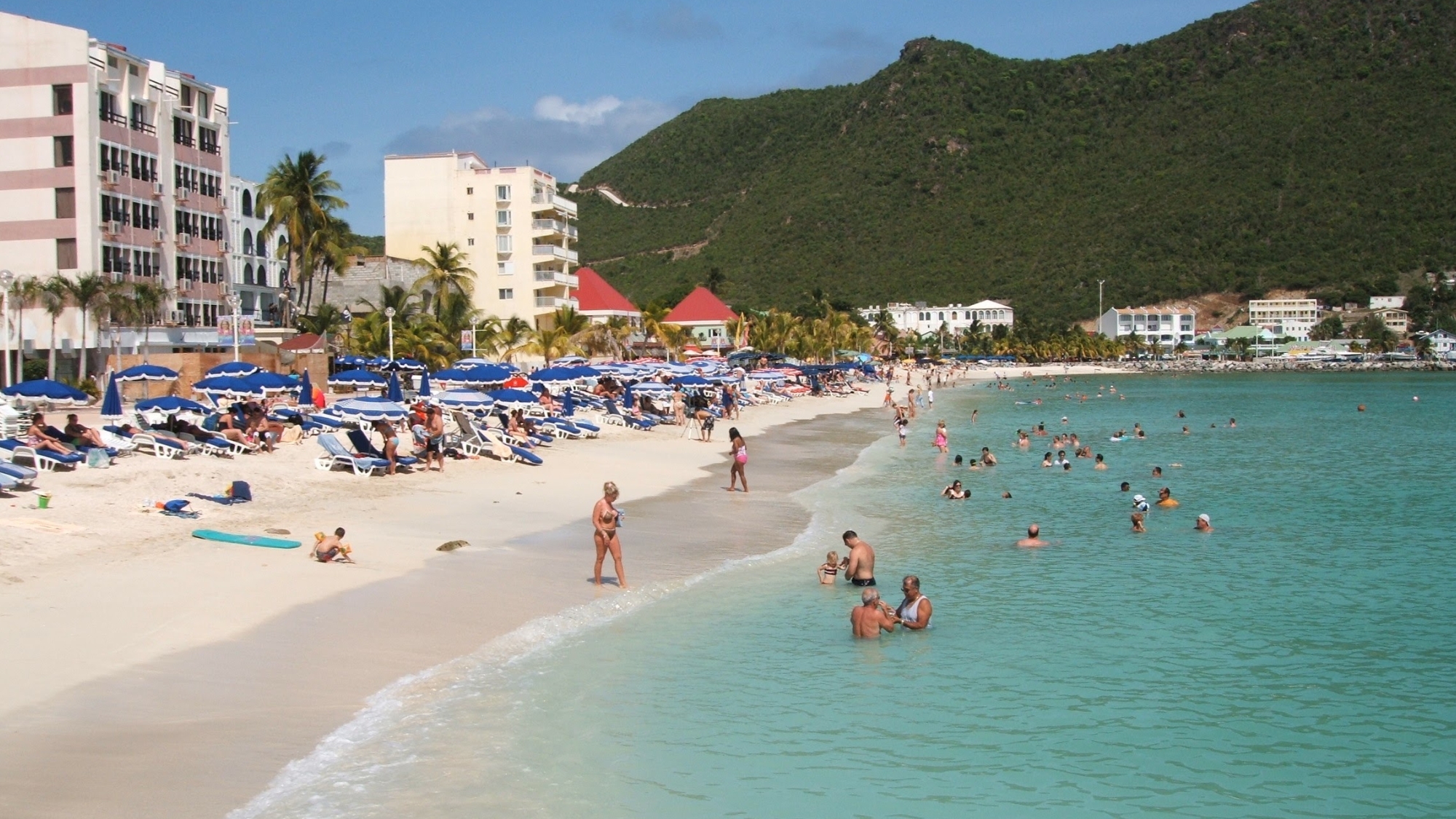
Great Bay Beach runs along the entire Philipsburg waterfront and is completely walkable from the cruise port. Within minutes of leaving the ship you can be swimming in clear Caribbean water or relaxing at a beach bar.

Many beach clubs along the promenade rent:

• Sun loungers
• Umbrellas
• Drinks and food service

It’s an ideal option if you want a relaxed beach day without travelling far.


The Bottom Line

St Maarten is one of the few Caribbean cruise ports where you can step off the ship and quickly reach:

• A beach
• A town
• Restaurants and bars

Transport is only really necessary if you want to explore further around the island.

Best Beaches Near St Maarten Cruise Port

One of the reasons St Maarten is such a popular cruise stop is the variety of beaches within easy reach of the port.

Some are within walking distance of the cruise terminal, while others require a short taxi ride across the island. Whether you’re looking for a simple beach day close to the ship or something a little more scenic, there are plenty of options.

Here are three of the most popular beaches for cruise visitors.


🏖 Great Bay Beach (Walkable from the Cruise Port)

Great Bay Beach is the easiest beach to reach from the cruise port.

Located directly beside Philipsburg, it’s only about a 10–15 minute walk from the cruise terminal. The beach runs along the entire waterfront, with beach bars, restaurants and loungers available along the promenade.

For many cruise passengers, this is the simplest way to enjoy a Caribbean beach without organising transport.


✈️ Maho Beach (Famous Plane Landings)

Maho Beach is one of the island’s most famous attractions.

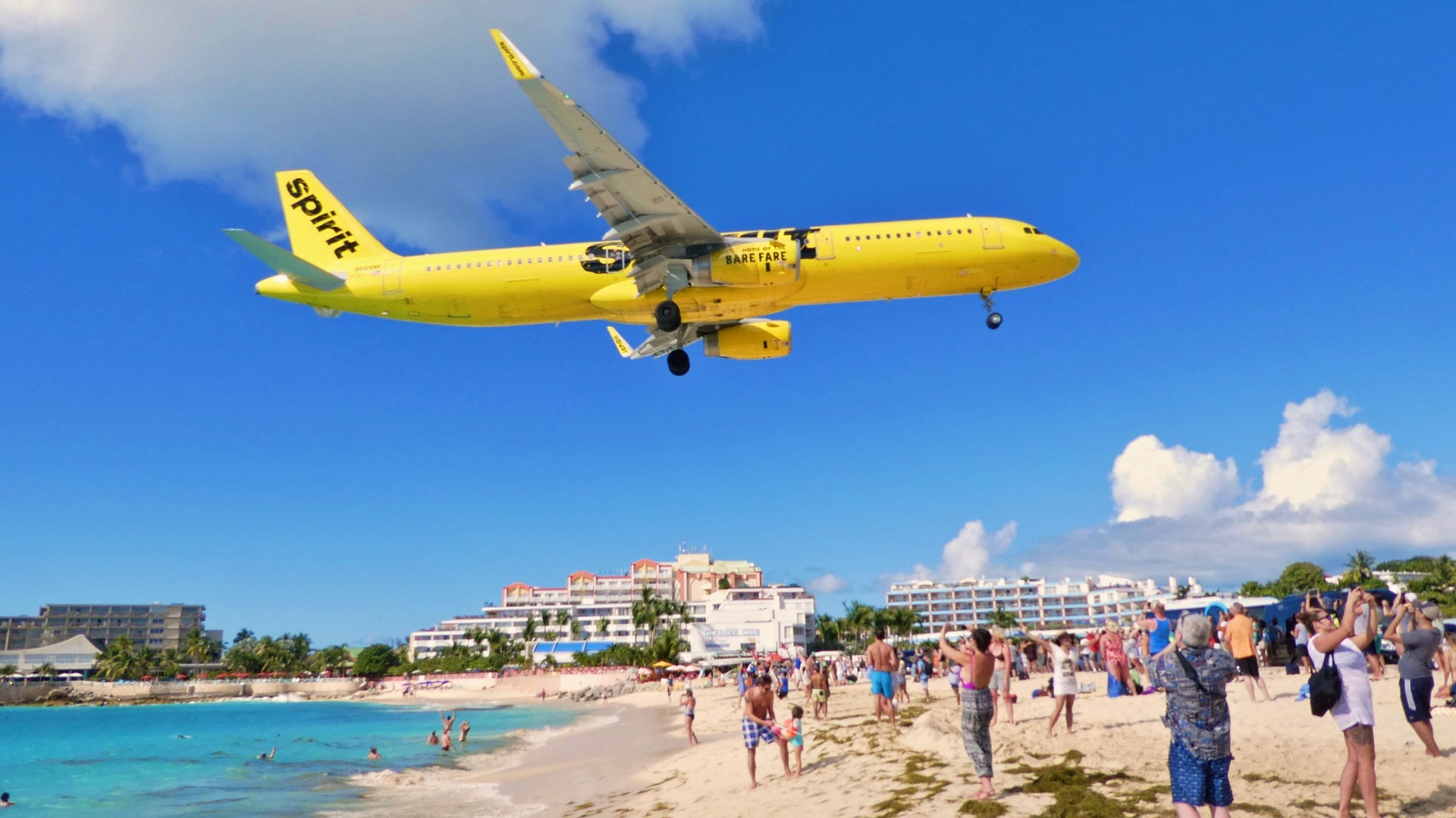
Located beside Princess Juliana International Airport, this small beach sits directly beneath the aircraft landing path. Large planes fly extremely low over the sand as they approach the runway, making it one of the most unusual beach experiences in the Caribbean.

It’s around 25 minutes by taxi from the cruise port.


🌴 Orient Bay (French Side)

Orient Bay is often considered one of the most beautiful beaches on the island.

Located on the French side, the beach is wide and sandy with clear turquoise water and a number of relaxed beach clubs and restaurants along the shore.

It’s about 30 minutes from the cruise port by taxi.


Looking for More Beach Options?

St Maarten has over 30 beaches, and choosing the right one can make a big difference to your cruise day.

👉 We’ve written a full guide to help you choose the best option: Best Beaches Near St Maarten Cruise Port

This guide covers:

• The easiest beaches to reach from the cruise port
• Which beaches are best for swimming
• Quieter alternatives to the busiest spots
• Which beaches work best on a short cruise stop

Image of sunbathers at Great Bay St Maarten

Great Bay Beach – Walking distance from the cruise port.

Best Things to Do in St Maarten from the Cruise Port

(Without Turning It Into a Marathon)

St Maarten offers plenty of activities for cruise visitors, but the island works best when you choose one or two highlights rather than trying to see everything in a single day.

Because the island is relatively small, most of the main attractions can be reached within 30 minutes of the cruise port. Whether you prefer beaches, scenery or something a little more unusual, there are several easy options for a cruise stop.

Here are some of the best things to do in St Maarten from the cruise port.


✈️ Watch Planes Land at Maho Beach

Maho Beach is one of the island’s most famous attractions and one of the most unusual beach experiences in the Caribbean.

Located beside Princess Juliana International Airport, the beach sits directly beneath the aircraft landing path. As planes approach the runway they pass extremely low over the beach, creating an unforgettable spectacle.

Visitors often gather at Sunset Beach Bar, where flight arrival times are posted so you can see when the largest aircraft will land.

Maho Beach is about 25 minutes by taxi from the cruise port, depending on traffic.

Image by neufal54 from Pixabay

🏖 Relax on Great Bay Beach

If you’d prefer a relaxed beach day close to the ship, Great Bay Beach is the easiest option.

Located beside Philipsburg, it’s only about a 10–15 minute walk from the cruise port. The beach stretches along the entire waterfront and is lined with beach bars, restaurants and loungers available to rent.

Many cruise visitors spend a few hours here swimming or enjoying lunch with a view of the harbour before returning to the ship.

It’s one of the simplest ways to enjoy St Maarten without organising transport.


🇫🇷 Visit the French Side of the Island

One of the unique aspects of St Maarten is that the island is divided between two countries.

The Dutch side (Sint Maarten) is where cruise ships dock, but a short drive across the island takes you to the French side (Saint-Martin), which has a noticeably different atmosphere.

The capital of the French side is Marigot, a relaxed waterfront town with:

• Cafés and bakeries
• Local markets
• Marina views
• French-style restaurants

It’s a good option if you want to see a slightly different side of the island during your visit.

Marigot Harbor on the French side of the island.

🚐 Take a Scenic Island Tour

Island tours are one of the most popular St Maarten cruise port excursions, especially for first-time visitors.

Because the island is small, these tours can cover several highlights in a few hours, including:

• Scenic viewpoints overlooking the harbour
• Stops on both the Dutch and French sides
• Beach visits such as Maho or Orient Bay
• Photo stops along the coastal roads

These tours give a good overview of the island and help you understand the geography of St Maarten.

🛍 Explore Philipsburg

Philipsburg itself is worth exploring for an hour or two.

The main shopping area is Front Street, which runs parallel to Great Bay Beach and is known for its duty-free stores, jewellery shops and boutiques.

Behind it sits Back Street, which has a slightly more local feel with smaller shops and cafés.

Even if you’re not planning a major shopping trip, it’s a pleasant place to wander before heading to the beach.


Choosing the Right Plan

St Maarten offers several appealing options, but trying to combine Maho Beach, multiple beaches and an island tour in one day can make the visit feel rushed.

Most cruisers find the day works best when they choose one main activity, such as:

• A beach day in Philipsburg
• Visiting Maho Beach
• A short island tour

Then enjoy the rest of the time exploring the waterfront or relaxing before returning to the ship.

Practical Tips for Visiting St Maarten on a Cruise

A cruise stop in St Maarten is usually straightforward, but a little planning can make the day run much more smoothly. Knowing how transport works, where the port is located and how busy the island can get will help you make the most of your time ashore.


📍 Check Your Docking Location

Cruise ships dock at Port St Maarten, located just outside the centre of Philipsburg.

This is the island’s main cruise port and can accommodate several large ships at once. Because ships dock directly at the pier, tender boats are rarely required.

From the cruise terminal you can easily:

• Walk to Philipsburg
• Catch a water taxi into town
• Take a taxi to beaches around the island

The layout is simple, which makes St Maarten one of the easier Caribbean cruise ports to navigate.


🚕 Taxis & Getting Around

Taxis are readily available just outside the cruise terminal.

Many drivers operate shared taxi vans that run to popular destinations such as Maho Beach, Orient Bay and Marigot. These shared taxis are common for cruise visitors and are usually quicker to fill than waiting for a private ride.

A few things to know:

• Fares are typically based on the number of people in your group rather than per vehicle
• Prices are usually fixed depending on destination
• Always confirm the price before setting off

Licensed Taxis – What to Look For
Use only official taxis:
– License plate starts with ‘TAXI’
– Driver displays valid permit
– Fare zone chart available upon request

🚕 St Maarten Taxi Fares from the Cruise Port (Typical Prices)

Taxi fares in St Maarten are generally fixed by destination and charged per person. Prices may vary slightly depending on traffic or group size, but these are the typical official rates from the cruise port.

Taxi Fares to/from St Maarten Cruise Port

Destination 1–2 People (Total Fare) 3–5 People (Per Person) 6+ People (Per Person)
Philipsburg (Boardwalk) $10 $4 $3
Little Bay $10 $5 $5
Simpson Bay $20 $8 $7
Cole Bay $18 $8 $7
Airport (SXM) $25 $9 $8
Maho Beach $25 $9 $8
Mullet Bay $25 $10 $9
Cupecoy $30 $12 $10
For most cruise visitors, taxis are the simplest way to reach beaches and other attractions across the island.

🚤 Water Taxi: St. Maarten Cruise Port to Philipsburg

The water taxi is the most popular way to reach the city center. Follow signs from your ship to the water taxi pier (approx. a 10-minute walk).

Pricing & Payment

  • Adults: $7 (Roundtrip/All-day)

  • Children (under 3): Free
  • Payment: Cash (USD) or Credit Card accepted at the pier booth.

Quick Info

  • Proof of Payment: You will receive a paper wristband after purchasing your ticket.

  • Accessibility: Boats are wheelchair accessible; confirm specific boarding needs at the booth.

  • Location: Service runs between the Cruise Dock and Captain Hodge Pier in downtown Philipsburg.

Water Taxi Operating Hours

  • Start Time: 8:00 AM / 8:30 AM (or whenever the first major ships dock).

  • End Time: 5:00 PM / 5:30 PM (or until the last ship of the day is scheduled to depart).

Important Timing Tips:

  • Frequency: There isn’t a strict “minute-by-minute” schedule. The boats generally wait until they have a decent number of passengers and then depart, usually every 15–20 minutes.

  • The “Last Call”: If your ship has a late departure (e.g., 8:00 PM), do not assume the water taxi will run that late. They typically stop service shortly after the “main” group of ships leaves in the late afternoon.

  • Backup Plan: If you miss the last water taxi, a land taxi from Philipsburg back to the Cruise Port is only about $10 for 1–2 people and takes 5–10 minutes.


☀️ Heat, Sun & Hydration

The Caribbean sun can be surprisingly strong, even on cloudy days.

If you’re planning to spend time at the beach or exploring the island, it’s worth bringing:

• Sunscreen
• A hat
• Water

Shade can be limited on some beaches, especially around midday.


💵 Currency & Payments

On the Dutch side of the island the official currency is the Netherlands Antillean guilder, though in practice US dollars are widely accepted everywhere.

Most restaurants, beach clubs and shops also accept credit cards.

English is widely spoken across the island, so communication is rarely an issue for visitors.


🧭 Pace Your Day

St Maarten is one of the busiest cruise ports in the Caribbean, and it’s not unusual for several ships to be in port on the same day.

Starting your day early can help you avoid crowds, especially if you’re planning to visit places like Maho Beach.

As with any cruise port, it’s also wise to allow plenty of time to return to the ship — particularly if you’re travelling across the island.

📒 Our Cruise Planner Makes Port Days Easier

Planning a cruise involves a lot of moving parts — flights, hotels, excursions, packing lists and port day ideas.

Our High Seas Escapades Cruise Planner was created to keep everything organised in one place so you can actually enjoy the countdown to your trip.

Perfect for planning stops like St Maarten, where you might be choosing between beaches, island tours or exploring Philipsburg.

👉 See what’s inside the Cruise Planner

Who St Maarten Suits Best

St Maarten is one of the Caribbean’s most versatile cruise ports. The combination of beaches, town exploration and scenic drives means it appeals to a wide range of travellers.


✔ First-Time Caribbean Cruisers

If this is your first cruise to the Caribbean, St Maarten is a great introduction.

The island offers a little bit of everything — beautiful beaches, lively waterfront towns and easy island tours — without requiring complicated logistics.

It’s the kind of port where you can simply step off the ship and start exploring.


✔ Beach Lovers

St Maarten is particularly appealing if your ideal port day involves spending time by the sea.

Several beaches are easy to reach from the cruise port, and Great Bay Beach can even be reached on foot from Philipsburg. Others, like Orient Bay or Mullet Bay, are only a short taxi ride away.

For many visitors, a beach day is the highlight of their stop here.


✔ Plane Spotters & Unique Experiences

Few cruise ports offer something quite as unusual as Maho Beach, where large aircraft pass dramatically low over the beach as they approach the runway.

Watching the landings has become one of the island’s most famous attractions and draws visitors from around the world.


✔ Travellers Who Prefer Flexible Plans

St Maarten works well if you like having options.

You can:

• Spend the day at the beach
• Explore Philipsburg
• Take a short island tour
• Visit the French side

Because distances are relatively short, it’s easy to adjust your plans depending on your mood or how long your ship is in port.


It May Suit Less If You’re…

Looking for a very quiet or secluded island experience.

St Maarten is lively and popular with cruise ships, particularly during the winter season. On busy days the port area and some beaches can feel quite active.

If you prefer quieter Caribbean destinations, some of the smaller islands may feel more relaxed.


Final Thought

St Maarten is one of those cruise ports that offers a little bit of everything.

You can relax on a beach within walking distance of the ship, watch planes land dramatically at Maho Beach or explore both the Dutch and French sides of the island in a single day.

The key is not trying to do too much.

Choose one main experience, allow yourself time to enjoy it and leave space to simply soak up the Caribbean atmosphere before heading back to the ship.

Approached that way, St Maarten is a port that many cruisers enjoy returning to again and again.

What Makes A Good First Cruise?

What Makes A Good First Cruise?

Introduction

Booking your first cruise is exciting — but it can also be overwhelming. With so many itineraries, ship sizes and cruise lengths available, it’s easy to assume that any sailing will give you a fair taste of what cruising is like.

The reality is a little more nuanced.

Some cruises showcase the best of cruise life. Others represent very specific styles of sailing that may not reflect the experience most people associate with cruising.

Your first cruise shapes your perception. It’s worth choosing one that gives cruising a fair chance.

Why Your First Cruise Matters

Cruising has its own rhythm.

It takes a day or two to settle in. You learn how dining works, how the onboard account functions, how sea days feel, and how the flow between ship and port comes together.

If your first cruise is too short, too intense or unusually structured, you may walk away thinking:

“This isn’t for me.”

When in reality, you may simply have chosen an outlier experience.

Why Very Short Cruises Can Be Misleading

Three- and four-night cruises are often marketed as ideal “tasters.”

They can be fun, energetic and social — but they’re not always representative.

Short sailings often:

  • Attract celebratory groups

  • Have a higher party atmosphere

  • Feel compressed and fast-paced

  • Leave little time to fully explore the ship

There’s absolutely nothing wrong with that style of cruise. For many, it’s exactly what they’re looking for.

But if you’re trying to understand what cruise life is generally like, a short mini sailing may not provide the most balanced introduction.

Why Very Long Sailings Aren’t Always Ideal Either

At the other end of the spectrum are long repositioning cruises or transatlantic crossings.

These can be wonderful experiences — relaxed, sea-day focused and often excellent value per night.

But they’re also quite specific in tone:

  • Many consecutive sea days

  • Slower pace

  • Different onboard demographic

  • Less port variety

For experienced cruisers, they can be fantastic.

For a first-time cruiser, they may feel like a deep end introduction.

The Sweet Spot: A Balanced 7–10 Night Sailing

For many first-time cruisers, 7–10 nights often feels like the right balance.

It’s long enough to:

  • Experience both sea days and port days

  • Settle into the rhythm of life onboard

  • Try different dining venues

  • Explore the ship without feeling rushed

But it’s not such a major commitment that it feels overwhelming.

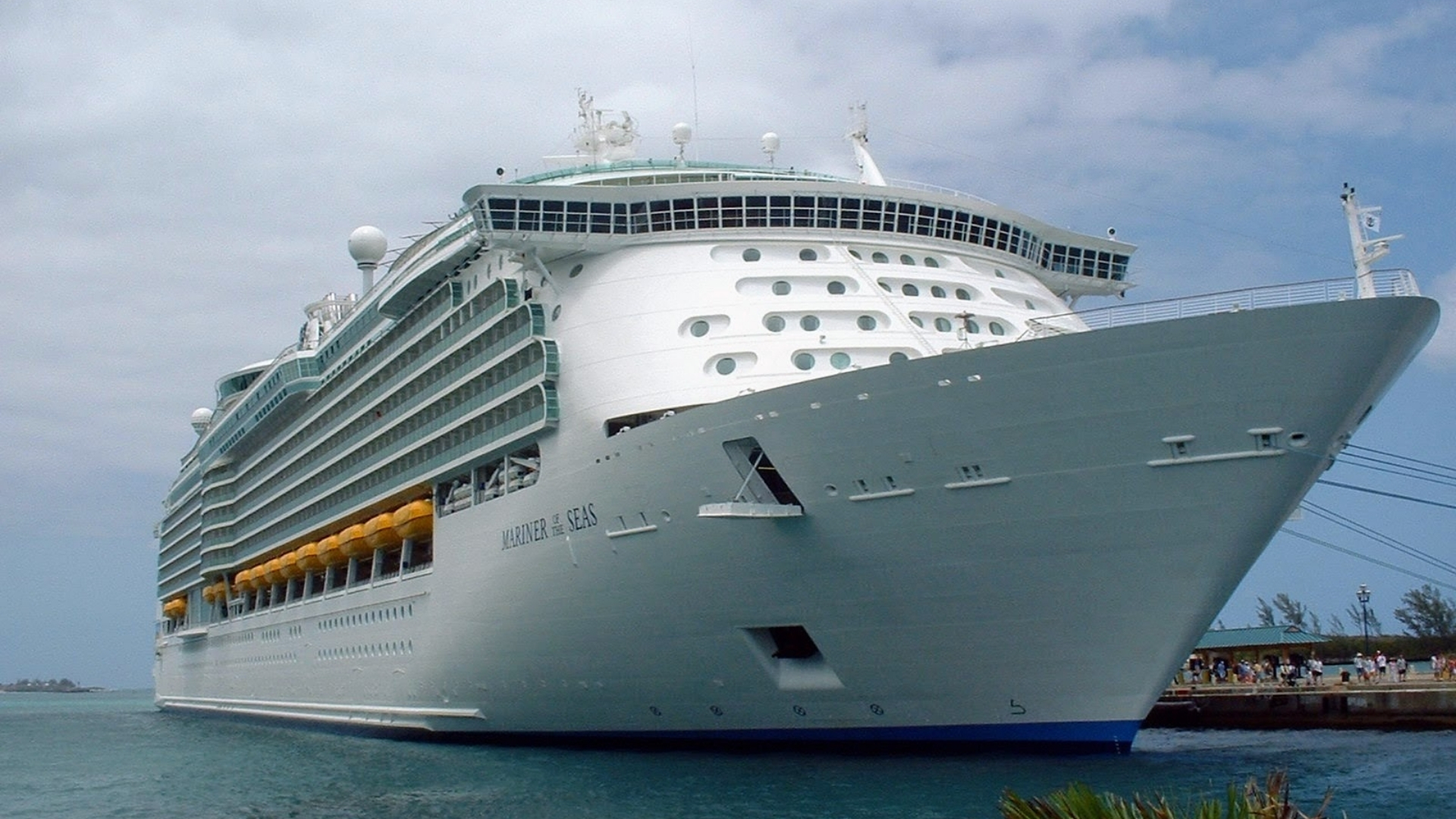
Our first cruise was a 7-night Western Caribbean sailing onboard Mariner of the Seas from Port Canaveral. For us, that length and style felt ideal — structured enough to feel organised, relaxed enough to unwind, and varied enough to understand what cruising is really about.

There’s often something special about your first ship too. Many cruisers develop a soft spot for the vessel that introduced them to this style of travel — we’ve sailed on Mariner several times since.

Look for a Balanced Itinerary

A good first cruise often includes a mix of sea days and ports.

Too many sea days in a row can feel repetitive if you’re not yet used to ship life. Too many consecutive ports can feel rushed.

Popular first-cruise regions often work well because they’re designed for accessibility and variety:

  • Western Caribbean

  • Eastern Caribbean

  • Western Mediterranean

These itineraries typically offer a blend of relaxing sea time and interesting destinations without extreme pacing.

Don’t Overthink Ship Size

There’s a common belief that bigger ships are better for beginners — or that smaller ships are calmer and therefore more suitable.

In reality, it depends on what you enjoy.

Larger ships tend to offer:

  • More dining venues

  • Bigger production shows

  • Greater activity variety

Smaller ships often provide:

  • A quieter atmosphere

  • Fewer crowds

  • Easier navigation

Neither is objectively better. The key is choosing a ship style that aligns with your travel personality.

A Good First Cruise Should Feel Representative

The goal of a first cruise isn’t to find the cheapest option or the most extreme itinerary.

It’s to experience cruise life in a way that reflects what most sailings are actually like.

Balanced length.
Balanced itinerary.
Balanced onboard atmosphere.

When your first cruise feels representative rather than extreme, you’re far more likely to walk away thinking:

“Yes — I’d do that again.”

A well-chosen first cruise rarely happens by accident. A few small decisions — length, itinerary and atmosphere — make all the difference.

Before You Book: A Quick First-Cruise Checklist

If you’re planning your first cruise, run through these questions before you click “confirm”:

  • Is the sailing at least 7 nights long?

  • Does the itinerary include a mix of sea days and port days?

  • Does the overall atmosphere match what I’m actually looking for (relaxed, lively, family-focused, etc.)?

  • Am I choosing this cruise because it’s representative — or simply because it’s the cheapest option?

  • Would I still enjoy this itinerary if the weather changed or a port was missed?

If you can answer those comfortably, you’re likely choosing a cruise that gives you a fair and balanced introduction to life at sea.

And once you’ve experienced that rhythm for yourself, everything else about cruising starts to make sense…

Where to Go From Here

Stavanger Cruise Port

Stavanger Cruise Port

🚢 Where Your Cruise Ship Docks in Stavanger

Stavanger is one of the easiest Norwegian ports to navigate.

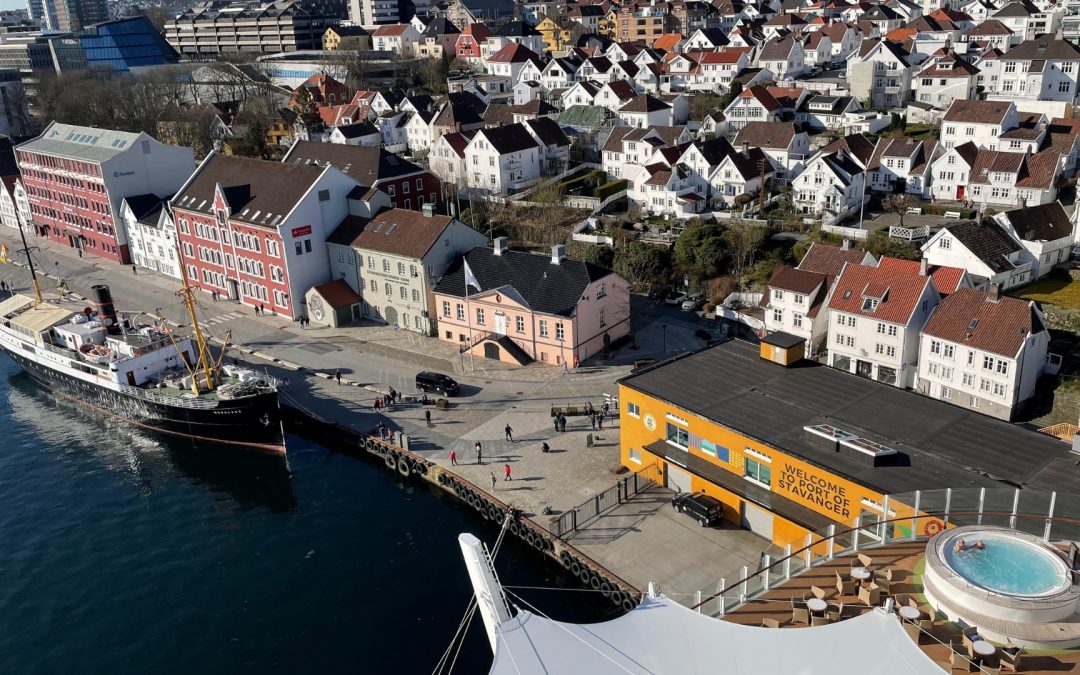
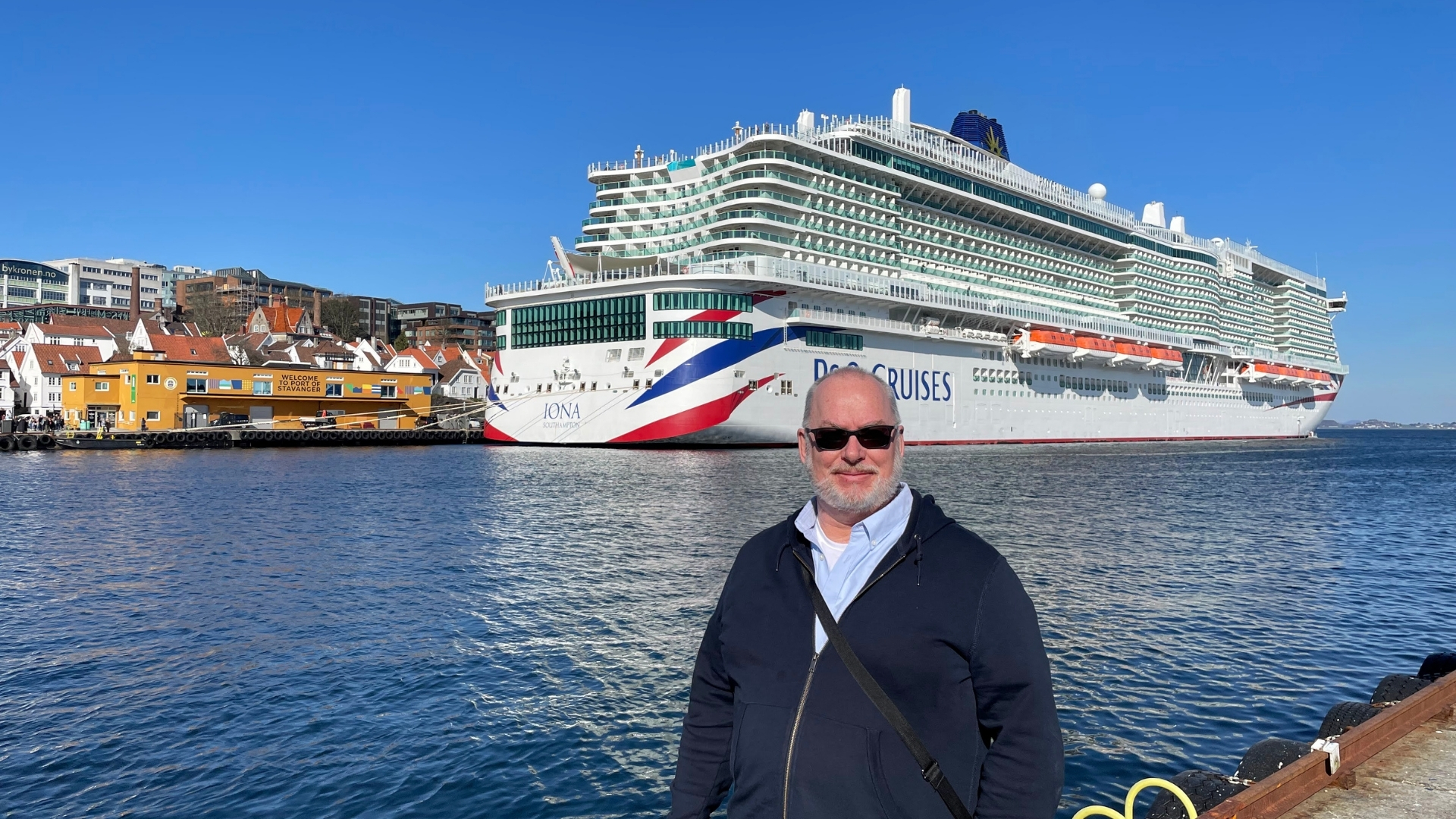
Cruise ships dock right in the city centre at Vågen harbour. When we arrived on P&O Iona, we stepped off the ship and were immediately on the waterfront — no shuttle buses, no long walks, no transfers required.

From the terminal area, you’re just minutes from:

  • Strandkaien harbour promenade

  • Stavanger Cathedral

  • The pedestrian shopping streets

  • Byparken and the city lake

  • Gamle Stavanger (Old Town)

It’s genuinely one of those ports where you can decide your plan after you disembark.

🌊 Exploring Stavanger on Foot (Our Easy Spring Walk)

We visited in April 2022 in glorious spring sunshine — the kind of crisp, bright day that makes Norway feel fresh rather than cold.

Instead of booking an excursion, we chose to explore independently.

And judging by the lunchtime queue back at the ship… we weren’t alone.

Eating out in Norway is famously expensive, and many cruisers seemed to be taking the same approach: enjoy a relaxed morning ashore, grab a coffee, take photos — then return to the ship for lunch.

Stavanger makes that easy.

1️⃣ Harbour Stroll Along Strandkaien

We began by walking along Strandkaien, the colourful harbourfront lined with restaurants and old wooden buildings.

Fishing boats bobbed in the water. The air felt clean and still. Even though it was Easter Sunday and many shops were closed, souvenir stores and cafés were open, and the town had a relaxed, unhurried feel.

There’s something very satisfying about simply wandering here — especially on a calm day.


2️⃣ Byparken & the Lake

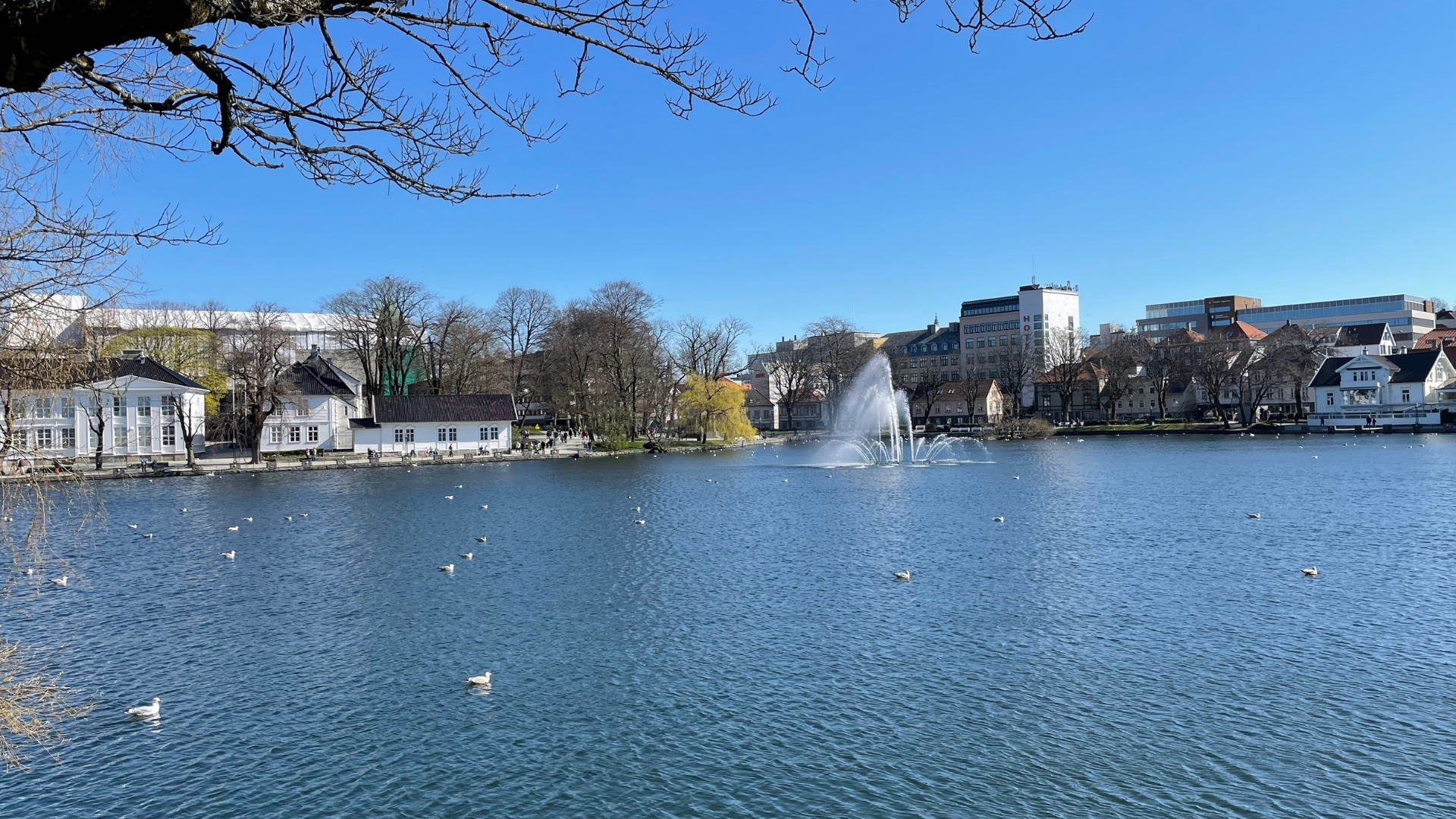
From the harbour, we made our way to Byparken, a green space wrapped around Breiavatnet lake.

This turned out to be one of the highlights of our visit.

We circled the lake slowly, stopping to watch ducks, geese and water birds glide across the water. It felt peaceful and local — not like a “tourist attraction,” just everyday Norwegian life unfolding.

If your cruise has been busy or excursion-heavy, this is a lovely reset moment.


3️⃣ Gamle Stavanger (Old Town)

Eventually, we wandered into Gamle Stavanger — and this is where the city really charmed us.

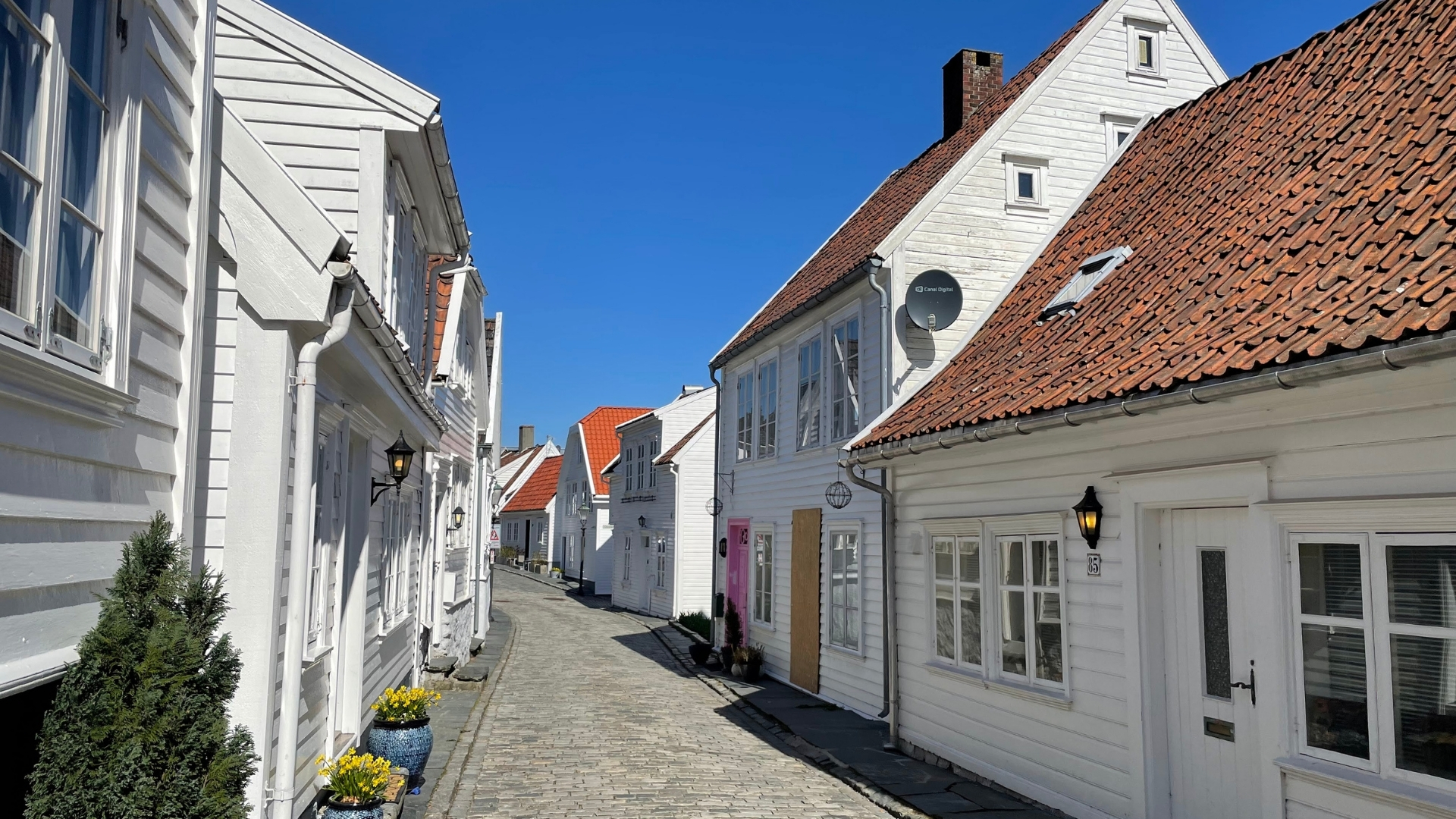
Rows of white wooden houses line narrow cobbled streets, many dating back to the 18th and 19th centuries. It feels almost impossibly picturesque.

It’s compact, easy to explore, and wonderfully photogenic.

Take your time here. This isn’t a place to rush.


4️⃣ Back to the Ship for Lunch

After coffee and a final wander, we made our way back to the ship for a late lunch.

No stress.
No tight schedule.
Just a gentle introduction to Norway.

And honestly? For a first visit to the region, it felt exactly right.


💰 Is Stavanger an Expensive Port?

Short answer: it can be.

Norway isn’t known for budget dining, and restaurant prices can surprise first-time visitors. That’s one reason many cruisers choose to:

  • Explore on foot

  • Stop for coffee rather than a full meal

  • Return to the ship for lunch

If your itinerary includes multiple Norwegian ports, pacing your spending here makes sense.

The good news? Stavanger’s best highlights — the harbour, Byparken, and Gamle Stavanger — are completely free.

🏔 Top Things to Do in Stavanger (Beyond a Harbour Stroll)

While we chose a relaxed, self-guided day, Stavanger is also one of Norway’s best-known adventure gateways. If you’re looking for something more structured or dramatic, there are plenty of options.

Here are the highlights most cruisers consider.


🥾 Hike to Pulpit Rock (Preikestolen)

This is Stavanger’s headline attraction.

The hike to Preikestolen (Pulpit Rock) takes you to a flat cliff plateau towering 604 metres above Lysefjord. It’s one of Norway’s most photographed viewpoints.

Important to know:

  • It’s a half-day commitment

  • The hike itself takes around 4–5 hours round trip

  • Transport to the trailhead is required

  • Weather conditions matter

It’s spectacular — but it’s not a casual stroll. Only consider it if you’re confident with moderate hiking and your ship has a long port call.


🚤 Lysefjord Boat Cruise

If hiking isn’t your thing, a fjord cruise is a gentler way to experience Norway’s dramatic landscapes.

Boat tours typically pass:

  • Sheer cliff faces

  • Waterfalls cascading into the fjord

  • Pulpit Rock from below

This is a strong option if you want scenery without the physical effort.

🏛 Norwegian Petroleum Museum

Stavanger has long been associated with Norway’s oil industry, and this modern museum offers interactive exhibits explaining the country’s offshore energy history.

It’s surprisingly engaging — especially if:

  • The weather turns wet

  • You prefer indoor attractions

  • You enjoy contemporary history


⛪ Stavanger Cathedral

Just steps from the harbour, Stavanger Cathedral dates back to the 12th century and is one of Norway’s oldest churches.

It’s small but atmospheric and easy to include as part of a walking route through the city centre.


📸 Valbergtårnet (Watchtower)

For elevated views over the harbour and city rooftops, Valbergtårnet offers a short uphill walk and rewarding perspective.

It’s a quick addition if you want a slightly different angle on the town without committing to a full excursion.


🌿 Keep It Simple

And then there’s the option we chose:

  • Harbour walk

  • Coffee stop

  • Byparken

  • Gamle Stavanger

  • Back to the ship

Not every Norwegian port has to be an adrenaline day.

Sometimes, simply enjoying the scale of the place — the wooden houses, the still water, the crisp air — is enough.

🗺 A Perfect 4–6 Hour Stavanger Cruise Plan

This plan is ideal for:

  • First-time visitors

  • Those not booking a long excursion

  • Anyone wanting a relaxed Norwegian port day

It combines the highlights with breathing space.


🕘 9:00am – Step Straight Into the Harbour

Stavanger’s biggest advantage is its location. From the cruise dock, you’re already in the city centre.

Begin with a slow walk along Strandkaien, taking in:

  • Colourful waterfront buildings

  • Fishing boats and harbour views

  • Early-morning light on the water

Allow 30–45 minutes.


🌿 9:45am – Byparken & Breiavatnet Lake

From the harbour, head to Byparken.

Circle the lake, pause on a bench, and enjoy a quiet reset before the day gets busier. In spring and summer, it’s full of birds and feels distinctly local.

Allow around 30–40 minutes.

☕ 10:30am – Coffee Stop

Stavanger has several small cafés near the harbour and central streets.

Given Norwegian prices, many cruisers opt for coffee and cake rather than a full lunch ashore.

This is a good moment to decide:

  • Continue wandering?

  • Add a museum?

  • Head towards Gamle Stavanger?

🏘 11:15am – Gamle Stavanger (Old Town)

Gamle Stavanger is one of the best-preserved wooden house districts in Northern Europe, with more than 170 white-painted houses dating back to the 18th and 19th centuries.

Originally built for fishermen and workers, the area is now protected and carefully maintained. Flower boxes, cobbled lanes and tiny galleries give it a slightly storybook feel — but it never feels artificial.

It’s not large. You don’t need a map. Just wander.

If you enjoy:

  • Photography

  • Quiet residential streets

  • Historic character without crowds

…it’s absolutely worth your time.

Allow 45–60 minutes at an unhurried pace.

⛪ Optional: Stavanger Cathedral

Just off the main harbour area, Stavanger Cathedral dates back to around 1125 and is one of Norway’s oldest churches.

It’s relatively small, so a visit doesn’t require much time — but if you appreciate medieval architecture and quiet interiors, it’s an easy addition to your walking route.

Allow 15–20 minutes.


📸 Optional: Valbergtårnet (The Watchtower)

Valbergtårnet is a former 19th-century watchtower overlooking the harbour.

The walk up is short but slightly uphill, and from the top you get a clear view over Vågen harbour and the cruise ships docked below — which makes it particularly satisfying on a port day.

It’s not dramatic fjord scenery, but it does offer:

  • A different perspective on the city

  • A quick photo opportunity

  • A sense of Stavanger’s compact layout

If you enjoy elevated viewpoints but don’t want a full excursion, this is a good compromise.

Allow 20–30 minutes including the climb.

🕛 Early Afternoon – Return to the Ship for Lunch

Depending on how many stops you include, you’ll likely be heading back to the ship sometime between 12:30pm and 2:00pm.

If you’re conscious of budget (and many are), returning onboard for lunch makes perfect sense — especially in Norway, where dining out can be expensive.

Stavanger’s compact layout means you can enjoy a full morning ashore — even with a few optional additions like the cathedral or watchtower — and still be back well before all-aboard time.

There’s no rush here. That’s part of Stavanger’s charm.

✔ Who Stavanger Suits Best

Stavanger is one of Norway’s most approachable cruise ports.

It works particularly well for cruisers who prefer:

🚶 Independent Explorers

You step off the ship directly into the city centre. No tenders. No transfers. No transport planning required.

If you enjoy simply wandering at your own pace — harbour walks, quiet streets and café stops — Stavanger makes that effortless.


🌿 Slow Travellers

Not every Norwegian port has to be about dramatic hikes or full-day excursions.

Stavanger is ideal if you want:

  • A gentle introduction to Norway

  • A relaxed morning ashore

  • Scenic charm without a packed schedule

It’s perfectly possible to have a satisfying 4–5 hour visit without booking anything at all.


📸 Photographers & Architecture Lovers

Gamle Stavanger’s white wooden houses, colourful harbour buildings and still waterfront reflections make it a quietly photogenic stop.

It’s less about jaw-dropping scale and more about atmosphere.


🧳 Budget-Conscious Cruisers

Norway is not inexpensive — and many visitors quickly notice restaurant prices.

Stavanger is compact enough that you can:

  • Explore on foot

  • Stop for coffee

  • Return to the ship for lunch

…without feeling like you’ve missed out.


Who It May Suit Less

Stavanger may feel underwhelming if:

  • You’re expecting towering fjord scenery right from the dock

  • You only enjoy high-adrenaline excursions

  • You want a “bucket list” landmark without committing to a longer trip (like Pulpit Rock)

While dramatic landscapes are nearby, they require planning and time.

The city itself is charming, compact and understated rather than spectacular.

Stavanger Cruise Port FAQs

Where do cruise ships dock in Stavanger?

Cruise ships dock directly in Vågen harbour, right in the city centre. You can walk straight from the ship to the waterfront promenade and main attractions — no shuttle buses required.

Can you explore Stavanger on foot?

Yes — and many cruisers do.

The harbour, cathedral, Byparken and Gamle Stavanger are all within easy walking distance of the cruise terminal. It’s one of Norway’s most manageable ports for independent exploration.

Is Stavanger expensive?

Norway is generally considered expensive, particularly for food and drink. Many cruisers choose to enjoy a coffee ashore and return to the ship for lunch.

The good news is that Stavanger’s main highlights — harbour walks, Gamle Stavanger and the park — are completely free.

Is Pulpit Rock worth it on a cruise stop?

Pulpit Rock (Preikestolen) is spectacular, but it’s a half-day commitment requiring transport and a 4–5 hour round-trip hike.

It’s worth considering if you have a long port call and are comfortable with moderate hiking — but it’s not a casual add-on.

How long do you need in Stavanger?

You can comfortably explore the city centre in 4–6 hours.

If you plan a fjord cruise or hike to Pulpit Rock, you’ll need a longer port day and careful time management.

Is Stavanger a tender port?

No. Ships dock directly at the harbour, making disembarkation straightforward.

🇸🇪 Plan Your Scandinavia & Baltic Cruise

If your cruise is visiting Scandinavia, the Baltic or Northern Europe’s fjords, these guides will help you plan smarter and explore with confidence:

🧳 Planning Essentials

Get Your FREE Cruise Packing List

Pack like a pro! Subscribe and we’ll send you our printable cruise packing checklist plus handy cruise tips.

No spam, no inbox overload — just useful cruise inspiration.

Anchors aweigh! You’re officially part of the Escapaders crew 🎉