Kotor Cruise Port – What to Expect on a Cruise Day
Sailing into Kotor is not your average port arrival.
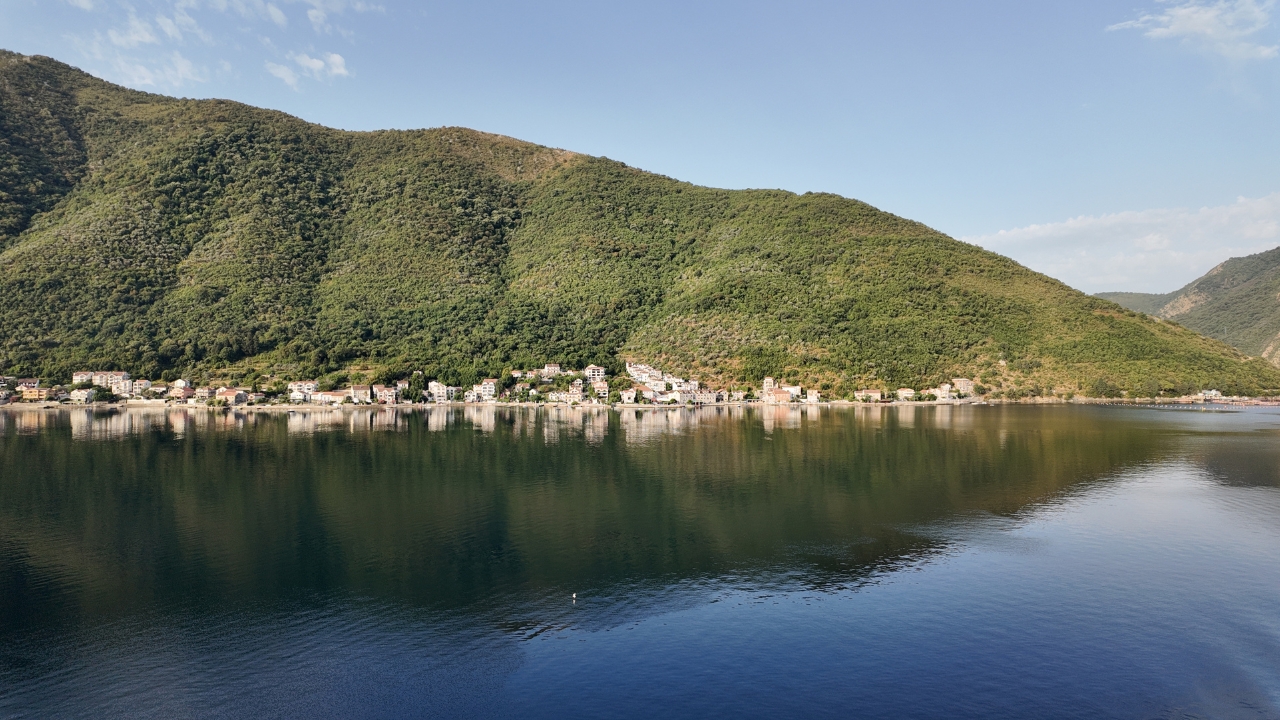
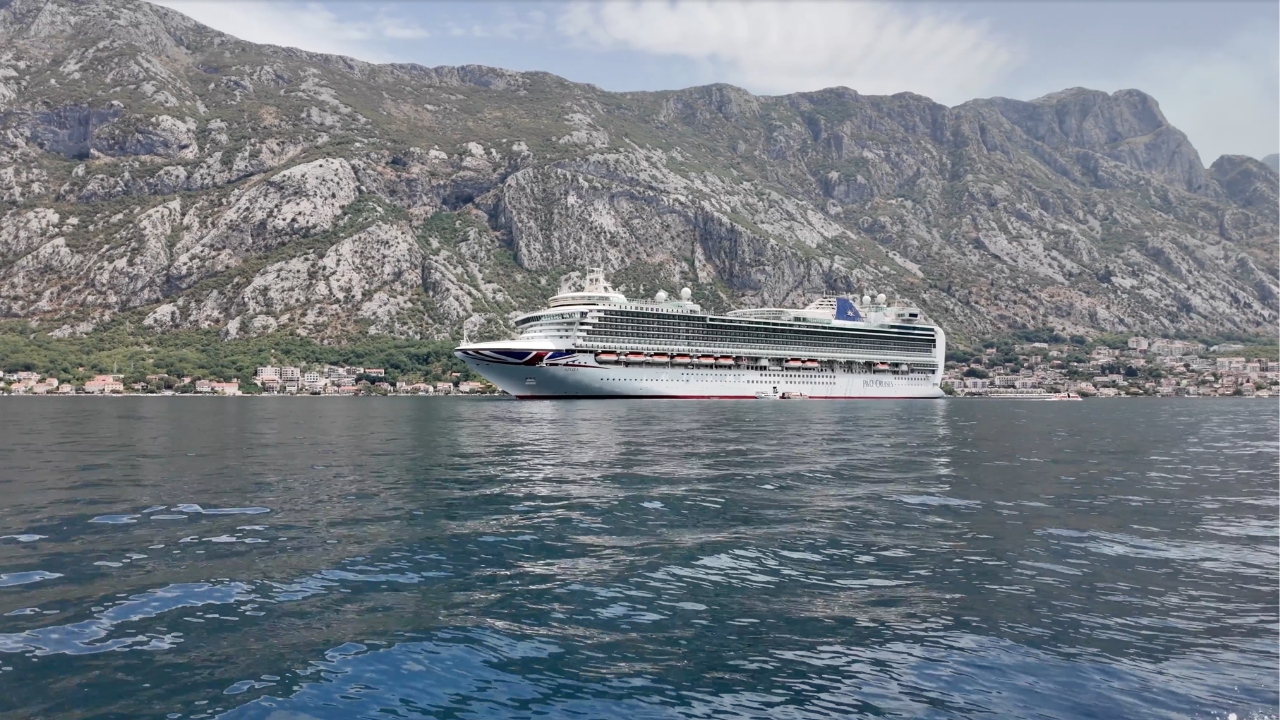
When we visited in July 2025 onboard P&O Azura, it wasn’t the town that impressed us first — it was the approach. The ship glided slowly through the Bay of Kotor in the early morning light, mountains rising steeply on both sides, the water glassy and still. It feels almost fjord-like — dramatic, enclosed and unexpectedly peaceful.
By the time the Old Town finally comes into view, tucked beneath towering limestone cliffs, you’ve already had one of the best sail-ins in Europe.
Kotor itself is compact, atmospheric and far easier to navigate than some larger Mediterranean ports. But like Dubrovnik, timing still matters. Cruise days can be busy, particularly when multiple ships are tendering passengers ashore.
The good news?
Once you’re off the ship, you’re practically steps from the Old Town gates. No long transfers. No complicated logistics. Just stone streets, medieval squares and mountain views straight ahead.
Kotor isn’t about racing between major landmarks. It’s about soaking up the scenery — and deciding whether to climb high above the bay or drift quietly out onto the water instead.
With a little planning, it makes for one of the most memorable stops on an Eastern Mediterranean itinerary.
Kotor Cruise Port Overview
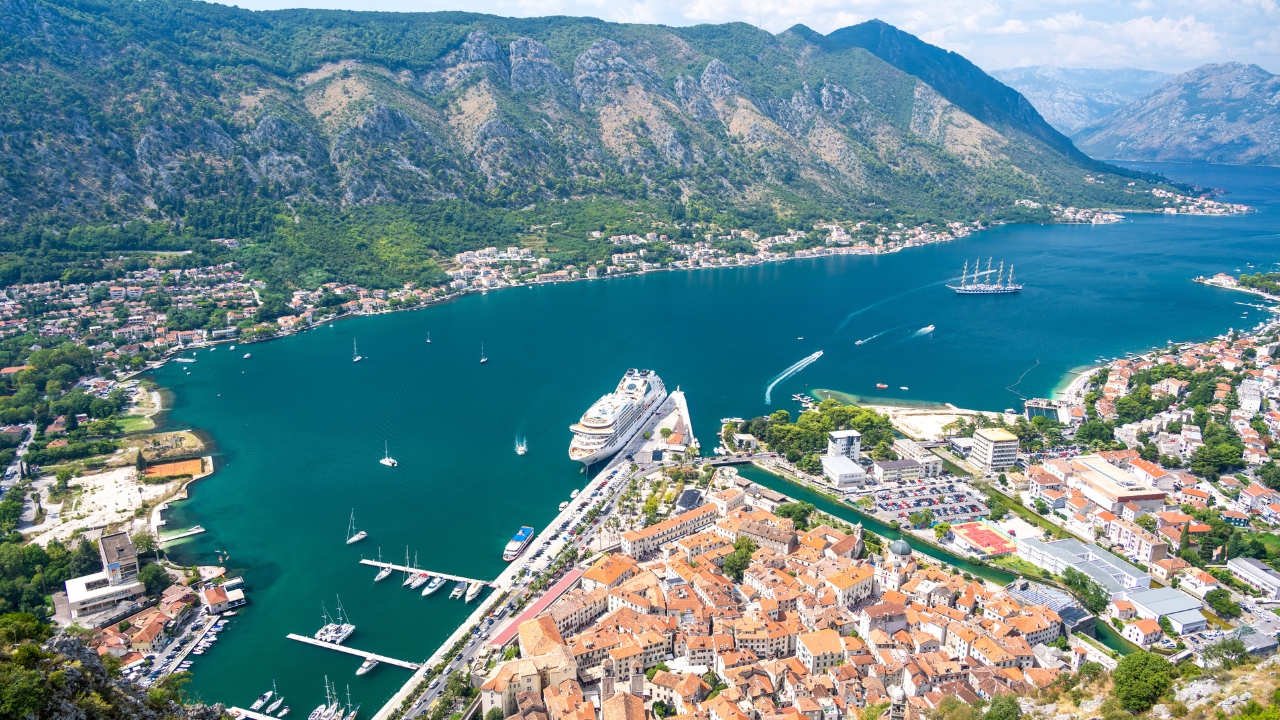
Kotor Cruise Port is one of the easiest Mediterranean cruise ports to navigate.
Depending on ship size and how busy the bay is, you’ll either dock directly at the small cruise pier or arrive by tender. Larger ships often anchor in the bay and transfer passengers ashore by tender boats, while smaller vessels may dock closer to town.
Is Kotor a Tender Port?
Often, yes.
Tendering is common in Kotor, particularly when multiple ships are in port. The process is usually smooth and well organised, but it’s worth allowing a little extra time in the morning if you’re planning something specific.
On busy days, tender tickets may be issued for independent passengers, while organised excursions are typically prioritised.
The good news is that once you reach shore, everything is close.
How Far Is Kotor Old Town From the Cruise Port?
Very close.
Whether you dock or tender, the Old Town gates are just a short, flat walk from the port area — usually under five minutes.
There are:
-
No long transfers
-
No shuttle buses required
-
No complicated transport logistics
You step off the ship and you’re essentially there.
Port Facilities
Kotor is smaller and simpler than many major cruise ports.
Near the tender pier or docking area you’ll find:
-
Small kiosks and souvenir stands
-
Local tour operators offering boat trips
-
ATMs and currency exchange options
-
Cafés along the waterfront
It’s not a large commercial cruise terminal — and that’s part of the charm.
The setting feels intimate rather than industrial, with mountains rising dramatically behind the harbour.
The key takeaway?
Kotor is logistically far easier than Dubrovnik. Once ashore, you’re free to explore immediately — whether that’s wandering through the Old Town, climbing to the fortress above, or heading out across the bay.
Best Things to Do in Kotor on a Cruise Stop
Kotor is compact, which makes it ideal for a cruise visit. You don’t need long transfers or complicated planning — just a rough idea of how much energy you want to spend.
Here’s how we’d structure a typical 6–8 hour port day.
🏰 Explore Kotor Old Town
Start here.
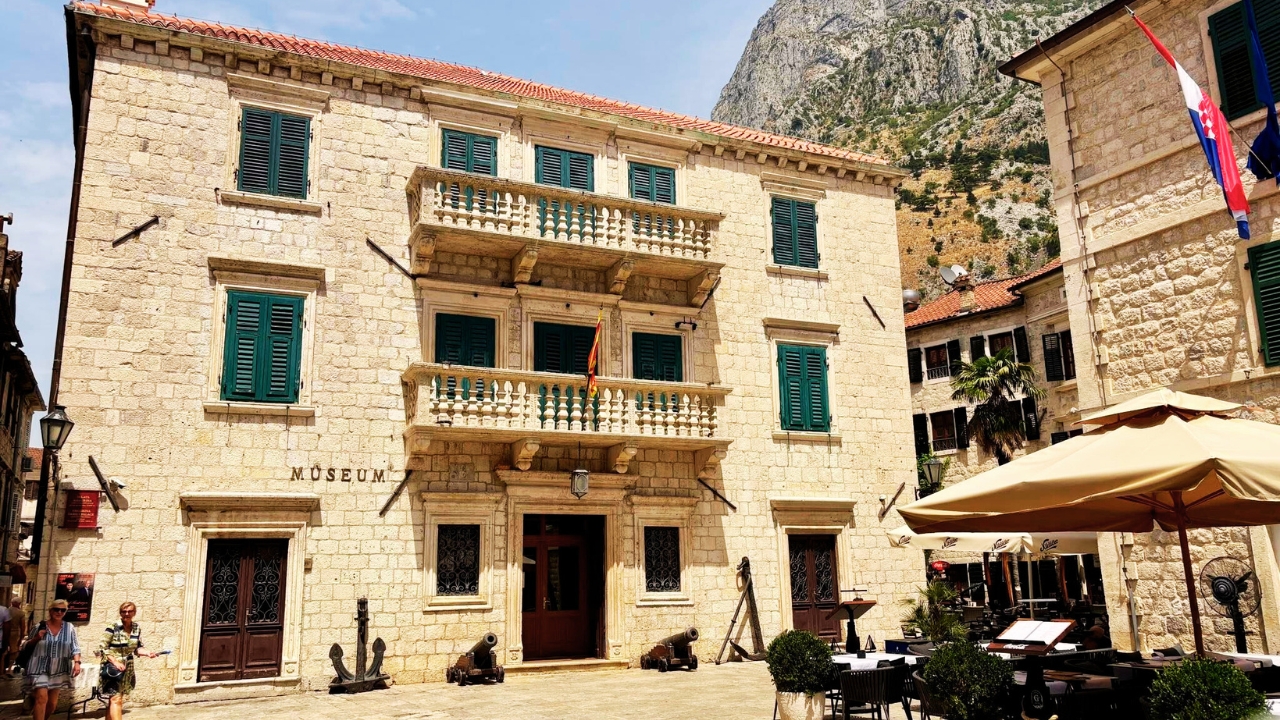
Kotor’s Old Town is a maze of narrow stone streets, shaded squares and medieval buildings tucked inside fortified walls. It’s small enough to explore without a map but detailed enough that you’ll constantly stumble across something unexpected.
Wander slowly.
-
St Tryphon Cathedral
-
The Maritime Museum
-
Hidden alleyways climbing gently uphill
-
Small cafés tucked into quiet corners
Unlike Dubrovnik, you’re not fighting through vast crowds or racing between major landmarks. Kotor rewards unstructured wandering.
Allow around 1–2 hours to explore comfortably.
🧗 Climb to St. John’s Fortress
If you’re feeling energetic, this is Kotor’s signature experience.
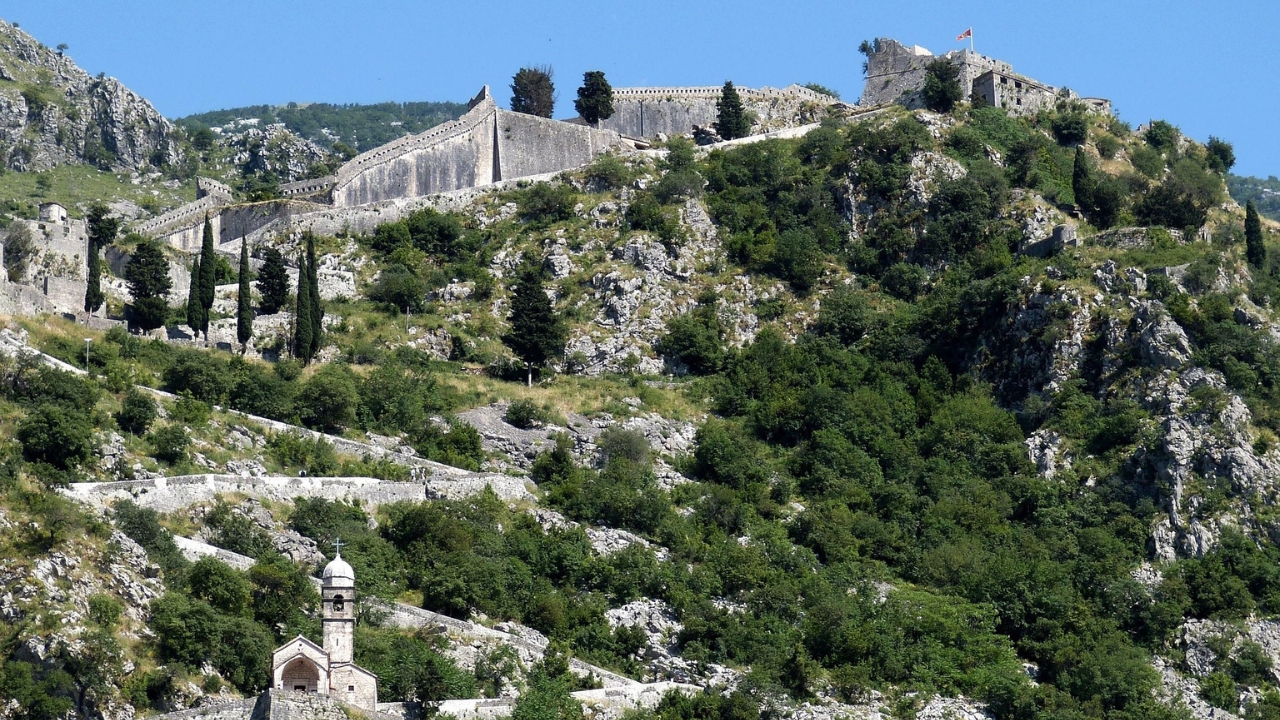
The climb up to St. John’s Fortress (also called the San Giovanni Fortress) zigzags steeply above the Old Town, offering increasingly dramatic views over the Bay of Kotor.
A few honest notes:
-
It’s steep.
-
There are over 1,300 steps.
-
In July heat, it’s not casual.
-
There is an entrance fee of €15 per person to access the fortress route.
The fee is collected at the start of the climb and is usually payable by card or cash. While €15 may feel a little punchy, you’re paying for the maintenance of the historic fortifications — and the view is genuinely spectacular.
But the panorama from the top? Absolutely worth it if you’re up for the effort.
Allow 1.5–2 hours round trip, depending on pace and photo stops.
Cruise tip:
Go early. By late morning, both heat and foot traffic increase quickly — and climbing in full sun can feel far harder than it looks from below.
If you’d rather not tackle the full ascent, even climbing part way delivers impressive views without committing to the entire staircase.
⛪ Visit St Tryphon Cathedral
For a quieter cultural stop, St Tryphon Cathedral sits right in the heart of Old Town.
It’s one of the most recognisable buildings in Kotor and offers a cool, calm interior — a welcome break from summer sun. It’s also a good option if climbing the fortress isn’t on your list.
☕ Sit in a Square and Slow Down
One of Kotor’s strengths is its scale.
You can simply:
-
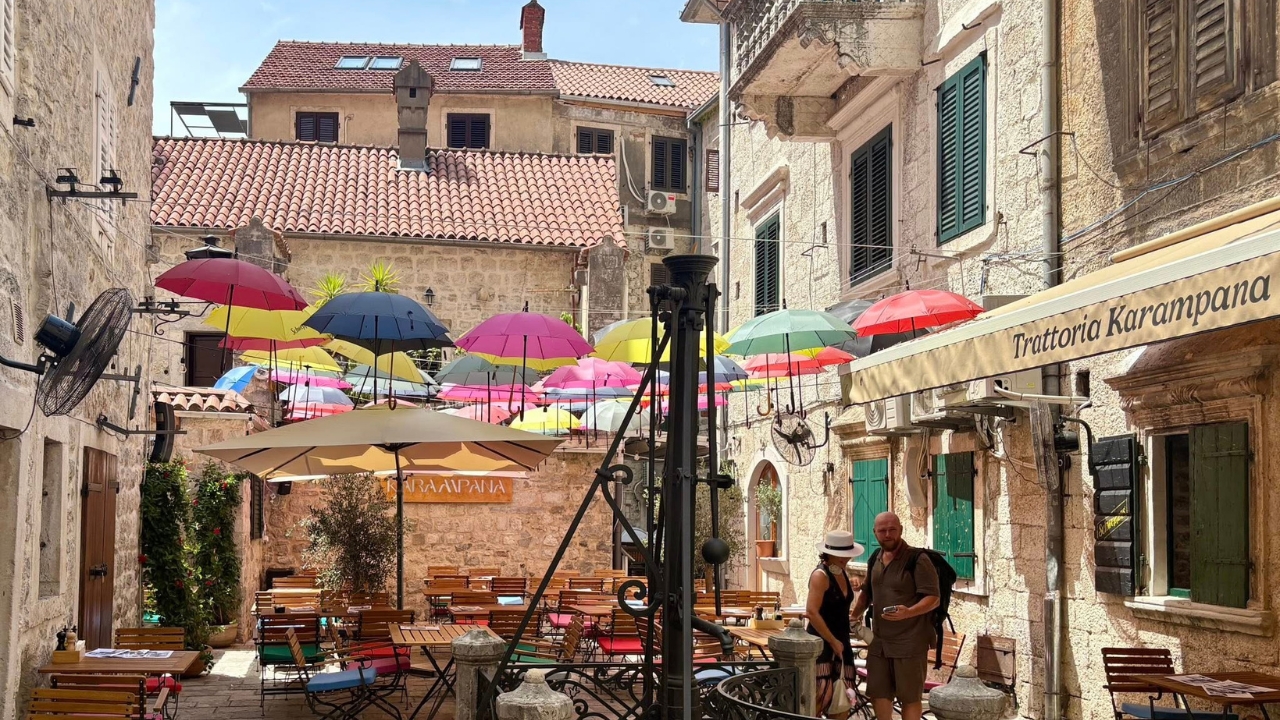
Find a café in one of the small squares
-
Order a coffee or cold drink
-
Watch cruise visitors drift through
It’s not a port that demands constant movement. It’s one that benefits from pausing.
🌊 Perast & Our Lady of the Rocks by Boat
When we visited Kotor, we tendered ashore and chose to explore the bay by water — and it turned out to be one of the highlights of the day.
From the harbour area near the Old Town gates, small boats operate trips across the bay to Our Lady of the Rocks, often continuing on to Perast before returning to Kotor.
It’s a wonderfully relaxed way to see the scenery.
Instead of climbing steps, you’re gliding across calm water with mountains rising dramatically around you.
⛪ Stop 1: Our Lady of the Rocks
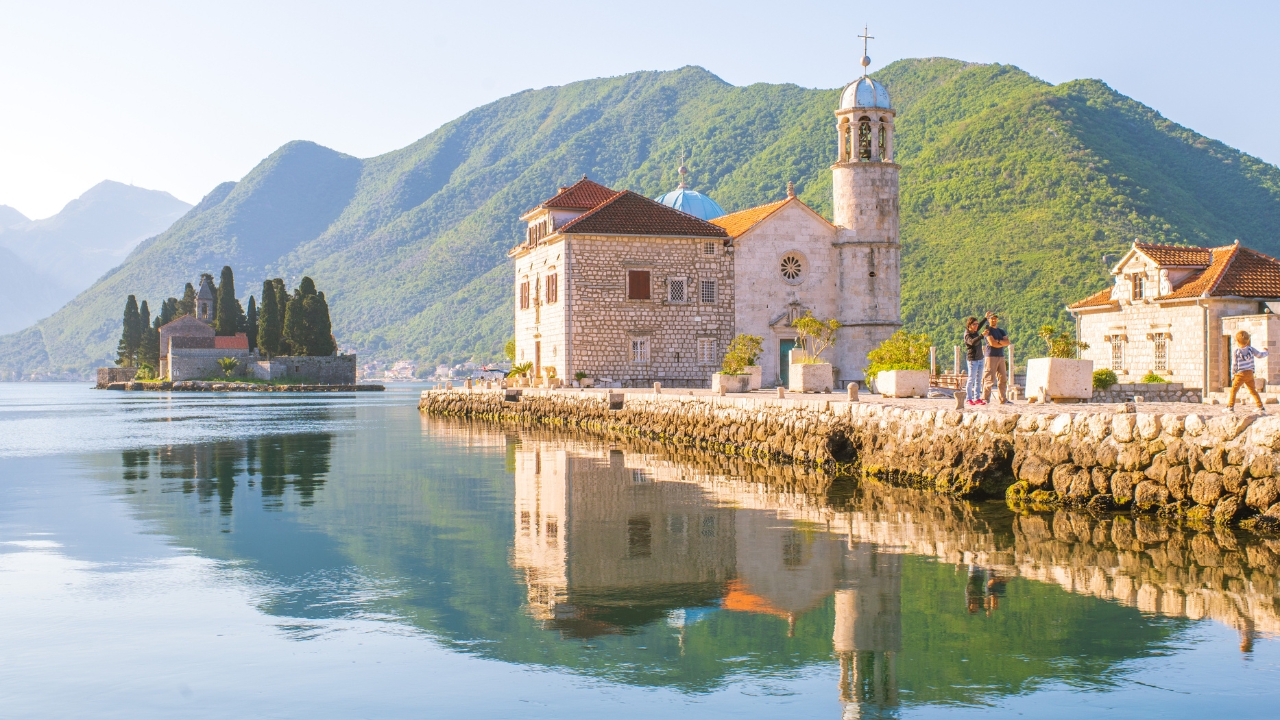
The boat first stopped at Our Lady of the Rocks, the small man-made island just off Perast’s shoreline.
The visit itself is fairly short — usually around 20–30 minutes — but the setting is striking and very photogenic. It’s one of those places that looks even better in person than in pictures.
🌴 Stop 2: Perast
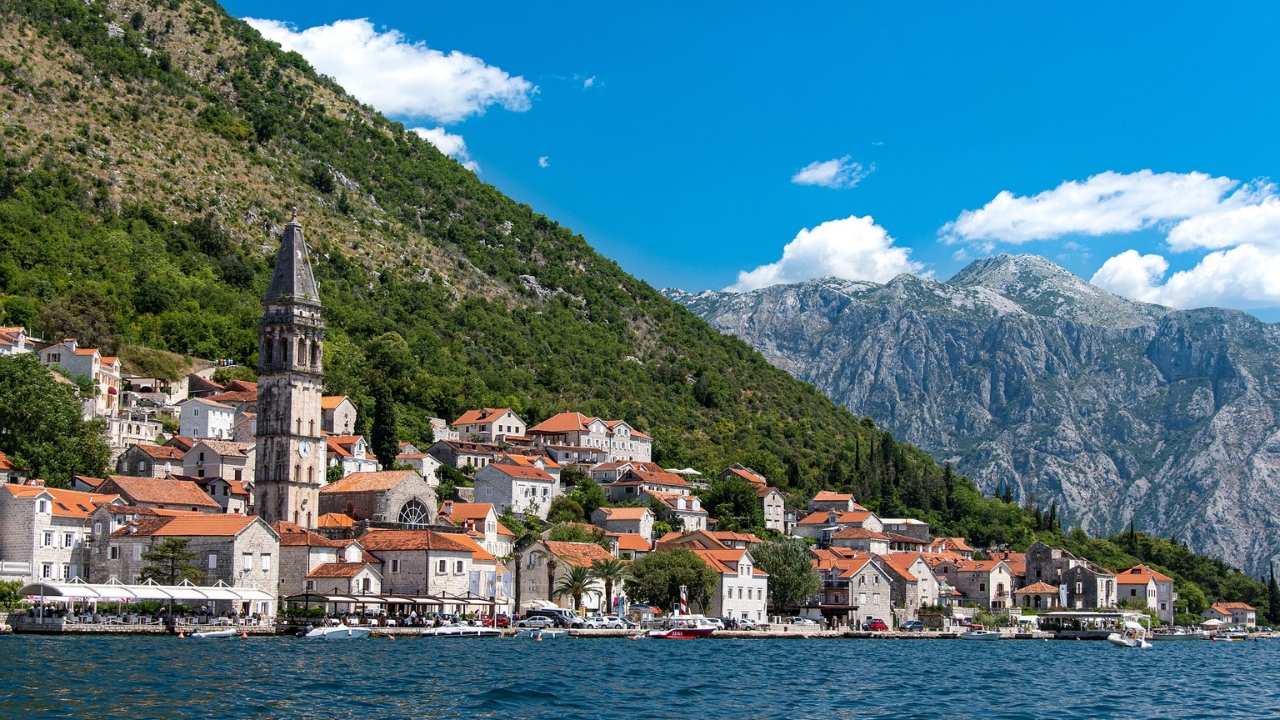
After the island visit, we continued on to Perast, where we had time for lunch, coffee and a wander along the waterfront.
Perast is compact and elegant. A curved harbour, pale stone buildings, mountain views and a slower pace than Kotor.
It’s ideal for:
-
A relaxed lunch with a bay view
-
A short promenade stroll
-
Sitting with a coffee and simply taking it all in
We spent a couple of easy hours there before taking the boat back across the bay to Kotor.
Why This Works Well on a Cruise Stop
This boat combination works particularly well because:
✔ It avoids road traffic
✔ It adds variety to your day
✔ It balances activity with relaxation
✔ It still leaves time to explore Kotor Old Town afterwards
If you’re not planning to climb the fortress, this makes for a beautifully balanced cruise day.
Tender ashore → Boat to the island → Perast for lunch → Boat back → Short Old Town wander → Return to ship.
Simple. Scenic. Unrushed.
🚤 Boat Trips & Bay Excursions From Kotor
One of the best ways to experience Kotor isn’t on foot — it’s from the water.
The Bay of Kotor is calm, scenic and surprisingly compact, which makes boat trips a natural fit for a cruise stop. You’re surrounded by steep mountains, small waterfront towns and hidden corners that simply aren’t visible from inside Old Town.
There are several ways to do it.
⛪ Kotor to Our Lady of the Rocks & Perast
This is the classic option — and the one we chose.
Small boats operate from near the Old Town harbour, offering:
-
A short crossing to Our Lady of the Rocks
-
Time on the island
-
A stop in Perast
-
Return to Kotor by boat
It’s scenic, relaxed and avoids road traffic completely.
For many cruise passengers, this is the ideal half-day balance of sightseeing and atmosphere.
🌊 Bay of Kotor Scenic Tours
Some operators offer longer scenic loops around the bay.
These typically include:
-
Perast
-
Our Lady of the Rocks
-
Additional coastal viewpoints
-
Occasionally small swimming stops (weather dependent)
These are good if:
✔ You’ve already explored Old Town
✔ You prefer water-based sightseeing
✔ You want to see more of the bay without climbing steps
Just keep an eye on duration. On a cruise stop, 2–3 hours is usually ideal. Longer trips may limit time in Kotor itself.
🐚 Blue Cave & Outer Bay Tours
Some excursions venture further out towards the Adriatic, including Blue Cave stops and swimming breaks.
These are more adventurous and weather-dependent, and often run longer. If your port time is short or you’re tendering, you’ll want to check timings carefully before committing.
They can be fantastic — but they’re more of a commitment than the Perast circuit.
Cruise Line Shore Excursions
Most cruise lines offer organised boat excursions covering:
-
Our Lady of the Rocks
-
Perast
-
Panoramic bay cruising
The advantage is simplicity and guaranteed return timing. The trade-off is usually cost and slightly larger group sizes.
Is a Boat Trip Worth It in Kotor?
If you’re not planning to climb St. John’s Fortress, absolutely.
A boat trip gives you:
-
Perspective of the town from the water
-
Close-up mountain views
-
A slower, more atmospheric experience
Kotor is one of those ports where water and mountains define the scenery — and a boat ride lets you appreciate both properly.

Is Kotor Worth It on a Cruise?
If your cruise itinerary includes Kotor, you’re in for something quietly spectacular.
This isn’t a port that overwhelms you with headline attractions. Instead, it draws you in slowly — first with the sail-in through the bay, mountains rising steeply on both sides, then with the compact Old Town waiting just steps from the pier.
Kotor feels manageable.
There are no long transfers, no complicated logistics and no sense that you need to rush across a sprawling city to “make the most of it.” Within minutes of stepping ashore, you’re wandering medieval streets or looking up at fortress walls climbing high above you.
It suits cruise passengers particularly well because:
-
The town is small enough to explore without pressure
-
The fortress climb gives you a clear focal experience
-
Boat trips add variety without eating up the entire day
-
Perast offers a refined, scenic alternative nearby
Even on busy days — when multiple ships are tendering — the layout keeps things relatively contained. You’re not navigating a vast urban centre. You’re exploring a walled town wrapped tightly around a bay.
Kotor may not have the instant recognisability of some Mediterranean icons, but that’s part of its appeal.
It’s dramatic without being exhausting.
Atmospheric without feeling chaotic.
Compact without feeling limited.
For many cruisers, it becomes an unexpected favourite — not because it tries too hard, but because it doesn’t need to.
Kotor Cruise Port FAQs
Is Kotor a tender port?
Often, yes.
Many larger cruise ships anchor in the Bay of Kotor and tender passengers ashore. Smaller ships may dock directly at the pier. If you’re tendering, allow a little extra time in the morning — especially if you’re exploring independently.
How far is Kotor Old Town from the cruise port?
Very close.
Whether you dock or arrive by tender, the Old Town gates are typically less than a five-minute flat walk from the port area. No shuttle buses or taxis are required.
How long does it take to climb St. John’s Fortress?
Allow around 1.5–2 hours round trip, depending on pace and photo stops.
There are over 1,300 steps, and it’s steep in sections. In summer heat, starting early makes a big difference.
The entrance fee is €15 per person.
Can you visit Perast from a cruise stop in Kotor?
Yes — and it’s one of the most popular half-day options.
Perast is around 15–20 minutes away by taxi or boat. Many cruise excursions combine Perast with a visit to Our Lady of the Rocks.
Is Kotor expensive?
Kotor is generally less expensive than Dubrovnik, particularly for food and drinks inside the Old Town.
Prices still reflect its popularity as a cruise destination, but it tends to feel more moderate overall.
What currency is used in Kotor?
Montenegro uses the Euro (€), even though it is not part of the European Union.
Most restaurants and tour operators accept cards, but having some cash for small purchases or boat trips can be useful.
Final Cruise Planning Tips for Kotor
Kotor is one of those ports that rewards balance.
You don’t need a packed schedule to enjoy it. In fact, trying to do everything can take away from what makes it special — the mountains, the stillness of the bay, the scale of the Old Town.
A few simple tips make the day smoother:
-
Check your tender arrangements early. If your ship is tendering, factor in that extra step when planning your morning.
-
Start the fortress climb early. The views are best before the sun climbs too high — and your legs will thank you.
-
Decide between height or water. Climb the fortress or take a boat trip — doing both can make the day feel rushed.
-
Allow time to wander. Kotor is at its best when you slow down.
-
Keep an eye on return timing. Especially if you’ve ventured to Perast or further around the bay.
Unlike some larger Mediterranean ports, Kotor doesn’t demand urgency.
It’s compact. Atmospheric. Easy to navigate. And framed by some of the most dramatic scenery you’ll experience on a European cruise.
Whether you spend the day climbing high above the bay or drifting quietly across it by boat, Kotor delivers something memorable — not through scale or spectacle, but through setting.
And sometimes, that’s exactly what makes a cruise stop stand out.
Plan Your Eastern Mediterranean Cruise
If Kotor is on your itinerary, you might also find these guides helpful:
-
🇬🇷 Athens Cruise Port Guide – How to get from Piraeus to the Acropolis without the stress
-
🇲🇪 Dubrovnik Cruise Port Guide – One of Europe’s most fascinating cities
-
🧳 Cruise Carry-On Essentials – What to pack for embarkation day
-
🛡️ Cruise Travel Insurance Guide – What’s actually covered at sea