🧳 If Copenhagen Is Your Embarkation Port
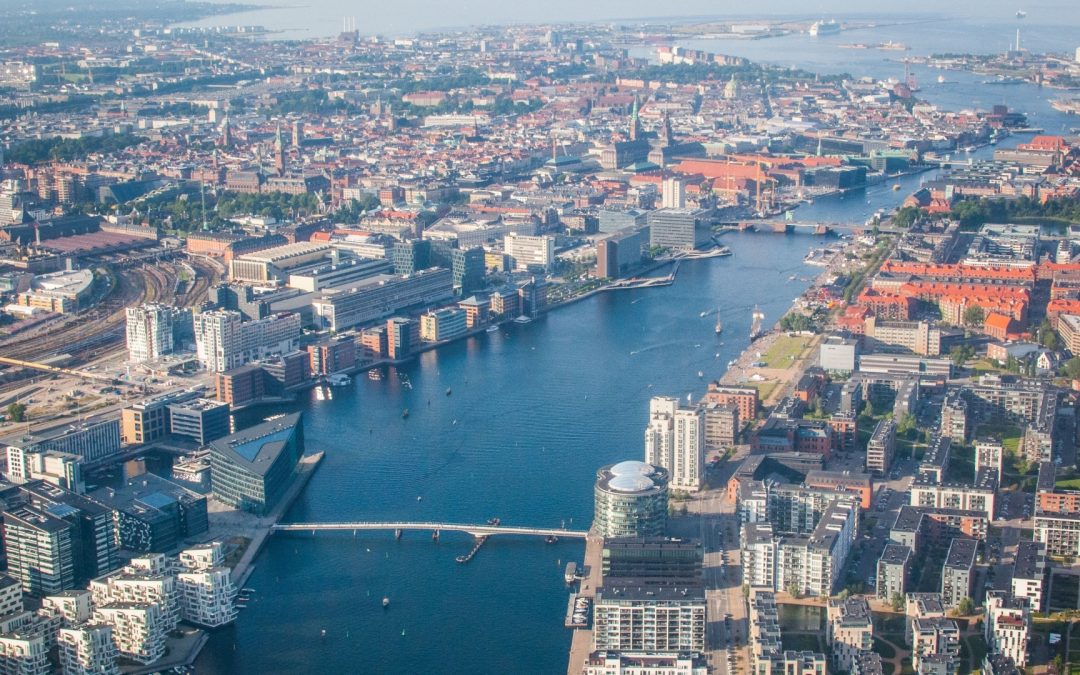
Copenhagen is one of the most common starting points for Baltic and Norwegian Fjord cruises — and it’s well worth arriving at least a day early.
Unlike some embarkation ports that function purely as transport hubs, Copenhagen feels like a destination in its own right. Compact, design-forward and easy to navigate, it’s an ideal city to explore before your cruise begins.
✈️ Arriving in Copenhagen
Copenhagen Airport (CPH) is located just 15–20 minutes from the city centre by metro.
The metro runs directly from the airport into central stations such as Kongens Nytorv and Nørreport, making transfers straightforward even with luggage.
Taxis are readily available, but public transport is efficient and reliable.
🏨 Where to Stay Before Your Cruise
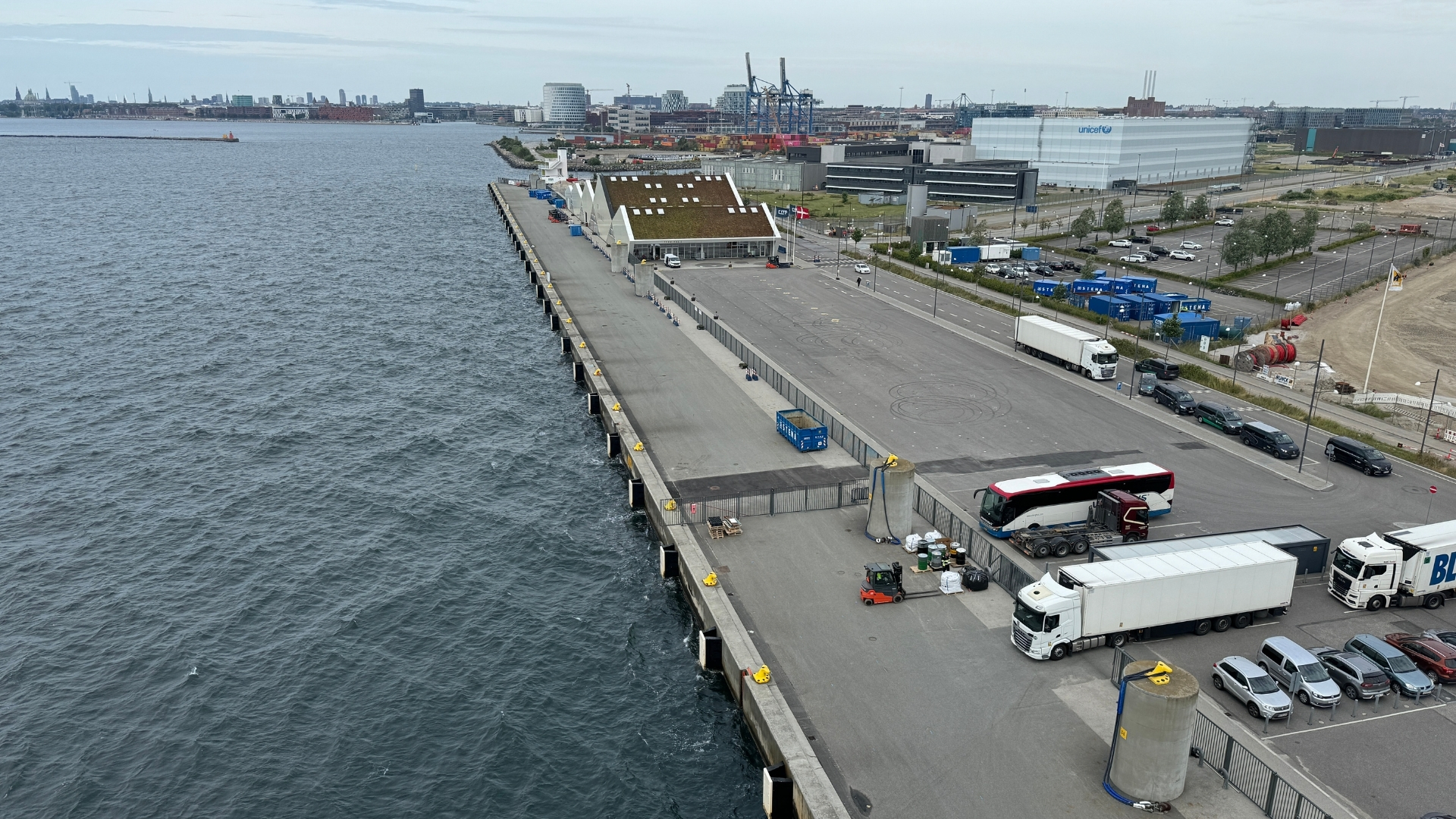
If you’re sailing from Oceankaj, you don’t need to stay near the cruise terminal. It’s better to base yourself in central Copenhagen and take transport to the port on embarkation morning.
Good areas to consider:
-
Near Nyhavn (waterfront atmosphere)
-
Around Kongens Nytorv (excellent metro links)
-
Close to Nørreport (transport hub convenience)
Staying centrally allows you to:
-
Explore easily on foot
-
Enjoy restaurants and cafés
-
Take a canal boat tour
-
Visit Tivoli Gardens or Rosenborg Castle
Then travel to the cruise terminal the next morning.
🕒 When to Head to the Cruise Terminal
Cruise lines typically assign boarding windows.
If departing from Oceankaj, allow:
-
30–40 minutes total travel time from central Copenhagen
-
Extra time if travelling at peak morning hours
If departing from Langelinie or Nordre Toldbod, travel time is shorter and in some cases walkable depending on hotel location.
💡 Is It Worth Arriving Early?
Yes — especially for long-haul travellers.
Arriving at least one night before your cruise:
-
Reduces stress if flights are delayed
-
Allows you to adjust to time differences
-
Gives you time to enjoy Copenhagen properly
Many travellers find that a relaxed pre-cruise day improves the entire sailing experience.
🚢 On Embarkation Morning
Copenhagen’s terminals are modern and organised.
Expect:
-
Clear signage
-
Efficient luggage drop
-
Straightforward check-in flow
If sailing in summer, the long daylight hours mean you may even enjoy scenic views of the harbour as you depart in the evening.
🏰 Top Things to Do in Copenhagen on a Cruise Stop
If Copenhagen is a port of call rather than your embarkation city, you’ll need to be selective. The good news? The historic centre is compact and easy to explore once you’ve reached it.
Here are the highlights that work best for a 6–8 hour cruise day.
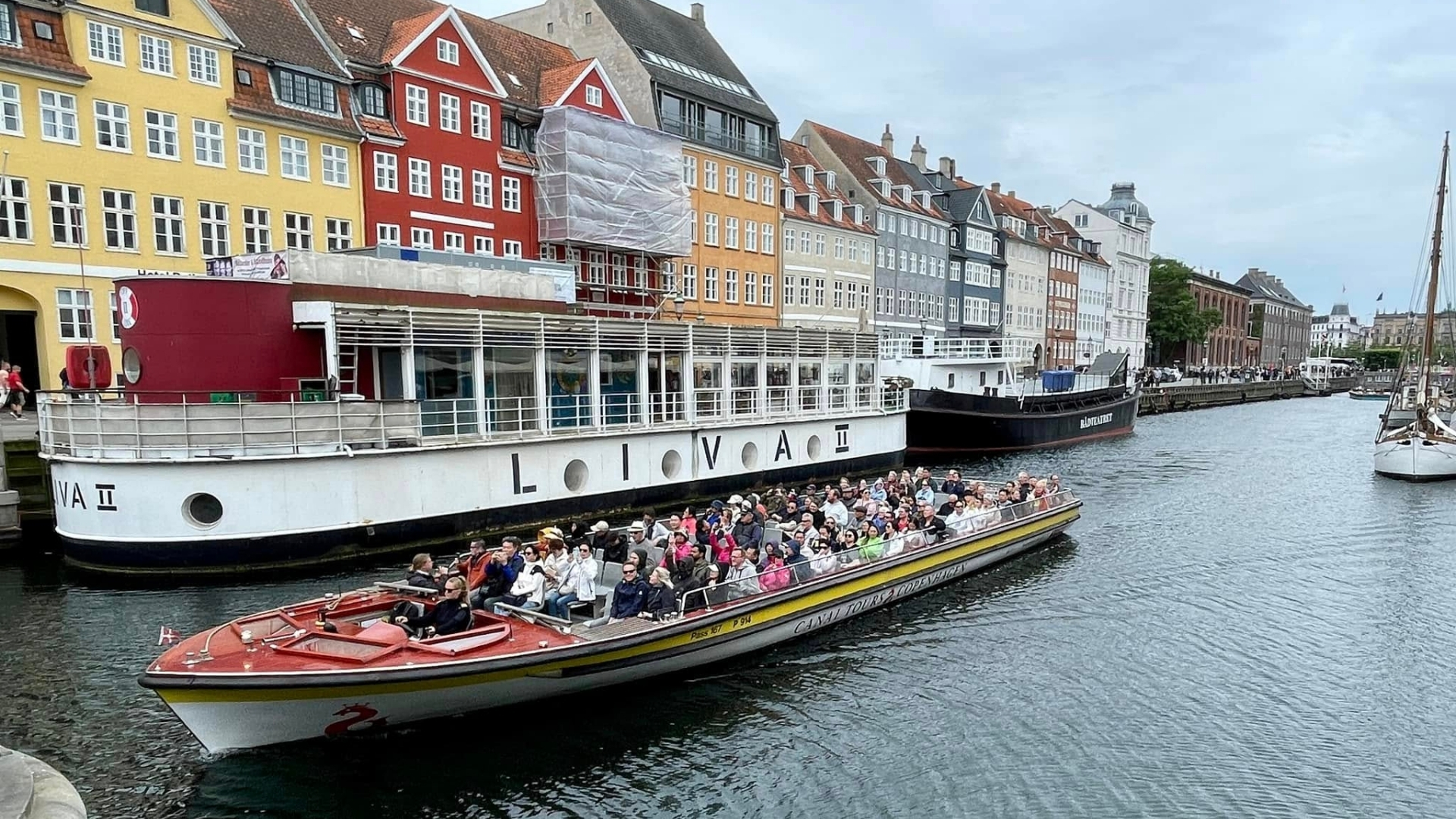
🌈 Wander Nyhavn
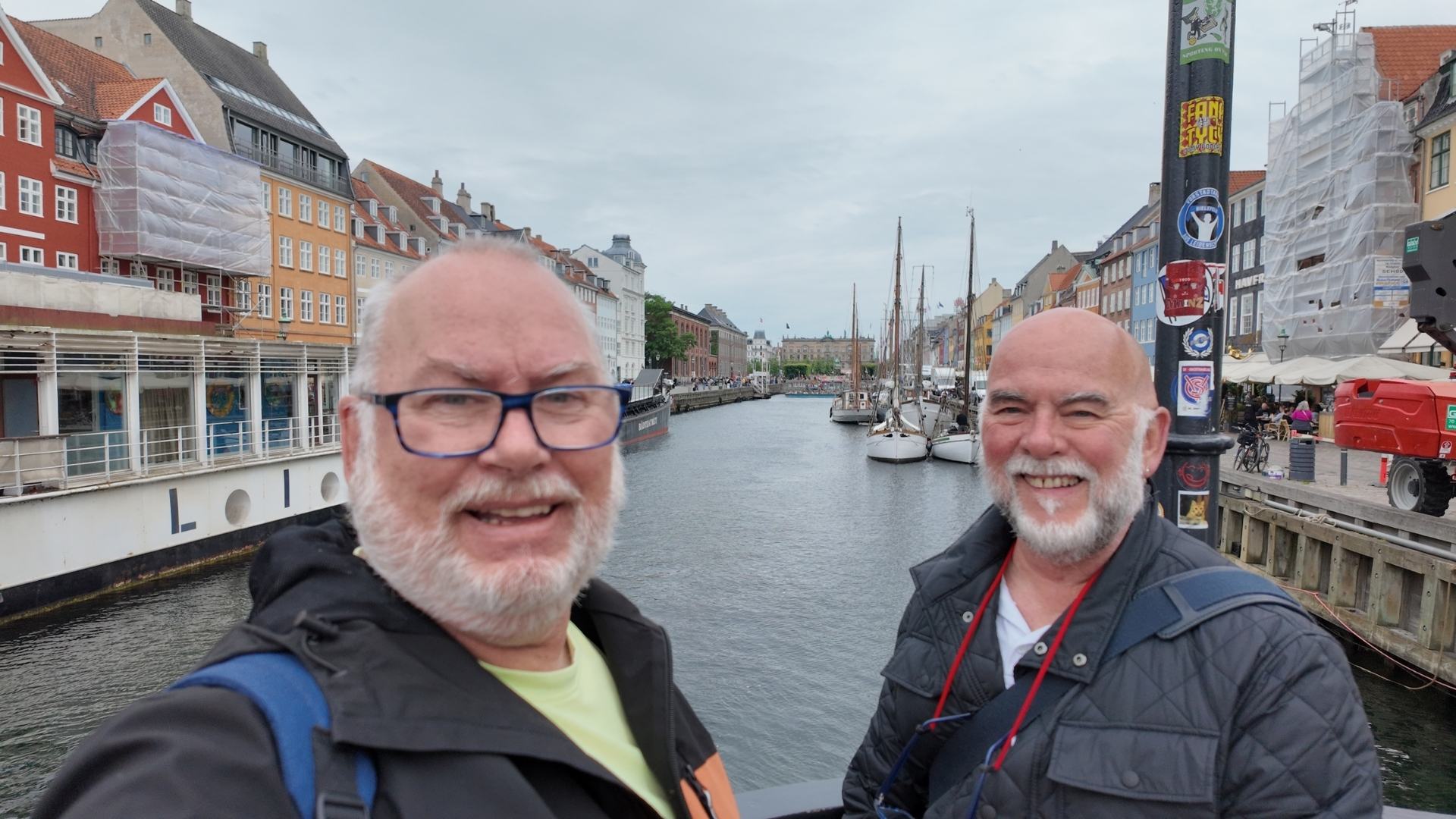
If you’ve seen a photo of Copenhagen, it was probably Nyhavn.
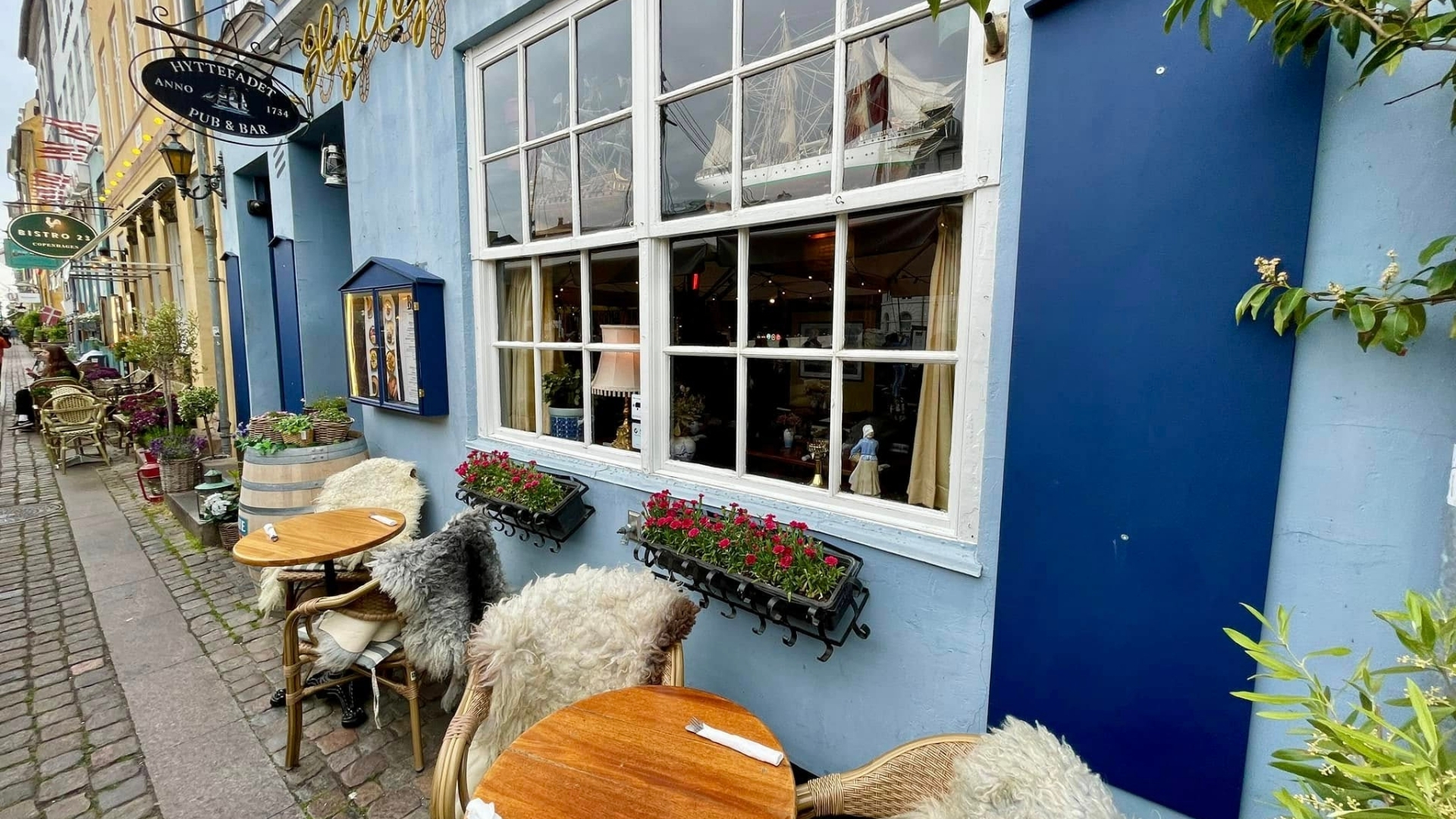
The colourful 17th-century harbourfront houses line the canal, wooden boats sit in the water, and cafés spill onto the cobbles. It’s lively without feeling chaotic and makes an ideal starting point for exploring the city.
It’s touristy — but for good reason.
🚤 Take a Canal Boat Tour
One of the best ways to understand Copenhagen’s layout is from the water.
Canal tours typically depart near Nyhavn and loop past:
-
The Opera House
-
Amalienborg Palace
-
Christiansborg
-
Modern harbour architecture
They last around an hour and offer a relaxing break between walking sections.
If you only do one organised activity in Copenhagen, this is a strong contender.
👑 Visit Amalienborg Palace
Home to the Danish royal family, Amalienborg sits just a short walk from Nyhavn.
The changing of the guard ceremony takes place daily at midday and is worth timing your visit around if possible.
Even without entering the palace museum, the square itself is impressive and easy to include in a walking route.
🧜 The Little Mermaid (With Realistic Expectations)
Yes, she’s small.
Yes, she’s often crowded.
And yes, people still go.
If you dock at Langelinie, she’s close by and easy to visit.
If you’re coming from Oceankaj, she’s better paired with a longer waterfront walk.
Visit if you’re curious — but don’t build your entire day around it.
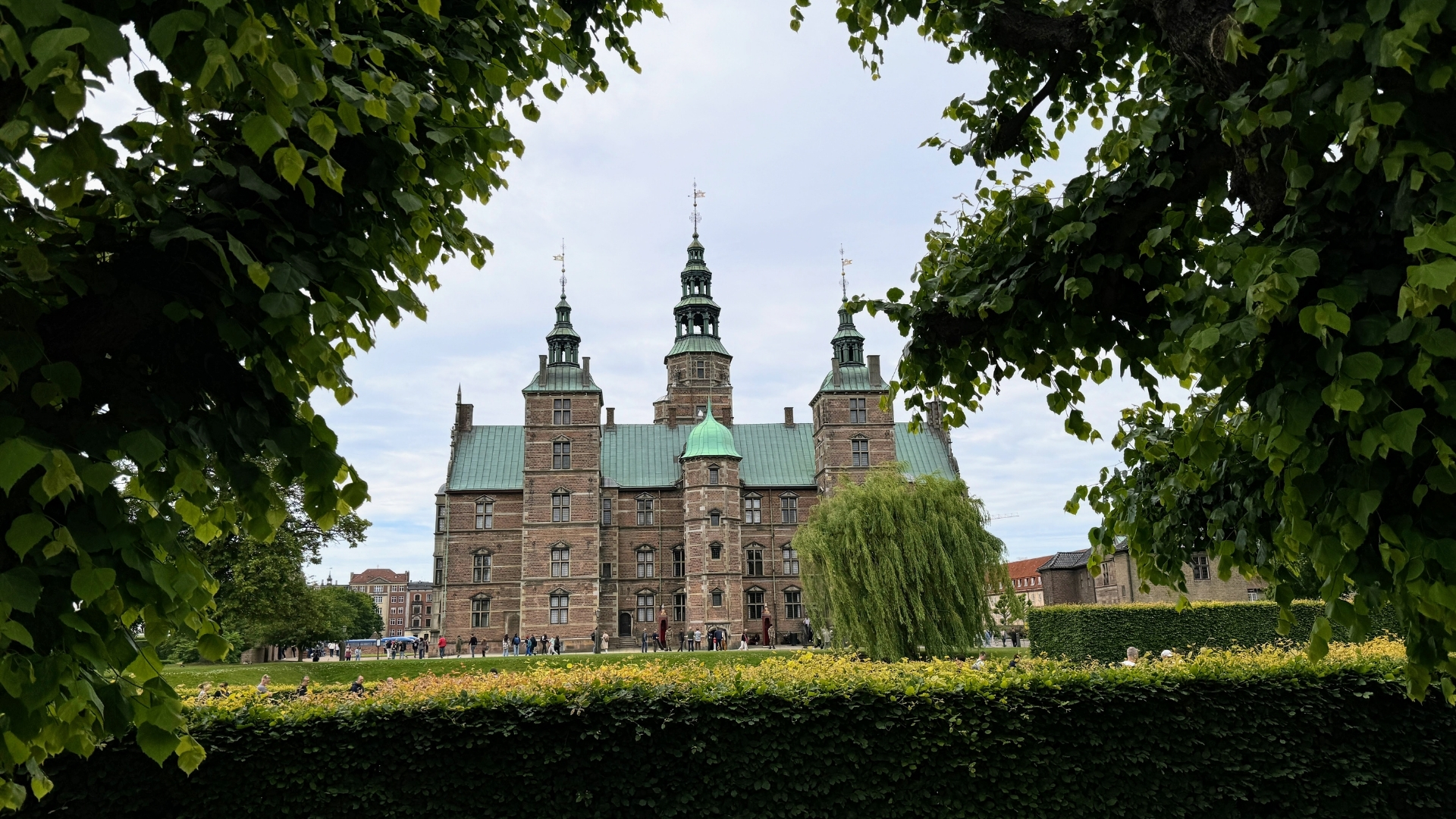
🌳 Rosenborg Castle & The King’s Garden
If you prefer a more relaxed stop, Rosenborg Castle sits within a pleasant park setting and houses Denmark’s crown jewels.
The surrounding King’s Garden is a lovely place for a short break, especially in summer.
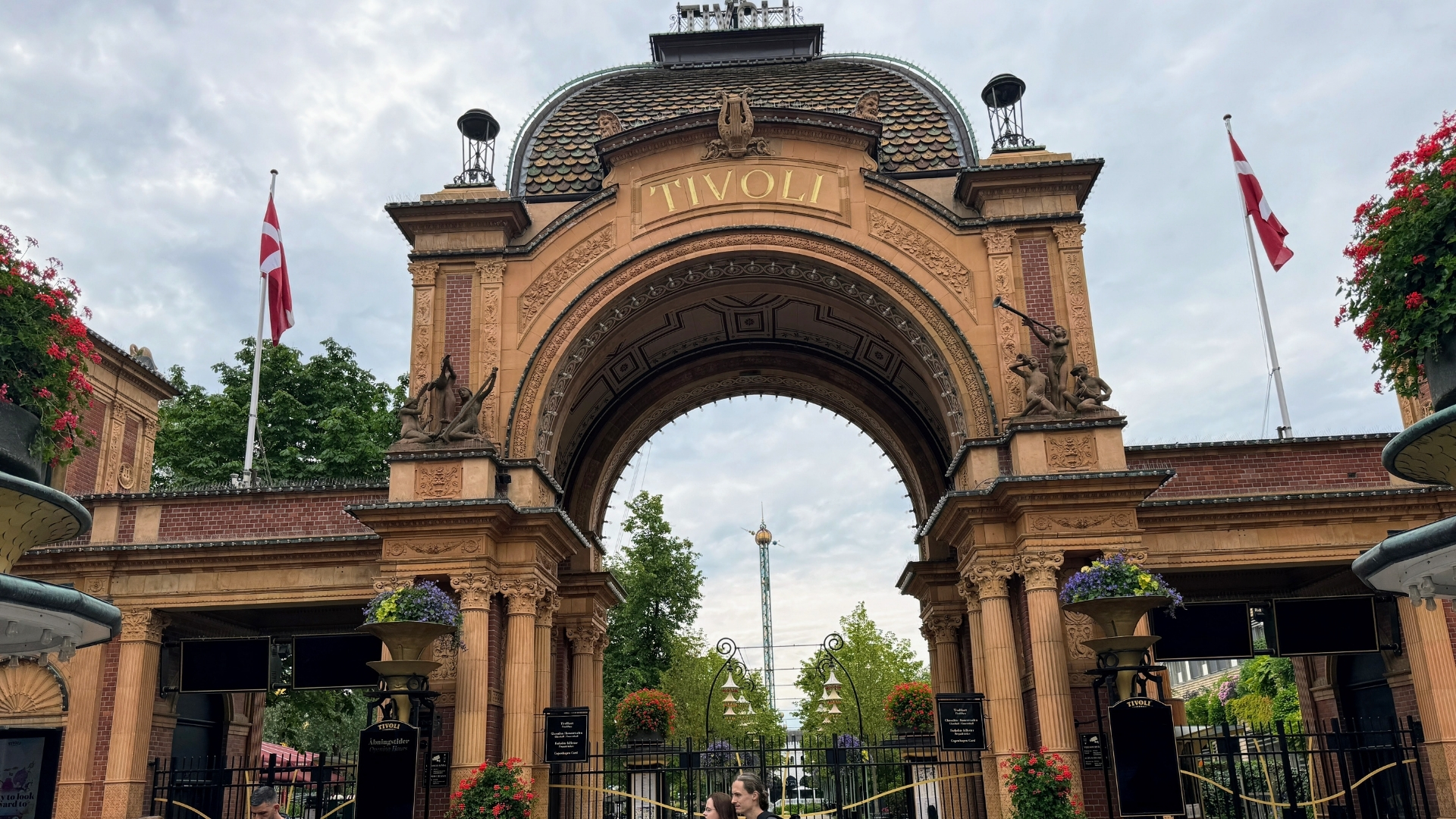
🎡 Tivoli Gardens (If Time Allows)
Tivoli is one of the world’s oldest amusement parks and sits near the city centre.
Even if you don’t ride anything, the gardens and atmosphere are charming — particularly in summer when everything is in bloom.
It works well if:
-
You’re overnighting
-
You have a long port day
-
You enjoy historic parks with character
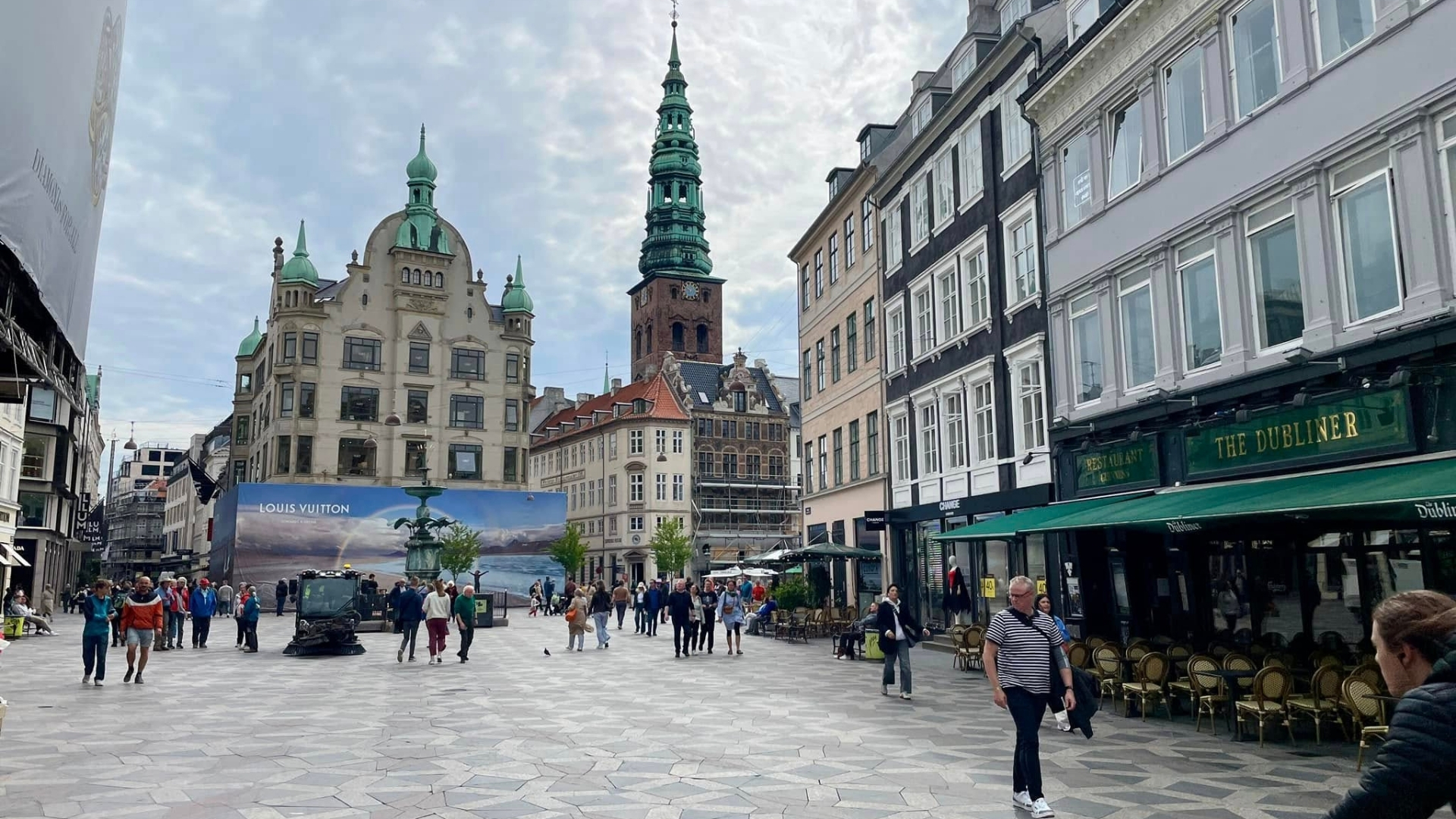
🛍 Walk Strøget
Strøget is one of Europe’s longest pedestrian shopping streets, connecting City Hall Square to Kongens Nytorv.
Even if you’re not shopping, it’s an easy way to move between key sights while absorbing everyday Copenhagen life.
How Much Can You Realistically Fit In?
For a standard cruise stop (6–8 hours):
You can comfortably combine:
-
Nyhavn
-
Canal boat tour
-
Amalienborg
-
A café stop
-
Either Rosenborg or Tivoli
Trying to add everything will feel rushed.
Copenhagen rewards quality over quantity.
🗺 How to Spend 6–8 Hours in Copenhagen (Cruise-Friendly Plan)
This plan assumes:
-
You dock at Oceankaj, Langelinie or Nordre Toldbod
-
You allow time for transport if needed
-
You want a balanced mix of highlights and atmosphere
Copenhagen isn’t a “race around” city. It rewards steady walking, waterfront pauses and choosing a few strong experiences rather than trying to see everything.
🕘 9:00am – Travel Into the City (If Needed)
If docked at Oceankaj, take the bus connection to Orientkaj and then the M4 metro into central Copenhagen.
Allow 20–30 minutes total travel time.
If docked at Langelinie or Nordre Toldbod, you may be able to walk or take a short taxi ride instead.
Aim to begin your exploration near Kongens Nytorv or Nyhavn — both are ideal starting points.
🌈 9:30am – Nyhavn & Canal Area
Start at Nyhavn while the light is good and crowds are lighter.
Wander the colourful harbourfront, take photos, and explore the surrounding streets. From here, most major sights are within easy walking distance.
Allow around 45 minutes to an hour.
🚤 10:30am – Canal Boat Tour
A one-hour canal tour is one of the easiest ways to see a lot without exhausting yourself.
You’ll pass:
-
The Opera House
-
Amalienborg Palace
-
Christiansborg
-
Modern harbour districts
It gives context to the city and breaks up the walking.
If boat tours aren’t running or queues are long, simply continue exploring on foot instead.
👑 12:00pm – Amalienborg & Royal Copenhagen
After your canal tour, walk to Amalienborg Palace.
If timing aligns, you may catch the changing of the guard at midday.
From here, you can either:
-
Continue along the waterfront toward the Little Mermaid
-
Head inland toward Rosenborg Castle
-
Or pause for lunch nearby
Choose based on energy levels.
🥪 1:00pm – Lunch Stop
Copenhagen has plenty of café options near Nyhavn and the central district.
If you want something traditional, look for:
-
Smørrebrød (open-faced Danish sandwiches)
-
Fresh seafood
-
Simple café plates
Lunch doesn’t need to be elaborate — keep it relaxed.
🌳 2:00pm – Rosenborg Castle or Strøget
For a calmer final stretch:
Option A – Rosenborg Castle & King’s Garden
Stroll through the gardens and, if time allows, visit the castle interior.
Option B – Strøget
Walk the pedestrian shopping street back toward City Hall Square, stopping for coffee or browsing as you go.
Both are easy to fit into a 60–90 minute window.
🕓 3:30–4:00pm – Begin Return Journey
If docked at Oceankaj, allow at least 30 minutes to return via metro and bus connection.
If closer to the city, walking or taxi will be quicker.
Build in buffer time. Copenhagen is efficient — but cruise ships are stricter than Danish transport.
Why This Plan Works
✔ Keeps transport simple
✔ Focuses on central, walkable highlights
✔ Includes one structured activity (canal tour)
✔ Allows time for food and atmosphere
✔ Avoids over-scheduling
You’ll leave feeling like you’ve seen Copenhagen — not just passed through it.
✔ Who Copenhagen Suits Best
Copenhagen is one of the most accessible and culturally rewarding ports in Northern Europe — but it appeals to a particular kind of cruiser.
It’s especially well suited to:
🚶 Independent Explorers
Once you reach the city centre, Copenhagen is compact and easy to navigate on foot. Major highlights cluster around the harbour and historic core, making it ideal for travellers who enjoy self-guided walking days.
👑 Culture & History Lovers
Royal palaces, castles, historic waterfronts and canal districts give Copenhagen depth without feeling overwhelming. It’s a city where history feels integrated into everyday life rather than staged for tourism.
🚤 Slow, Scenic Sightseers
If you enjoy absorbing a place gradually — with a canal cruise, café stops and relaxed wandering — Copenhagen rewards that pace.
🧳 Embarkation Travellers
As a cruise starting point, Copenhagen is particularly strong. It’s clean, organised, easy to reach from the airport and well worth an overnight stay before sailing.
Who It May Suit Less
Copenhagen may feel underwhelming if:
-
You’re seeking dramatic natural landscapes (Norway delivers more of that)
-
You prefer high-energy attractions or theme-park style sightseeing
-
You only enjoy destinations with a single standout landmark
This is a refined capital city — elegant, understated and best appreciated through atmosphere rather than adrenaline.
Copenhagen Cruise Port FAQ’s
Which cruise terminal is closest to the city centre?
Boston Logan International Airport is around 4–5 miles from Flynn Cruiseport Boston.
Langelinie and Nordre Toldbod are closest and may allow you to walk into central Copenhagen.
Oceankaj is farther out (around 8 km / 5 miles) and requires public transport or taxi.
Can you walk from Copenhagen cruise port into the city?
Boston Logan International Airport is around 4–5 miles from Flynn Cruiseport Boston.
Only if your ship docks at Langelinie or Nordre Toldbod.
If docked at Oceankaj, you’ll need to take a bus/metro connection or taxi.
Is Copenhagen expensive?
Yes — compared to many European cities, Copenhagen can feel expensive for food and drinks. That said, many attractions (Nyhavn, Amalienborg square, waterfront walks) are free to enjoy.
Is the Little Mermaid worth visiting?
It’s small and often busy, but if you’re nearby — particularly from Langelinie — it’s easy to include as part of a waterfront walk. Just keep expectations realistic.
Is English widely spoken in Copenhagen?
Yes. English is spoken fluently throughout the city, including at transport hubs, restaurants and cruise terminals.
If your cruise is visiting Scandinavia, the Baltic or Northern Europe’s fjords, these guides will help you plan smarter and explore with confidence:
🧳 Planning Essentials
- 🧥 What to Pack for a Cool Weather Cruise – Layers, windproof gear & cool-weather tips
- 🧳 Cruise Carry-On Essentials – What to pack for embarkation day
- 🛡️ Cruise Travel Insurance Guide – What’s actually covered at sea