Santorini Cruise Port

Santorini Cruise Port

Santorini Cruise Port – What to Expect on a Cruise Day

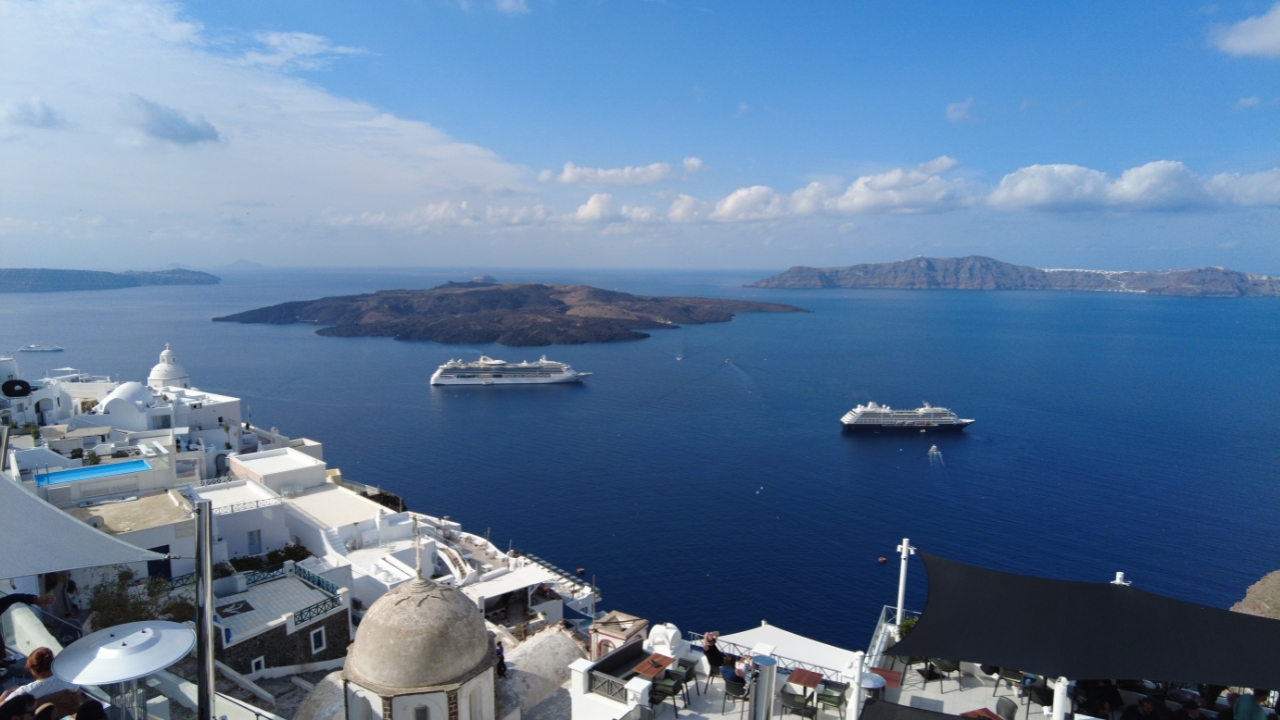
Few cruise arrivals are as instantly recognisable as Santorini.

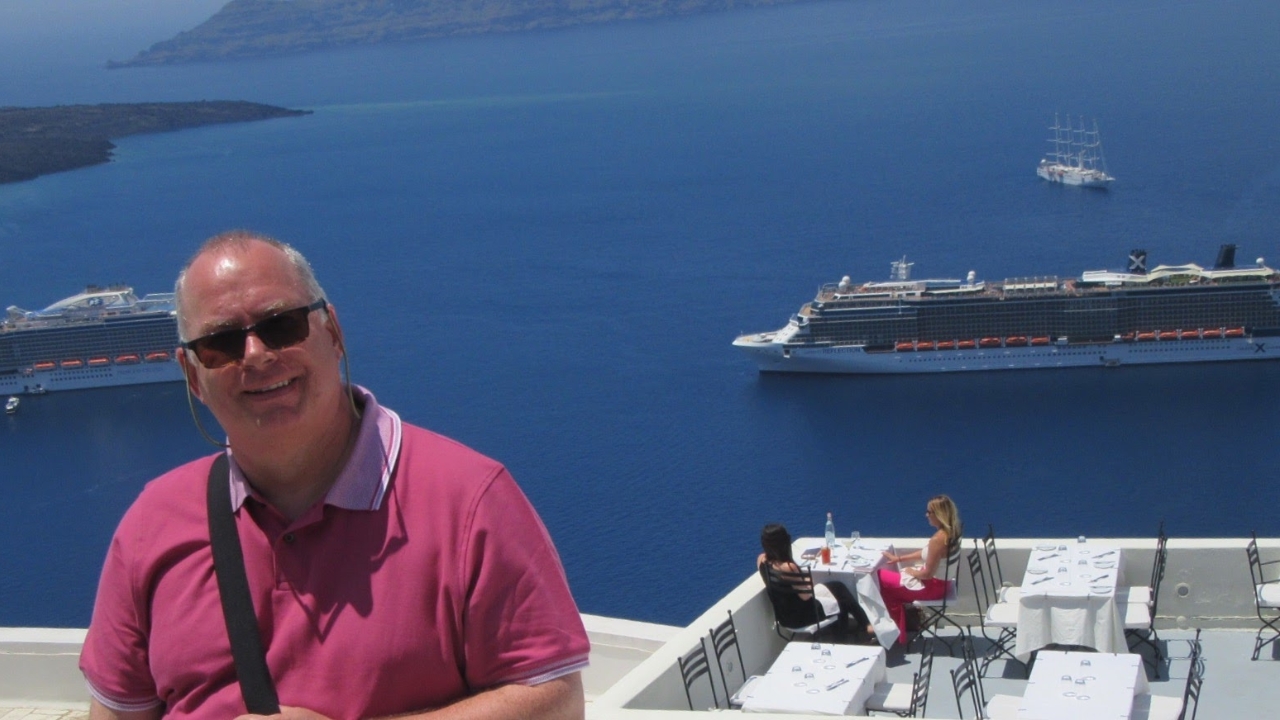
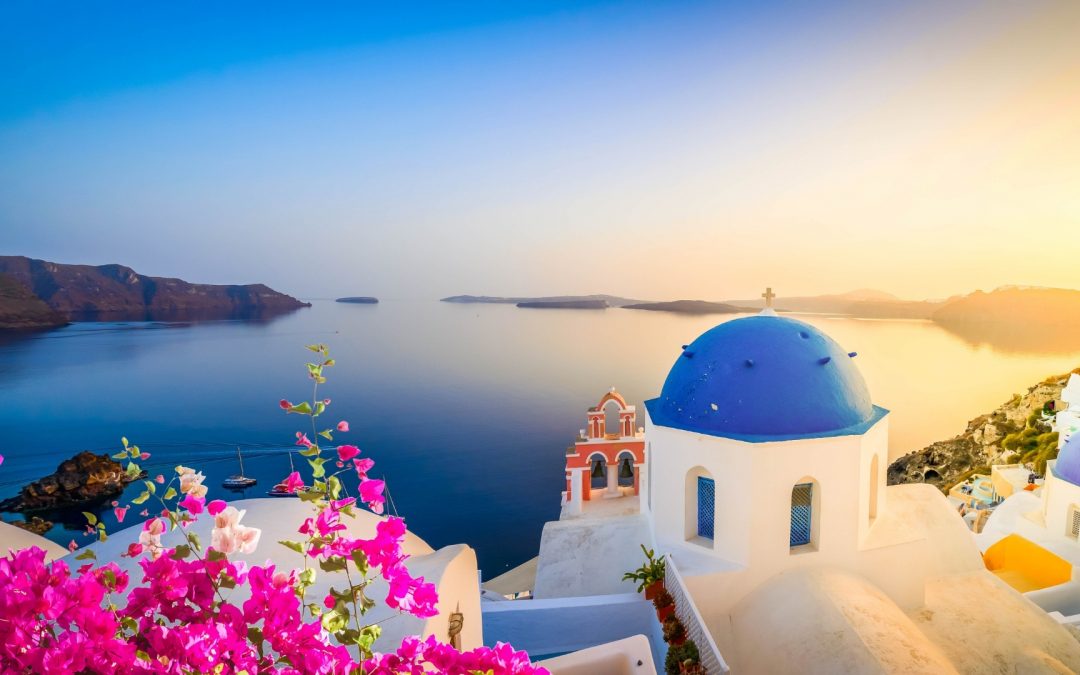
As your ship anchors in the caldera, the island rises steeply from the sea — whitewashed buildings stacked along the cliff edge, blue domes catching the light, and terraces tumbling down towards the water. From deck level, it looks almost unreal.

It’s one of the most photographed cruise stops in the Mediterranean for good reason.

But Santorini is also one of the most logistically demanding.

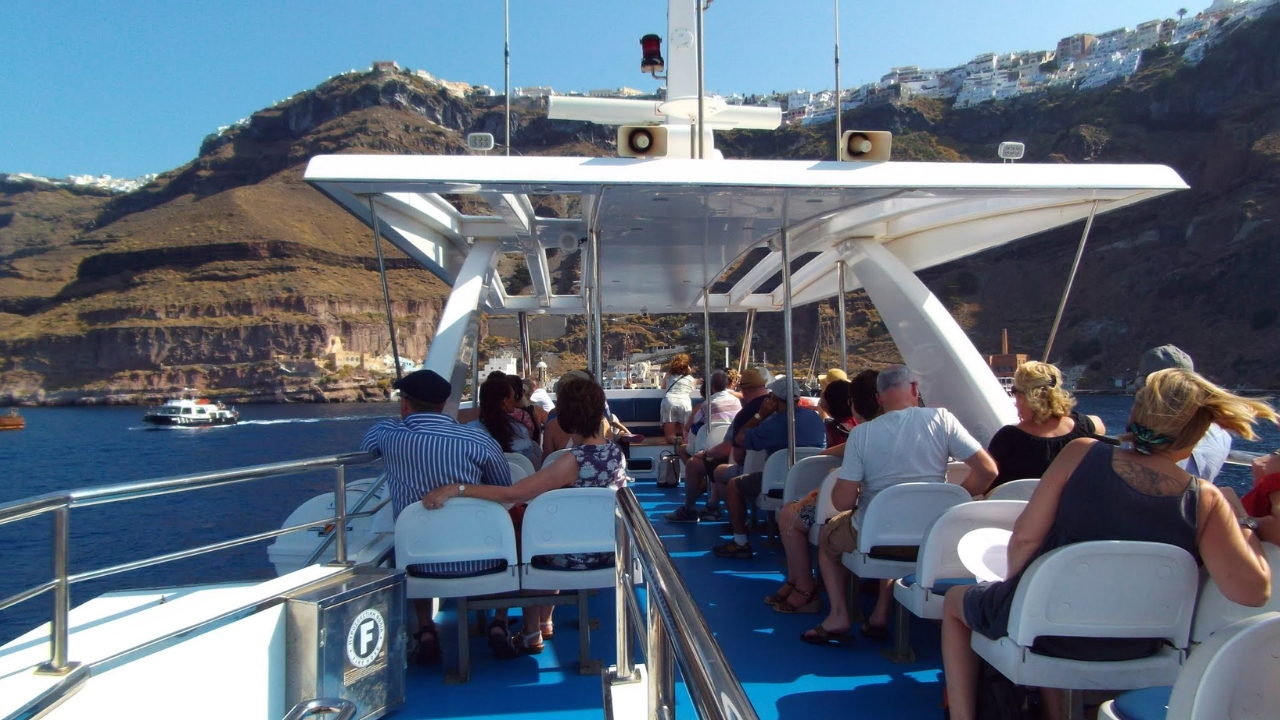
Unlike many ports, ships do not dock directly at a cruise terminal. Instead, they anchor offshore and tender passengers to shore. Independent passengers are usually brought to the Old Port below Fira, where the climb up to town begins.

However, if you’re on a pre-arranged cruise ship excursion, your tender may operate differently. Some organised tours transfer guests to Athinios Port on the southern side of the island (the main ferry port), where coaches then take you around the island. Others may deliver passengers closer to Ammoudi Bay near Oia.

Most organised excursions typically end in Fira, giving passengers free time there before they make their own way back down to the Old Port to rejoin the ship.

And that’s where timing becomes everything.

Multiple cruise ships can be anchored in the caldera at once, which means thousands of passengers may be trying to move between sea level and the cliff-top towns within a similar window of time. Cable car queues can stretch well beyond an hour during peak season, particularly mid-morning.

That doesn’t mean Santorini isn’t worth visiting.

It absolutely is.

It just means you need a plan — and realistic expectations.

If you approach the day strategically, Santorini delivers spectacular views, dramatic scenery and one of the most distinctive settings you’ll experience on a European cruise. But it’s not a port to “wing it” and hope for a quiet wander at noon.

In this guide, we’ll walk you through exactly how Santorini cruise port works — from tender arrangements and cable car queues to visiting Oia and deciding what’s actually achievable in a single cruise stop.

Is Santorini a Tender Port?

Yes — Santorini is always a tender port.

Cruise ships anchor in the caldera rather than docking at a traditional cruise terminal. Passengers are transferred ashore by smaller tender boats, which operate continuously throughout the day.

If you’re exploring independently, you’ll typically be tendered to the Old Port (Skala), located directly below Fira.

From there, you still need to ascend the cliff to reach the main town.

If you’re on a pre-arranged cruise ship excursion, your experience may differ slightly. Some organised tours transfer passengers to:

  • Athinios Port (the main ferry port on the southern side of the island), where coaches take you onward to Oia or other parts of Santorini

  • Ammoudi Bay, near Oia, depending on the excursion

Most organised tours usually finish in Fira, giving passengers free time before they make their own way back down to the Old Port to catch the tender back to the ship.


What Tendering Means for Your Day

Tendering itself is generally smooth and well managed, but it does affect timing.

On busy days — when multiple cruise ships are anchored in the caldera — thousands of passengers may be moving between ship and shore within a similar time frame.

That impacts:

  • Cable car queues

  • Donkey path traffic

  • Return timing in the afternoon

If you’re exploring independently, it’s worth:

  • Aiming for an early tender slot

  • Building in buffer time before all-aboard

  • Avoiding the final rush down the cliff

Santorini rewards early starts more than almost any other Mediterranean cruise port.
Santorini Cruise Port to Fira – How to Get Up the Cliff

If you’re tendered to the Old Port (Skala), you’ll arrive at sea level — directly below the cliff-top town of Fira.

From there, you have three ways to reach the top:

  • 🚠 Cable car

  • 🫏 Donkey path (walking or riding)

  • 🚍 Organised excursion transfer (via Athinios Port)

Here’s what each option really looks like on a cruise day.


🚠 Santorini Cable Car (Old Port to Fira)

For most cruise passengers, the cable car is the simplest and most comfortable option.

  • Cost: Typically around €10 per person each way (subject to change)

  • Journey time: About 3 minutes

  • Queue time: Can range from 15 minutes to well over an hour during peak periods

On days when multiple ships are anchored in the caldera, queues can build quickly — particularly mid-morning and again late afternoon when passengers return to the ship.

Cruise ship excursions are often given priority boarding, which can extend wait times for independent travellers.

Important tip:
If you see a long queue at the top when returning to the Old Port, don’t leave it too late. The final hour before all-aboard can become extremely congested.


🫏 Walking the Donkey Path

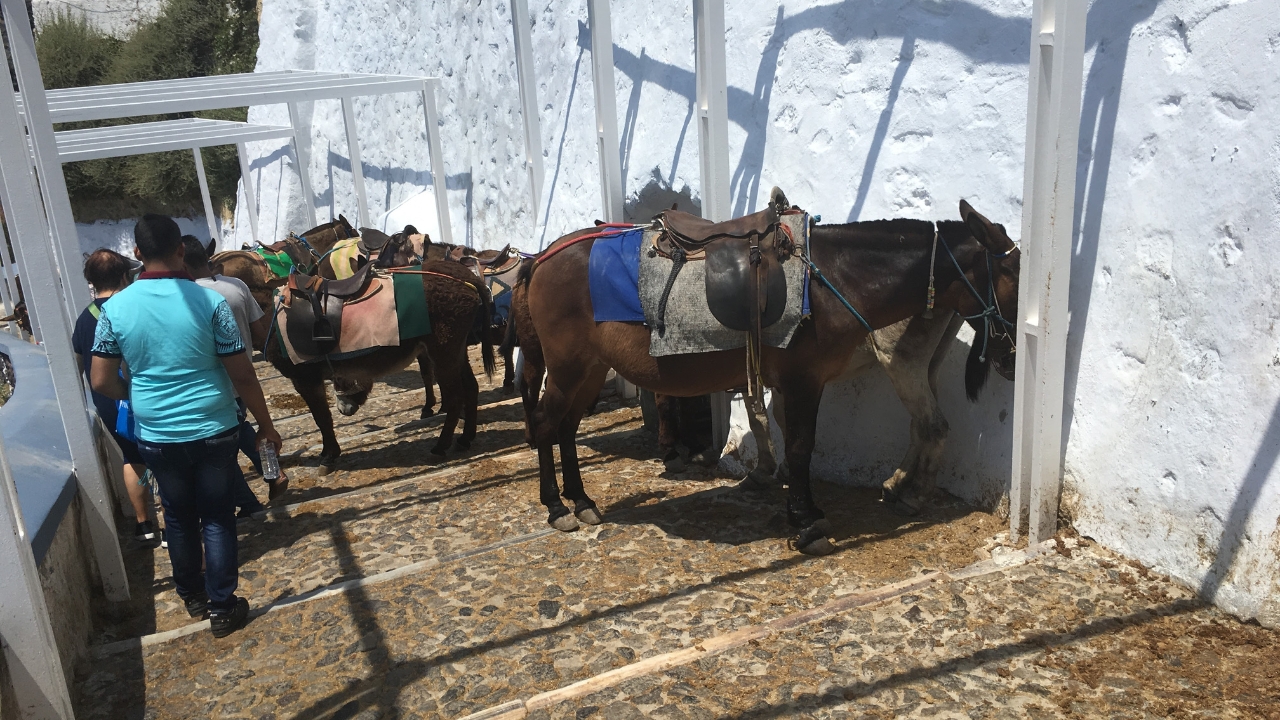
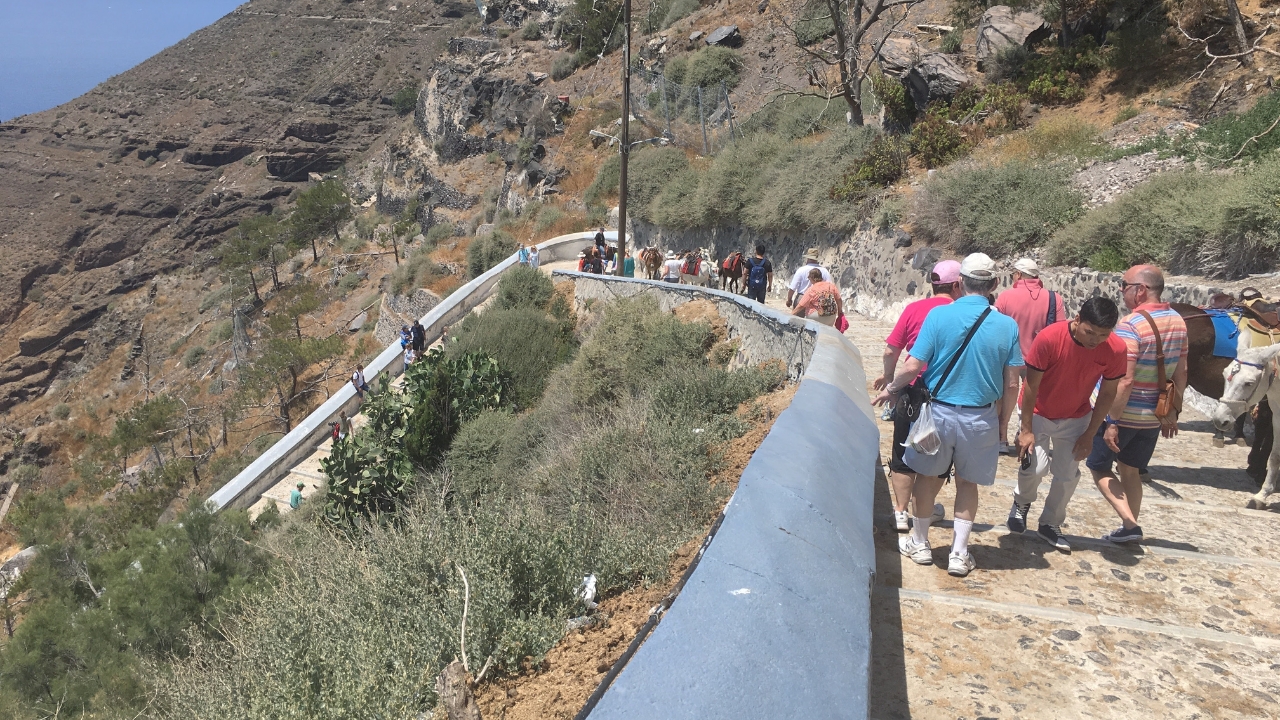
Running alongside the cable car route is a steep zigzag pathway often referred to as the “donkey path.”

You can either:

  • Walk it on foot

  • Ride a donkey

It’s important to understand what this involves.

The path consists of hundreds of uneven stone steps. It’s steep, exposed to the sun and shared with donkeys, which means you’ll need to watch your footing carefully.

We’ve walked it ourselves when the cable car queue was exceptionally long — and I did it in flip-flops (not recommended). Between the heat and navigating around donkey traffic, it’s certainly memorable.

As for riding the donkeys, views differ. Some visitors consider it part of Santorini’s tradition, while others have concerns about animal welfare, especially during very hot weather.

We personally chose not to use them as transport.

If you decide to walk, wear proper footwear and allow extra time. It’s manageable — just not casual.


🚍 Organised Excursion Transfers (Athinios Route)

If you’re on a cruise ship excursion, you may avoid the cable car entirely.

Many organised tours tender guests to Athinios Port on the southern side of the island, where coaches transport you to Oia, wineries or other highlights. Some excursions may also operate near Ammoudi Bay below Oia.

These tours often end in Fira, giving you free time before you make your own way down via cable car or the donkey path.

This route avoids the uphill bottleneck at the Old Port — but it doesn’t eliminate the need to plan your return carefully.


Which Option Is Best?

For most independent cruisers:

✔ Cable car up early in the morning
✔ Explore at your own pace
✔ Return before peak afternoon queues

If cable car lines are extreme and you’re physically able, walking is an option — just go prepared.

Santorini is breathtaking.

But getting up and down the cliff is the logistical challenge you need to manage first.
How to Get to Oia From Santorini Cruise Port

Oia is the postcard version of Santorini.

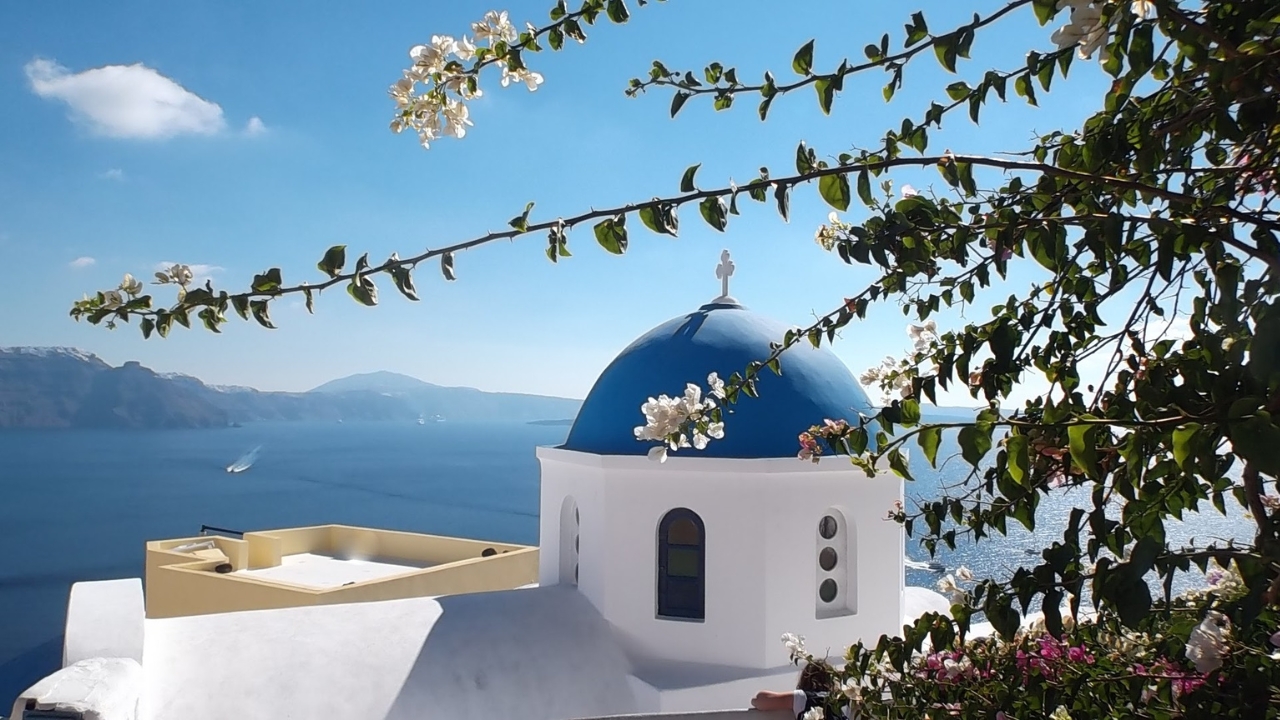
Whitewashed houses tumbling down the cliffside. Blue-domed churches. Sunset viewpoints that appear on every brochure. It’s beautiful — but it requires planning from a cruise ship.

Here’s how it works.


🚠 Step 1: Reach Fira First

If you’re tendered to the Old Port, you must first reach Fira via:

  • Cable car

  • Walking the donkey path

  • Or arriving via organised excursion transfer

There is no direct route from the Old Port to Oia.

Once you’re in Fira, you then continue to Oia.


🚌 Bus From Fira to Oia

This is the most common independent option.

  • Journey time: Around 20–30 minutes

  • Cost: Relatively inexpensive

  • Departure point: Fira central bus station

Buses run regularly throughout the day, but queues can build — particularly late morning and mid-afternoon when cruise passengers move in waves.

If multiple ships are in port, expect crowds.


🚕 Taxi to Oia

Taxis are available in Fira, though supply is limited.

  • Faster than the bus

  • More expensive

  • May require some waiting during peak periods

If you’re travelling as a small group, this can be a practical option — just factor in availability.


🚍 Cruise Ship Excursion to Oia

Many cruise lines offer structured tours that:

  • Transfer you via Athinios Port

  • Take you directly to Oia by coach

  • Include guided commentary

  • Often finish in Fira for free time

This avoids the cable car queue on arrival, though you’ll still need to descend independently later in the day.

It’s the simplest option for first-time visitors who don’t want to manage transport logistics.


Is Oia Worth It on a Cruise Day?

Yes — but timing matters enormously.

Oia is at its best:

  • Early in the morning

  • Late in the day

  • Or on less crowded sailings

Midday, particularly between 11am and 3pm, it can feel extremely busy when cruise traffic peaks.

If your port time is short (6 hours or less), you may find that:

  • Staying in Fira

  • Walking towards Imerovigli

  • Or focusing on caldera viewpoints

is a more relaxed experience.

If you have a longer day and arrive early, Oia is absolutely achievable — just avoid trying to cram in too much.


Santorini isn’t difficult.

It’s just layered.

Tender timing, cable car queues, bus routes and return logistics all need to align. But once you understand the sequence, the island becomes far easier to navigate.
Best Things to Do on a Santorini Cruise Stop

Santorini is visually spectacular — but your cruise day will revolve around timing and energy.

Between tendering, ascending the cliff and factoring in return queues, it’s important not to overpack your schedule. A focused plan will feel far more enjoyable than trying to cover the entire island.

Here’s what works well on a typical 6–8 hour stop.


🏛️ Explore Fira

Once you reach the top of the cliff, Fira is your starting point.

It’s lively, scenic and full of:

  • Caldera viewpoints

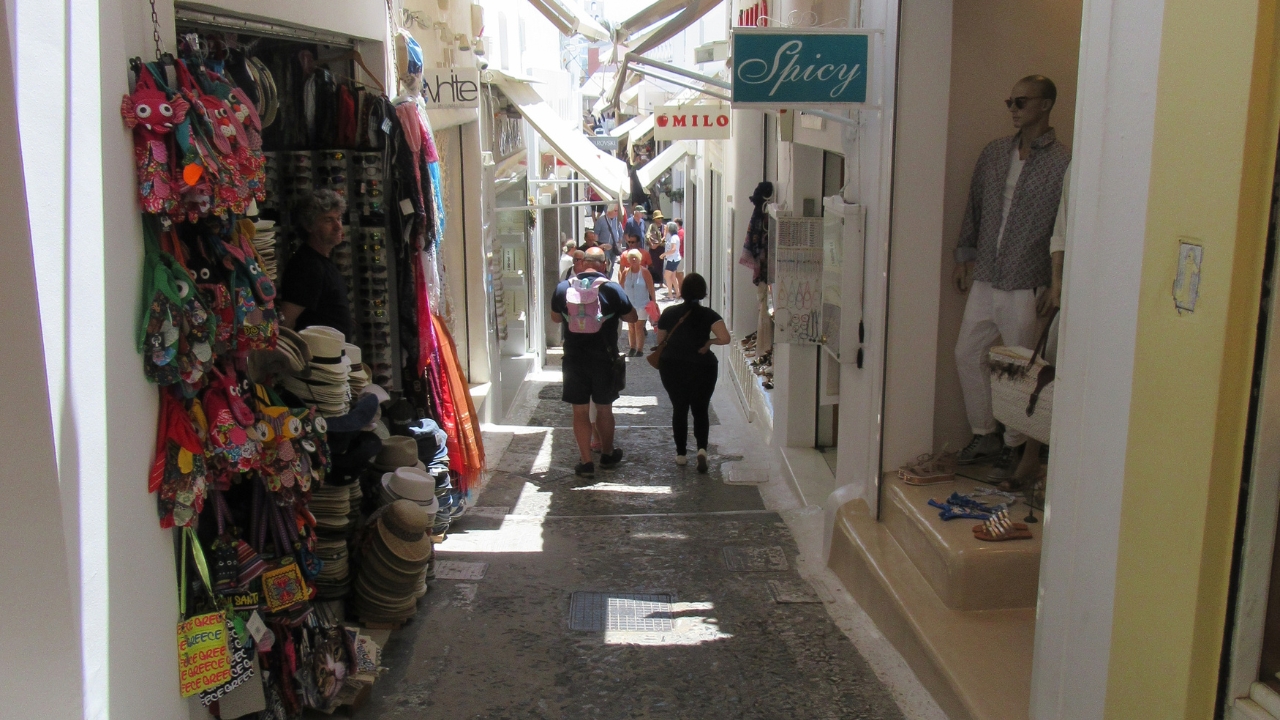
  • Narrow pedestrian lanes

  • Boutique shops

  • Cafés and wine bars

  • Small museums

You don’t need a checklist here. Simply walking along the caldera path delivers constant views.

If you prefer a quieter stretch, head slightly north towards Imerovigli, where the scenery remains dramatic but foot traffic thins out.

Allow 1–2 relaxed hours to explore without rushing.


🌅 Visit Oia (If Timing Allows)

Oia is the Santorini you see in postcards.

If you arrive early or have a longer port day, it’s worth the journey. Wander the narrow lanes, pause at the blue-domed churches and follow the caldera edge for sweeping views.

But be honest with your schedule:

  • Tender delays

  • Cable car queues

  • Bus return timing

can all compress your available time quickly.

If your day is shorter, staying closer to Fira may be more enjoyable than rushing north and back.


🍷 Visit a Winery

Santorini’s volcanic soil produces distinctive wines, particularly Assyrtiko.

Several wineries offer tastings with caldera views. Many cruise excursions include a winery stop, but you can also arrange visits independently via taxi from Fira.

This works particularly well if:

✔ You’ve already visited Oia on a previous trip
✔ You prefer a seated experience with views
✔ You want something structured but relaxed


🚶 Walk the Caldera Path

For a scenic but manageable activity, walk a section of the Fira to Imerovigli path.

You don’t need to complete the entire route. Even a partial walk gives you:

  • Sweeping caldera views

  • Photo opportunities

  • A slightly calmer atmosphere

It’s one of the simplest ways to experience Santorini without additional logistics.


🌊 Consider a Beach Stop (With Caution)

Santorini has distinctive volcanic beaches — but they require travel time.

Reaching places like Perissa or Kamari typically involves a bus or taxi journey across the island. On shorter cruise days, this can eat into your schedule.

Unless you have a long port stay, beach visits are often better suited to land-based holidays than cruise stops.


A Realistic Santorini Cruise Day

For most independent cruise passengers, a balanced day might look like:

  • Early tender ashore

  • Cable car up

  • Explore Fira

  • Optional bus to Oia (if time allows)

  • Late lunch away from the cliff edge

  • Cable car down before peak return queues

Simple. Strategic. Enjoyable.

Santorini is about views and atmosphere — not racing between attractions.
⚠️ A Quick Word About Caldera-View Prices

Santorini’s caldera views are extraordinary.

And businesses know it.

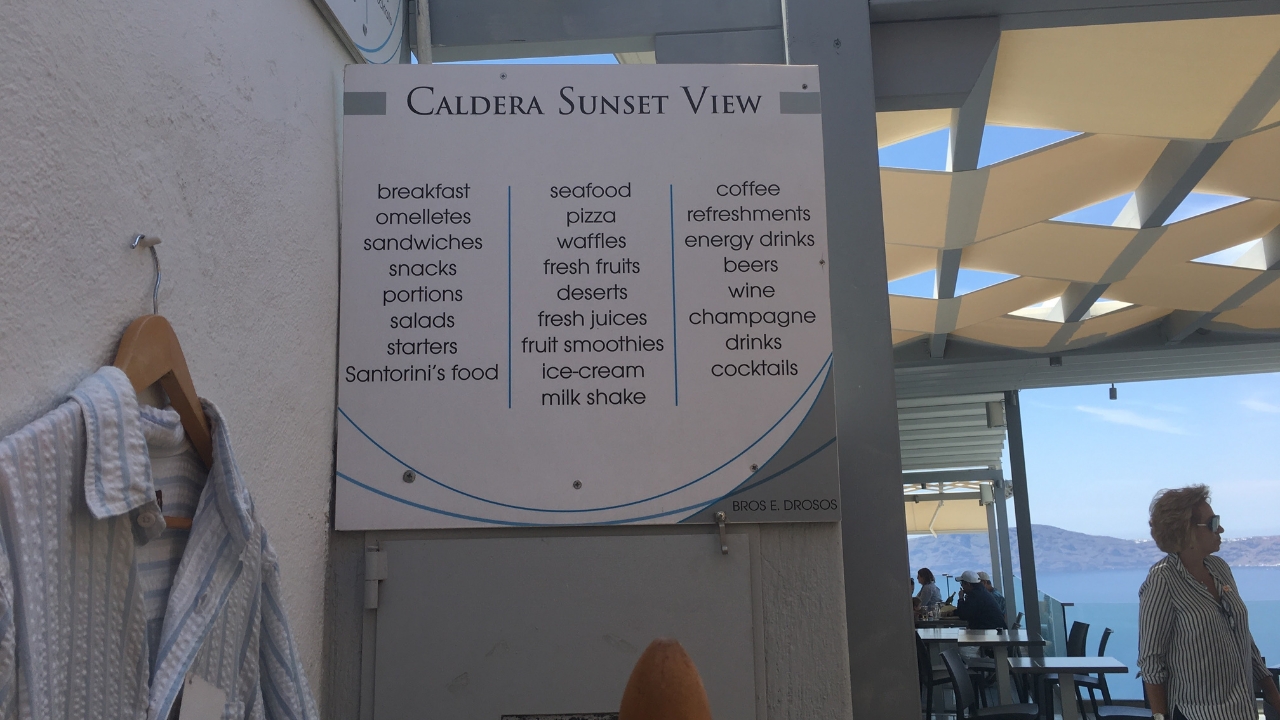
Bars and tavernas perched right on the cliff edge charge a noticeable premium for that backdrop. You’re not just paying for a drink — you’re paying for a front-row seat to one of the most photographed views in Europe.

That’s fine, as long as you know what you’re signing up for.

On one visit, we sat down at a caldera-view bar and ordered two beers. When the bill arrived, we were charged almost double the price shown on the menu. When we queried it, we were told those were “old menu prices.”

An old trick.

So here’s the practical advice:

  • Confirm prices before ordering, especially for drinks.

  • Make sure the menu you’re reading is current.

  • Don’t feel awkward asking — it’s far less awkward than disputing a bill later.

If you’re happy with the price for that view, go ahead and enjoy it. Just do so knowingly.


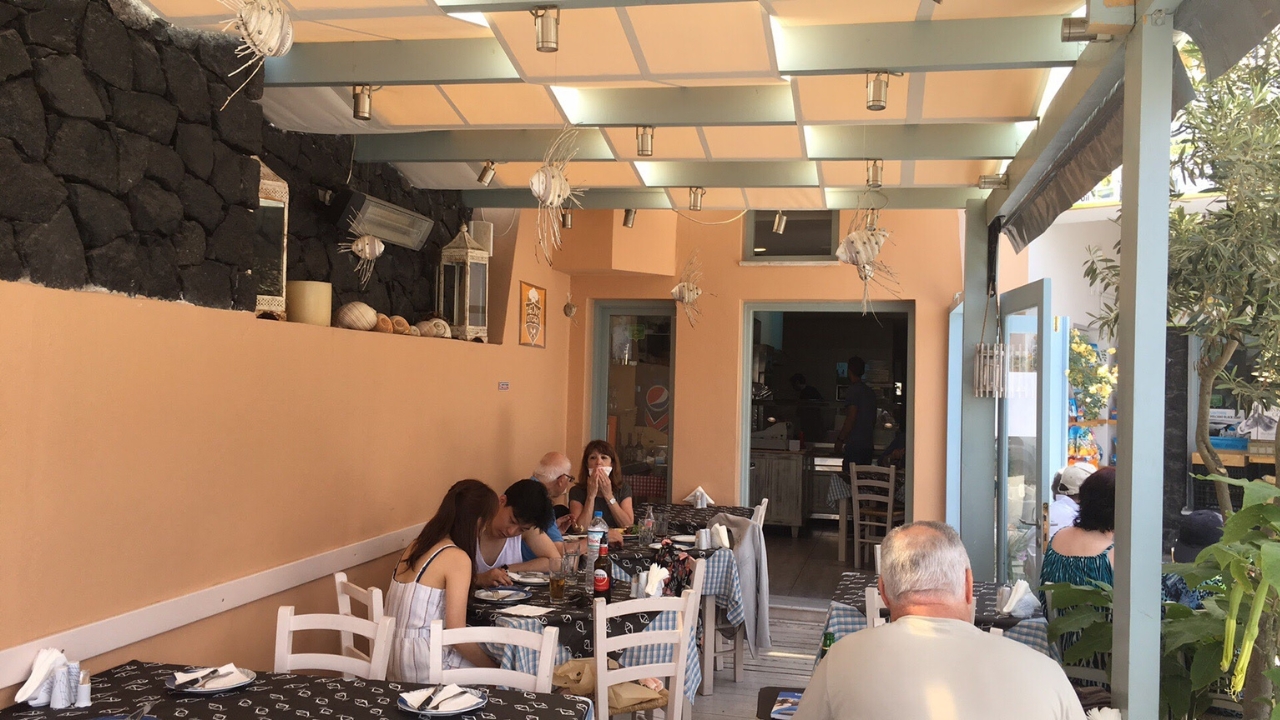
🍽️ Better Value a Few Streets Back

The good news? You don’t have to walk far to find more reasonable prices.

Step just a few streets away from the caldera edge and you’ll often find:

  • Lower drink prices

  • More relaxed atmospheres

  • Generous portions

  • Food that feels less tourist-driven

Two places where we’ve had genuinely excellent lunches:

You may lose the dramatic cliffside backdrop — but you’ll likely gain better food and a bill that feels far more reasonable.
Santorini Crowds & Timing Strategy

Santorini isn’t difficult.

It’s just busy.

On peak summer days, multiple cruise ships can anchor in the caldera at once. Add land-based visitors and overnight hotel guests, and you can quickly have several thousand people moving between the Old Port, Fira and Oia within similar time windows.

The key isn’t avoiding crowds completely — that’s unrealistic.

The key is moving before or around them.


⏰ 1️⃣ Get Ashore Early

If you’re exploring independently, aim for one of the first tenders.

Arriving early means:

  • Shorter cable car queues

  • Quieter streets in Fira

  • A better experience in Oia if you’re heading there

Waiting until mid-morning almost guarantees you’ll meet the biggest surge of passengers.


🚠 2️⃣ Don’t Leave the Cable Car Until the Last Minute

This is where many cruise passengers misjudge their day.

The return cable car queue in the afternoon can grow quickly — especially when:

  • Multiple ships share similar all-aboard times

  • Excursions release groups back into Fira at once

If you see a queue building, don’t assume it will move quickly.

As a general rule, aim to be heading down at least 60–90 minutes before your ship’s all-aboard time if you’re relying on the cable car.

Walking the donkey path down is possible (we’ve done it), but it’s steep, busy and not ideal in unsuitable footwear or extreme heat.


🚌 3️⃣ Factor in Oia Travel Time

If you’re planning to visit Oia:

  • Allow 30 minutes each way for the bus

  • Expect waiting time

  • Build in flexibility

Trying to squeeze Oia into a short port day often creates unnecessary stress. If your stop is under 6 hours, staying near Fira may feel far more relaxed.


🍽️ 4️⃣ Eat Strategically

Peak lunch hours (12pm–2pm) mean:

  • Busier terraces

  • Higher prices at cliffside spots

  • Slower service

Either eat slightly earlier, later, or a few streets back from the caldera edge.


🧭 A Smarter Santorini Flow

For most cruise passengers, a smoother day looks like this:

  • Early tender ashore

  • Cable car up before queues build

  • Explore Fira or head to Oia

  • Late lunch away from peak spots

  • Begin return before the main afternoon rush

Santorini rewards those who move early and return calmly.

If you plan with timing in mind, the island feels spectacular rather than stressful.
Is Santorini Worth It on a Cruise?

Santorini delivers spectacle.

Few cruise ports offer that same first impression — a ship anchored in deep blue water beneath a sheer cliff crowned with whitewashed buildings. The setting alone makes it memorable.

But Santorini is not effortless.

Unlike Kotor, where you step straight into town, or Dubrovnik, where a short taxi solves most logistics, Santorini requires a little patience. Tender boats, cable car queues and shared transport all shape the rhythm of your day.

If you go in expecting serenity at noon in July, you may be frustrated.

If you go in expecting views, movement and a little choreography, you’ll likely love it.

Santorini works particularly well for cruise passengers who:

  • Arrive early and move ahead of peak flows

  • Choose one or two key experiences rather than five

  • Build in return buffer time

  • Accept that cliffside views often come with cliffside pricing

For some, it becomes a highlight of the itinerary — dramatic, unique and instantly recognisable.

For others, especially those who prefer quieter, less structured ports, it can feel busy and managed.

That’s not a flaw. It’s simply the reality of a world-famous destination handling thousands of visitors per day.

If your itinerary includes Santorini, go ashore with a plan.

See the views. Walk the caldera. Enjoy the light on the white buildings.

Just don’t try to do the entire island in six hours — and don’t leave the cable car queue until the final 30 minutes.

Handled well, Santorini feels iconic rather than overwhelming.

Santorini Cruise Port FAQs

Is Santorini a tender port?

Yes. Santorini is always a tender port.

Cruise ships anchor in the caldera and passengers are transferred ashore by smaller tender boats. Independent passengers are usually brought to the Old Port below Fira, while organised excursions may operate via Athinios Port or Ammoudi Bay.

How do you get from Santorini cruise port to Fira?

From the Old Port, you have three options:

  • 🚠 Cable car (the most common choice)

  • 🫏 Walk the donkey path

  • 🚌 Arrive via organised excursion transfer

The cable car is typically the quickest and most comfortable option, though queues can be long during peak periods.

How much is the Santorini cable car?

The cable car usually costs around €10 per person each way, though prices can change.

Journey time is only a few minutes, but queue times can vary significantly depending on how many ships are in port.

Can you walk from Santorini cruise port to Fira?

Yes — via the steep donkey path.

The route consists of hundreds of uneven stone steps and is shared with donkeys. It’s manageable but physically demanding, especially in hot weather. Proper footwear is strongly recommended.

Is Santorini expensive?

Yes — It can be, particularly in cliffside locations with caldera views.

Food and drinks at bars overlooking the caldera can be significantly more expensive than places a few streets back. Checking prices before ordering is always advisable.

I heard there were earthquakes in Santorini. Is it safe to visit?

Santorini sits within a naturally active volcanic and seismic region, which means minor tremors are not unusual.

In early 2025, the island experienced a series of earthquakes that were closely monitored by Greek authorities. Precautionary measures were taken at the time, but tourism infrastructure and cruise operations have since continued as normal.

Cruise lines monitor conditions carefully and will adjust itineraries if safety is ever a concern.

For most visitors, Santorini operates just as you would expect — busy, beautiful and well prepared. If you have specific concerns before travelling, checking official government travel advice or your cruise line’s updates is always sensible.

Is Santorini worth visiting on a cruise?

For many cruisers, yes — the setting is dramatic and instantly recognisable.

However, Santorini requires planning. Managing tender timing, cable car queues and return logistics is essential to enjoying the day without stress.

Final Cruise Planning Tips for Santorini

Santorini rewards preparation more than almost any other Mediterranean cruise port.

Not because it’s difficult — but because it’s layered.

You’re managing tender timing, a cliff ascent, bus routes to Oia and the return queue back to sea level. None of it is complicated once you understand the sequence. It just requires awareness.

A smoother Santorini day usually comes down to a few simple decisions:

  • Take one of the earliest tenders ashore.

  • Choose one or two key experiences, not five.

  • Start heading back down earlier than you think you need to.

  • Confirm prices before ordering at caldera-view spots.

If you treat Santorini as a checklist destination, it can feel rushed.

If you treat it as a place to admire — to walk the caldera, pause for a coffee a few streets back, and take in the volcanic drama — it becomes something else entirely.

It’s not the easiest cruise port.

But it might be the most visually unforgettable.

Handled well, Santorini feels iconic rather than overwhelming — and that’s when it truly shines.

🏛️ Plan Your Eastern Med Cruise

If Santorini is on your cruise itinerary, you might also find these guides helpful:

Dubrovnik Cruise Port

Dubrovnik Cruise Port

Dubrovnik Cruise Port – What to Expect on a Cruise Day

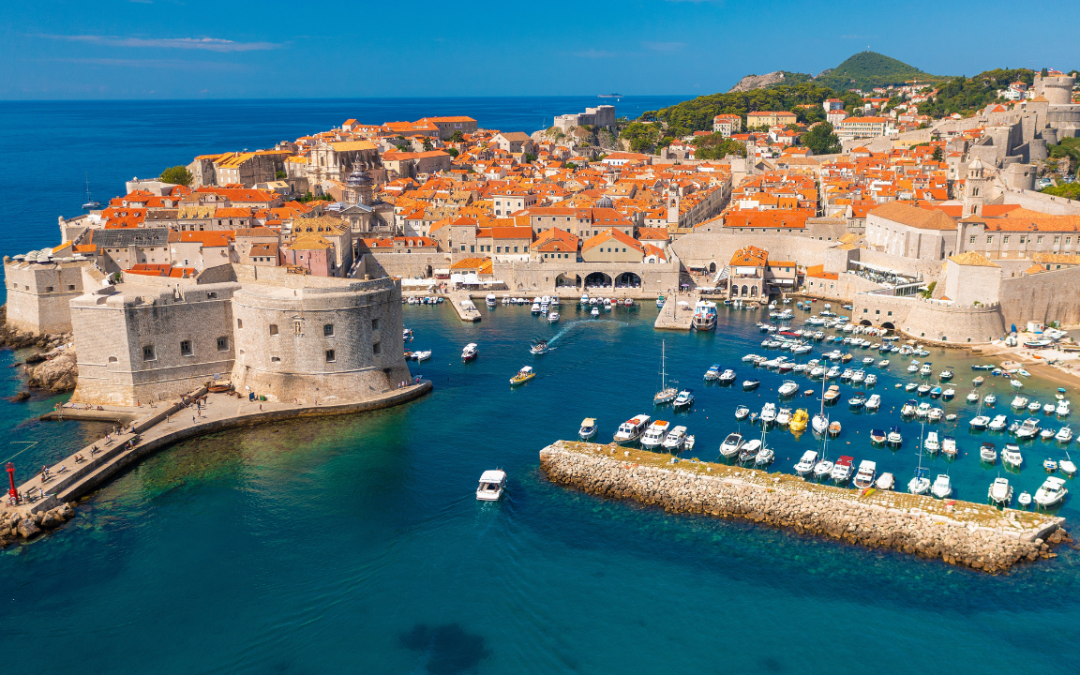
Few cruise sail-ins are as striking as Dubrovnik.

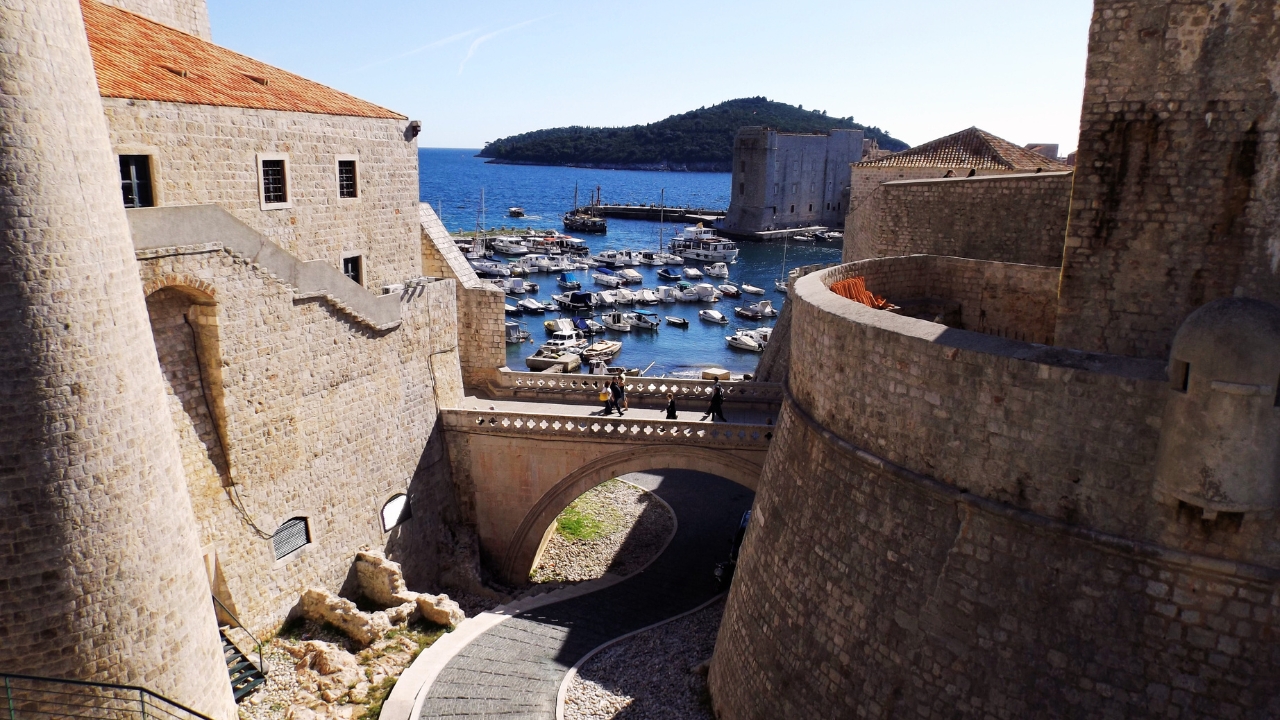
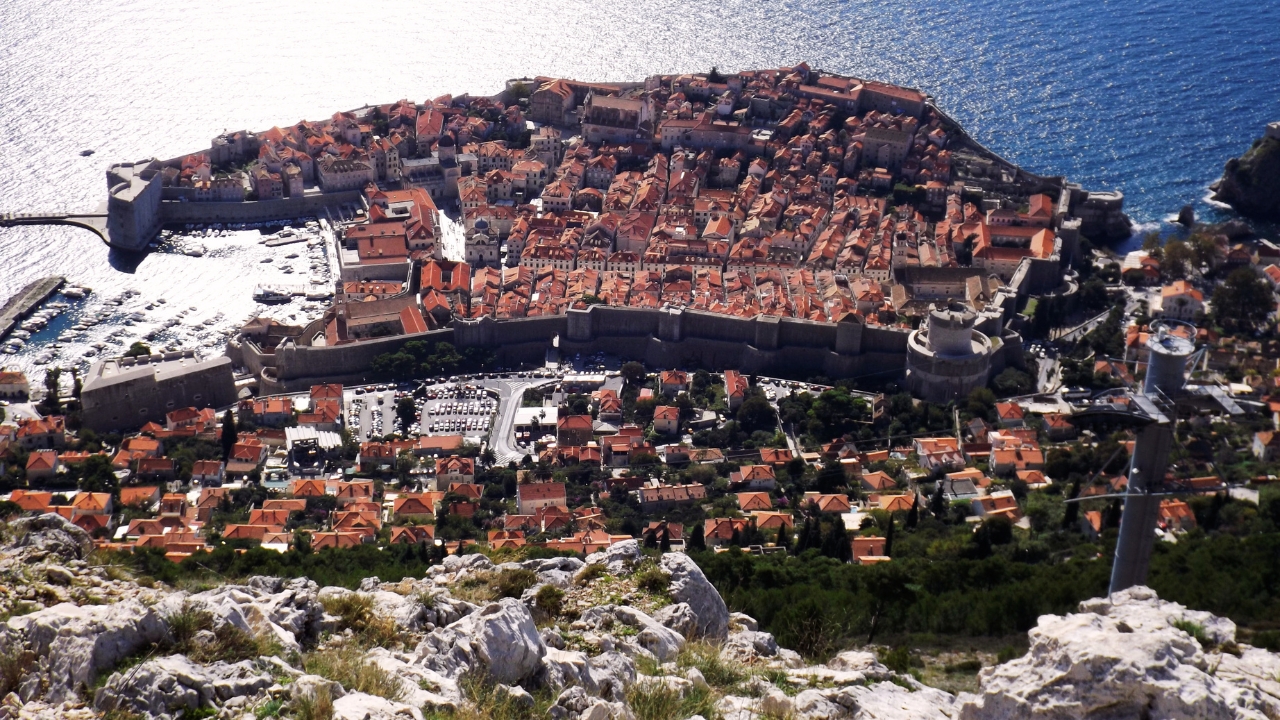
As your ship glides into port, you’ll see the red-tiled roofs of the Old Town rising behind ancient stone walls, backed by steep green hills and the deep blue Adriatic. On a clear day, it almost looks staged — the kind of arrival that has half the ship out on deck before breakfast.

Dubrovnik really is that beautiful.

But — and this is worth knowing — it can also be fiendishly busy.

In the height of summer, several cruise ships may be in port at once. Add land-based visitors and guided tours into the mix and the Old Town can feel crowded by mid-morning. It’s still absolutely worth exploring — you just need to time it smartly.

There’s another practical detail many cruise passengers don’t realise.

Because of traffic restrictions around the historic centre, tour buses cannot wait at drop-off points. Drivers must drop guests and move on. When it’s time for pick-up, they have a narrow window to collect everyone before risking fines.

In other words, be back at your meeting point on time — ideally a few minutes early. If you miss the bus, it won’t be able to wait.

The good news? It’s not a disaster.

A taxi from Old Town back to the cruise port at Gruž takes around 10 minutes and typically costs roughly €10–15, depending on traffic. So while you should absolutely keep an eye on the clock, you’re never stranded if plans change.

With a little awareness and realistic pacing, Dubrovnik makes for one of the most memorable cruise stops in the Mediterranean — dramatic, historic and surprisingly manageable once you understand how it works.

Dubrovnik Cruise Port Overview

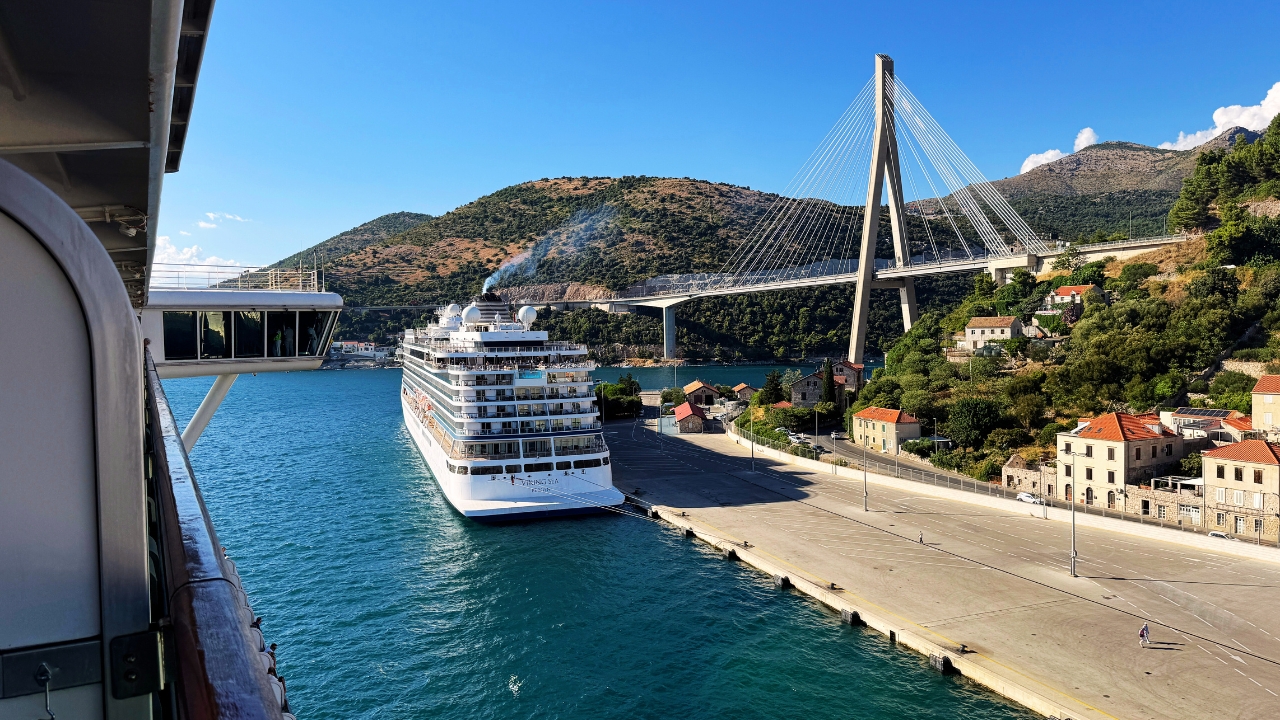
Cruise ships dock at Dubrovnik Cruise Port (Gruž), located just outside Dubrovnik’s historic centre.

Unlike some Mediterranean ports, you won’t be tendered into the Old Town itself. Most ships berth at the main cruise terminal in Gruž, a working harbour area that also serves ferries and local boats. It’s modern, efficient and straightforward — just not especially scenic.

From the ship, you’re around 3 km (about 1.8 miles) from Dubrovnik’s Old Town.

The port area has:

  • Taxi ranks waiting near the terminal

  • Local buses running regularly towards Old Town

  • Cruise line shuttle options (if offered)

  • Basic facilities including ATMs, small shops and cafés

It’s an easy port to navigate. Once you step off the ship, transport options are clearly visible and well organised, particularly on busy cruise days.

One thing to note: traffic around Dubrovnik can build quickly in summer, especially mid-morning when multiple ships are in port. This is another reason why heading out early — or returning slightly ahead of peak times — makes the experience far smoother.

The key takeaway?

Dubrovnik isn’t one of those ports where you step straight into the historic centre — but it’s close enough that getting there is simple, quick and inexpensive with a bit of planning.

How Far Is Dubrovnik Old Town From the Cruise Port?

Dubrovnik’s cruise port at Gruž is approximately 3 kilometres (1.8 miles) from the Old Town.

On paper, that doesn’t sound far. In reality, whether you walk it or not depends on the day, the temperature and how energetic you’re feeling.

Technically, it is walkable. The route follows the main road along the harbour before climbing slightly as you approach the city gates. But in summer heat — often well into the high 20s or 30s Celsius — it can feel much longer than the map suggests. There’s limited shade along parts of the route, and pavements can be narrow in places.

For most cruise passengers, especially on a port-intensive itinerary, we’d suggest taking transport into Old Town and saving your energy for exploring once you’re there.

Travel time by vehicle is usually:

  • Around 10 minutes by taxi

  • 10–15 minutes by local bus, depending on traffic

  • Slightly longer if multiple ships are in port

The short distance is reassuring. You’re close enough that getting back to the ship is quick and inexpensive — but far enough that a little planning makes the day more comfortable.

Next, we’ll break down the exact transport options so you can decide what works best for your cruise day.

Getting From Dubrovnik Cruise Port to Old Town (Bus, Taxi & Shuttle)

Once you step off the ship at Gruž, transport options are easy to spot and well organised — especially on busy cruise days.

Here’s how to get into the Old Town efficiently.


🚌 Local Bus – Budget-Friendly & Reliable

The local buses (usually routes 1A and 1B) run regularly between Gruž Port and the Pile Gate entrance to the Old Town.

  • Journey time: Around 10–15 minutes

  • Cost: A few euros per person

  • Where to board: Bus stop just outside the cruise terminal

Buses can get busy when multiple ships are in port, particularly mid-morning. If you’re travelling independently and don’t mind standing for a short ride, it’s a simple and inexpensive option.

Good choice for:
✔ Budget-conscious cruisers
✔ Early risers heading in before crowds build


🚕 Taxi or Uber – Quickest & Easiest

Taxis are readily available at the port, and Uber operates reliably in Dubrovnik.

  • Journey time: Around 10 minutes

  • Typical cost: €10–15 per car

  • Drop-off point: Near Pile Gate (main Old Town entrance)

If you’re travelling as a couple or small group, this is often the most convenient option. Split between two or three people, it’s not much more than the bus — and considerably more comfortable on a hot day.

It’s also the simplest solution if you’re short on time or returning close to all-aboard.


🚢 Cruise Line Shuttle – Convenient but Check the Cost

Some cruise lines offer a shuttle service into Old Town.

This can be convenient, particularly for first-time visitors who prefer everything organised. However, it’s worth comparing the price to local taxis, as the shuttle is often more expensive.

On busy days, shuttle queues can also build up mid-morning.


Our Practical Take

If it’s your first visit and the weather is warm, we’d take a taxi into town early, explore at a relaxed pace, and then decide how to return depending on energy levels.

The key is timing.

Dubrovnik feels very different at 8:30am compared to 11:30am when multiple ships have emptied into the city walls.

Head in early, pace yourself, and allow a buffer when returning to the ship — especially if travelling independently.

Best Things to Do in Dubrovnik on a Cruise Stop

Dubrovnik isn’t a port where you need a 25-item checklist. On a typical 6–8 hour stop, a handful of well-timed experiences will give you the best of the city without feeling rushed.

Here’s how we’d structure the day.


🧱 Walk the City Walls

If you only do one major activity, make it this.

The medieval walls loop around the Old Town and give you postcard views over terracotta rooftops, hidden courtyards and the Adriatic beyond. It’s spectacular — but exposed.

Cruise tip:
Go early. By late morning in summer, the combination of heat and crowds can turn it into more endurance event than scenic stroll.

Allow around 60–90 minutes.


🚠 Take the Cable Car to Mount Srđ

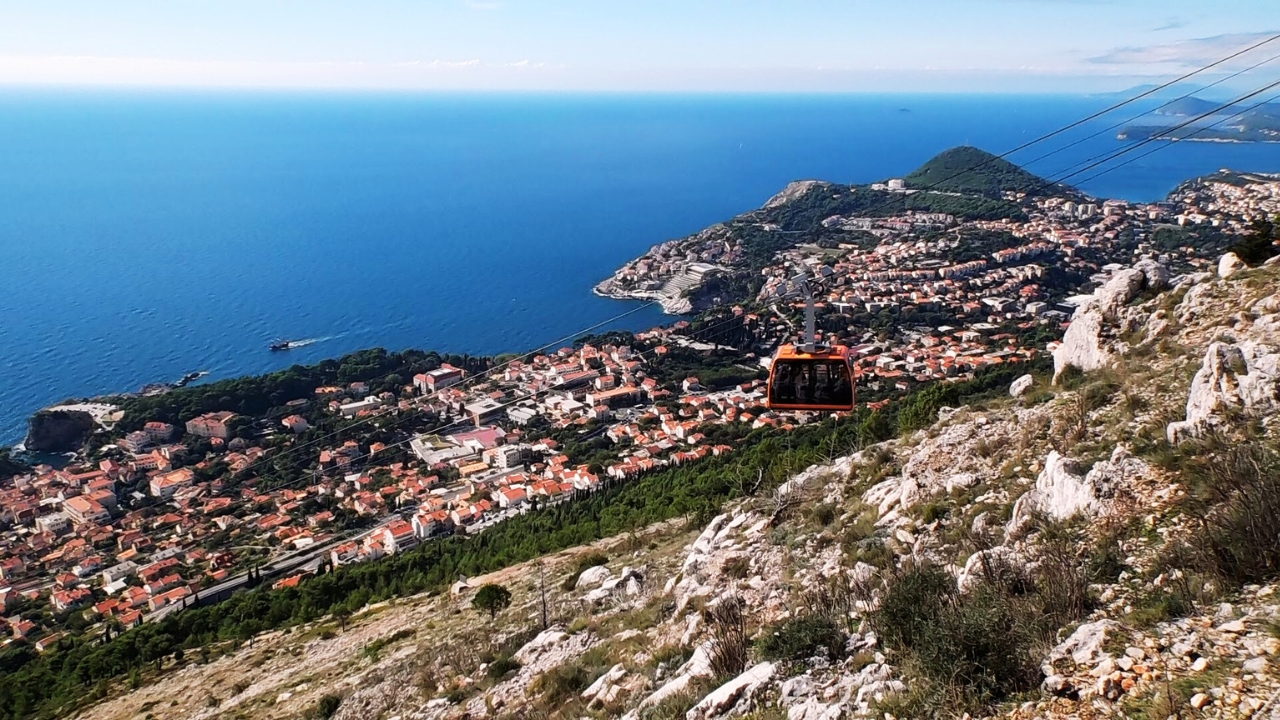
For the classic Dubrovnik panorama, the cable car up Mount Srđ delivers.

It’s quick, efficient and ideal if you want that dramatic “Old Town from above” shot without a long hike. You can combine it with a wander through Old Town afterwards.

Again, earlier is better.

🏛️ Explore Old Town at Street Level

This is where Dubrovnik shines.

Forget racing between landmarks. Wander:

  • The Stradun (main street)

  • Side alleys climbing uphill

  • Small churches and shaded courtyards

  • West Harbour and Beach Šulić for quieter views

Give yourself time to just absorb it.

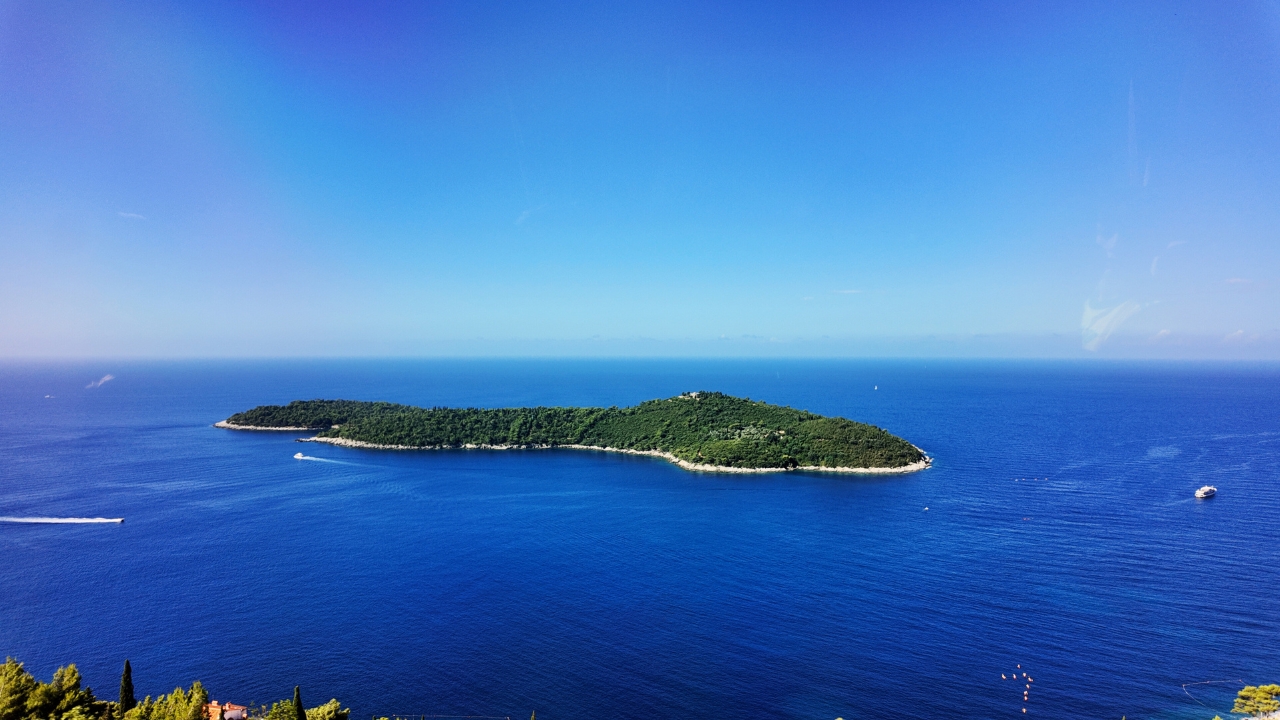
🛥️ Take the Boat to Lokrum Island

If Old Town starts to feel crowded — or you simply want a change of scenery — hop on the short boat ride to Lokrum Island.

The ferry departs from Dubrovnik’s Old Harbour and takes around 15 minutes. Boats run regularly throughout the day during the main season, and the return journey is included in the ticket price.

Lokrum feels like a different world.

Instead of narrow streets and café terraces, you’ll find:

  • Pine forests and shaded walking paths

  • Botanical gardens

  • Rocky swimming spots with incredibly clear water

  • Peacocks wandering around with complete confidence

It’s not about ticking off landmarks — it’s about slowing down.

You can comfortably spend 2–3 hours here before heading back to Old Town and returning to the ship.

Cruise tip:
If you’re tight on time, visit Old Town first, then take the boat over for a relaxed final couple of hours. It’s far calmer than staying inside the walls during peak afternoon crowds.

🌴 Cavtat – A Quieter, Prettier Alternative

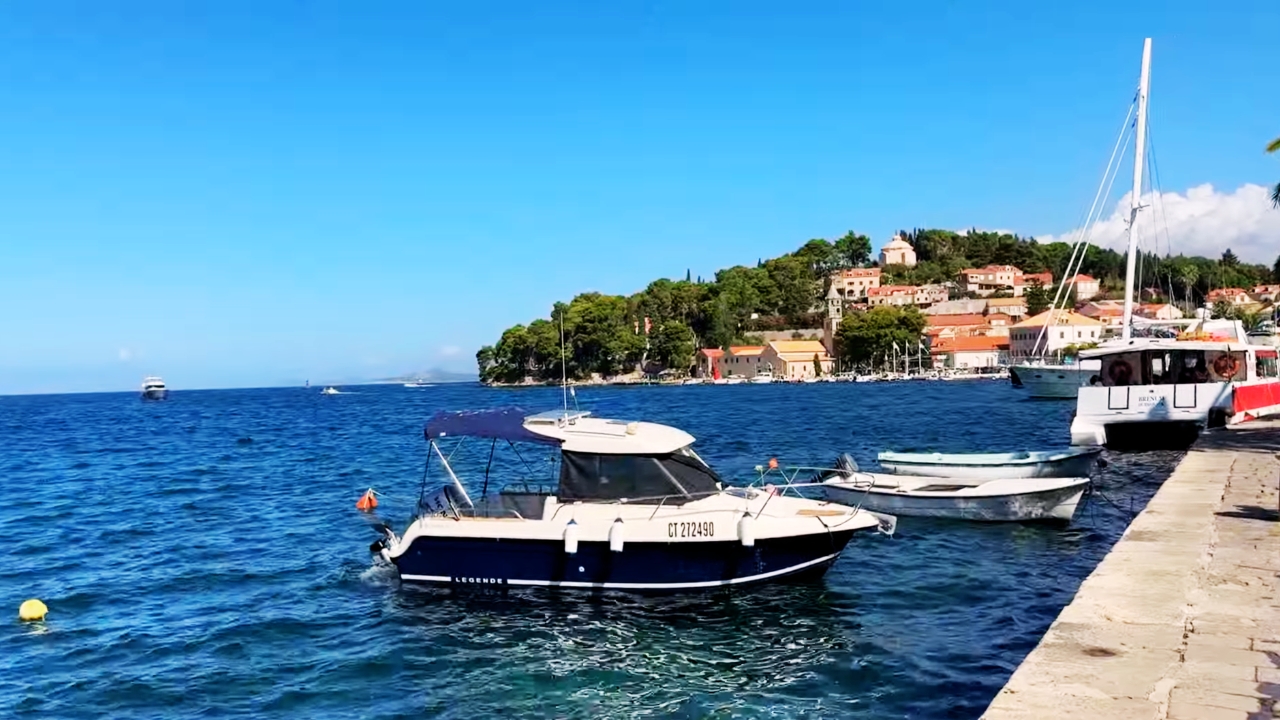
If you’ve visited Dubrovnik before — or simply prefer a more relaxed atmosphere — Cavtat makes a lovely alternative to the Old Town crowds.

Located around 20 km south of Dubrovnik, Cavtat is a small coastal town with a curved harbour, palm-lined promenade and clear swimming spots. It feels polished but unhurried — more Riviera than medieval fortress.

Getting there from the cruise port is straightforward:

  • Taxi: Around 30–40 minutes depending on traffic

  • Typical cost: Approximately €30–40 each way

  • Return taxis: Easily arranged in town or pre-booked

The journey itself is scenic, following the coastline before dropping into Cavtat’s harbour.

Once there, the pace changes completely.

Instead of navigating tour groups and narrow stone lanes, you can:

  • Wander the waterfront promenade

  • Stop for coffee or lunch with a sea view

  • Swim from rocky platforms in the warmer months

  • Climb gently up the peninsula for panoramic coastal views

It’s an easy half-day outing that feels like a proper Mediterranean escape rather than a sightseeing exercise.

Who Cavtat suits best:

✔ Repeat Dubrovnik visitors
✔ Anyone avoiding peak summer crowds
✔ Cruisers who prefer scenery and strolling over structured sightseeing

It won’t replace Dubrovnik’s historic drama — but it offers something equally enjoyable in a very different way.

⚠️ A Quick Word About Prices in Old Town

Let’s be honest.

Food and drink inside Dubrovnik’s walls are noticeably more expensive than in many other Mediterranean ports.

Bars and restaurants right on the main streets charge premium prices — especially during peak cruise hours. You’re paying for location and foot traffic.

Some smaller back-street places may be slightly cheaper, but not dramatically so.

It’s not outrageous… just something to expect.


Tips for Finding More Affordable Eats in Dubrovnik

If you’d rather not pay full “Old Town premium,” here are a few practical ways to keep costs sensible:

Avoid obvious tourist hotspots.
Restaurants directly on the Stradun or beside major landmarks typically carry the highest prices. Step a street or two away and you’ll often find better value.

Check menus before sitting down.
Most places display menus outside. Take a moment to scan prices — especially for drinks — before committing.

Ask for tap water.
Tap water is safe to drink in Dubrovnik. Ordering tap water instead of bottled saves a few euros straight away.

Grab and go.
Pick up sandwiches, wraps or pastries from takeaway spots and enjoy them by the water instead of paying sit-down restaurant prices.

We’ve happily taken food down to West Harbour and Beach Šulić — simple, scenic and far more relaxed than squeezing into a packed terrace at noon.


Budget-Friendly Grab-and-Go in Dubrovnik

If you’re short on time or watching costs, grab-and-go options are your friend on a cruise stop.

Look for:

  • Bakeries selling filled rolls and pastries

  • Sandwich shops just outside the busiest streets

  • Small takeaway counters near Pile Gate

You’ll spend a fraction of sit-down prices and still eat well — with the bonus of choosing your own sea view.

Is Dubrovnik Worth It on a Cruise?

Short answer? Yes.

Longer answer? Yes — with the right expectations.

Dubrovnik is undeniably beautiful. The city walls, the Adriatic backdrop, the terracotta rooftops — it really does look like the postcards. For first-time visitors especially, it’s one of the most visually striking cruise stops in the Mediterranean.

But it’s not a hidden gem.

In peak summer, it can feel crowded — particularly between late morning and early afternoon when multiple cruise ships are in port. If you arrive expecting peaceful medieval streets with no one else around, you may be disappointed.

If you arrive early, pace yourself and plan realistically, it’s a very different experience.

The key is timing.

Head into Old Town as early as possible. Consider starting with the city walls or the cable car before temperatures rise. Build in time for a slower wander once the tour groups move through. Or, if you prefer space and scenery, choose Lokrum or Cavtat instead.

Dubrovnik works best when you:

  • Avoid peak midday bottlenecks

  • Keep transport simple

  • Allow buffer time returning to the ship

  • Accept that you’re visiting one of Europe’s most popular historic cities

For many cruisers, it’s a highlight of the itinerary.

For repeat visitors, it becomes a place to explore differently — perhaps skipping the walls and lingering by the water instead.

Either way, Dubrovnik rewards a little planning.

It’s dramatic, historic and memorable — just not somewhere to “wing it” at 11:30am in August and hope for serenity.

Dubrovnik Cruise Port FAQs

Is Dubrovnik walkable from the cruise port?

Technically yes — but it’s not ideal for most cruise passengers.

The distance from Gruž Port to Old Town is around 3 km (1.8 miles). In cooler weather it’s manageable, but in peak summer heat the walk can feel much longer due to limited shade and traffic along parts of the route.

Most visitors choose a taxi or bus instead.

How far is Dubrovnik Old Town from the cruise port?

Old Town is approximately 3 km (1.8 miles) from Gruž Cruise Port.

By taxi, the journey takes around 10 minutes. By local bus, allow 10–15 minutes depending on traffic.

How much is a taxi from Dubrovnik cruise port to Old Town?

A taxi or Uber typically costs between €10–15 each way, depending on traffic and time of day.

It’s quick, convenient and often good value when shared between two or more people.


Is there a shuttle from Dubrovnik cruise port?

ome cruise lines offer shuttle buses into Old Town, though availability and pricing vary by ship.

Before booking, it’s worth comparing the cost with a local taxi, which is often similarly priced and more flexible.

Is Dubrovnik expensive?

Inside the Old Town walls, yes — prices for food and drink are noticeably higher than in many other Mediterranean ports.

You can reduce costs by:

  • Choosing takeaway options

  • Checking menus before sitting down

  • Drinking tap water instead of bottled

Outside the historic centre, prices tend to be more moderate.

Final Cruise Planning Tips for Dubrovnik

Dubrovnik is one of those ports that rewards a little forward thinking.

Arrive with a loose plan, head into Old Town early and keep an eye on the clock — especially if you’re travelling independently. Traffic restrictions and busy streets mean timings matter more here than in some other Mediterranean stops.

A few simple strategies make the day smoother:

  • Start early. The city feels completely different at 8:30am compared to late morning.

  • Use transport wisely. A €10–15 taxi can save energy and time.

  • Build in a buffer. Aim to be back near the port area at least 45–60 minutes before all-aboard.

  • Stay hydrated. Summer heat and stone streets reflect warmth quickly.

  • Keep expectations realistic. It’s popular for a reason — but it’s rarely quiet in peak season.

If it’s your first visit, Dubrovnik will likely be a highlight of your Eastern Mediterranean cruise.

If it’s a return call, consider doing it differently — skip the walls, take the boat to Lokrum, or escape to Cavtat for a slower pace.

Either way, with a bit of smart timing, Dubrovnik delivers exactly what you hope for: dramatic views, layered history and that unmistakable Adriatic atmosphere.

🏛️ Plan Your Eastern Mediterranean Cruise

If Dubrovnik is on your itinerary, you might also find these guides helpful:

Kotor Cruise Port – What to Expect on a Cruise Day

Kotor Cruise Port – What to Expect on a Cruise Day

​Kotor Cruise Port – What to Expect on a Cruise Day

Sailing into Kotor is not your average port arrival.

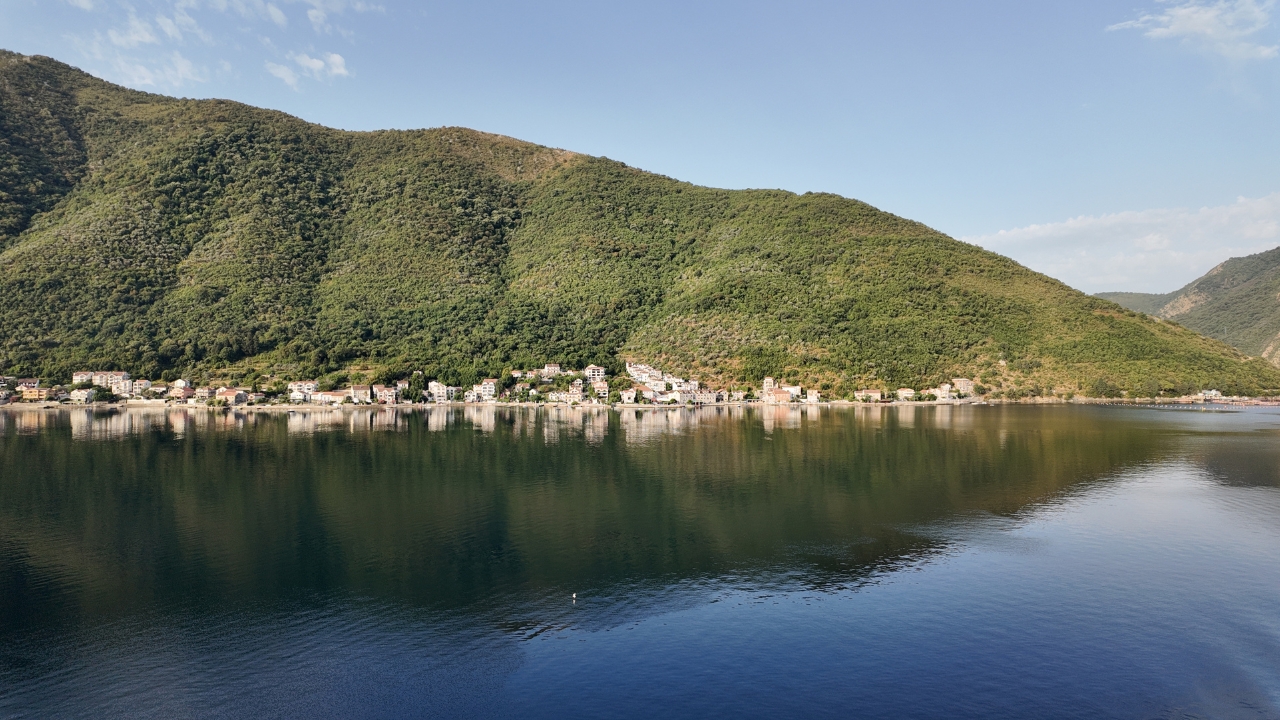
When we visited in July 2025 onboard P&O Azura, it wasn’t the town that impressed us first — it was the approach. The ship glided slowly through the Bay of Kotor in the early morning light, mountains rising steeply on both sides, the water glassy and still. It feels almost fjord-like — dramatic, enclosed and unexpectedly peaceful.

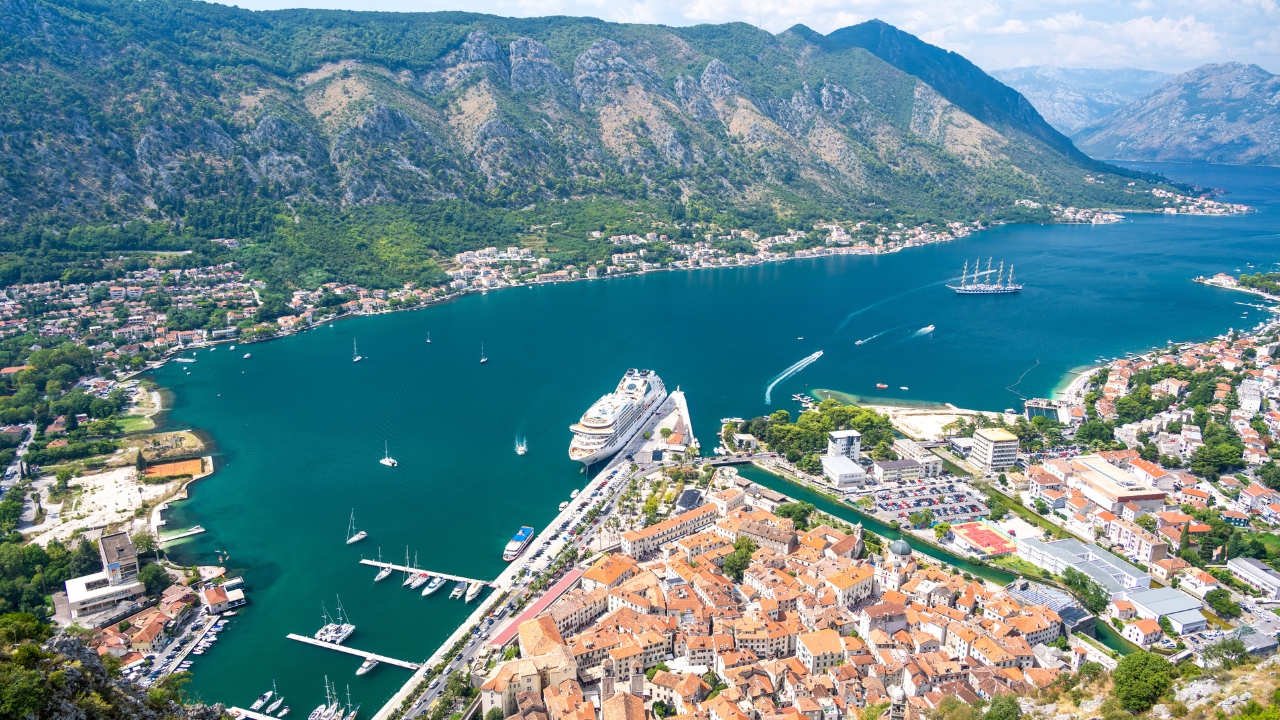
By the time the Old Town finally comes into view, tucked beneath towering limestone cliffs, you’ve already had one of the best sail-ins in Europe.

Kotor itself is compact, atmospheric and far easier to navigate than some larger Mediterranean ports. But like Dubrovnik, timing still matters. Cruise days can be busy, particularly when multiple ships are tendering passengers ashore.

The good news?

Once you’re off the ship, you’re practically steps from the Old Town gates. No long transfers. No complicated logistics. Just stone streets, medieval squares and mountain views straight ahead.

Kotor isn’t about racing between major landmarks. It’s about soaking up the scenery — and deciding whether to climb high above the bay or drift quietly out onto the water instead.

With a little planning, it makes for one of the most memorable stops on an Eastern Mediterranean itinerary.

Kotor Cruise Port Overview

Kotor Cruise Port is one of the easiest Mediterranean cruise ports to navigate.

Depending on ship size and how busy the bay is, you’ll either dock directly at the small cruise pier or arrive by tender. Larger ships often anchor in the bay and transfer passengers ashore by tender boats, while smaller vessels may dock closer to town.

Is Kotor a Tender Port?

Often, yes.

Tendering is common in Kotor, particularly when multiple ships are in port. The process is usually smooth and well organised, but it’s worth allowing a little extra time in the morning if you’re planning something specific.

On busy days, tender tickets may be issued for independent passengers, while organised excursions are typically prioritised.

The good news is that once you reach shore, everything is close.


How Far Is Kotor Old Town From the Cruise Port?

Very close.

Whether you dock or tender, the Old Town gates are just a short, flat walk from the port area — usually under five minutes.

There are:

  • No long transfers

  • No shuttle buses required

  • No complicated transport logistics

You step off the ship and you’re essentially there.


Port Facilities

Kotor is smaller and simpler than many major cruise ports.

Near the tender pier or docking area you’ll find:

  • Small kiosks and souvenir stands

  • Local tour operators offering boat trips

  • ATMs and currency exchange options

  • Cafés along the waterfront

It’s not a large commercial cruise terminal — and that’s part of the charm.

The setting feels intimate rather than industrial, with mountains rising dramatically behind the harbour.


The key takeaway?

Kotor is logistically far easier than Dubrovnik. Once ashore, you’re free to explore immediately — whether that’s wandering through the Old Town, climbing to the fortress above, or heading out across the bay.

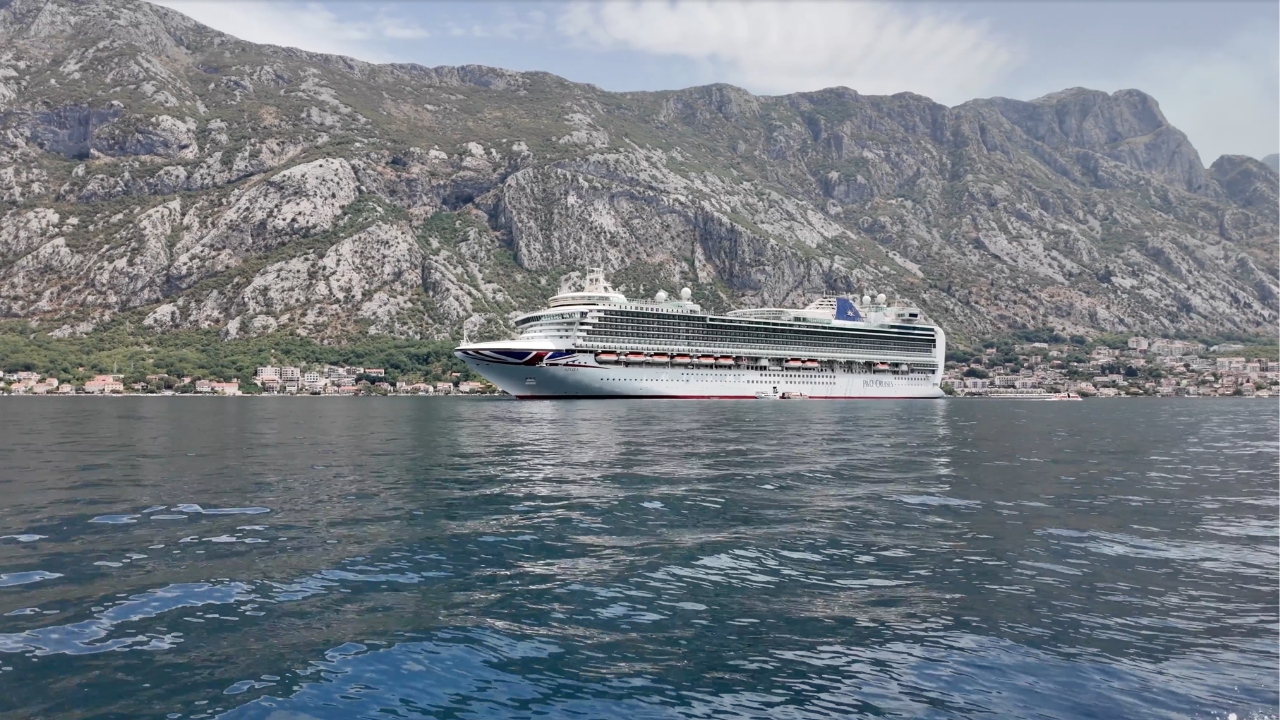
Cruise ship docked at Montenegro Port

Best Things to Do in Kotor on a Cruise Stop

Kotor is compact, which makes it ideal for a cruise visit. You don’t need long transfers or complicated planning — just a rough idea of how much energy you want to spend.

Here’s how we’d structure a typical 6–8 hour port day.


🏰 Explore Kotor Old Town

Start here.

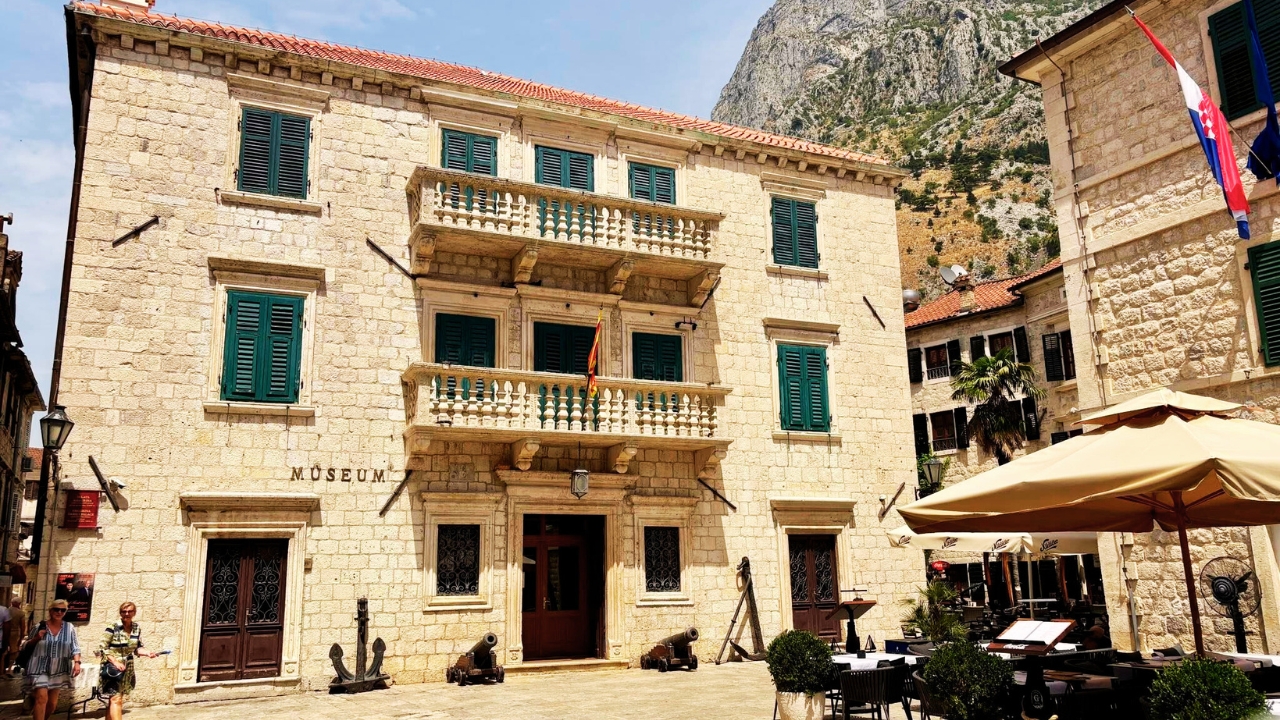
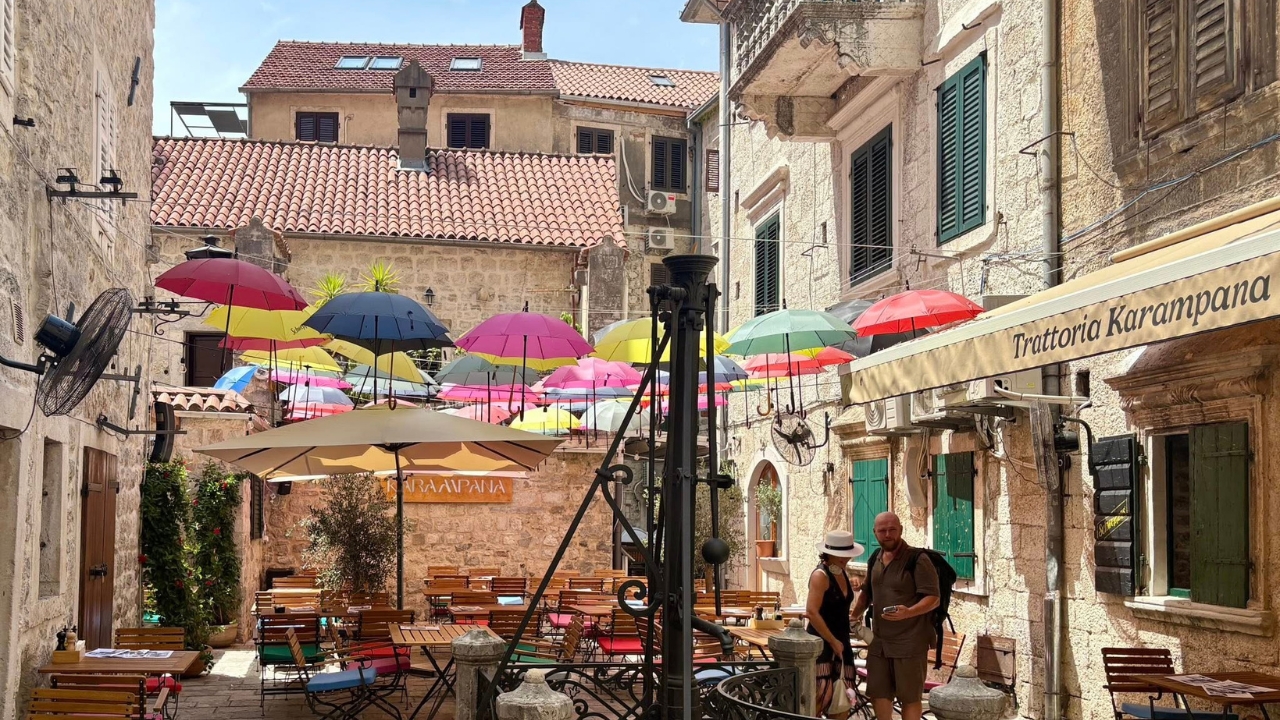
Kotor’s Old Town is a maze of narrow stone streets, shaded squares and medieval buildings tucked inside fortified walls. It’s small enough to explore without a map but detailed enough that you’ll constantly stumble across something unexpected.

Wander slowly.

  • St Tryphon Cathedral

  • The Maritime Museum

  • Hidden alleyways climbing gently uphill

  • Small cafés tucked into quiet corners

Unlike Dubrovnik, you’re not fighting through vast crowds or racing between major landmarks. Kotor rewards unstructured wandering.

Allow around 1–2 hours to explore comfortably.

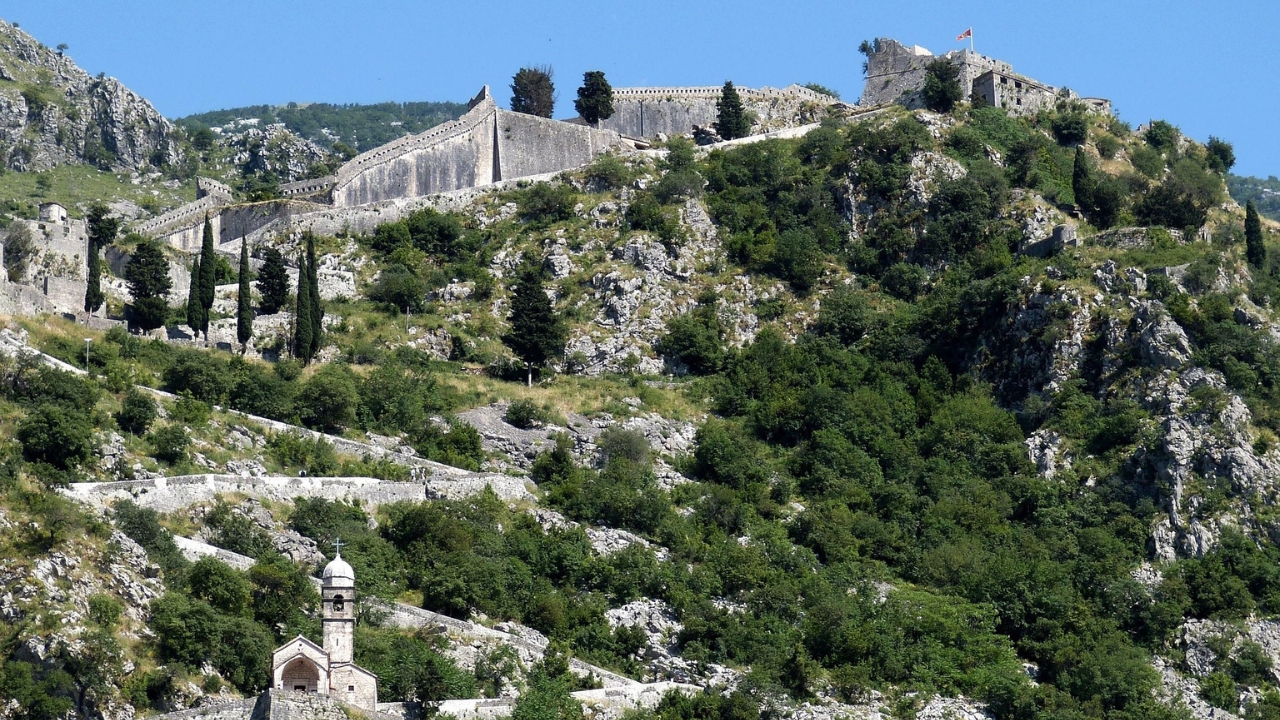
🧗 Climb to St. John’s Fortress

If you’re feeling energetic, this is Kotor’s signature experience.

The climb up to St. John’s Fortress (also called the San Giovanni Fortress) zigzags steeply above the Old Town, offering increasingly dramatic views over the Bay of Kotor.

A few honest notes:

  • It’s steep.

  • There are over 1,300 steps.

  • In July heat, it’s not casual.

  • There is an entrance fee of €15 per person to access the fortress route.

The fee is collected at the start of the climb and is usually payable by card or cash. While €15 may feel a little punchy, you’re paying for the maintenance of the historic fortifications — and the view is genuinely spectacular.

But the panorama from the top? Absolutely worth it if you’re up for the effort.

Allow 1.5–2 hours round trip, depending on pace and photo stops.

Cruise tip:
Go early. By late morning, both heat and foot traffic increase quickly — and climbing in full sun can feel far harder than it looks from below.

If you’d rather not tackle the full ascent, even climbing part way delivers impressive views without committing to the entire staircase.

Image by falco from Pixabay

⛪ Visit St Tryphon Cathedral

For a quieter cultural stop, St Tryphon Cathedral sits right in the heart of Old Town.

It’s one of the most recognisable buildings in Kotor and offers a cool, calm interior — a welcome break from summer sun. It’s also a good option if climbing the fortress isn’t on your list.


☕ Sit in a Square and Slow Down

One of Kotor’s strengths is its scale.

You can simply:

  • Find a café in one of the small squares

  • Order a coffee or cold drink

  • Watch cruise visitors drift through

It’s not a port that demands constant movement. It’s one that benefits from pausing.

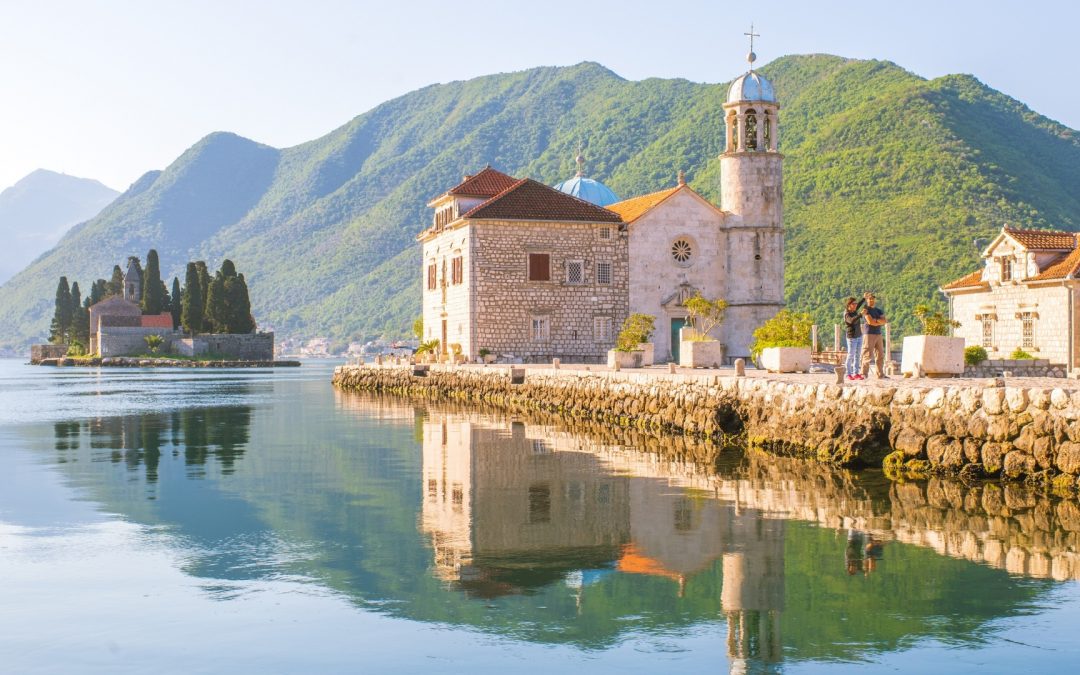
🌊 Perast & Our Lady of the Rocks by Boat

When we visited Kotor, we tendered ashore and chose to explore the bay by water — and it turned out to be one of the highlights of the day.

From the harbour area near the Old Town gates, small boats operate trips across the bay to Our Lady of the Rocks, often continuing on to Perast before returning to Kotor.

It’s a wonderfully relaxed way to see the scenery.

Instead of climbing steps, you’re gliding across calm water with mountains rising dramatically around you.


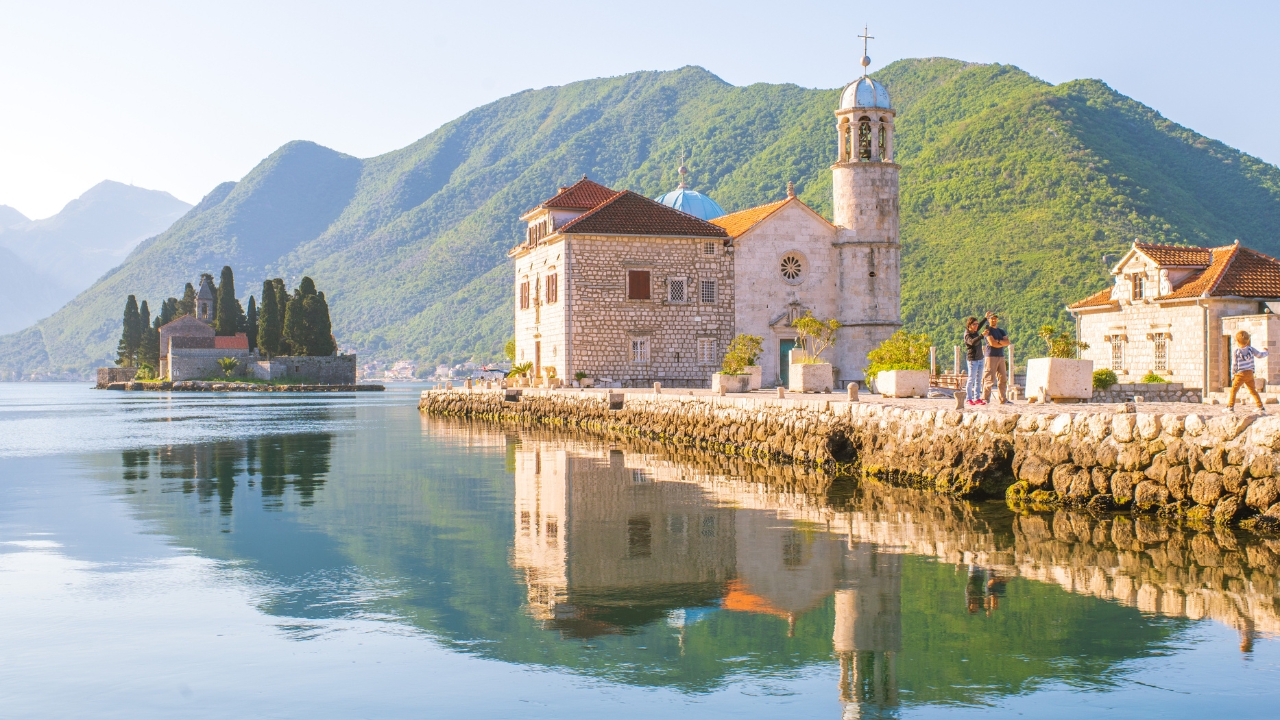
⛪ Stop 1: Our Lady of the Rocks

The boat first stopped at Our Lady of the Rocks, the small man-made island just off Perast’s shoreline.

The visit itself is fairly short — usually around 20–30 minutes — but the setting is striking and very photogenic. It’s one of those places that looks even better in person than in pictures.

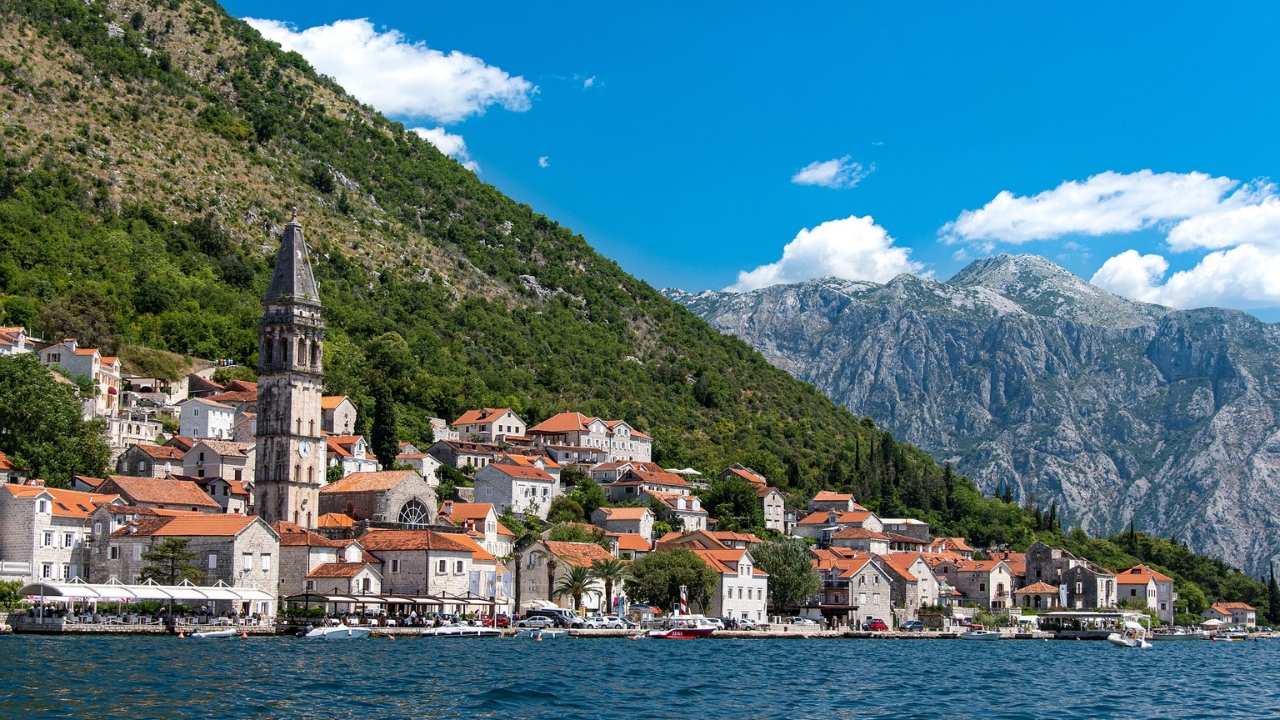
🌴 Stop 2: Perast

After the island visit, we continued on to Perast, where we had time for lunch, coffee and a wander along the waterfront.

Perast is compact and elegant. A curved harbour, pale stone buildings, mountain views and a slower pace than Kotor.

It’s ideal for:

  • A relaxed lunch with a bay view

  • A short promenade stroll

  • Sitting with a coffee and simply taking it all in

We spent a couple of easy hours there before taking the boat back across the bay to Kotor.

Image by Michał from Pixabay

Why This Works Well on a Cruise Stop

This boat combination works particularly well because:

✔ It avoids road traffic
✔ It adds variety to your day
✔ It balances activity with relaxation
✔ It still leaves time to explore Kotor Old Town afterwards

If you’re not planning to climb the fortress, this makes for a beautifully balanced cruise day.

Tender ashore → Boat to the island → Perast for lunch → Boat back → Short Old Town wander → Return to ship.

Simple. Scenic. Unrushed.

P&O Azura, tendered at Kotor, Montenegro

🚤 Boat Trips & Bay Excursions From Kotor

One of the best ways to experience Kotor isn’t on foot — it’s from the water.

The Bay of Kotor is calm, scenic and surprisingly compact, which makes boat trips a natural fit for a cruise stop. You’re surrounded by steep mountains, small waterfront towns and hidden corners that simply aren’t visible from inside Old Town.

There are several ways to do it.


⛪ Kotor to Our Lady of the Rocks & Perast

This is the classic option — and the one we chose.

Small boats operate from near the Old Town harbour, offering:

  • A short crossing to Our Lady of the Rocks

  • Time on the island

  • A stop in Perast

  • Return to Kotor by boat

It’s scenic, relaxed and avoids road traffic completely.

For many cruise passengers, this is the ideal half-day balance of sightseeing and atmosphere.


🌊 Bay of Kotor Scenic Tours

Some operators offer longer scenic loops around the bay.

These typically include:

  • Perast

  • Our Lady of the Rocks

  • Additional coastal viewpoints

  • Occasionally small swimming stops (weather dependent)

These are good if:

✔ You’ve already explored Old Town
✔ You prefer water-based sightseeing
✔ You want to see more of the bay without climbing steps

Just keep an eye on duration. On a cruise stop, 2–3 hours is usually ideal. Longer trips may limit time in Kotor itself.


🐚 Blue Cave & Outer Bay Tours

Some excursions venture further out towards the Adriatic, including Blue Cave stops and swimming breaks.

These are more adventurous and weather-dependent, and often run longer. If your port time is short or you’re tendering, you’ll want to check timings carefully before committing.

They can be fantastic — but they’re more of a commitment than the Perast circuit.


Cruise Line Shore Excursions

Most cruise lines offer organised boat excursions covering:

  • Our Lady of the Rocks

  • Perast

  • Panoramic bay cruising

The advantage is simplicity and guaranteed return timing. The trade-off is usually cost and slightly larger group sizes.


Is a Boat Trip Worth It in Kotor?

If you’re not planning to climb St. John’s Fortress, absolutely.

A boat trip gives you:

  • Perspective of the town from the water

  • Close-up mountain views

  • A slower, more atmospheric experience

Kotor is one of those ports where water and mountains define the scenery — and a boat ride lets you appreciate both properly.

Is Kotor Worth It on a Cruise?

If your cruise itinerary includes Kotor, you’re in for something quietly spectacular.

This isn’t a port that overwhelms you with headline attractions. Instead, it draws you in slowly — first with the sail-in through the bay, mountains rising steeply on both sides, then with the compact Old Town waiting just steps from the pier.

Kotor feels manageable.

There are no long transfers, no complicated logistics and no sense that you need to rush across a sprawling city to “make the most of it.” Within minutes of stepping ashore, you’re wandering medieval streets or looking up at fortress walls climbing high above you.

It suits cruise passengers particularly well because:

  • The town is small enough to explore without pressure

  • The fortress climb gives you a clear focal experience

  • Boat trips add variety without eating up the entire day

  • Perast offers a refined, scenic alternative nearby

Even on busy days — when multiple ships are tendering — the layout keeps things relatively contained. You’re not navigating a vast urban centre. You’re exploring a walled town wrapped tightly around a bay.

Kotor may not have the instant recognisability of some Mediterranean icons, but that’s part of its appeal.

It’s dramatic without being exhausting.
Atmospheric without feeling chaotic.
Compact without feeling limited.

For many cruisers, it becomes an unexpected favourite — not because it tries too hard, but because it doesn’t need to.

Kotor Cruise Port FAQs

Is Kotor a tender port?

Often, yes.

Many larger cruise ships anchor in the Bay of Kotor and tender passengers ashore. Smaller ships may dock directly at the pier. If you’re tendering, allow a little extra time in the morning — especially if you’re exploring independently.

How far is Kotor Old Town from the cruise port?

Very close.

Whether you dock or arrive by tender, the Old Town gates are typically less than a five-minute flat walk from the port area. No shuttle buses or taxis are required.

How long does it take to climb St. John’s Fortress?

Allow around 1.5–2 hours round trip, depending on pace and photo stops.

There are over 1,300 steps, and it’s steep in sections. In summer heat, starting early makes a big difference.

The entrance fee is €15 per person.

Can you visit Perast from a cruise stop in Kotor?

Yes — and it’s one of the most popular half-day options.

Perast is around 15–20 minutes away by taxi or boat. Many cruise excursions combine Perast with a visit to Our Lady of the Rocks.

Is Kotor expensive?

Kotor is generally less expensive than Dubrovnik, particularly for food and drinks inside the Old Town.

Prices still reflect its popularity as a cruise destination, but it tends to feel more moderate overall.

What currency is used in Kotor?

Montenegro uses the Euro (€), even though it is not part of the European Union.

Most restaurants and tour operators accept cards, but having some cash for small purchases or boat trips can be useful.

Final Cruise Planning Tips for Kotor

Kotor is one of those ports that rewards balance.

You don’t need a packed schedule to enjoy it. In fact, trying to do everything can take away from what makes it special — the mountains, the stillness of the bay, the scale of the Old Town.

A few simple tips make the day smoother:

  • Check your tender arrangements early. If your ship is tendering, factor in that extra step when planning your morning.

  • Start the fortress climb early. The views are best before the sun climbs too high — and your legs will thank you.

  • Decide between height or water. Climb the fortress or take a boat trip — doing both can make the day feel rushed.

  • Allow time to wander. Kotor is at its best when you slow down.

  • Keep an eye on return timing. Especially if you’ve ventured to Perast or further around the bay.

Unlike some larger Mediterranean ports, Kotor doesn’t demand urgency.

It’s compact. Atmospheric. Easy to navigate. And framed by some of the most dramatic scenery you’ll experience on a European cruise.

Whether you spend the day climbing high above the bay or drifting quietly across it by boat, Kotor delivers something memorable — not through scale or spectacle, but through setting.

And sometimes, that’s exactly what makes a cruise stop stand out.

Plan Your Eastern Mediterranean Cruise

If Kotor is on your itinerary, you might also find these guides helpful:

Naples Cruise Port: What to Do in One Day

Naples Cruise Port: What to Do in One Day

🌋 Naples Cruise Port: What to Do in One Day

There’s something about Naples that hits you the second you step off the ship.

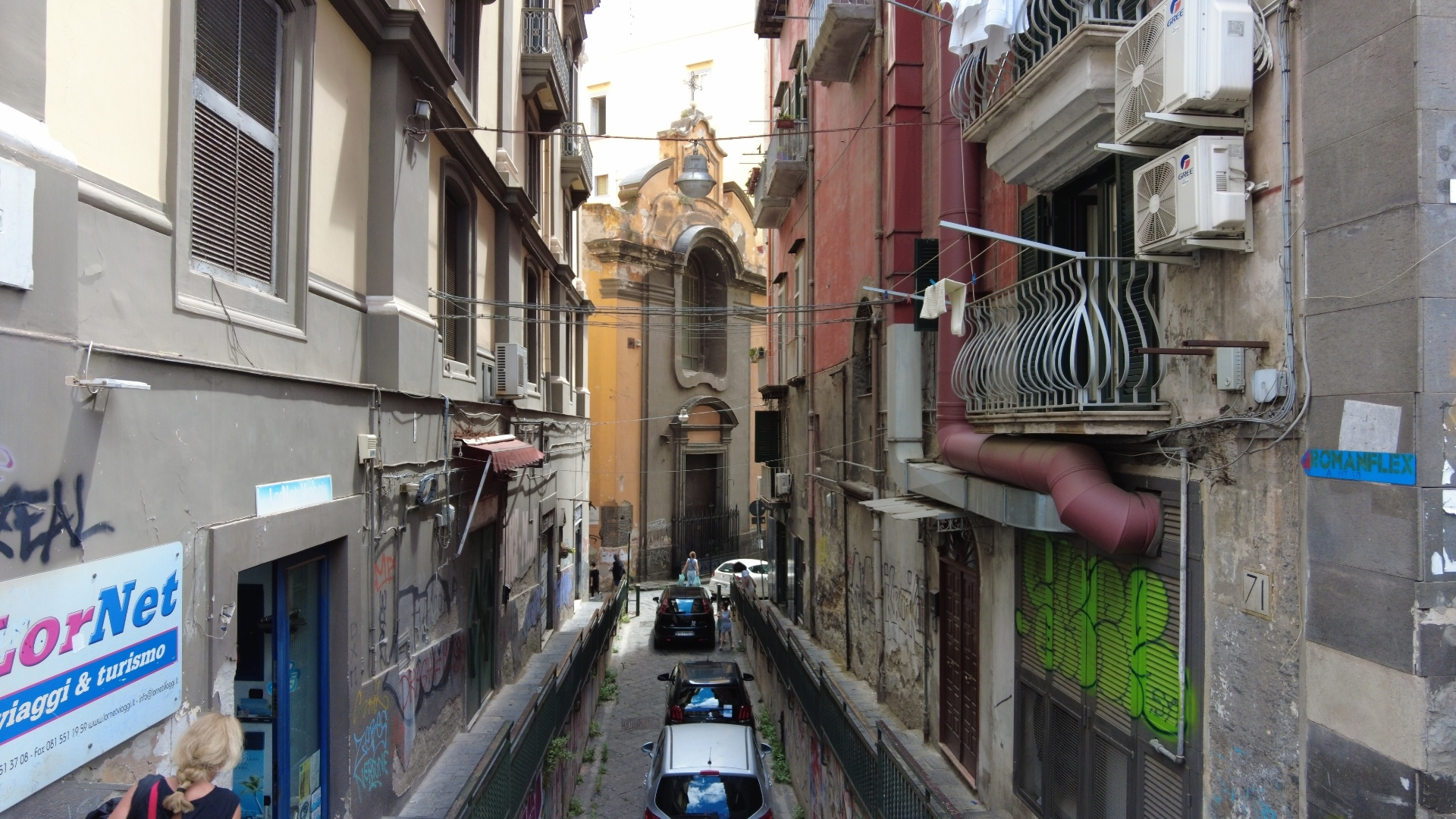
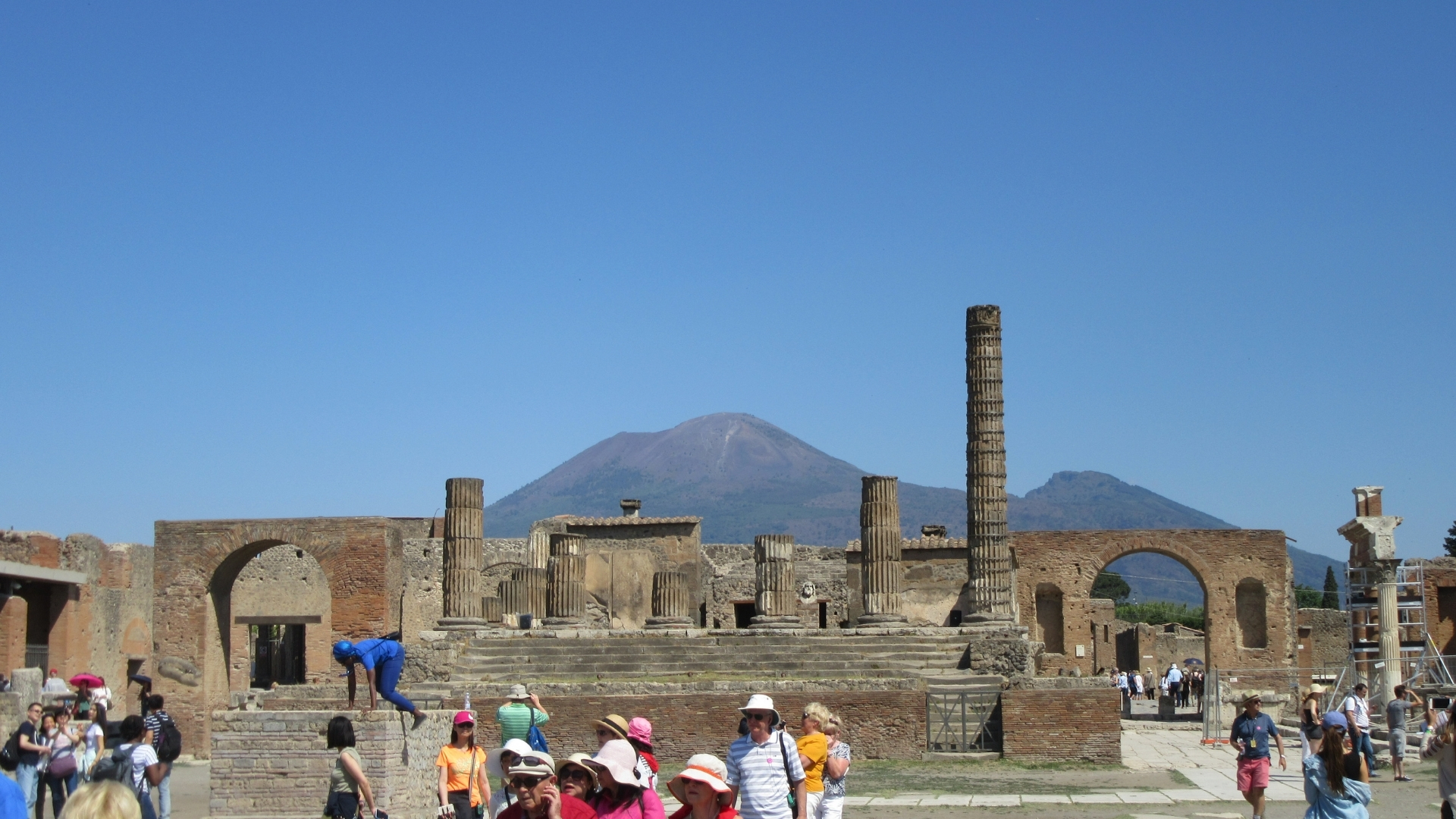
Scooters weaving through traffic. Laundry flapping from balconies. Church bells echoing through narrow streets. And looming over it all? Mount Vesuvius — a constant reminder that this city has survived more than most.

Naples isn’t manicured like Florence or glossy like Monaco. It’s loud, gritty, historic, chaotic… and completely unforgettable.

For cruisers, this is one of the most dramatic port days in the Western Mediterranean. From walking the ancient streets of Pompeii to winding along the cliffs of the Amalfi Coast, the choices here are big. The views are bigger. And your biggest challenge? Deciding how much you can realistically fit into one day without turning it into a military operation.

The good news? Cruise ships dock right in the heart of the city, which means you can keep it simple and soak up Naples itself — pizza, waterfront views and all — or go all-in on one of Italy’s bucket-list icons.

In this guide, we’ll break down:

  • Where cruise ships dock

  • What’s walkable from the port

  • How to get to Pompeii and the Amalfi Coast

  • Whether DIY makes sense (or if a ship excursion is smarter)

  • And what to do if you’d rather stay local

Naples isn’t a “sit by the pool and pop off for a coffee” kind of stop.

It’s a lean in, look around, and experience it properly kind of port.

And if you do it right? It might just be the highlight of your Mediterranean cruise.

📍 Where Do Cruise Ships Dock in Naples?

Cruise ships dock right in the heart of Naples at the main passenger terminal, Stazione Marittima, near Molo Beverello.

And this is where Naples immediately scores points.

There’s no tender boat. No long industrial shuttle ride. No mysterious “20-minute transfer” that turns into 45. You step off the ship… and you’re in the city.

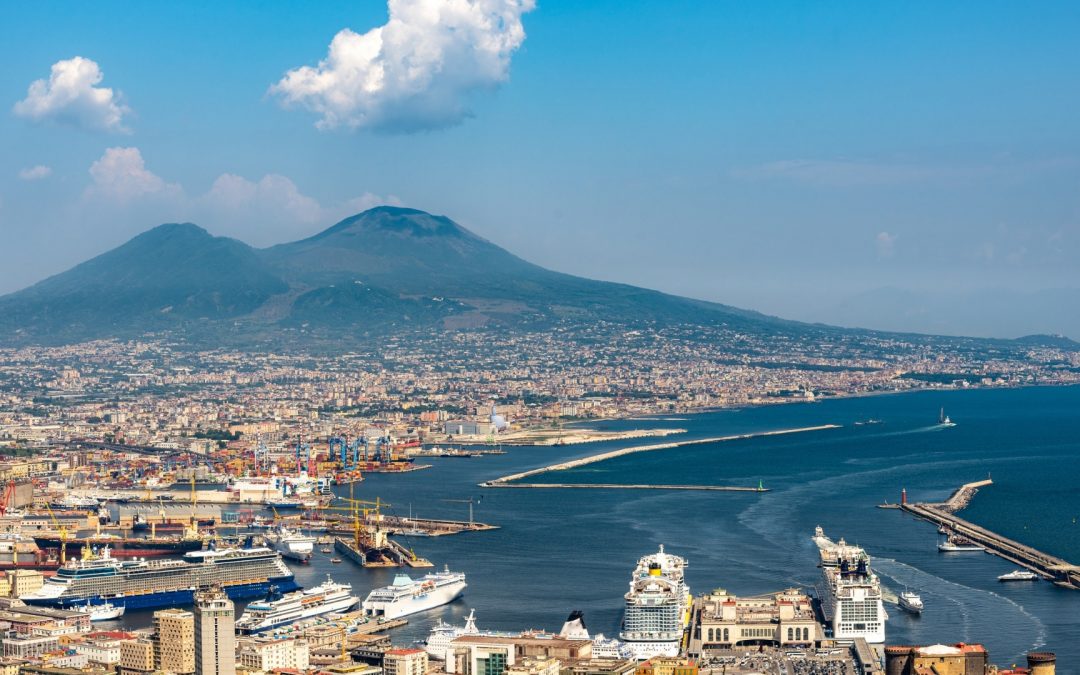
The terminal itself is large and well set up, with taxis waiting outside and clear signage. Within minutes, you can be walking along the waterfront with views of Mount Vesuvius looming in the background.


🚶 How Far Is the City Centre?

Very close.

You can walk to central Naples in around 10–15 minutes depending on your pace. The historic centre (Centro Storico) is slightly further but still very doable on foot.

This is not one of those ports where you feel stranded in a container yard.

You’re docked in a working, buzzing city.


🚕 Getting Around from the Port

Right outside the terminal you’ll find:

  • Taxis

  • Ferry connections (for Capri, Ischia, etc.)

  • Easy road access for tours

If you’re heading to Pompeii independently, you’ll either:

  • Walk or taxi to Napoli Garibaldi station for the Circumvesuviana train

  • Pre-book a private transfer

  • Join a guided excursion

For the Amalfi Coast, organised transport is often the smoother option due to winding roads and traffic.


⏰ A Quick Timing Reality Check

Naples is an easy port logistically, but distances beyond the city add up quickly.

  • Pompeii = around 30–40 minutes

  • Amalfi Coast = 1.5–2+ hours depending on traffic

The good news? You’re starting from a very central dock location, which gives you more flexibility than many Mediterranean ports.

Naples may be chaotic once you’re in it — but from a cruise perspective, it’s one of the more convenient places to explore.

🚶 Is Naples Walkable from the Cruise Port?

Yes — and that’s one of Naples’ biggest strengths as a cruise stop.

Because ships dock right at Stazione Marittima in Naples, you can step off and be exploring within minutes. No shuttle bus. No industrial wasteland walk. Just straight into the energy of the city.

But let’s set expectations properly.

Naples is walkable. It is not polished. But that’s its charm.


🌊 Easy Waterfront Strolls

Right outside the port you’ll find the seafront promenade stretching towards Castel dell’Ovo.

Castel dell’Ovo sits right on the water and makes for an easy, low-effort wander with fantastic views back towards the city and across the bay to Mount Vesuvius.

If you want a relaxed, scenic couple of hours without overcomplicating your day, this area works beautifully.


🏛 Historic Centre (Centro Storico)

The historic heart of Naples is about a 15–25 minute walk depending on your pace.

Here you’ll find:

  • Narrow, atmospheric streets

  • Churches on nearly every corner

  • Street food stalls

  • Proper, chaotic Italian energy

Spaccanapoli — the long, straight street slicing through the old town — is often the highlight for cruise visitors staying local.

But here’s the honest bit:

Pavements can be uneven. Traffic is lively. Crossing roads requires confidence. It feels authentic and lived-in — not curated for tourists.

Some travellers love that. Others find it overwhelming.

🍕 What About Food Stops?

You are in the birthplace of pizza.

This is one of the easiest ports in the Mediterranean to simply wander, sit down, and eat something memorable without booking a single tour.

If your ideal port day includes:

  • A long lunch

  • Espresso in a busy square

  • People-watching with Vespa soundtrack

Naples delivers.

⚠️ Who Naples Suits Best on Foot

Naples is great for:

  • Confident walkers

  • Travellers who enjoy “real” cities

  • Those comfortable with a bit of chaos

It may not suit:

  • Anyone looking for flat, pristine, resort-style surroundings

  • Travellers uncomfortable with busy traffic and noise

Naples rewards curiosity. It doesn’t hand you a neatly packaged experience.


💬 So… Should You Just Stay Local?

If you don’t fancy a 2-hour bus ride to the Amalfi Coast or a full archaeological deep dive at Pompeii, staying in Naples itself can absolutely make for a satisfying port day.

It’s energetic. It’s dramatic. It feels different.

And sometimes, that’s exactly what you want from a Mediterranean cruise stop.

⏰ You Can’t See It All in One Port Day

When your ship docks in Naples, you’ll usually have around 8–10 hours in port.

That sounds generous.

It isn’t.

Within reach you have:

  • Pompeii

  • Mount Vesuvius

  • The Amalfi Coast

  • Capri

  • Naples itself

Each one could easily fill a full day.

Trying to combine too much usually means more time travelling than experiencing.


🗺 What Works Well in 8–10 Hours

✔ One major excursion done properly
✔ Or a relaxed day exploring Naples itself
✔ Or a short, carefully planned combination

What doesn’t work?

Pompeii + Amalfi Coast + Naples.

That’s how a great port day becomes a rushed one.


🎯 How to Choose

Ask yourself:

  1. History or scenery?
  2. How much travel time are we comfortable with?
  3. Do we want structure or flexibility?

There isn’t a wrong choice.

There’s only the experience that fits your energy and expectations.

🚢 Key Takeaway: Plan Smart, Not Fast

Naples is one of the most exciting cruise ports in the Mediterranean — but it’s also one of the easiest to over-plan.

In a typical 8–10 hour port day, you can comfortably do:

  • Pompeii (properly, without rushing)
  • Amalfi Coast (as a structured scenic tour)
  • Capri (as a focused island day)
  • Naples itself (slow wander + great food)

You cannot realistically do all of them well.

Trying to squeeze in too much usually means:

  • Spending more time travelling than exploring
  • Watching the clock instead of enjoying the moment
  • Returning to the ship more tired than when you left

🎯 The Smart Approach

Choose one main highlight. Add a short local wander if time allows. Build in buffer time to return to the ship.

“Naples rewards focus. It punishes over-ambition.”
If you treat it like a checklist, you’ll rush it. If you treat it like an experience, it might just be the standout day of your Mediterranean cruise.

🏛 Pompeii vs Herculaneum: A Smarter Alternative?

If you’ve already visited Pompeii — or if the idea of walking for hours on uneven stone in full sun doesn’t appeal — consider Herculaneum instead.

Like Pompeii, Herculaneum was buried during the eruption of Mount Vesuvius in AD 79.

But the experience is different.

Why Some People Prefer Herculaneum

  • Smaller and more compact

  • Less walking required

  • Better preserved buildings (including upper floors)

  • Often quieter than Pompeii

Because it’s more contained, you can explore it properly in 2–3 hours without feeling like you’ve barely scratched the surface.

For travellers with limited mobility, stamina concerns, or simply less time, Herculaneum can be a much more manageable experience.

And some historians argue it’s actually better preserved overall.

🌊 Amalfi Coast from Naples Cruise Port

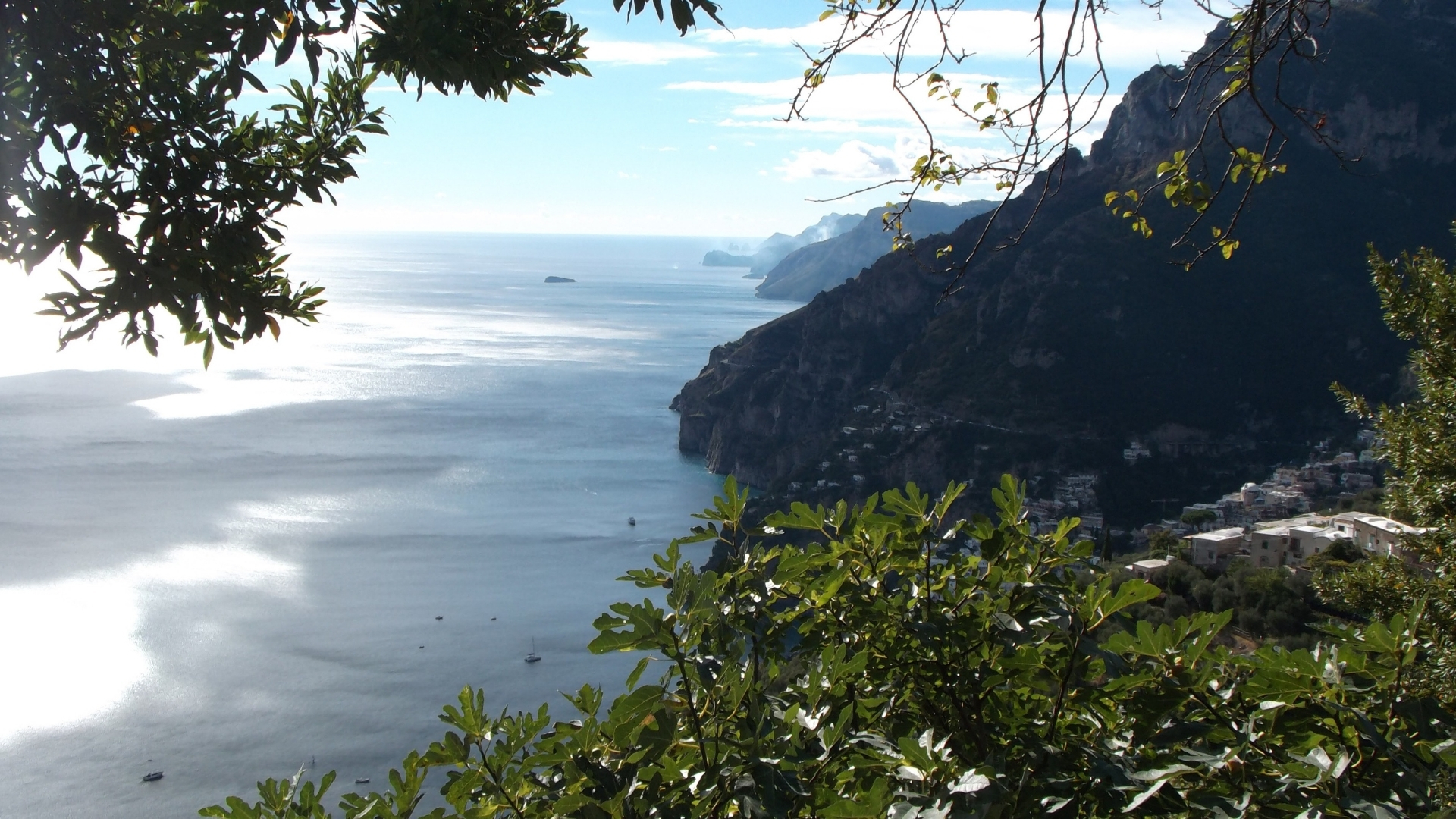
If Pompeii is Naples’ historic heavyweight, the Amalfi Coast is its cinematic showstopper.

Cliff-hugging roads. Pastel villages stacked dramatically above the sea. Lemon groves clinging to terraces that look almost impossible.

It’s postcard Italy — turned all the way up.

But from a cruise perspective, this is the biggest time commitment you can make from Naples.

And it comes with a few realities worth knowing upfront.


⏳ How Far Is the Amalfi Coast from the Port?

Realistically:

  • 1.5–2 hours each way

  • Longer in peak summer traffic

  • Narrow, winding coastal roads

You’ll spend a fair portion of your 8–10 hour port day travelling.

The drive is stunning — genuinely one of the most beautiful in Europe — but it’s not quick.

If you’re prone to motion sickness, those curves matter.


📍 What You’ll Actually See in a Cruise Day

On most cruise excursions, you’ll visit one or two towns rather than “doing the whole coast.”

Common stops include:

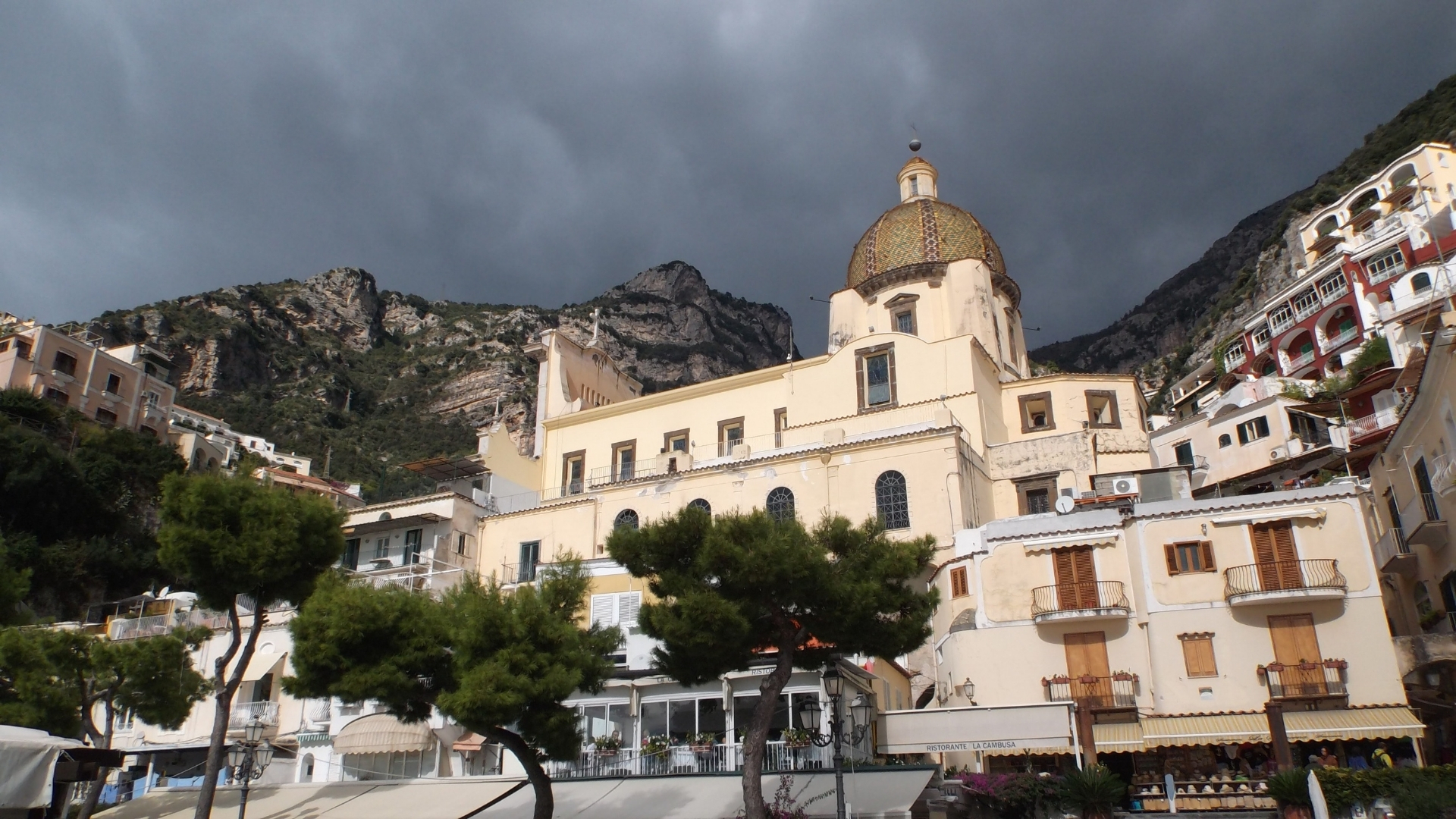
  • Positano – colourful, dramatic, vertical

  • Amalfi – historic square and cathedral

  • Sorrento – clifftop views and easier access

Each offers a different experience — and different levels of effort.

⚠️ A Quick Reality Check on Terrain

This is important.

Some Amalfi Coast villages are steep. Very steep.

Positano in particular is built almost entirely on a hillside. Think steps. Think inclines. Think “that looked closer on the map.”

It’s breathtaking — but it’s not flat.

If you have mobility concerns, limited stamina, or simply don’t fancy climbing in the Mediterranean heat, this matters.

Sorrento, by comparison, is much easier to navigate. It’s more spread out, less dramatically vertical, and generally more manageable on a cruise-day schedule.

Still beautiful. Just less of a workout.


🍝 The Amalfi Coast Is Also About Moments

On one visit, we ended up in a small hillside family restaurant above Positano and ordered the simplest spaghetti pomodoro.

Tomatoes. Olive oil. Basil. Pasta.

Nothing fancy.

And honestly? We’d go back to Positano just for that dish alone.

That’s the thing about the Amalfi Coast. It isn’t just about dramatic photo stops. It’s about slowing down long enough to sit with a view and enjoy it properly.

If your ideal port day includes a long lunch overlooking the sea rather than racing between ruins, this might be your perfect choice.


🚐 DIY or Organised Tour?

Technically, you can attempt the Amalfi Coast independently.

Practically, for a cruise port day, organised transport is usually the smarter option.

Traffic can be unpredictable. Roads are narrow. Parking is limited. And your ship won’t wait for coastal gridlock.

A structured tour removes the stress of calculating whether you’ll make it back on time — and that peace of mind is valuable.


🌅 Is It Worth It?

Yes — if you choose it intentionally.

The Amalfi Coast suits you if:

  • You want scenery over archaeology

  • You’re happy with travel time

  • You enjoy slow lunches and coastal atmosphere

  • You don’t mind steps or hills

It may not suit you if:

  • You prefer minimal bus time

  • You dislike steep terrain

  • You want maximum exploring time on foot

It’s spectacular.

But it’s a commitment.

⛵ Capri from Naples Cruise Port

If the Amalfi Coast is cinematic, Capri is glamorous.

Sea stacks rising out of impossibly blue water. Boutique-lined streets. Terraces with views that look edited in real life.

It’s one of the most beautiful islands in Italy.

It’s also one of the busiest.

If your cruise day in Naples coincides with peak season, expect crowds. Serious crowds. Ferries, day-trippers, tour groups — Capri fills up fast.

That doesn’t make it bad.

It just means you need to go in with realistic expectations.


🚤 Getting from Naples to Capri

Boats leave from the main port area near Molo Beverello.

Crossing time:

  • Around 45–60 minutes depending on vessel

  • Hydrofoils are faster

  • Seas can be choppy

Ferry schedules and ticket information can be found here:
https://www.capri.net/en/t/napoli/capri?all=1

All boats arrive at Marina Grande, Capri’s main harbour.

And this is where the energy hits.


📍 From Marina Grande to Capri Town

Once you dock at Marina Grande, you have three main options to reach Capri town itself:

  1. Funicular – Quick and efficient, but queues can be long in peak season
  2. Small local bus – Cheaper, functional, often crowded
  3. Taxi – Open-top, stylish, and premium-priced

On our visit, it was so busy we decided to skip the queues entirely and walk up Via Truglio into Capri town.

Was it exhausting? Yes.

Was it fun? Also yes.

It’s a workout. But it felt like an adventure rather than standing in a line watching the clock. There are plenty of shady places to rest on your way up so take your time. Just don’t attempt it in flimsy sandals or peak midday heat without water.


🏖 What a Cruise-Day Visit Looks Like

If you’re visiting Capri for the day from a cruise, expect:

  • A lively harbour on arrival

  • Upscale boutiques and designer shops

  • Premium pricing (this is not budget Italy)

  • Spectacular viewpoints

We didn’t venture out to Anacapri on that visit — Capri town itself was more than enough.

Lunch was at Ristorante Da Giorgio — excellent pizza, fantastic views down to the ocean, and a welcome pause from the crowds.

It’s the kind of place where you sit, cool off, and remember why you came.


💳 A Quick Note on Prices

Capri is beautiful.

Capri is also expensive.

Shops are premium. Cafés are premium. Taxis are premium.

You’re paying for the setting as much as the product.

If you’re expecting Naples pricing, adjust expectations slightly.


🌊 Who Capri Suits Best

Capri works well if:

  • You prefer coastal scenery to ruins

  • You enjoy a lively, energetic atmosphere

  • You don’t mind crowds

  • You’re happy paying for the location

It may not suit if:

  • You dislike busy destinations

  • You want quiet wandering

  • You’re on a tight budget

It’s not low-key. It’s not hidden. It’s Capri.

Final Thoughts on Naples Cruise Port

Naples is not the port for ticking boxes.

It’s the port for choosing your moment.

Maybe that’s ancient streets in Pompeii.
Maybe it’s cliffside views on the Amalfi Coast.
Maybe it’s a crowded Capri afternoon that somehow still feels magical.
Or maybe it’s the best spaghetti pomodoro you’ve ever had on a hillside above Positano.

Whatever you choose — choose it properly.

Naples rewards focus.

And done right, it might just be the highlight of your Mediterranean cruise.

⚓ Plan Your Western Mediterranean Cruise

If your cruise includes Barcelona, Rome or Naples, these guides will help you plan the rest of your itinerary:

🇪🇸 Barcelona Cruise Port Guide – Hotels, transport & what to do before embarkation
🇮🇹 Rome Cruise Port (Civitavecchia) – Getting to the city without losing half your day
🧳 Cruise Carry-On Essentials – What to pack for embarkation day
🛡️ Cruise Travel Insurance Guide – What’s actually covered at sea
Curaçao Cruise Port Guide

Curaçao Cruise Port Guide

Curaçao Cruise Port Overview — What It Actually Feels Like

Curaçao feels colourful before it feels tropical.

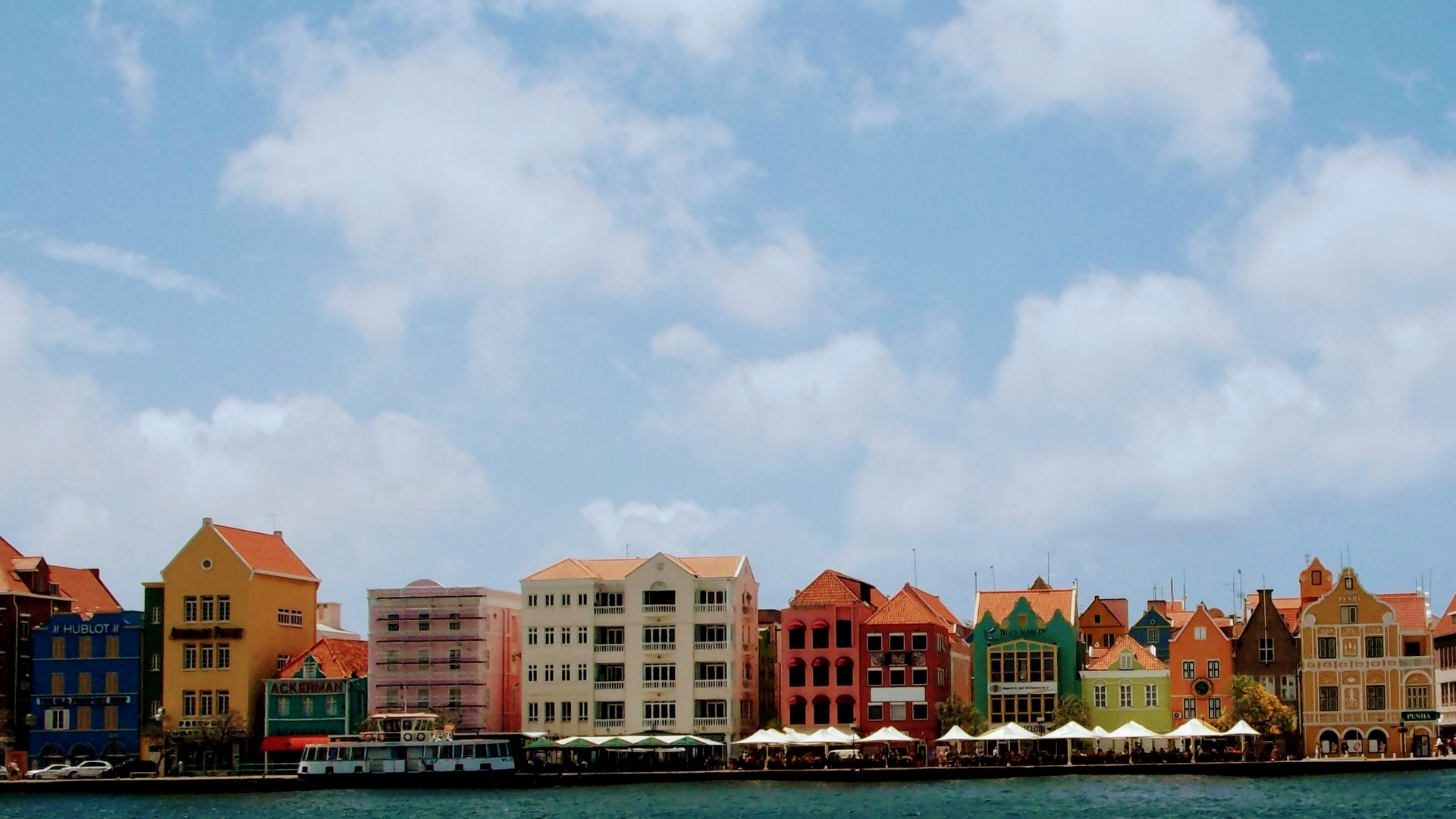
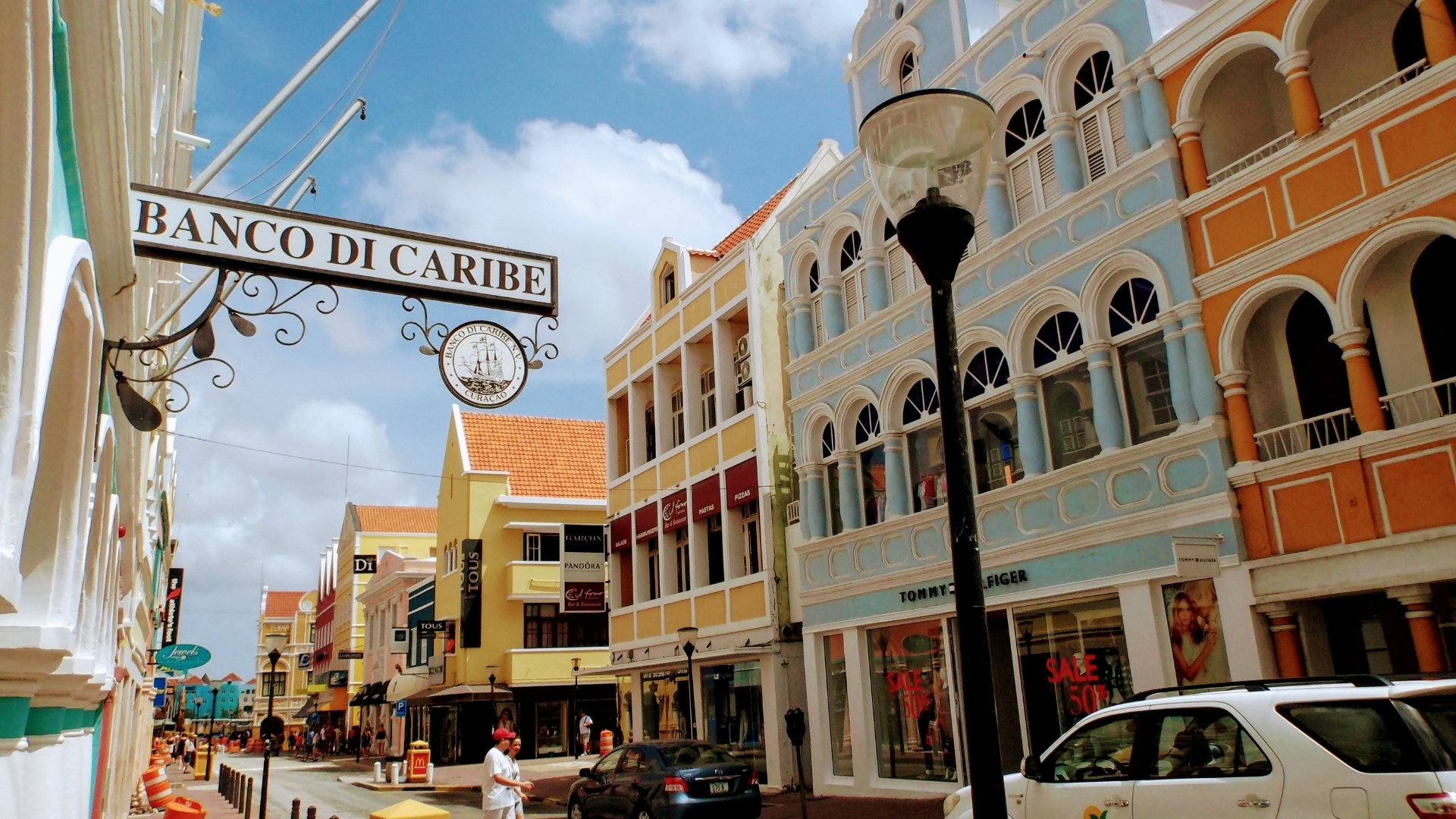
The cruise ships dock right beside Willemstad’s famous waterfront — rows of pastel Dutch-style buildings lining the harbour, almost too neat to be real. It’s one of the most visually distinctive cruise arrivals in the Caribbean.

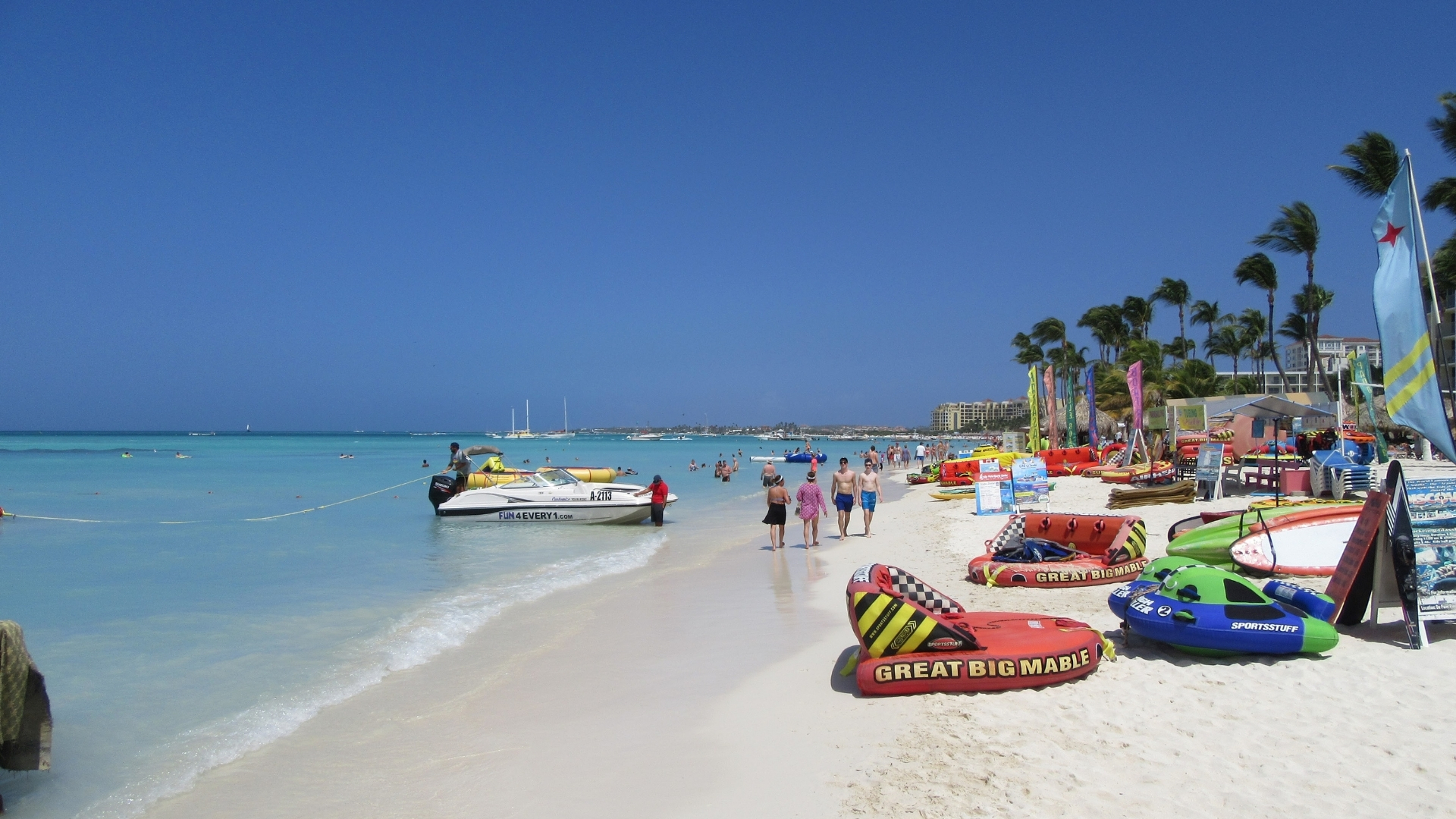
Unlike Aruba’s wide-open beach atmosphere, Curaçao feels more architectural and cultural. There’s character here — history, colour, movement — and a slightly more European rhythm to the town.

Willemstad itself is a UNESCO World Heritage site, and you can feel that sense of preservation. Narrow streets, cafés, small shops and the iconic floating Queen Emma Bridge give the port an immediate personality.

That said, Curaçao’s best beaches are not directly beside the cruise terminal. The appeal here is balance — town exploration combined with either a planned beach stop or a short island tour.

Approach Curaçao expecting colour, character and a manageable walking day, and it tends to reward you.

Is Curaçao Walkable?

Yes — Willemstad is one of the most walkable cruise ports in the Caribbean.

When your ship docks at the Mega Pier, you’re only about a 10–15 minute flat walk from the colourful waterfront of Punda and Otrobanda. Most of the route is straightforward, well signposted, and busy with other cruise passengers.

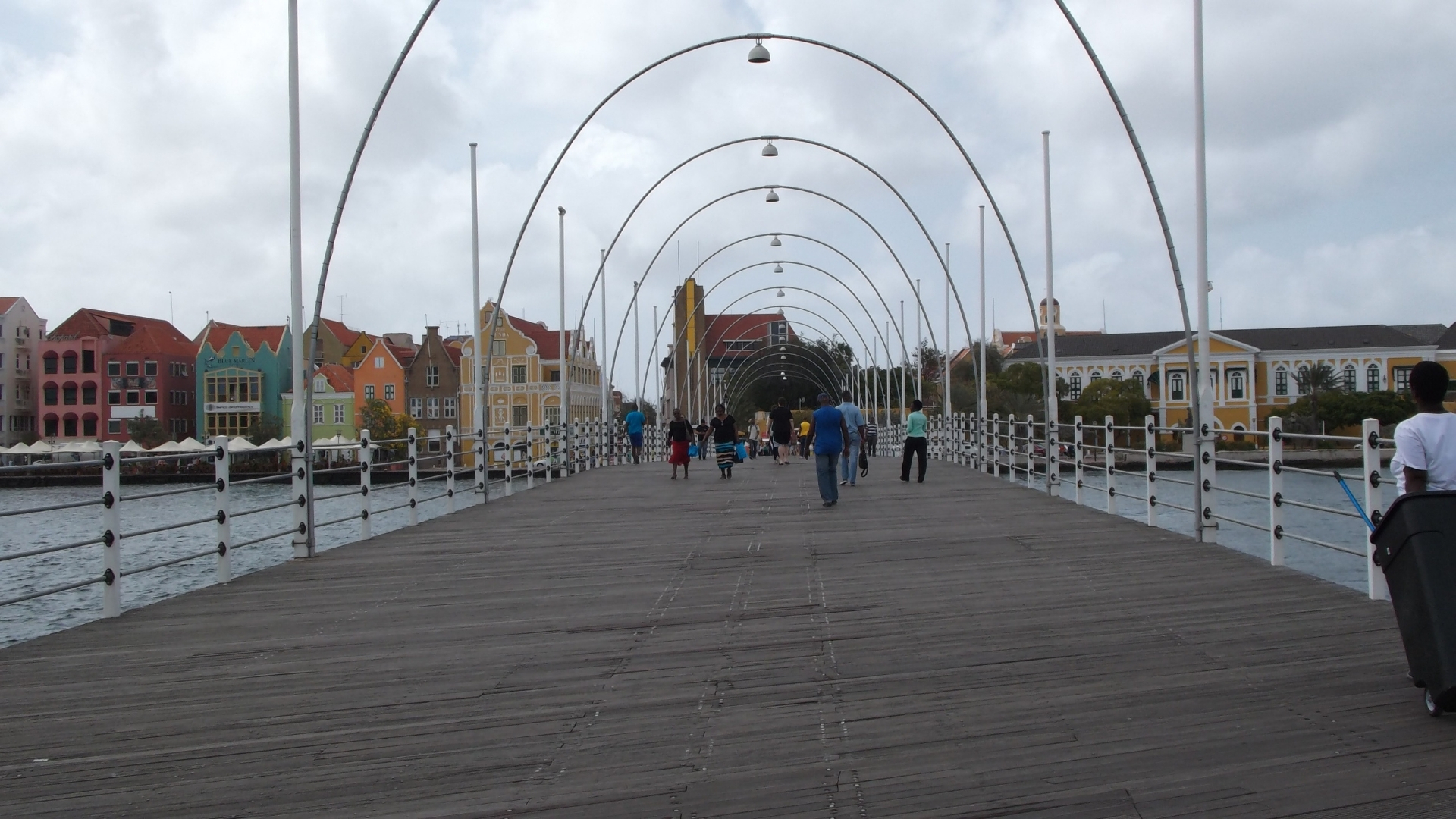
The highlight of that walk? Crossing the famous floating Queen Emma Bridge, which gently swings open to let ships pass through the harbour. It’s not just practical — it’s part of the experience.

Once you’re in town, you can easily explore:

  • The pastel Dutch colonial buildings along Handelskade

  • Fort Amsterdam and historic courtyards

  • The synagogue and surrounding streets

  • Cafés, markets and small boutiques

  • The colourful murals of Otrobanda

There are pavements throughout most of the historic centre, and everything feels compact and manageable for a relaxed half-day wander.

When You’ll Need Transport

If you want to visit beaches like Cas Abao or Grote Knip, or explore the rugged west coast of the island, you’ll need a taxi, rental car, or organised excursion. Those areas are not walkable from the cruise terminal.

But if your idea of a good port day includes strolling, photographing colourful streets, stopping for coffee and soaking up atmosphere — Curaçao delivers without needing a tour.
Is Curaçao Worth Leaving the Ship?

In short? Yes — absolutely.

Curaçao isn’t a “quick beach stop” kind of port. It’s one of the most visually distinctive and culturally interesting islands in the southern Caribbean. Even if you’ve visited before, there’s usually something new to notice.

Willemstad feels different from many other Caribbean cruise ports. The colourful Dutch colonial buildings, the floating Queen Emma Bridge, and the mix of Caribbean warmth with European architecture give it real character.

And if your perfect port day includes strong coffee and a flaky pastry in a shaded courtyard, you’ll feel right at home here. Willemstad has some genuinely excellent cafés — the kind where you can sit, slow down, and watch the world drift by for a while before deciding what to do next.

If you enjoy:

  • Wandering photogenic streets

  • Learning a little history without committing to a full tour

  • Great coffee and relaxed café culture

  • Browsing independent shops rather than generic jewellery stores

…then Curaçao is well worth stepping off for.

When You Might Stay Onboard

That said, if your itinerary already includes multiple beach-heavy ports (Aruba, Bonaire, St Maarten), and you’re feeling “beached out,” Curaçao actually works beautifully as a half-day stop.

Some cruisers choose to:

  • Walk into town for a couple of hours

  • Cross Queen Emma Bridge

  • Grab coffee or lunch

  • Head back to enjoy a quieter ship

That’s not “missing out.” That’s cruising smart.

Curaçao suits both explorers and slow wanderers — and that flexibility is part of its charm.

Best Things to Do in Curaçao (Without Rushing the Day)

Curaçao works best when you choose a clear focus: explore Willemstad on foot, spend time at one standout beach, or take a short island tour. Trying to combine all three can make the day feel rushed.

Here are the options that tend to work particularly well on a cruise stop.


🌈 Wander Willemstad’s Colourful Waterfront

For many visitors, simply exploring the historic centre is enough.

  • Walk across the floating Queen Emma Bridge

  • Photograph the pastel buildings along Handelskade

  • Visit Fort Amsterdam and the surrounding courtyards

  • Stop for coffee and pastries in a shaded café

Willemstad feels layered and walkable. Even a couple of hours here gives you a genuine sense of place.


🏖 Visit a West Coast Beach

Curaçao’s best beaches are not beside the cruise terminal, but they’re worth the effort.

Popular options include:

Cas Abao Beach
Clear water, soft sand and good facilities. Often considered one of the island’s most accessible and consistently beautiful beaches.

Grote Knip (Kenepa Grandi)
More natural and scenic, with dramatic cliffs and brilliant blue water. Slightly further from town but striking.

If beach time is your priority, choose one location and allow enough time for transport back to the ship.


🚗 Take a Short Island Tour

If you want variety, guided tours often include:

  • The rugged north coast

  • Shete Boka National Park

  • California-style wind-blown coastal views

  • Small villages and inland scenery

Curaçao’s interior is dry and open rather than rainforest-heavy, which gives the landscape a distinctive character compared to many Caribbean islands.


🐠 Snorkelling & Water Activities

The island’s clear waters make it popular for snorkelling excursions. Many half-day trips combine beach time with guided snorkelling stops.

These are good options if you prefer structured experiences with transport included.


Choosing What Works Best

Curaçao isn’t a port that demands intensity.

A relaxed town wander and lunch.
One beach with clear water and time to swim.
A scenic island loop and back onboard.

Choose one main experience and let the day breathe.

Practical Tips for Visiting Curaçao on a Cruise

📍 Where You Dock

Most large cruise ships dock at the Mega Pier, which is about a 10–15 minute flat walk from the historic centre of Willemstad.

The route is straightforward and well signposted. You’ll walk along the waterfront before reaching the floating Queen Emma Bridge, which connects the two sides of the harbour.

Occasionally smaller ships may dock closer to town, but most visitors should expect a short walk.


⏰ Watch the Bridge Timing

The Queen Emma Bridge swings open to allow ships to pass through the harbour.

If it’s open while you’re crossing, small ferries run continuously to carry pedestrians across. It’s not a problem — just part of the experience — but allow a few extra minutes if you’re returning close to all-aboard time.


🏖 Beaches Require Transport

Curaçao’s best beaches are not walkable from the cruise terminal.

To reach beaches like Cas Abao or Grote Knip, you’ll need:

  • A taxi

  • A rental car

  • Or a booked excursion

Confirm return times clearly if travelling independently, and allow a comfortable buffer before your ship departs.


☀️ Weather & Sun

Curaçao is warm year-round, with limited natural shade on some beaches.

Bring:

  • High-factor sunscreen

  • Water

  • A hat

  • Cash or card for beach entry fees (some beaches charge small admission or chair fees)


💵 Currency & Payments

  • US dollars are widely accepted

  • Credit cards are commonly used

  • English is spoken throughout the cruise areas

It’s generally an easy island to navigate independently.


🚶‍♂️ Pace of the Day

Curaçao works best as a relaxed, unhurried port.

A couple of hours exploring Willemstad, followed by lunch or coffee, may feel more rewarding than trying to combine town, beach and a long excursion.

Give yourself space — that’s where Curaçao shines.

Who Curaçao Suits Best

Curaçao tends to suit cruisers who enjoy atmosphere as much as activity.

✔ Travellers Who Like to Wander

If your ideal port day includes strolling colourful streets, crossing a floating bridge, stopping for coffee and taking photographs, Curaçao is a natural fit. Willemstad is compact, distinctive and easy to explore without a strict plan.

✔ Culture-Curious Cruisers

With its Dutch colonial architecture, historic forts and long-standing synagogue, Curaçao offers more visible history than many Caribbean ports. It’s not overwhelming — just enough to give the day texture.

✔ Independent Explorers

Curaçao is manageable on your own. Transport is straightforward, English is widely spoken, and the layout of Willemstad makes it comfortable for first-time visitors who prefer not to book organised tours.

✔ Those Seeking Balance

If you want a mix of town exploration and one well-chosen beach or excursion, Curaçao supports that rhythm beautifully.


It May Suit Less If You’re…

  • Looking purely for a walk-off-the-ship beach

  • Wanting dramatic rainforest scenery or waterfalls

  • Hoping for a secluded, sleepy island atmosphere

Curaçao has personality and colour — but it’s lively and structured rather than remote.


Final Thought

Curaçao rewards curiosity and simplicity.

You don’t need to tick off every landmark.
Choose one focus — historic town, scenic coastline or a single beach — and let the day unfold naturally.

That’s usually when this port feels at its best.

🌴 Plan Your Caribbean Cruise

If your cruise is visiting the Caribbean, these guides will help you plan your port days with confidence:

Aruba Cruise Port Guide

Aruba Cruise Port Guide

Aruba Cruise Port Overview — What It Actually Feels Like

Aruba feels different from many Caribbean ports the moment you step ashore.

The cruise terminal sits directly beside Oranjestad’s colourful waterfront, with pastel Dutch-style buildings, clean streets and a noticeably organised atmosphere. It’s bright, open and easy to navigate, but it also feels more polished and developed than some other islands.

Unlike busier ports such as Nassau, Aruba rarely feels chaotic. The pace is steady rather than hurried. The trade winds keep the heat manageable, and the overall impression is one of space — wide roads, long beaches and clear horizons.

Aruba isn’t a jungle island with waterfalls and rainforest hikes. It’s drier, flatter and more desert-like in places. The appeal here is reliable sunshine, striking turquoise water and some of the Caribbean’s most consistently beautiful beaches.

If you approach Aruba expecting dramatic historic landmarks or dense tropical scenery, you might feel underwhelmed. If you approach it for sea, sand and relaxed exploration, it works beautifully.

This guide breaks down what Aruba actually offers on a cruise stop, what’s worth prioritising, and how to make the most of your time without overcomplicating the day.

Is Aruba Walkable?

Partially — but not for the beaches most people picture.

The cruise ships dock directly beside downtown Oranjestad, and the colourful waterfront area is easy to explore on foot. Shops, cafés and the main streets are just outside the port gates, making it one of the simpler Caribbean ports to navigate independently.

If you’re happy with a relaxed wander through town, Aruba works very well without transport.

However, Aruba’s most famous beaches — including Eagle Beach and Palm Beach — are not within walking distance of the cruise terminal.

To reach them, you’ll need:

  • A taxi (widely available outside the port)

  • A local bus

  • Or a pre-booked excursion or resort day pass

Using the Local Bus

If you’re comfortable navigating independently, the local bus is a straightforward and affordable option.

The main bus station is just a short walk from the cruise terminal. On our visit, we caught the L10 bus to Eagle Beach, which was simple to use and inexpensive. Buses run regularly along the hotel and beach strip, and the journey takes around 15–20 minutes depending on traffic.

It’s not complicated — but it does require paying attention to stops and return times. If you prefer maximum simplicity, taxis are quicker and more direct.


What About Terrain?

Downtown Oranjestad is mostly flat and easy to navigate. There are no steep climbs or challenging hills near the port area.

The beaches are also flat and accessible once you arrive.


The Bottom Line

Aruba is easy to explore independently — but if your goal is a classic Caribbean beach day, plan your transport rather than expecting to walk straight to the sand.

With a simple plan — whether taxi or bus — it’s one of the easier beach ports to manage.

Best Things to Do in Aruba (Without Overcomplicating the Day)

Aruba works best when you choose one clear focus — beach time, a short island tour, or a half-day experience on the water.

Here are the options that tend to work particularly well on a cruise stop.


🏖 Spend Time on the Beach

For many visitors, Aruba is all about the beaches.

Eagle Beach
Wide, white sand and consistently clear water. It’s less built-up than Palm Beach and feels more open and spacious. Easily reached by taxi or bus from the cruise terminal.

Palm Beach
Livelier and lined with hotels and watersports. Good if you prefer facilities, bars and activity close by.

If your priority is a classic Caribbean beach scene, Aruba delivers reliably.


⛵ Take a Sunset Catamaran Cruise

If your ship is in port late enough, a sunset catamaran can be a genuinely memorable way to experience Aruba.

We chose a sunset sailing along the coast, and it offered a completely different perspective of the island — warm evening light, steady trade winds and uninterrupted views of Eagle Beach from the water.

It felt relaxed rather than rushed, and because Aruba’s coastline is so open, the sunsets can be spectacular when the weather cooperates.

This type of excursion works particularly well if:

  • You’ve already visited the beaches

  • You prefer a more atmospheric experience

  • Your port day extends into the evening

It’s one of the few cruise port excursions that can feel genuinely special rather than simply practical.

🌵 Explore Beyond the Beaches

While Aruba is best known for its beaches, the island’s northern coastline tells a very different story.

The landscape becomes drier, rockier and more windswept — almost desert-like in places. If you enjoy contrast and scenery, this side of the island adds depth to a beach-focused day.

California Lighthouse

One of the most popular stops is the California Lighthouse at the island’s northwestern tip. The views from this area stretch across Aruba’s rugged coastline, with waves crashing against rocky outcrops and long, open horizons in every direction.

It’s a simple stop — but a memorable one. The scenery feels expansive and dramatically different from the resort-lined beaches further south.

Arikok National Park & Natural Landmarks

Many island tours also include:

  • Arikok National Park

  • Natural bridges and limestone formations

  • Hidden coves along the north coast

  • Off-road jeep experiences

These excursions suit travellers who want movement and scenery rather than a stationary beach day.


Who This Side of Aruba Suits

Exploring beyond the beaches tends to work well if:

  • You’ve already visited Eagle or Palm Beach

  • You prefer a scenic drive over a sun lounger

  • You enjoy photography and dramatic coastal views

  • You want variety in a longer port day

If your time is limited and it’s your first visit, many cruisers choose either beach or island tour rather than trying to do both.

Aruba rewards simplicity.

Practical Tips for Visiting Aruba on a Cruise

📍 Where You Dock

Cruise ships dock in Oranjestad, Aruba’s capital. The terminal area is organised and easy to navigate, with shops and cafés within a short walk.

You step directly into town — no shuttle required.


🚌 Getting to Eagle Beach

If you’re heading to Eagle Beach independently, transport is straightforward.

We caught the L10 bus from the main bus station, which is just a short walk from the cruise terminal. It was simple, affordable and took the stress out of negotiating taxi fares.

Taxis are also widely available and easy to arrange.


☀️ Weather & Heat

Aruba is reliably warm and often windy (thanks to the trade winds). The breeze can make it feel cooler than it actually is.

Bring:

  • Strong sun protection

  • Plenty of water

  • Light, breathable clothing

Shade can be limited on some beaches unless you rent a palapa or umbrella.


⏰ Port Timing Matters

Many Aruba visits run longer than a typical Caribbean stop, sometimes extending into the evening.

If you have a late departure:

  • A sunset sail becomes possible

  • You can enjoy a relaxed beach afternoon without rushing

  • Dinner ashore is sometimes an option

Check your all-aboard time carefully — especially if exploring independently.


💳 Currency & Language

  • US dollars are widely accepted

  • English is spoken almost everywhere

  • Credit cards are commonly used

It’s one of the easier Caribbean islands for independent exploration.


🧭 Is Aruba Walkable?

Oranjestad itself is walkable for light shopping and a short wander.

For beaches and major sights, you’ll need transport — but distances are manageable and infrastructure is good.


🚢 Who Aruba Suits Best

Aruba tends to suit:

  • Beach-focused cruisers

  • First-time Caribbean visitors

  • Those who prefer organised, easy transport

  • Travellers who enjoy scenic coastal drives

It may feel less adventurous for those seeking rainforest hikes or dramatic waterfalls — but for a classic Caribbean beach day, it rarely disappoints.

So… What Kind of Aruba Day Will You Choose?

Aruba doesn’t demand a packed itinerary.

It rewards clarity.

A beach morning and an unhurried swim.
A scenic drive to the lighthouse and rugged coastline.
A sunset sail with warm trade winds at your back.

There isn’t one “right” way to experience Aruba — only the version that suits your energy that day.

If it’s your first visit, step ashore and see what the island feels like.
If you’ve been before, you have the luxury of choosing differently.

Aruba works best when you resist the urge to do everything and instead do one thing well.

That’s usually enough.

🌴 Plan Your Caribbean Cruise

If your cruise is visiting the Caribbean, these guides will help you plan your port days with confidence:

Get Your FREE Cruise Packing List

Pack like a pro! Subscribe and we’ll send you our printable cruise packing checklist plus handy cruise tips.

No spam, no inbox overload — just useful cruise inspiration.

Anchors aweigh! You’re officially part of the Escapaders crew 🎉