Bonaire Cruise Port Guide

Bonaire Cruise Port Guide

Bonaire Cruise Port Overview

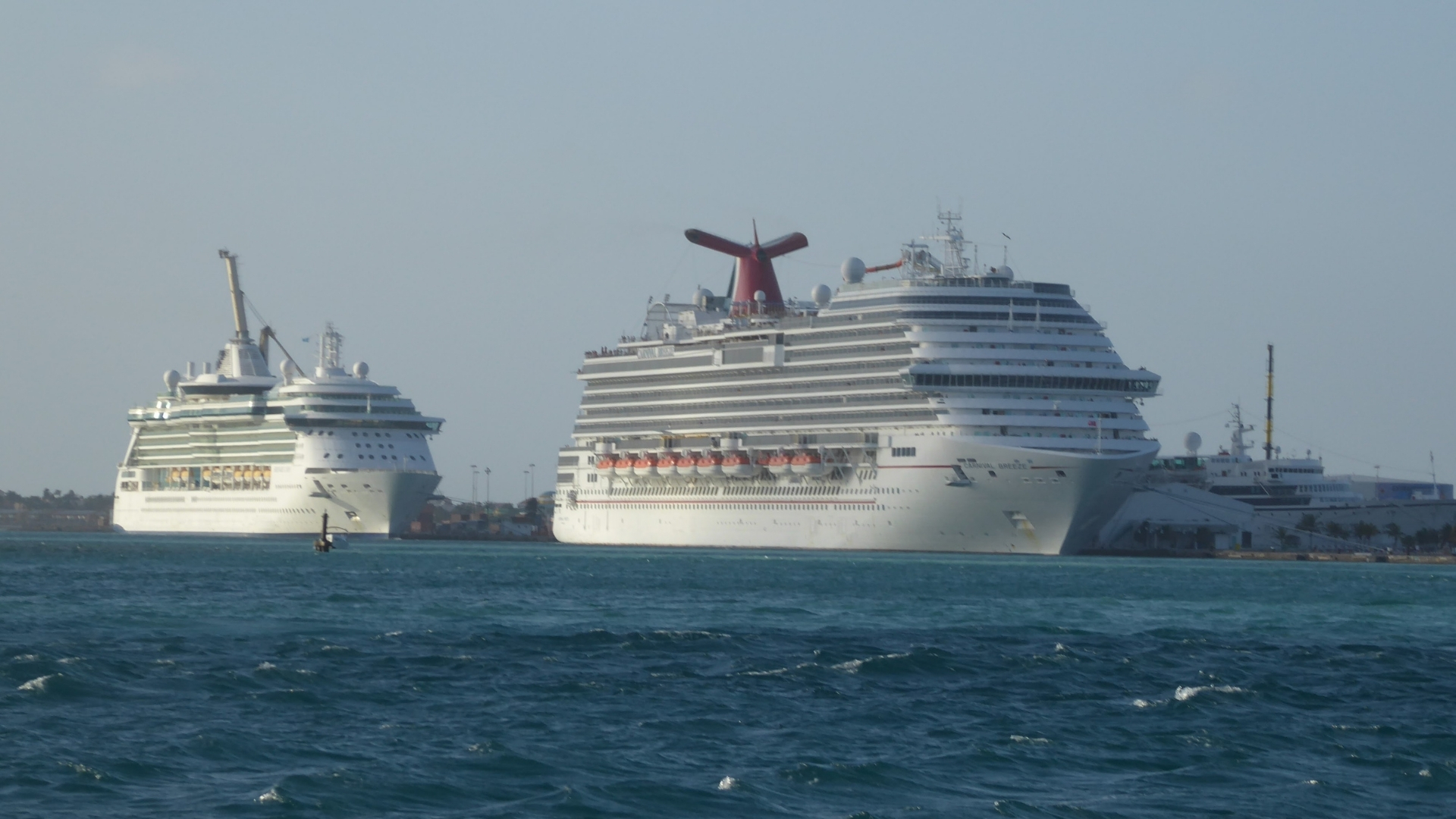
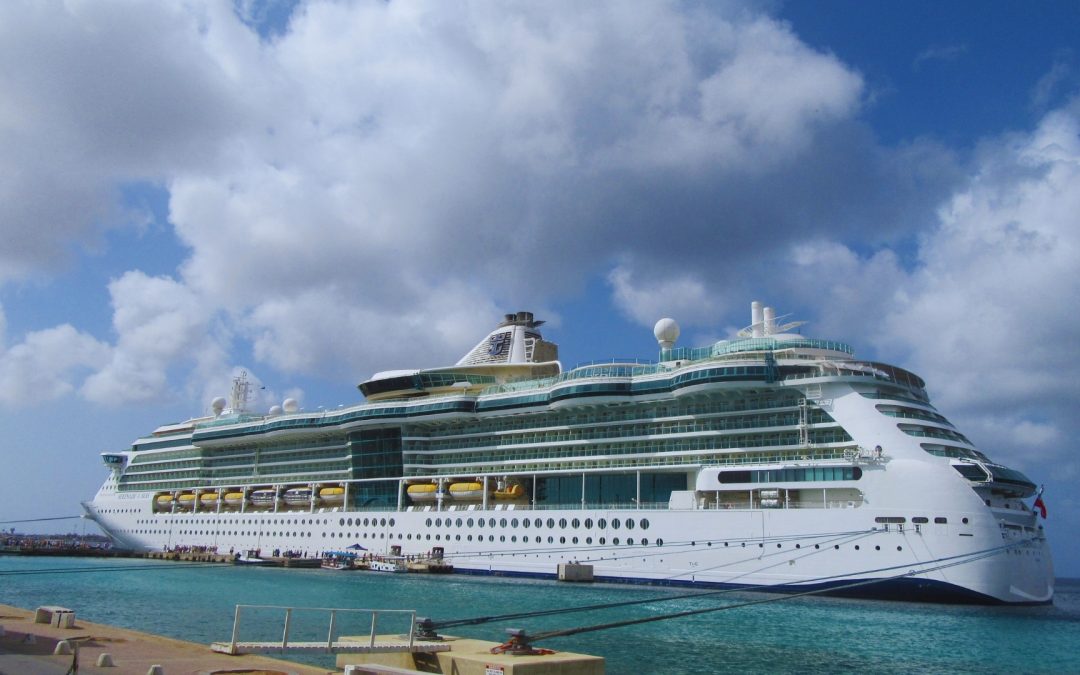
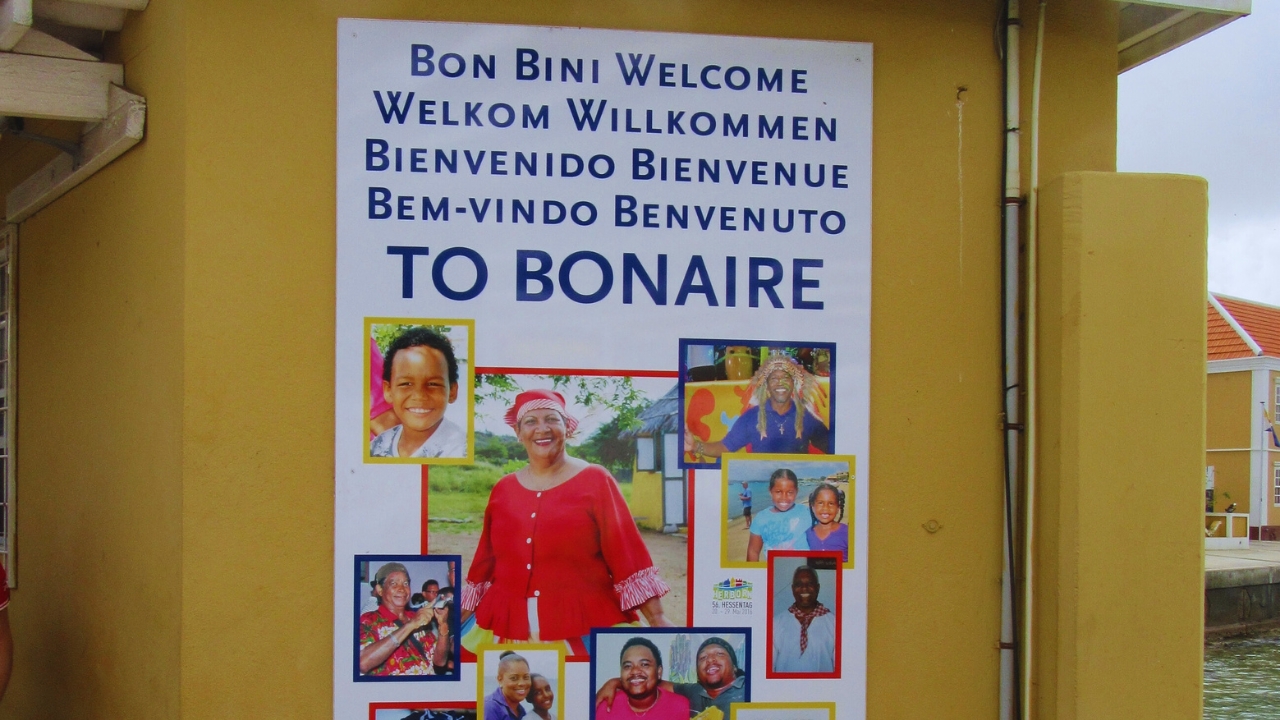
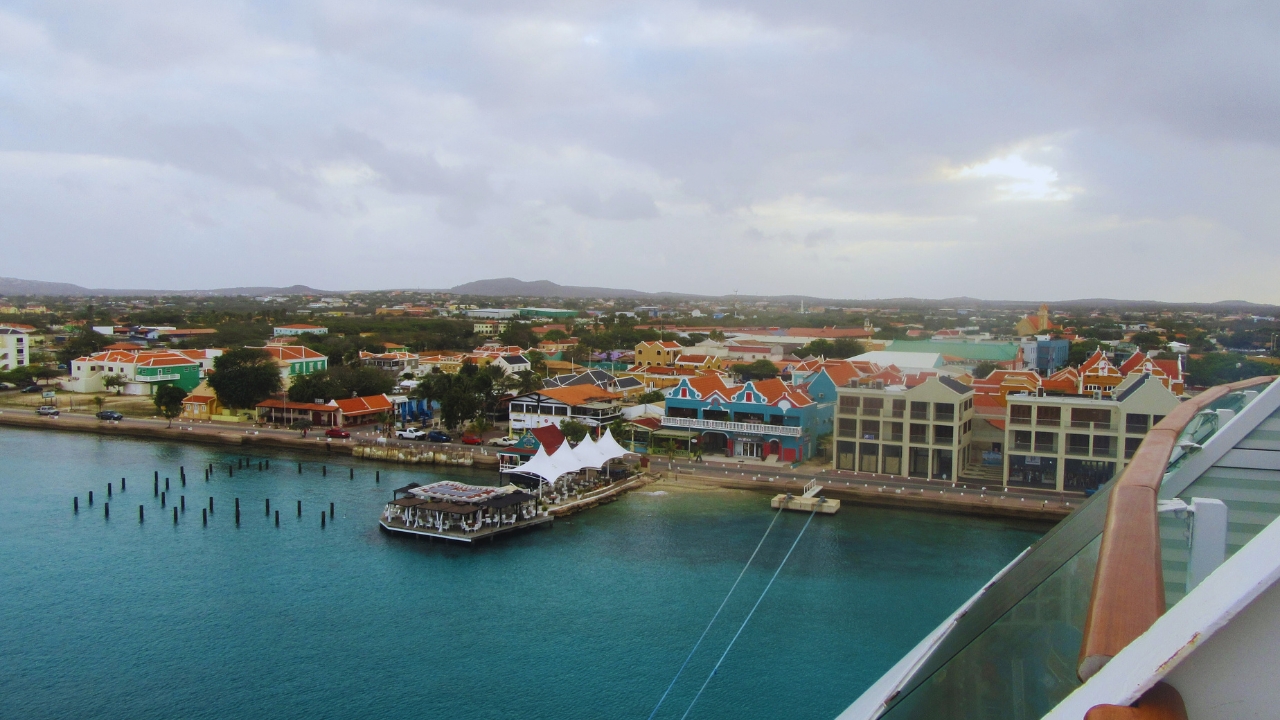
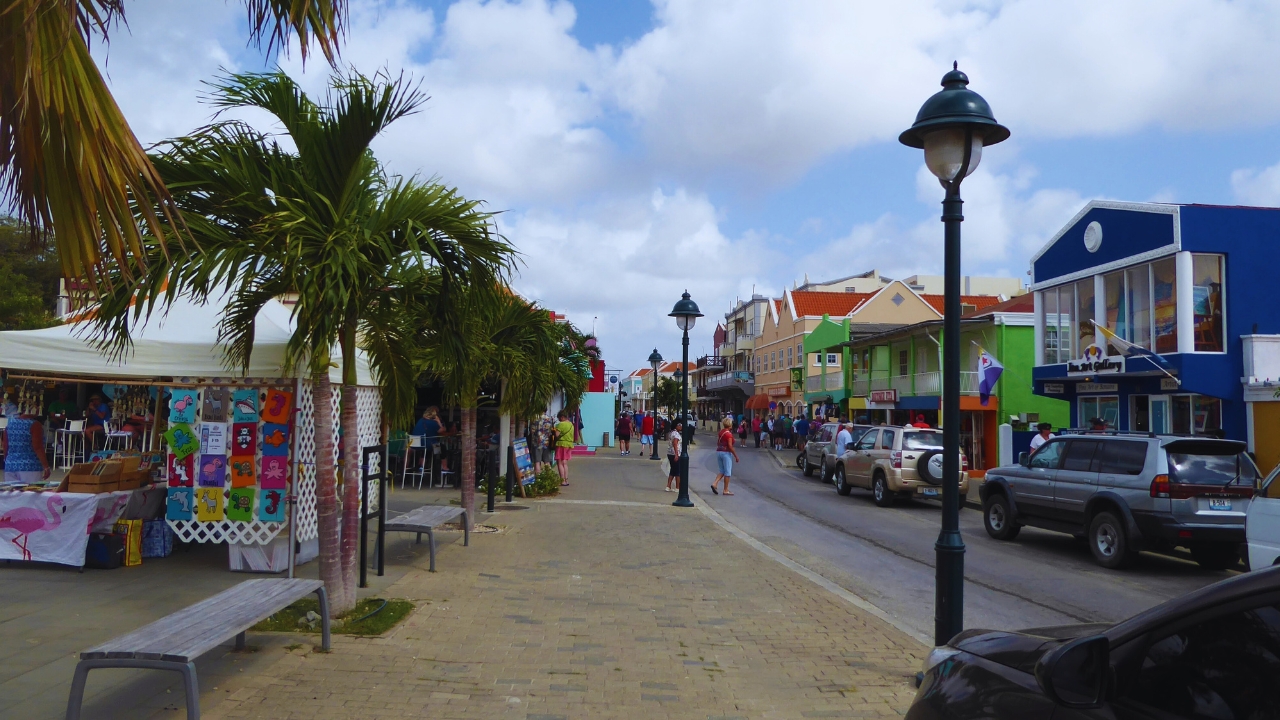
Bonaire feels noticeably different from many other Caribbean cruise ports. As your ship approaches Kralendijk, the island’s small capital, you’ll see colourful Dutch-style buildings lining the waterfront and a relaxed promenade running alongside the harbour.

There’s an almost European feel to the town, which makes sense once you remember that Bonaire is part of the Dutch Caribbean. The pastel architecture, waterfront cafés and tidy streets give the town a slightly different character compared with many other islands in the region.

At the same time, the atmosphere is unmistakably Caribbean.

When we visited in 2016, Kralendijk felt warm, welcoming and pleasantly laid back. Ships dock directly beside the waterfront, and within a few minutes of leaving the pier you’re already strolling past cafés, small shops and restaurants overlooking the sea.

It’s one of those ports where you can simply slow down, wander along the waterfront and enjoy the atmosphere without feeling rushed.

Bonaire is also famous for its crystal-clear water and marine life, and it’s widely considered one of the best snorkelling and diving destinations in the Caribbean.

Many cruise visitors come here for:

• Snorkelling and diving
• Relaxed waterfront cafés
• Colourful Dutch-Caribbean architecture
• Easy walking around town

Compared with some larger Caribbean cruise ports, Bonaire feels quieter and more intimate — which is exactly why many visitors find it so appealing.
Where Is the Bonaire Cruise Port Located?

The Bonaire cruise port is located directly beside the town of Kralendijk, on the island’s western coast.

1️⃣ Southern Pier (Main Cruise Pier)

This is the original and most commonly used pier. Ships dock directly beside the downtown waterfront.

2️⃣ Northern Pier (Second Berth)

A second berth was added/extended to accommodate additional ships, allowing Bonaire to handle two large cruise ships simultaneously.

It’s still located along the same waterfront area and remains very close to town. From the cruise port you can easily:

• Walk along the waterfront promenade
• Explore the colourful streets of Kralendijk
• Visit cafés and restaurants beside the water
• Join snorkelling or island tours

Because the port sits directly beside town, Bonaire is one of the most walkable cruise destinations in the Caribbean.
Is Bonaire Cruise Port Walkable?

Yes — Bonaire is one of the easiest cruise ports to explore on foot.

Ships dock right beside the waterfront in Kralendijk, which means the town begins almost immediately as you leave the pier.

The main promenade runs along the water and is lined with restaurants, cafés, small shops and dive centres. Many visitors simply spend time strolling along the waterfront and exploring the colourful streets behind it.

Within a short walk you’ll find:

• Restaurants and cafés overlooking the sea
• Local shops and boutiques
• Small waterfront bars
• Snorkelling and diving operators

Because everything is so close together, Bonaire is a great port for visitors who prefer a relaxed day without needing organised transport.

Best Things to Do in Bonaire from the Cruise Port

(Without Turning It Into a Marathon)

Bonaire is a small island, which makes it easy to explore during a cruise stop. Many visitors choose a simple plan for the day — either enjoying the waterfront around Kralendijk or heading out to experience the island’s famous marine life.

Here are some of the most popular things to do in Bonaire from the cruise port.


🐠 Snorkel in Bonaire’s Crystal-Clear Water

Bonaire is widely considered one of the best snorkelling and diving destinations in the Caribbean.

The island is surrounded by a protected marine park, which means the reefs and marine life are exceptionally well preserved. Many snorkelling tours take visitors to nearby reef locations where you can see colourful fish, coral and other marine life.

Because the water is so clear, visibility is often excellent.


🐠 Spot Tropical Fish from the Waterfront

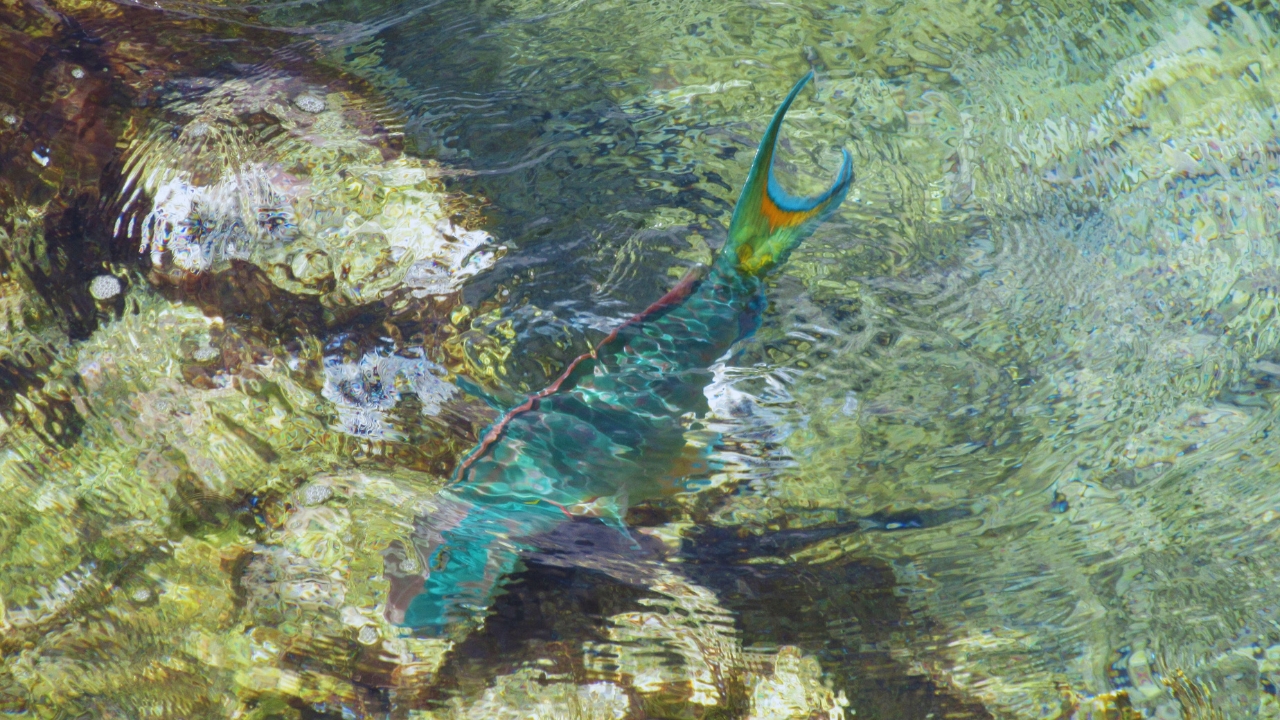
One of the surprising things about Bonaire is how easy it is to see marine life even without going snorkelling.

In parts of Kralendijk the water is so clear that tropical fish can often be seen swimming around the rocks and piers along the shoreline. Sitting at a waterfront café or walking along the promenade can offer a glimpse of the underwater world just below the surface.
🚤 Visit Klein Bonaire

Just offshore from Kralendijk lies Klein Bonaire, a small uninhabited island known for its beautiful beaches and excellent snorkelling.

Water taxis regularly take visitors across to the island, where you’ll find soft white sand and calm, clear water. Because the island has no buildings or development, it offers a peaceful contrast to the main town.

For many visitors, Klein Bonaire provides the best beach experience near the cruise port.


🚐 Take an Island Tour

While Bonaire is small, taking a short island tour is a great way to see some of its unique landscapes.

Tours often include stops at:

• The salt flats and salt pyramids in the south of the island
• Flamingo habitats in the north
• Scenic coastal viewpoints

These tours typically last a few hours and give visitors a good overview of the island.


☕ Relax Along the Kralendijk Waterfront

Sometimes the best way to enjoy Bonaire is simply to slow down.

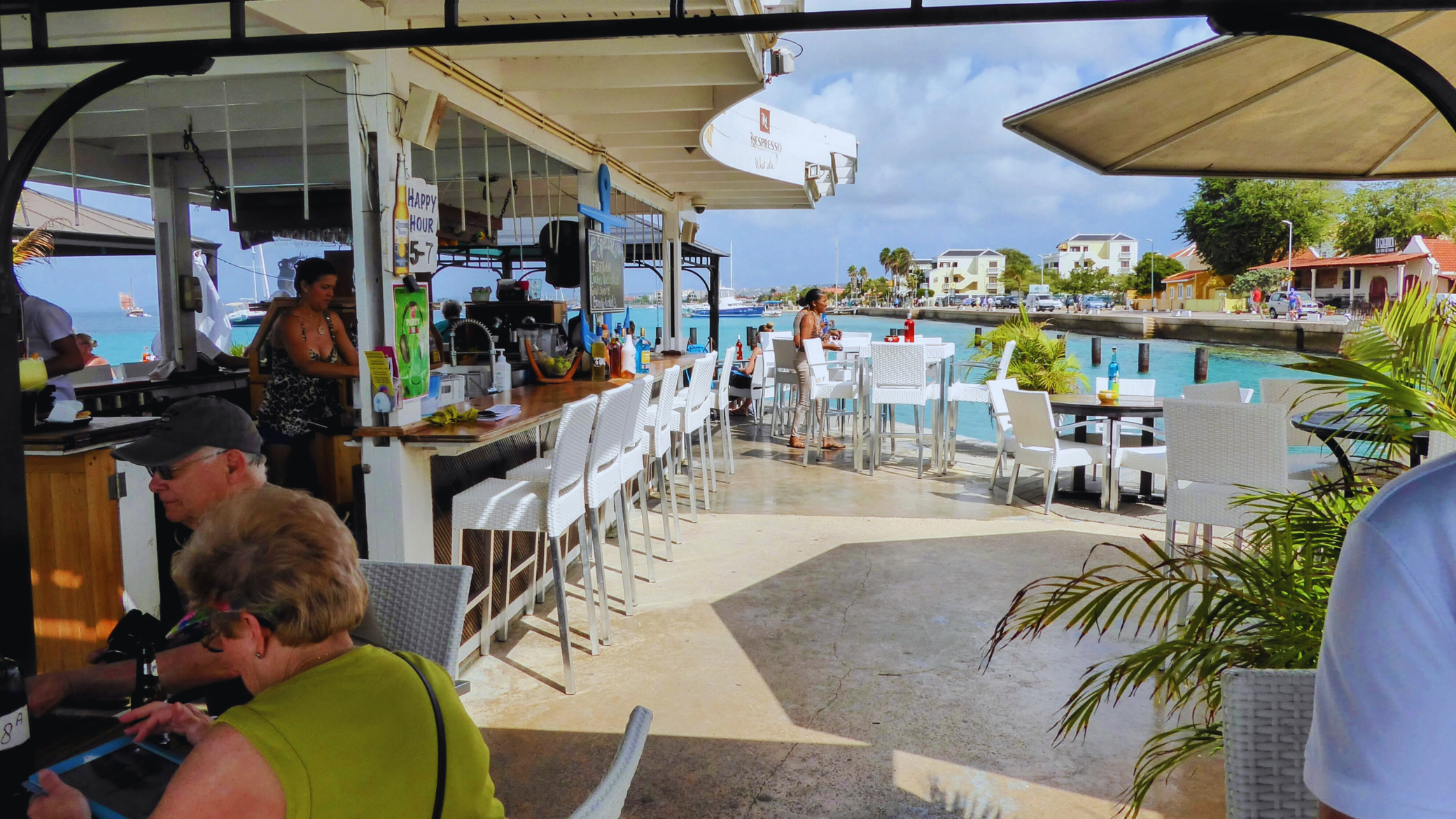
The waterfront promenade in Kralendijk is lined with small cafés, restaurants and bars overlooking the sea. It’s a pleasant place to enjoy lunch, watch boats in the harbour and soak up the relaxed island atmosphere.

Because the town is so close to the cruise port, many visitors spend the day simply exploring the waterfront at their own pace.
Practical Tips for Visiting Bonaire on a Cruise

Bonaire is one of the easiest Caribbean cruise ports to explore, but a few simple tips can help you make the most of your time on the island.

Because ships dock directly beside the town of Kralendijk, getting around is generally straightforward and many visitors choose to explore independently.


📍 Check Which Pier Your Ship Uses

Bonaire has two cruise berths along the waterfront in Kralendijk.

Both piers are located right beside the town centre, so regardless of where your ship docks you’ll usually be within a short walk of restaurants, cafés and shops.

Unlike some Caribbean destinations, ships in Bonaire normally dock directly at the pier, so tender boats are rarely required.


🚶 Getting Around Kralendijk

The town of Kralendijk is small and easy to explore on foot.

From the cruise pier you can quickly reach:

• The waterfront promenade
• Restaurants and cafés overlooking the sea
• Local shops and boutiques
• Dive centres and tour operators

Many visitors simply spend time walking along the waterfront and enjoying the relaxed atmosphere of the town.


🐠 Snorkelling and Marine Life

Bonaire is surrounded by a protected marine park, which helps preserve the island’s reefs and marine life.

If you plan to snorkel, consider bringing:

• Reef-safe sunscreen
• Water shoes
• Your own snorkelling gear if you prefer

Several tour operators also offer snorkelling trips from the waterfront.


💵 Currency & Payments

The official currency in Bonaire is the US Dollar, which makes things simple for many cruise visitors.

Credit cards are widely accepted in restaurants, shops and excursion operators, though carrying a small amount of cash can be useful for taxis or smaller purchases.

English, Dutch, Spanish and Papiamento are commonly spoken on the island.


☀️ Sun, Heat & Hydration

Bonaire is located just north of Venezuela and tends to be warm and sunny throughout the year.

If you’re planning to spend time outdoors it’s worth bringing:

• Sunscreen
• A hat
• Water

Shade can be limited in some areas, particularly if you’re exploring the coastline.


🧭 Keep Your Day Simple

One of the best things about Bonaire is its relaxed atmosphere.

Rather than trying to fit too many activities into one day, many visitors enjoy the island most by choosing one main activity, such as:

• Snorkelling or diving
• Visiting Klein Bonaire
• Taking a short island tour
• Relaxing along the waterfront

Because the town is right beside the cruise port, it’s easy to return to the ship whenever you’re ready.
Who Bonaire Suits Best

Bonaire tends to appeal to travellers looking for a quieter, more relaxed Caribbean cruise stop.

While it may not have the large resorts or busy beaches found on some islands, its natural beauty and laid-back atmosphere make it a favourite for many visitors.


✔ Snorkellers and Divers

Bonaire is widely considered one of the best diving and snorkelling destinations in the Caribbean.

The island’s protected marine park helps preserve coral reefs and marine life, and the water is often exceptionally clear.

For many visitors, exploring the underwater world is the highlight of their stop in Bonaire.


✔ Travellers Who Enjoy Walkable Ports

Because ships dock directly beside the town, Bonaire is one of the most walkable cruise ports in the Caribbean.

You can easily spend the day exploring Kralendijk, enjoying lunch at a waterfront café or browsing the colourful streets without needing organised transport.


✔ Visitors Who Prefer a Relaxed Atmosphere

Compared with some busier Caribbean cruise destinations, Bonaire feels noticeably quieter and more laid back.

Many visitors appreciate the slower pace and the chance to simply enjoy the island’s scenery and waterfront atmosphere.


✔ Those Interested in Unique Landscapes

Beyond the town, Bonaire offers unusual landscapes including salt flats, flamingo habitats and rugged coastal scenery.

Short island tours allow visitors to experience these distinctive parts of the island.


It May Suit Less If You’re…

Looking for large beach resorts or high-energy activities right beside the cruise port.

While Bonaire does have beautiful beaches, the island is better known for its marine life and relaxed atmosphere than for big resort-style beach areas.

Final Thought

Bonaire is one of those cruise ports that rewards a slower pace.

Instead of rushing from one attraction to another, many visitors find the island is best enjoyed by simply exploring the waterfront, watching the clear blue water drift past and taking in the relaxed atmosphere of Kralendijk.

Whether you spend the day snorkelling, visiting Klein Bonaire or just enjoying lunch at a café overlooking the sea, Bonaire offers a different side of the Caribbean — one that feels calm, colourful and quietly memorable.

FAQs: Bonaire Cruise Port

Is Bonaire cruise port walkable?

Yes. Cruise ships dock directly beside the town of Kralendijk, and most restaurants, shops and cafés are only a few minutes’ walk from the pier.

What currency is used in Bonaire?

Bonaire uses the US Dollar (USD), which makes payments easy for many cruise visitors.

Can you snorkel near the cruise port in Bonaire?

Yes. Bonaire is famous for its excellent snorkelling, and the clear water around the island makes it easy to see marine life even close to the shoreline.

How far is Klein Bonaire from the cruise port?

Klein Bonaire is located just offshore from Kralendijk and can be reached by water taxi in around 15–20 minutes.

Is Bonaire good for cruise visitors?

Yes. Bonaire is a relaxed and easy cruise destination with clear water, colourful waterfront streets and excellent snorkelling opportunities.
Curaçao Cruise Port Guide

Curaçao Cruise Port Guide

Curaçao Cruise Port Overview — What It Actually Feels Like

Curaçao feels colourful before it feels tropical.

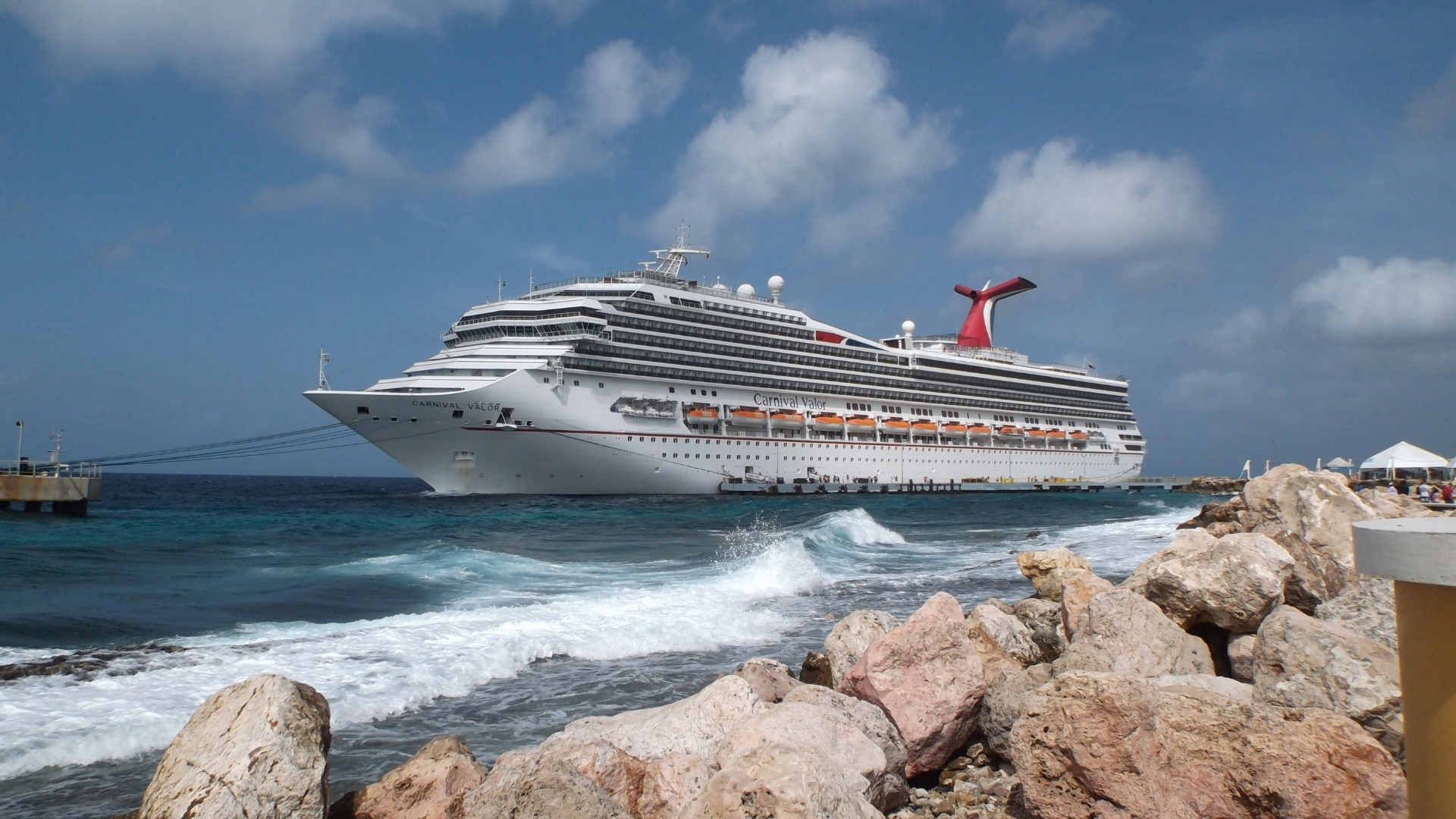
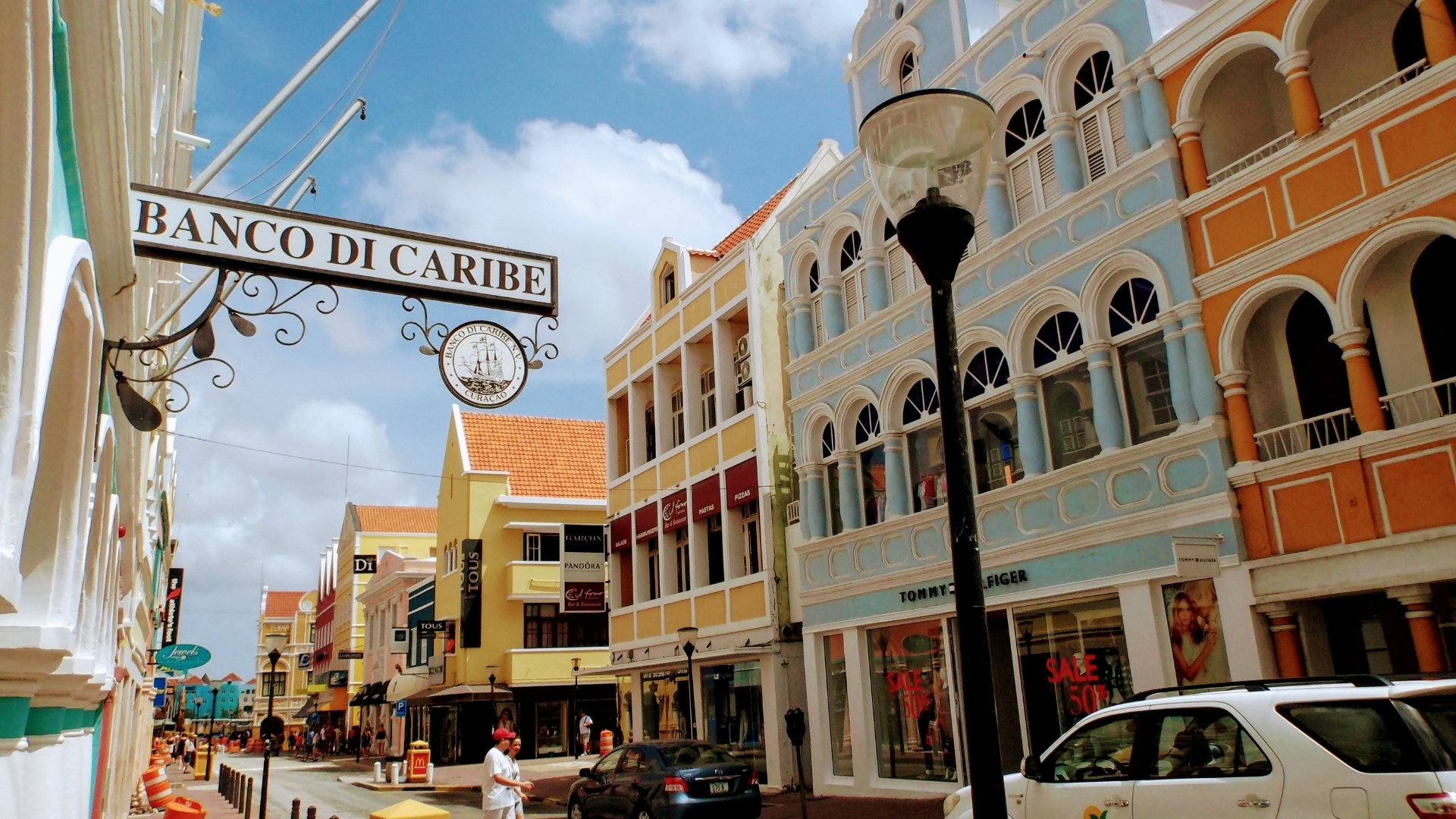
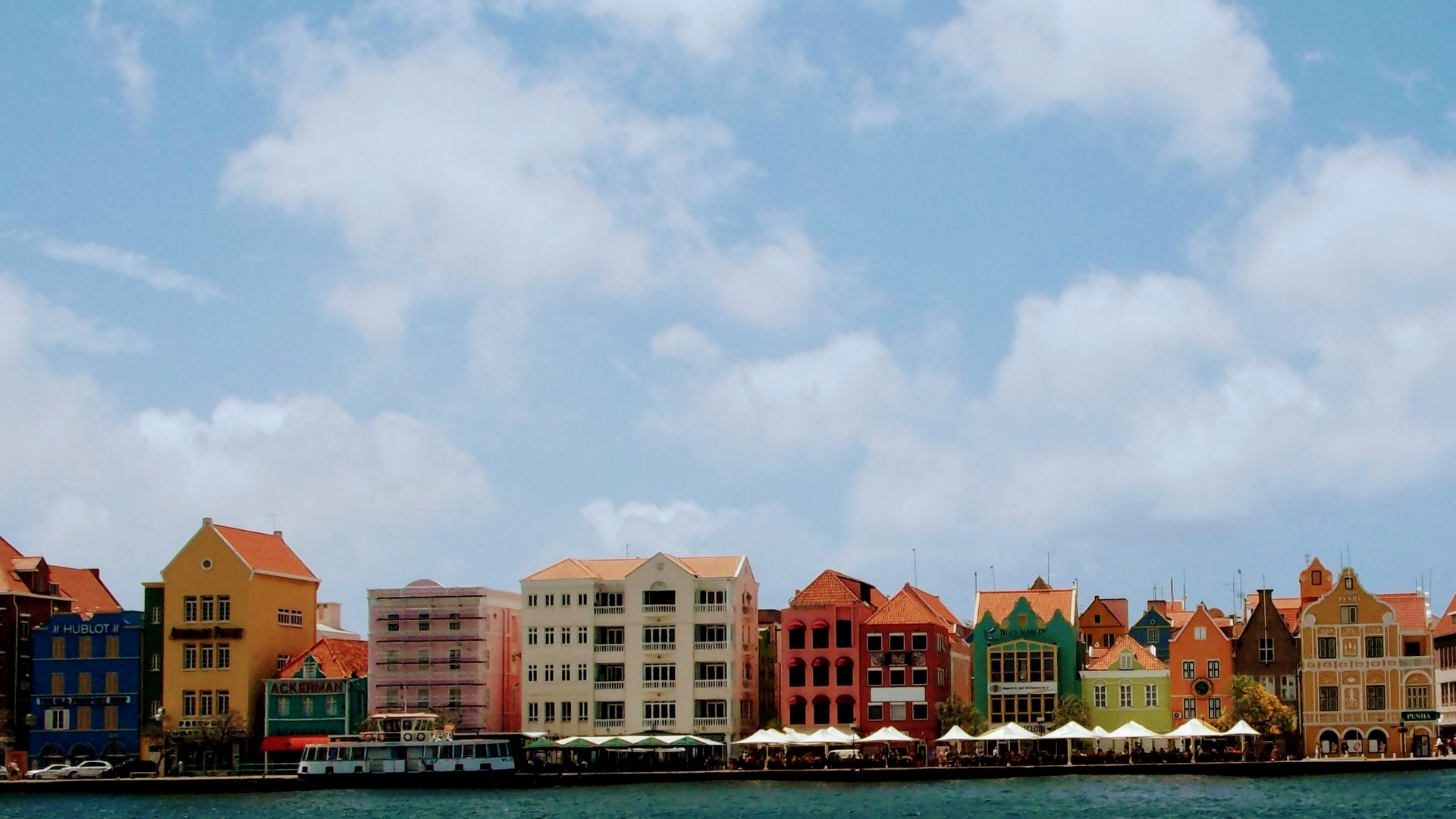
The cruise ships dock right beside Willemstad’s famous waterfront — rows of pastel Dutch-style buildings lining the harbour, almost too neat to be real. It’s one of the most visually distinctive cruise arrivals in the Caribbean.

Unlike Aruba’s wide-open beach atmosphere, Curaçao feels more architectural and cultural. There’s character here — history, colour, movement — and a slightly more European rhythm to the town.

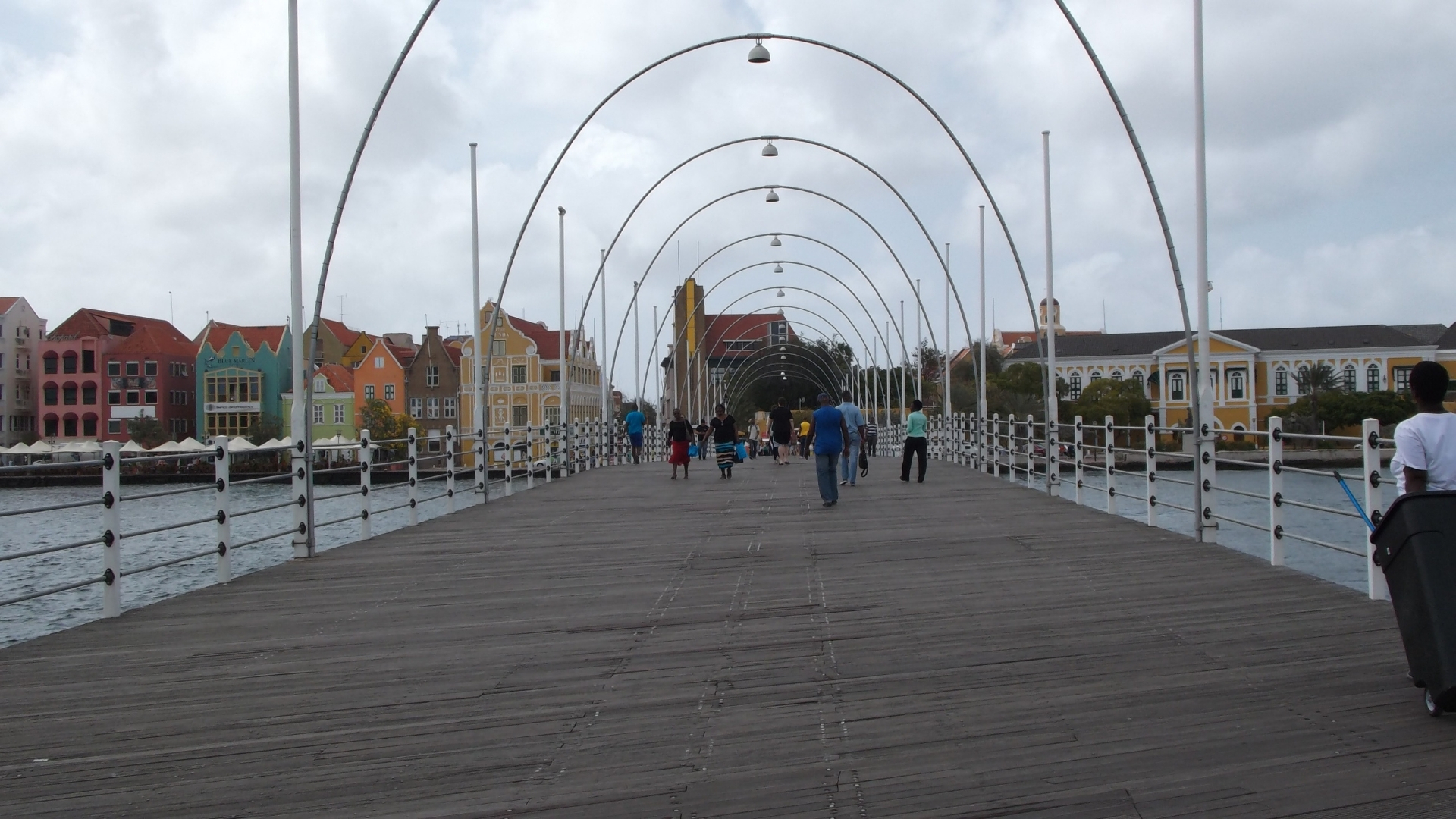
Willemstad itself is a UNESCO World Heritage site, and you can feel that sense of preservation. Narrow streets, cafés, small shops and the iconic floating Queen Emma Bridge give the port an immediate personality.

That said, Curaçao’s best beaches are not directly beside the cruise terminal. The appeal here is balance — town exploration combined with either a planned beach stop or a short island tour.

Approach Curaçao expecting colour, character and a manageable walking day, and it tends to reward you.

Is Curaçao Walkable?

Yes — Willemstad is one of the most walkable cruise ports in the Caribbean.

When your ship docks at the Mega Pier, you’re only about a 10–15 minute flat walk from the colourful waterfront of Punda and Otrobanda. Most of the route is straightforward, well signposted, and busy with other cruise passengers.

The highlight of that walk? Crossing the famous floating Queen Emma Bridge, which gently swings open to let ships pass through the harbour. It’s not just practical — it’s part of the experience.

Once you’re in town, you can easily explore:

  • The pastel Dutch colonial buildings along Handelskade

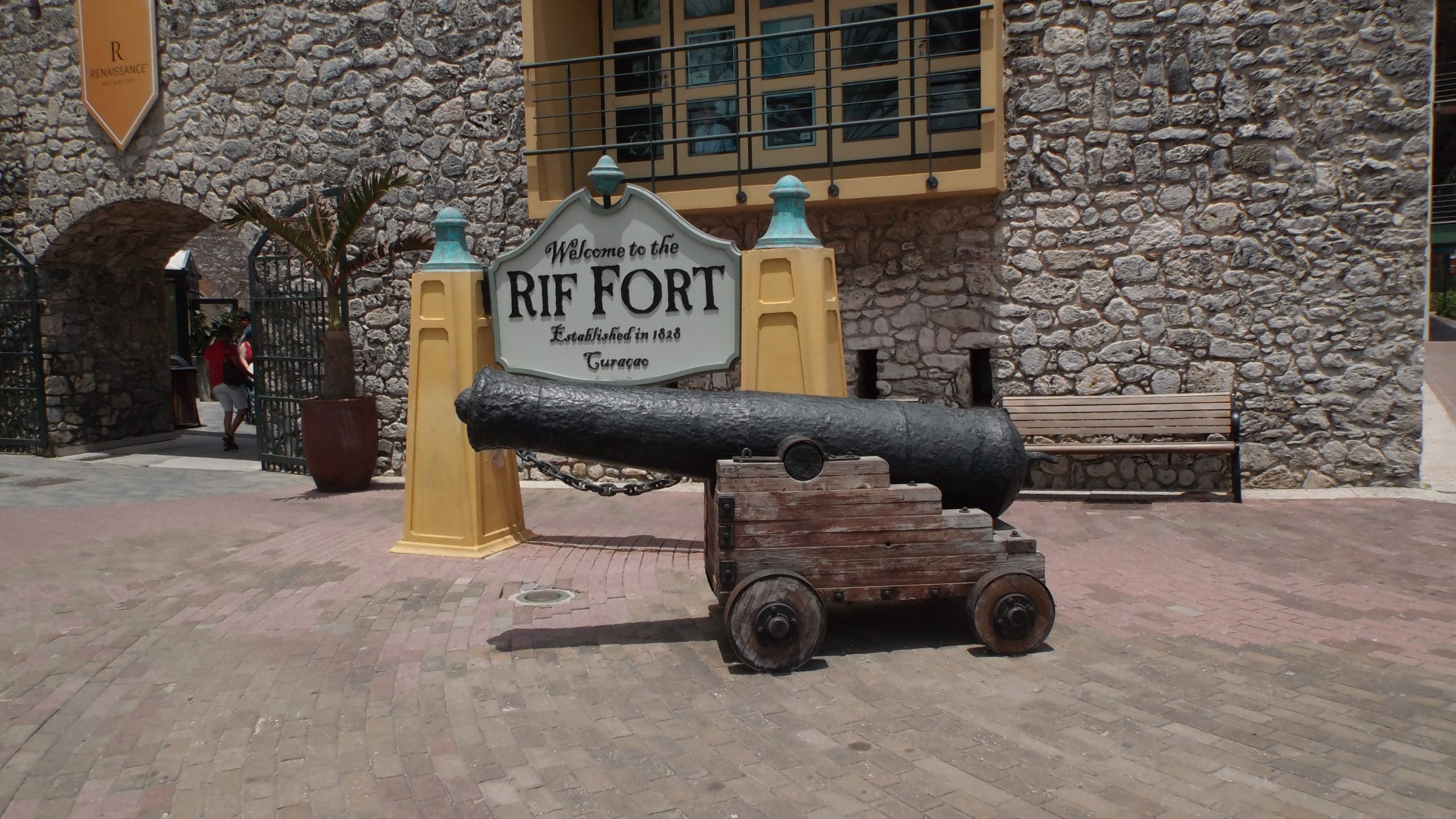
  • Fort Amsterdam and historic courtyards

  • The synagogue and surrounding streets

  • Cafés, markets and small boutiques

  • The colourful murals of Otrobanda

There are pavements throughout most of the historic centre, and everything feels compact and manageable for a relaxed half-day wander.

When You’ll Need Transport

If you want to visit beaches like Cas Abao or Grote Knip, or explore the rugged west coast of the island, you’ll need a taxi, rental car, or organised excursion. Those areas are not walkable from the cruise terminal.

But if your idea of a good port day includes strolling, photographing colourful streets, stopping for coffee and soaking up atmosphere — Curaçao delivers without needing a tour.

Is Curaçao Worth Leaving the Ship?

In short? Yes — absolutely.

Curaçao isn’t a “quick beach stop” kind of port. It’s one of the most visually distinctive and culturally interesting islands in the southern Caribbean. Even if you’ve visited before, there’s usually something new to notice.

Willemstad feels different from many other Caribbean cruise ports. The colourful Dutch colonial buildings, the floating Queen Emma Bridge, and the mix of Caribbean warmth with European architecture give it real character.

And if your perfect port day includes strong coffee and a flaky pastry in a shaded courtyard, you’ll feel right at home here. Willemstad has some genuinely excellent cafés — the kind where you can sit, slow down, and watch the world drift by for a while before deciding what to do next.

If you enjoy:

  • Wandering photogenic streets

  • Learning a little history without committing to a full tour

  • Great coffee and relaxed café culture

  • Browsing independent shops rather than generic jewellery stores

…then Curaçao is well worth stepping off for.

When You Might Stay Onboard

That said, if your itinerary already includes multiple beach-heavy ports (Aruba, Bonaire, St Maarten), and you’re feeling “beached out,” Curaçao actually works beautifully as a half-day stop.

Some cruisers choose to:

  • Walk into town for a couple of hours

  • Cross Queen Emma Bridge

  • Grab coffee or lunch

  • Head back to enjoy a quieter ship

That’s not “missing out.” That’s cruising smart.

Curaçao suits both explorers and slow wanderers — and that flexibility is part of its charm.

Best Things to Do in Curaçao (Without Rushing the Day)

Curaçao works best when you choose a clear focus: explore Willemstad on foot, spend time at one standout beach, or take a short island tour. Trying to combine all three can make the day feel rushed.

Here are the options that tend to work particularly well on a cruise stop.


🌈 Wander Willemstad’s Colourful Waterfront

For many visitors, simply exploring the historic centre is enough.

  • Walk across the floating Queen Emma Bridge

  • Photograph the pastel buildings along Handelskade

  • Visit Fort Amsterdam and the surrounding courtyards

  • Stop for coffee and pastries in a shaded café

Willemstad feels layered and walkable. Even a couple of hours here gives you a genuine sense of place.


🏖 Visit a West Coast Beach

Curaçao’s best beaches are not beside the cruise terminal, but they’re worth the effort.

Popular options include:

Cas Abao Beach
Clear water, soft sand and good facilities. Often considered one of the island’s most accessible and consistently beautiful beaches.

Grote Knip (Kenepa Grandi)
More natural and scenic, with dramatic cliffs and brilliant blue water. Slightly further from town but striking.

If beach time is your priority, choose one location and allow enough time for transport back to the ship.


🚗 Take a Short Island Tour

If you want variety, guided tours often include:

  • The rugged north coast

  • Shete Boka National Park

  • California-style wind-blown coastal views

  • Small villages and inland scenery

Curaçao’s interior is dry and open rather than rainforest-heavy, which gives the landscape a distinctive character compared to many Caribbean islands.


🐠 Snorkelling & Water Activities

The island’s clear waters make it popular for snorkelling excursions. Many half-day trips combine beach time with guided snorkelling stops.

These are good options if you prefer structured experiences with transport included.


Choosing What Works Best

Curaçao isn’t a port that demands intensity.

A relaxed town wander and lunch.
One beach with clear water and time to swim.
A scenic island loop and back onboard.

Choose one main experience and let the day breathe.

Practical Tips for Visiting Curaçao on a Cruise

📍 Where You Dock

Most large cruise ships dock at the Mega Pier, which is about a 10–15 minute flat walk from the historic centre of Willemstad.

The route is straightforward and well signposted. You’ll walk along the waterfront before reaching the floating Queen Emma Bridge, which connects the two sides of the harbour.

Occasionally smaller ships may dock closer to town, but most visitors should expect a short walk.


⏰ Watch the Bridge Timing

The Queen Emma Bridge swings open to allow ships to pass through the harbour.

If it’s open while you’re crossing, small ferries run continuously to carry pedestrians across. It’s not a problem — just part of the experience — but allow a few extra minutes if you’re returning close to all-aboard time.


🏖 Beaches Require Transport

Curaçao’s best beaches are not walkable from the cruise terminal.

To reach beaches like Cas Abao or Grote Knip, you’ll need:

  • A taxi

  • A rental car

  • Or a booked excursion

Confirm return times clearly if travelling independently, and allow a comfortable buffer before your ship departs.


☀️ Weather & Sun

Curaçao is warm year-round, with limited natural shade on some beaches.

Bring:

  • High-factor sunscreen

  • Water

  • A hat

  • Cash or card for beach entry fees (some beaches charge small admission or chair fees)


💵 Currency & Payments

  • US dollars are widely accepted

  • Credit cards are commonly used

  • English is spoken throughout the cruise areas

It’s generally an easy island to navigate independently.


🚶‍♂️ Pace of the Day

Curaçao works best as a relaxed, unhurried port.

A couple of hours exploring Willemstad, followed by lunch or coffee, may feel more rewarding than trying to combine town, beach and a long excursion.

Give yourself space — that’s where Curaçao shines.

Who Curaçao Suits Best

Curaçao tends to suit cruisers who enjoy atmosphere as much as activity.

✔ Travellers Who Like to Wander

If your ideal port day includes strolling colourful streets, crossing a floating bridge, stopping for coffee and taking photographs, Curaçao is a natural fit. Willemstad is compact, distinctive and easy to explore without a strict plan.

✔ Culture-Curious Cruisers

With its Dutch colonial architecture, historic forts and long-standing synagogue, Curaçao offers more visible history than many Caribbean ports. It’s not overwhelming — just enough to give the day texture.

✔ Independent Explorers

Curaçao is manageable on your own. Transport is straightforward, English is widely spoken, and the layout of Willemstad makes it comfortable for first-time visitors who prefer not to book organised tours.

✔ Those Seeking Balance

If you want a mix of town exploration and one well-chosen beach or excursion, Curaçao supports that rhythm beautifully.


It May Suit Less If You’re…

  • Looking purely for a walk-off-the-ship beach

  • Wanting dramatic rainforest scenery or waterfalls

  • Hoping for a secluded, sleepy island atmosphere

Curaçao has personality and colour — but it’s lively and structured rather than remote.


Final Thought

Curaçao rewards curiosity and simplicity.

You don’t need to tick off every landmark.
Choose one focus — historic town, scenic coastline or a single beach — and let the day unfold naturally.

That’s usually when this port feels at its best.

🌴 Plan Your Caribbean Cruise

If your cruise is visiting the Caribbean, these guides will help you plan your port days with confidence:

Aruba Cruise Port Guide

Aruba Cruise Port Guide

Aruba Cruise Port Overview — What It Actually Feels Like

Aruba feels different from many Caribbean ports the moment you step ashore.

The cruise terminal sits directly beside Oranjestad’s colourful waterfront, with pastel Dutch-style buildings, clean streets and a noticeably organised atmosphere. It’s bright, open and easy to navigate, but it also feels more polished and developed than some other islands.

Unlike busier ports such as Nassau, Aruba rarely feels chaotic. The pace is steady rather than hurried. The trade winds keep the heat manageable, and the overall impression is one of space — wide roads, long beaches and clear horizons.

Aruba isn’t a jungle island with waterfalls and rainforest hikes. It’s drier, flatter and more desert-like in places. The appeal here is reliable sunshine, striking turquoise water and some of the Caribbean’s most consistently beautiful beaches.

If you approach Aruba expecting dramatic historic landmarks or dense tropical scenery, you might feel underwhelmed. If you approach it for sea, sand and relaxed exploration, it works beautifully.

This guide breaks down what Aruba actually offers on a cruise stop, what’s worth prioritising, and how to make the most of your time without overcomplicating the day.

Is Aruba Walkable?

Partially — but not for the beaches most people picture.

The cruise ships dock directly beside downtown Oranjestad, and the colourful waterfront area is easy to explore on foot. Shops, cafés and the main streets are just outside the port gates, making it one of the simpler Caribbean ports to navigate independently.

If you’re happy with a relaxed wander through town, Aruba works very well without transport.

However, Aruba’s most famous beaches — including Eagle Beach and Palm Beach — are not within walking distance of the cruise terminal.

To reach them, you’ll need:

  • A taxi (widely available outside the port)

  • A local bus

  • Or a pre-booked excursion or resort day pass

Using the Local Bus

If you’re comfortable navigating independently, the local bus is a straightforward and affordable option.

The main bus station is just a short walk from the cruise terminal. On our visit, we caught the L10 bus to Eagle Beach, which was simple to use and inexpensive. Buses run regularly along the hotel and beach strip, and the journey takes around 15–20 minutes depending on traffic.

It’s not complicated — but it does require paying attention to stops and return times. If you prefer maximum simplicity, taxis are quicker and more direct.


What About Terrain?

Downtown Oranjestad is mostly flat and easy to navigate. There are no steep climbs or challenging hills near the port area.

The beaches are also flat and accessible once you arrive.


The Bottom Line

Aruba is easy to explore independently — but if your goal is a classic Caribbean beach day, plan your transport rather than expecting to walk straight to the sand.

With a simple plan — whether taxi or bus — it’s one of the easier beach ports to manage.

Best Things to Do in Aruba (Without Overcomplicating the Day)

Aruba works best when you choose one clear focus — beach time, a short island tour, or a half-day experience on the water.

Here are the options that tend to work particularly well on a cruise stop.


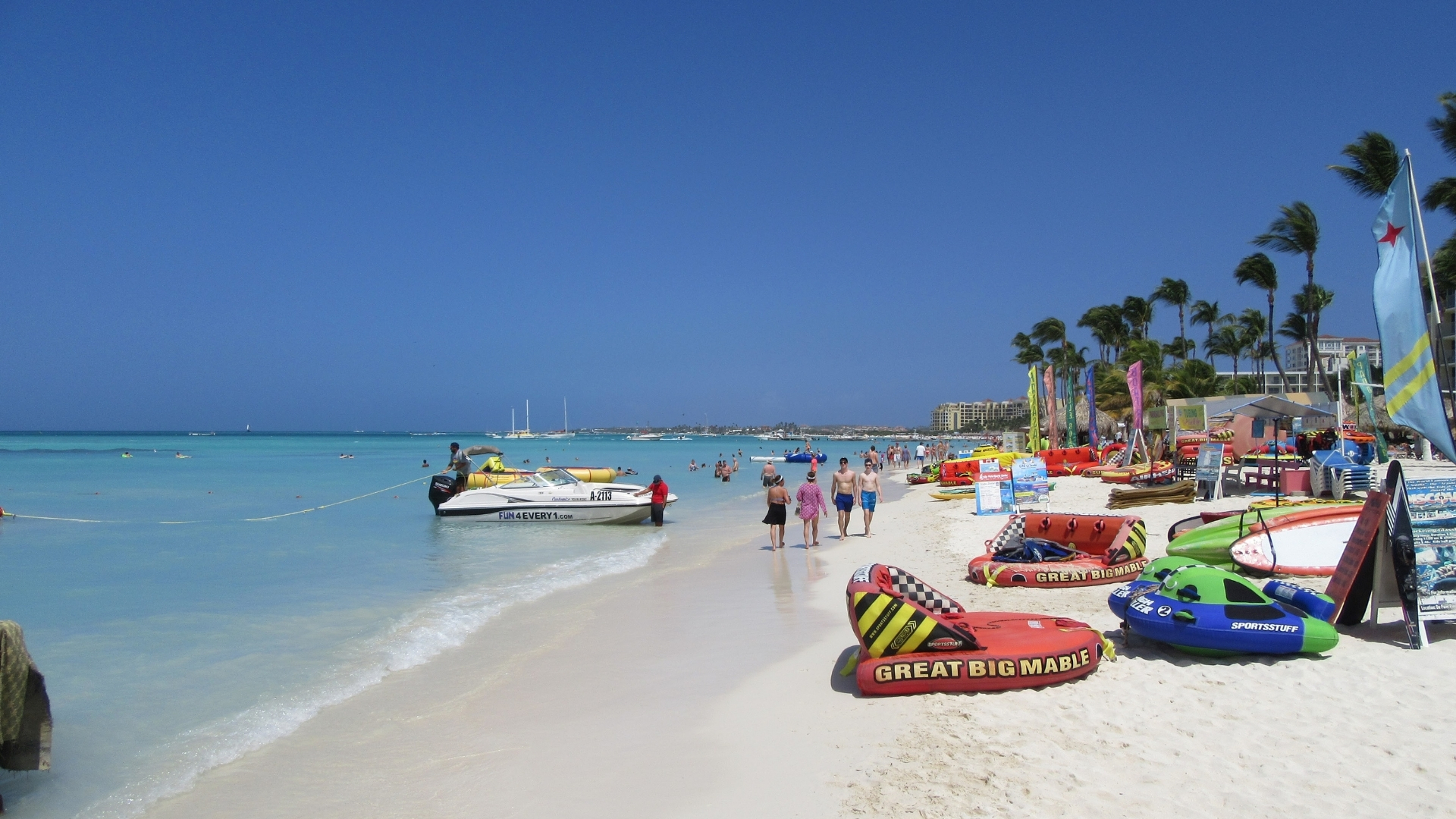
🏖 Spend Time on the Beach

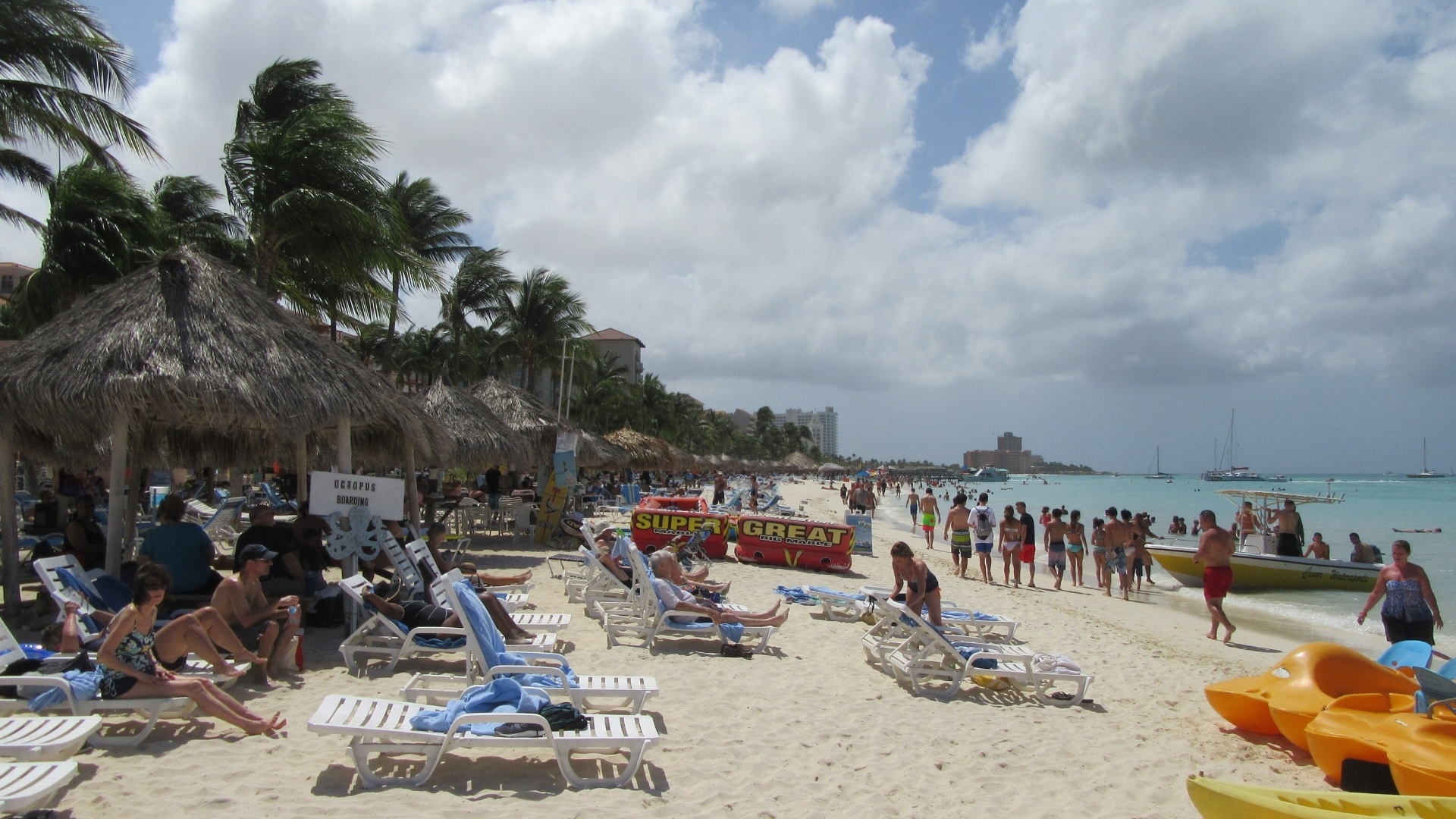
For many visitors, Aruba is all about the beaches.

Eagle Beach
Wide, white sand and consistently clear water. It’s less built-up than Palm Beach and feels more open and spacious. Easily reached by taxi or bus from the cruise terminal.

Palm Beach
Livelier and lined with hotels and watersports. Good if you prefer facilities, bars and activity close by.

If your priority is a classic Caribbean beach scene, Aruba delivers reliably.


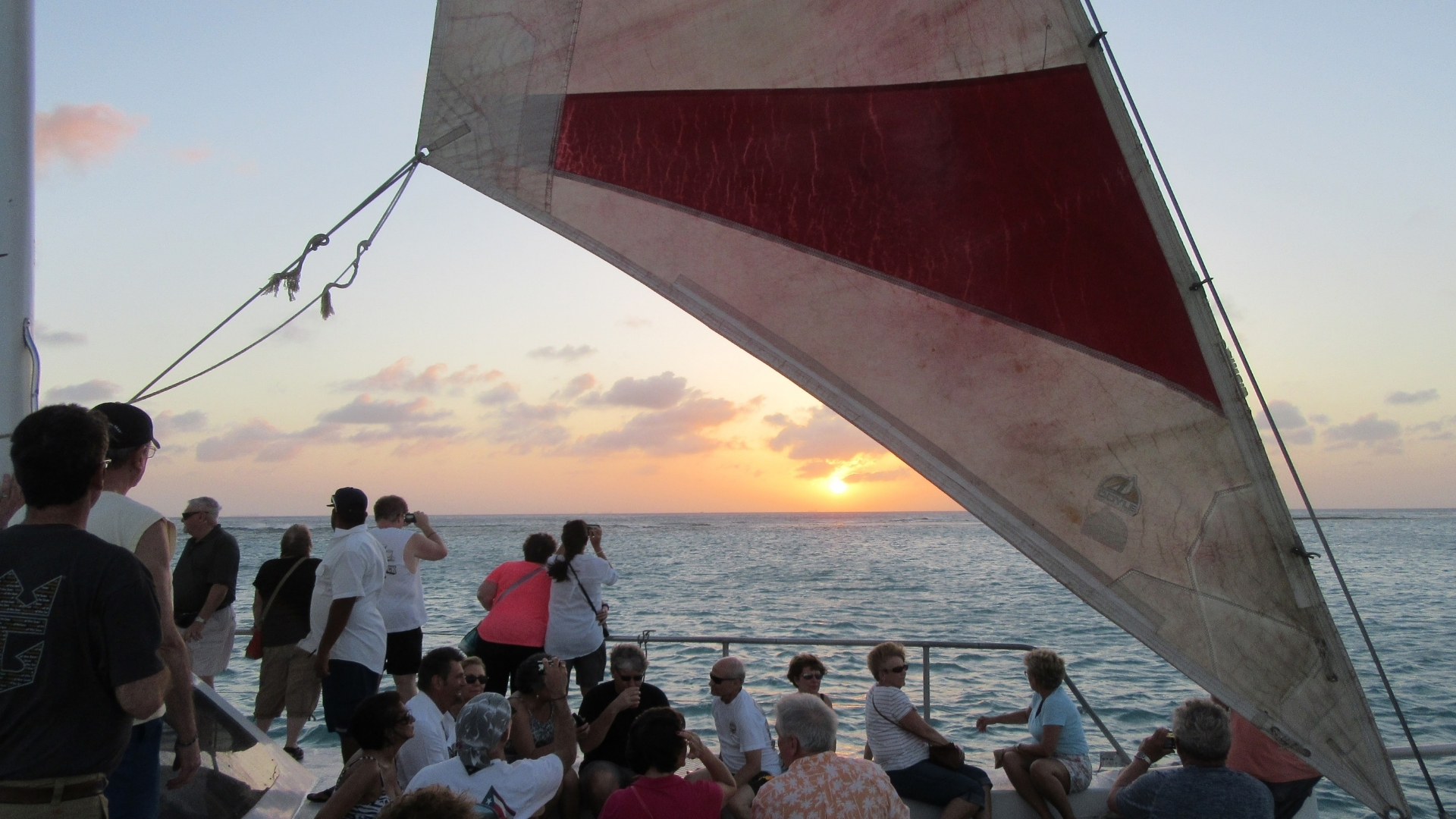
⛵ Take a Sunset Catamaran Cruise

If your ship is in port late enough, a sunset catamaran can be a genuinely memorable way to experience Aruba.

We chose a sunset sailing along the coast, and it offered a completely different perspective of the island — warm evening light, steady trade winds and uninterrupted views of Eagle Beach from the water.

It felt relaxed rather than rushed, and because Aruba’s coastline is so open, the sunsets can be spectacular when the weather cooperates.

This type of excursion works particularly well if:

  • You’ve already visited the beaches

  • You prefer a more atmospheric experience

  • Your port day extends into the evening

It’s one of the few cruise port excursions that can feel genuinely special rather than simply practical.

🌵 Explore Beyond the Beaches

While Aruba is best known for its beaches, the island’s northern coastline tells a very different story.

The landscape becomes drier, rockier and more windswept — almost desert-like in places. If you enjoy contrast and scenery, this side of the island adds depth to a beach-focused day.

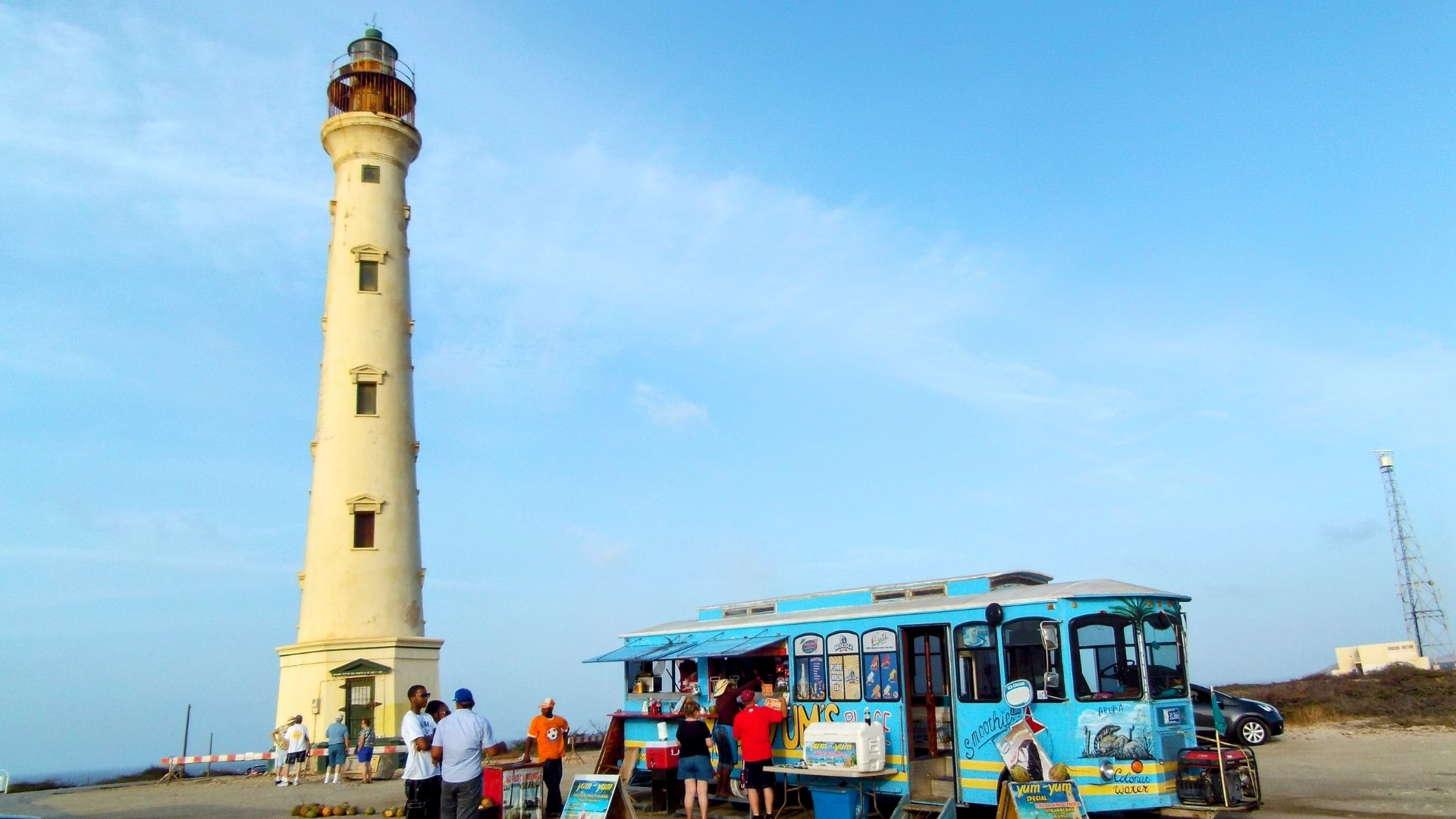
California Lighthouse

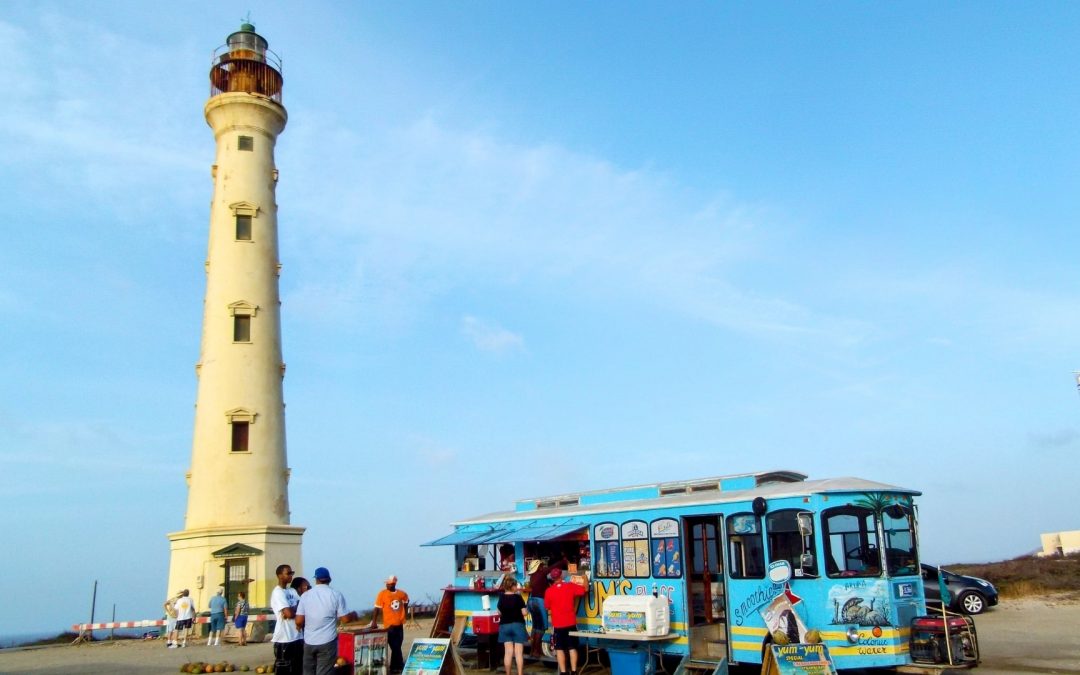
One of the most popular stops is the California Lighthouse at the island’s northwestern tip. The views from this area stretch across Aruba’s rugged coastline, with waves crashing against rocky outcrops and long, open horizons in every direction.

It’s a simple stop — but a memorable one. The scenery feels expansive and dramatically different from the resort-lined beaches further south.

Arikok National Park & Natural Landmarks

Many island tours also include:

  • Arikok National Park

  • Natural bridges and limestone formations

  • Hidden coves along the north coast

  • Off-road jeep experiences

These excursions suit travellers who want movement and scenery rather than a stationary beach day.


Who This Side of Aruba Suits

Exploring beyond the beaches tends to work well if:

  • You’ve already visited Eagle or Palm Beach

  • You prefer a scenic drive over a sun lounger

  • You enjoy photography and dramatic coastal views

  • You want variety in a longer port day

If your time is limited and it’s your first visit, many cruisers choose either beach or island tour rather than trying to do both.

Aruba rewards simplicity.

Practical Tips for Visiting Aruba on a Cruise

📍 Where You Dock

Cruise ships dock in Oranjestad, Aruba’s capital. The terminal area is organised and easy to navigate, with shops and cafés within a short walk.

You step directly into town — no shuttle required.


🚌 Getting to Eagle Beach

If you’re heading to Eagle Beach independently, transport is straightforward.

We caught the L10 bus from the main bus station, which is just a short walk from the cruise terminal. It was simple, affordable and took the stress out of negotiating taxi fares.

Taxis are also widely available and easy to arrange.


☀️ Weather & Heat

Aruba is reliably warm and often windy (thanks to the trade winds). The breeze can make it feel cooler than it actually is.

Bring:

  • Strong sun protection

  • Plenty of water

  • Light, breathable clothing

Shade can be limited on some beaches unless you rent a palapa or umbrella.


⏰ Port Timing Matters

Many Aruba visits run longer than a typical Caribbean stop, sometimes extending into the evening.

If you have a late departure:

  • A sunset sail becomes possible

  • You can enjoy a relaxed beach afternoon without rushing

  • Dinner ashore is sometimes an option

Check your all-aboard time carefully — especially if exploring independently.


💳 Currency & Language

  • US dollars are widely accepted

  • English is spoken almost everywhere

  • Credit cards are commonly used

It’s one of the easier Caribbean islands for independent exploration.


🧭 Is Aruba Walkable?

Oranjestad itself is walkable for light shopping and a short wander.

For beaches and major sights, you’ll need transport — but distances are manageable and infrastructure is good.


🚢 Who Aruba Suits Best

Aruba tends to suit:

  • Beach-focused cruisers

  • First-time Caribbean visitors

  • Those who prefer organised, easy transport

  • Travellers who enjoy scenic coastal drives

It may feel less adventurous for those seeking rainforest hikes or dramatic waterfalls — but for a classic Caribbean beach day, it rarely disappoints.

So… What Kind of Aruba Day Will You Choose?

Aruba doesn’t demand a packed itinerary.

It rewards clarity.

A beach morning and an unhurried swim.
A scenic drive to the lighthouse and rugged coastline.
A sunset sail with warm trade winds at your back.

There isn’t one “right” way to experience Aruba — only the version that suits your energy that day.

If it’s your first visit, step ashore and see what the island feels like.
If you’ve been before, you have the luxury of choosing differently.

Aruba works best when you resist the urge to do everything and instead do one thing well.

That’s usually enough.

🌴 Plan Your Caribbean Cruise

If your cruise is visiting the Caribbean, these guides will help you plan your port days with confidence:

Get Your FREE Cruise Packing List

Pack like a pro! Subscribe and we’ll send you our printable cruise packing checklist plus handy cruise tips.

No spam, no inbox overload — just useful cruise inspiration.

Anchors aweigh! You’re officially part of the Escapaders crew 🎉