20 Things to Do a Week Before Your Cruise

20 Things to Do a Week Before Your Cruise

The countdown is on—you’re just one week away from sail away! 🛳️ That magical time when you can almost hear the steel drum band and taste the piña coladas. But before you swap your alarm clock for a wake-up call from the ocean, there are a few things to check off the list.

Here’s our 20-step cruise countdown checklist—part practical, part playful—to make sure you board stress-free and ready for adventure.

1. ✅ Get Your Travel Docs in Order

Passports, visas, boarding passes, cruise luggage tags—double-check them now. Take photos of everything too, because phones are harder to lose than paper.

2. 📲 Complete Online Check-In

Most cruise lines require you to upload a photo, enter travel details, and pick an arrival slot. Do it now to avoid the dreaded “last-minute scramble.”

3. 🧳 Print & Prep Your Luggage Tags

Skip the tape-and-hope method—grab some cruise luggage tag holders (we use these and never look back). They’re reusable, waterproof, and save you from soggy paper tags.
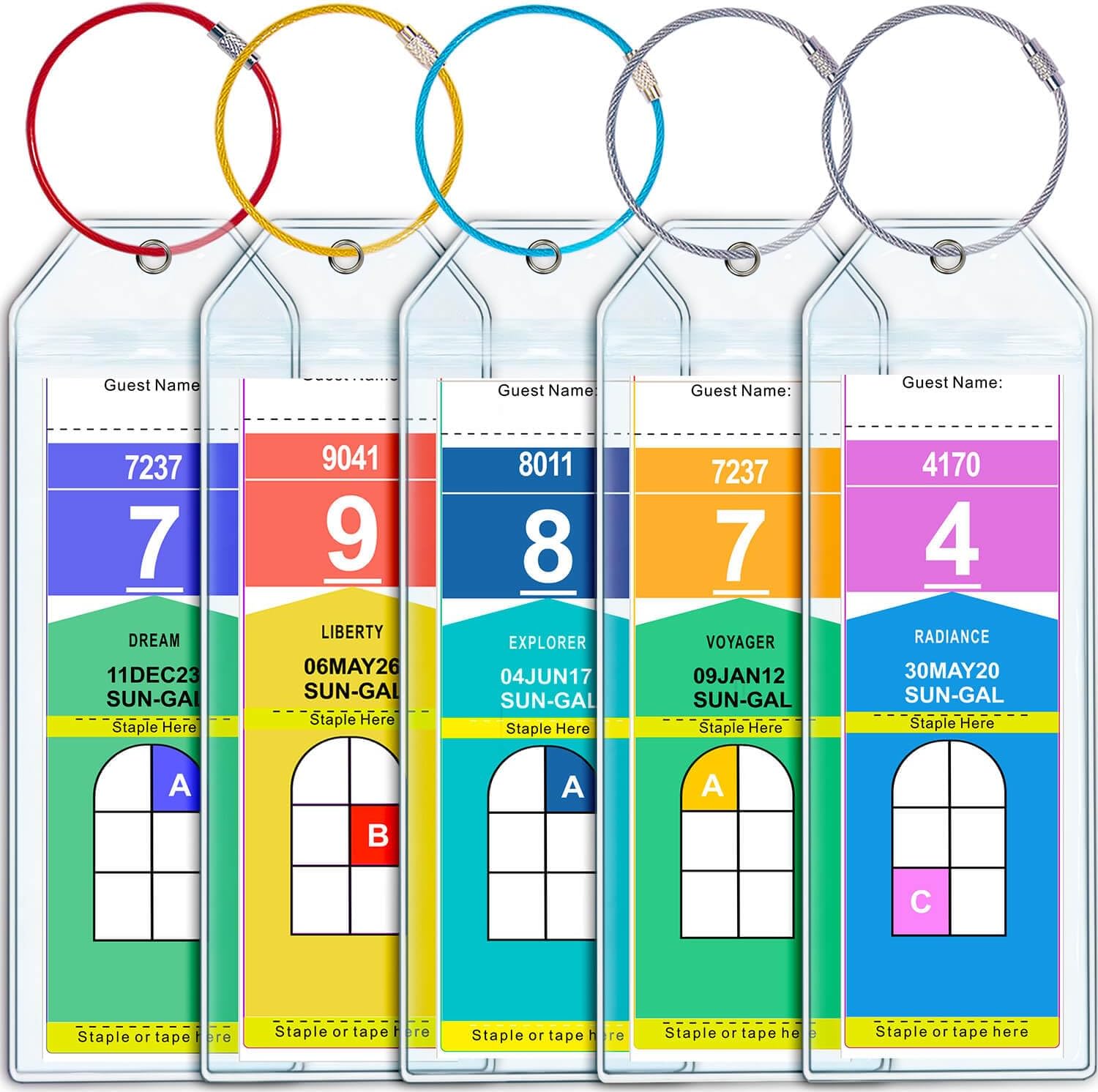
Cruise-Safe USB Power Strip

Cruise Luggage Tag Holders

Check Price on Amazon

4. 💸 Book Onboard Deals Before Prices Rise

Wi-Fi packages, drinks bundles, spa days, excursions—they’re cheaper pre-cruise. You’ll thank yourself later when you’re sipping cocktails instead of queueing at Guest Services.

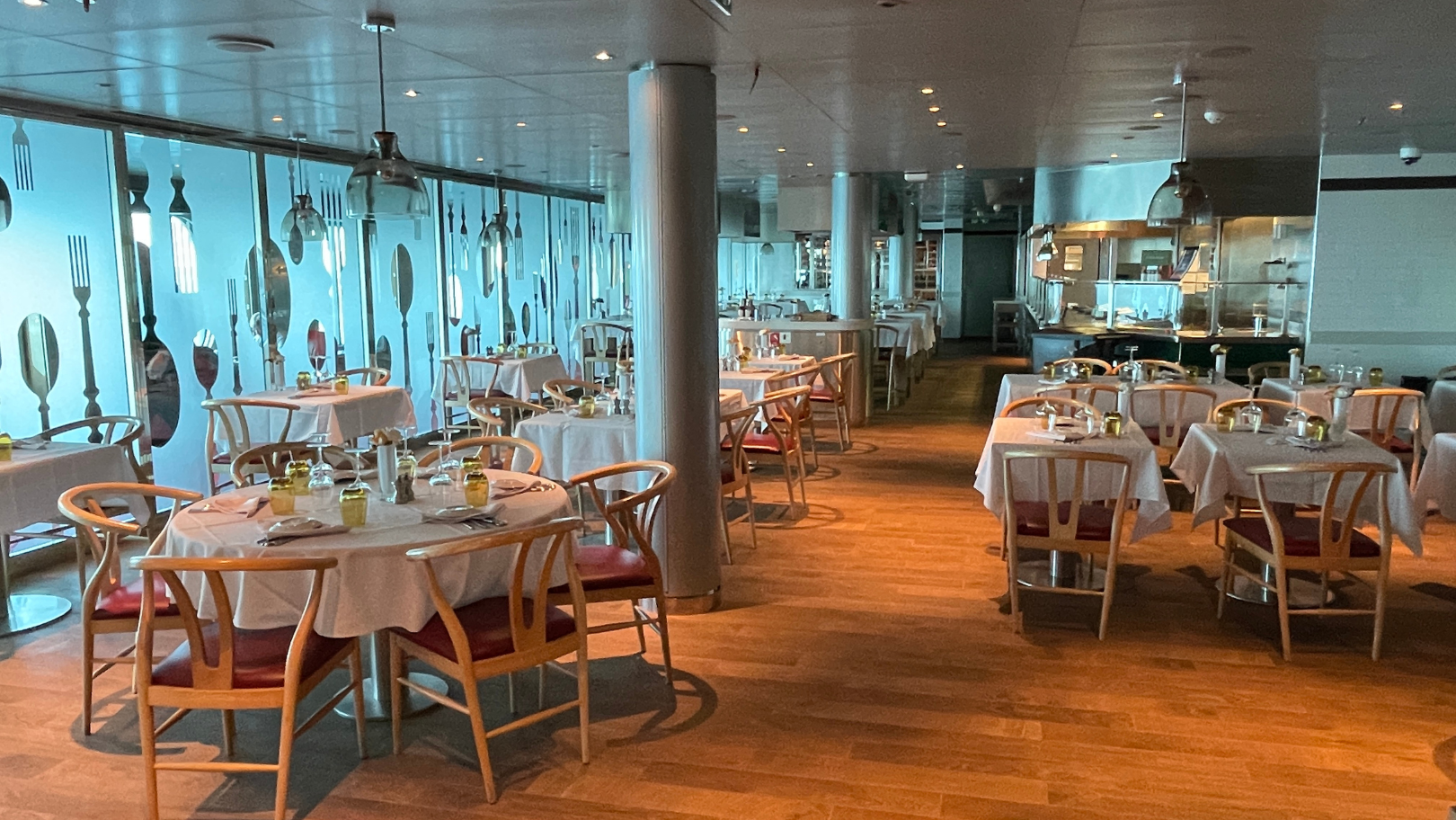
5. 🍽️ Lock in Specialty Dining Reservations

Dreaming of that steakhouse or sushi night? Book it now. Even if the ideal time isn’t available, the maître d’ can often shuffle things once you’re on board.
6. 📂 Organize Your Travel Reservations

Flights, hotels, transfers, insurance… print them, screenshot them, save them offline. Tech gremlins love striking right when you need a QR code.

7. 👗 Start Packing Smart

Get the essentials out: swimwear, formalwear, flip-flops, sunscreen, meds, chargers. Packing cubes like these ones keep everything neat and make unpacking at sea a breeze.

9. 💊 Sort Medications & First Aid

Bring enough prescriptions plus a few days extra. Toss in a compact travel first aid kit like this one—it’s cheaper than a trip to the ship’s doctor.
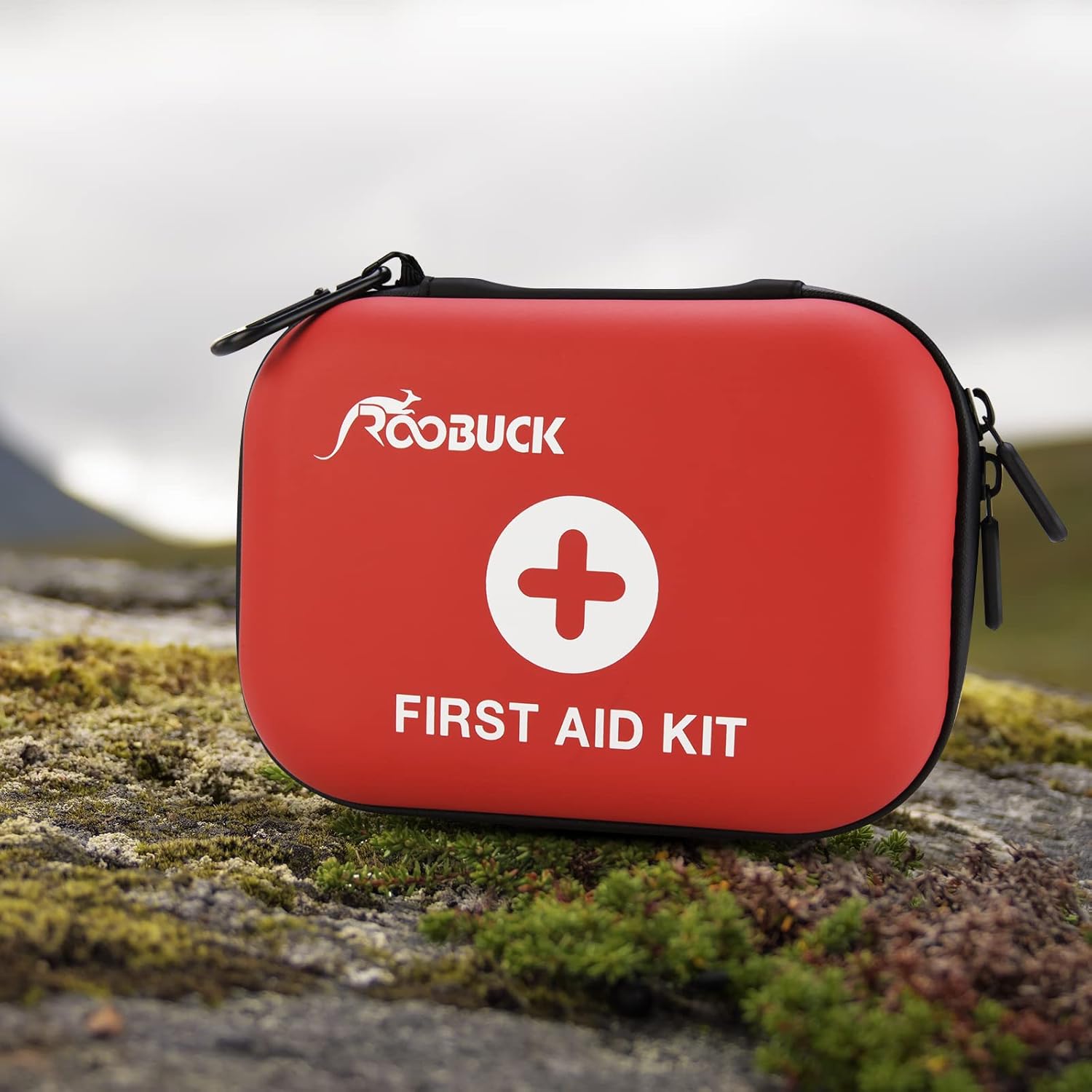
Cruise-Safe USB Power Strip

Travel First Aid Kit

Check Price on Amazon

10. 🔋 Prep Your Tech

Charge your power banks, load up your Kindle or iPad with beach reads, and pack spare cables. A portable charger like this model is a lifesaver on long port days.
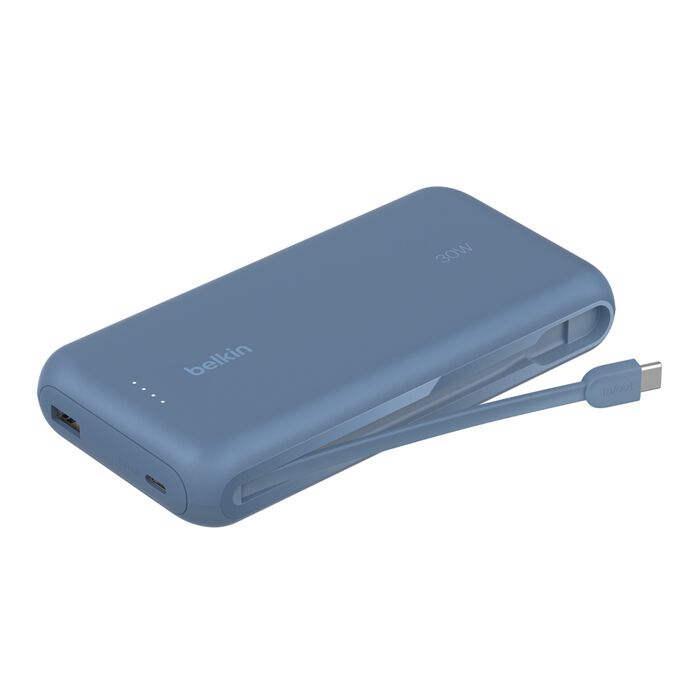
Cruise-Safe USB Power Strip

Belkin Power Bank 20K

Check Price at Belkin

11. 💳 Notify Your Bank

Save yourself from the embarrassment of a declined card when buying a bucket of beers in Cozumel. Tell your bank you’re traveling.

12. 💵 Grab Some Small Bills

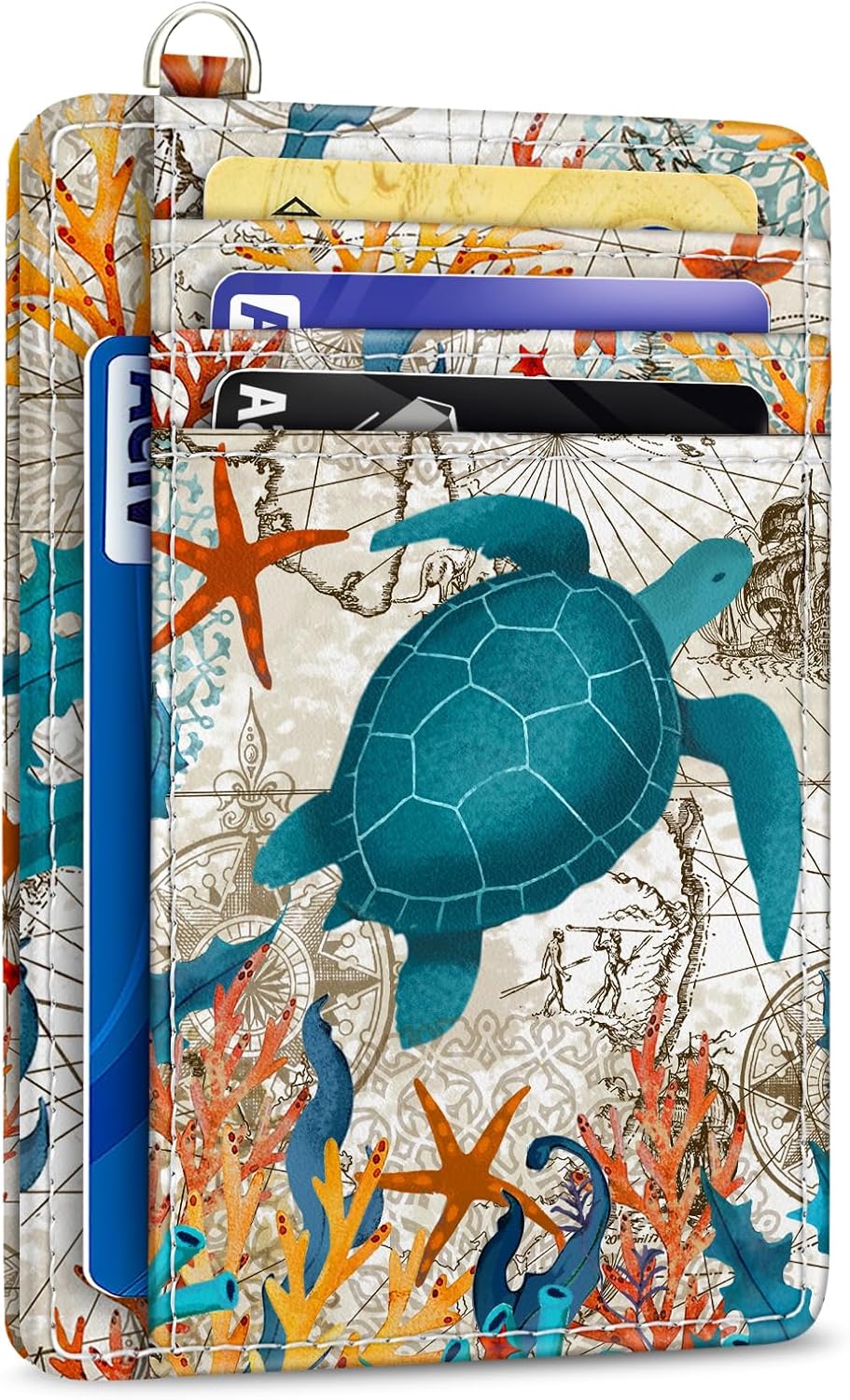
On port days, small notes are gold for taxis, tips, and snacks. We stash a mix of $1s, $5s, and $10s in a slim RFID-blocking travel wallet like this.
Cruise-Safe USB Power Strip

Travel First Aid Kit

Check Price on Amazon

13. 🚖 Confirm Transfers & Parking

Whether you’re flying in, driving, or catching a shuttle, lock in your transport to the port. Don’t leave it to chance—embarkation day traffic is chaos.

14. 📞 Share Itinerary with an Emergency Contact

Give a trusted friend or family member your cruise details. Hopefully they’ll never need it, but it’s peace of mind.

15. 📜 Review Cruise Line Rules

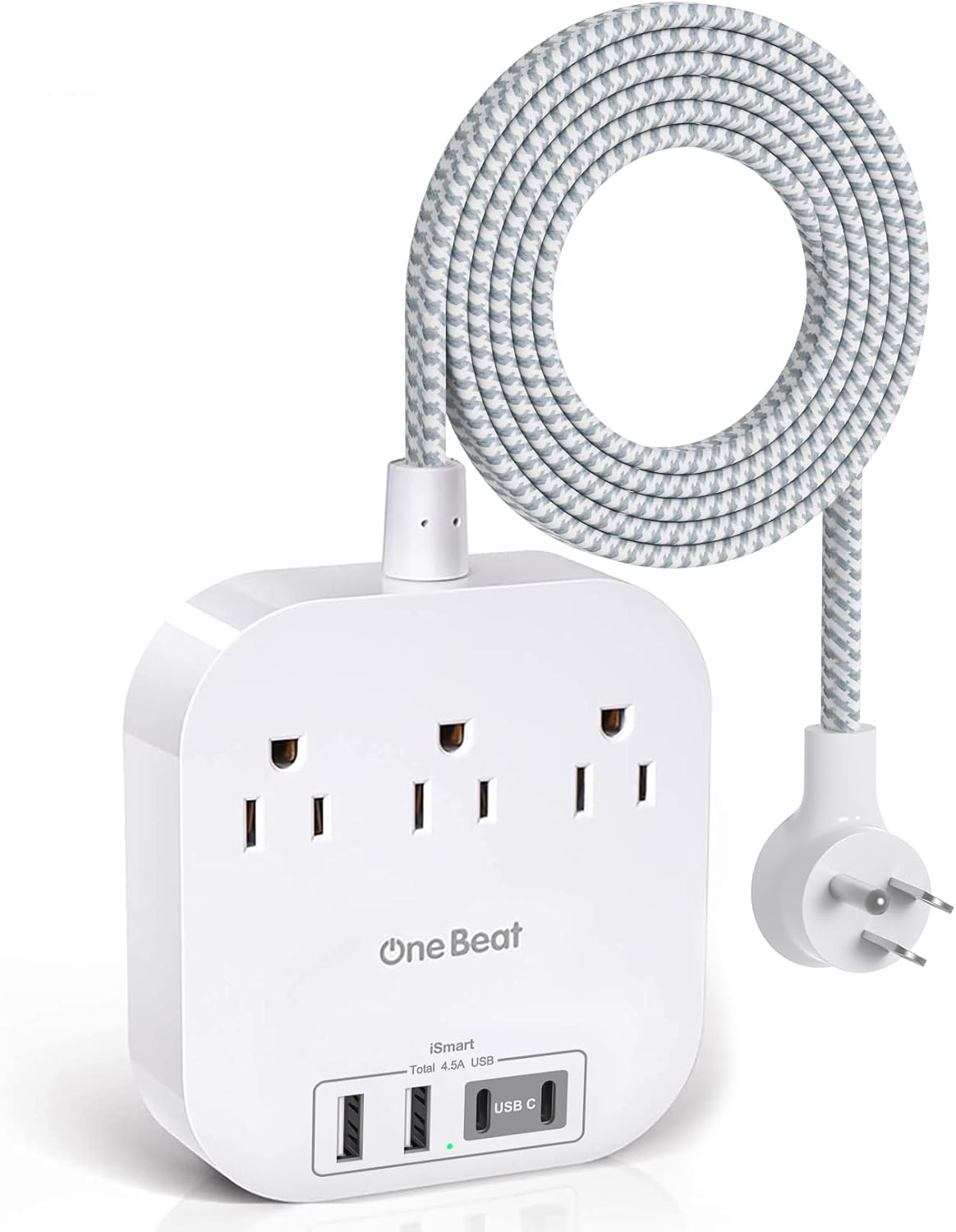
Every line has quirks: no irons, no surge-protected power strips. Instead, pack a non-surge power strip with USB ports like this one—cruise-approved and super handy.
Cruise-Safe USB Power Strip

One Beat Power Strip

Check Price on Amazon

16. 🗺️ Review Your Itinerary & Excursions

Got tours booked? Saved offline maps? A little prep now means less FOMO later. Consider downloading maps to your phone with a local SIM or eSIM card to stay connected affordably.

17. 🏡 Prep Your Home

Clear the fridge, empty bins, sort laundry. Coming home to “science experiments” in the fridge is not the souvenir you want.

18. 🐾 Confirm Pet & Plant Care

Double-check sitters, hand over keys, leave instructions. Pets and plants don’t do well on self-catering.

19. 💅 Last-Minute Pamper

Haircut, nails, waxing—whatever makes you feel cruise-ready. Because embarkation photos live forever (and your hairdresser won’t be onboard).

20. 🎒 Pack Your Embarkation Day Bag

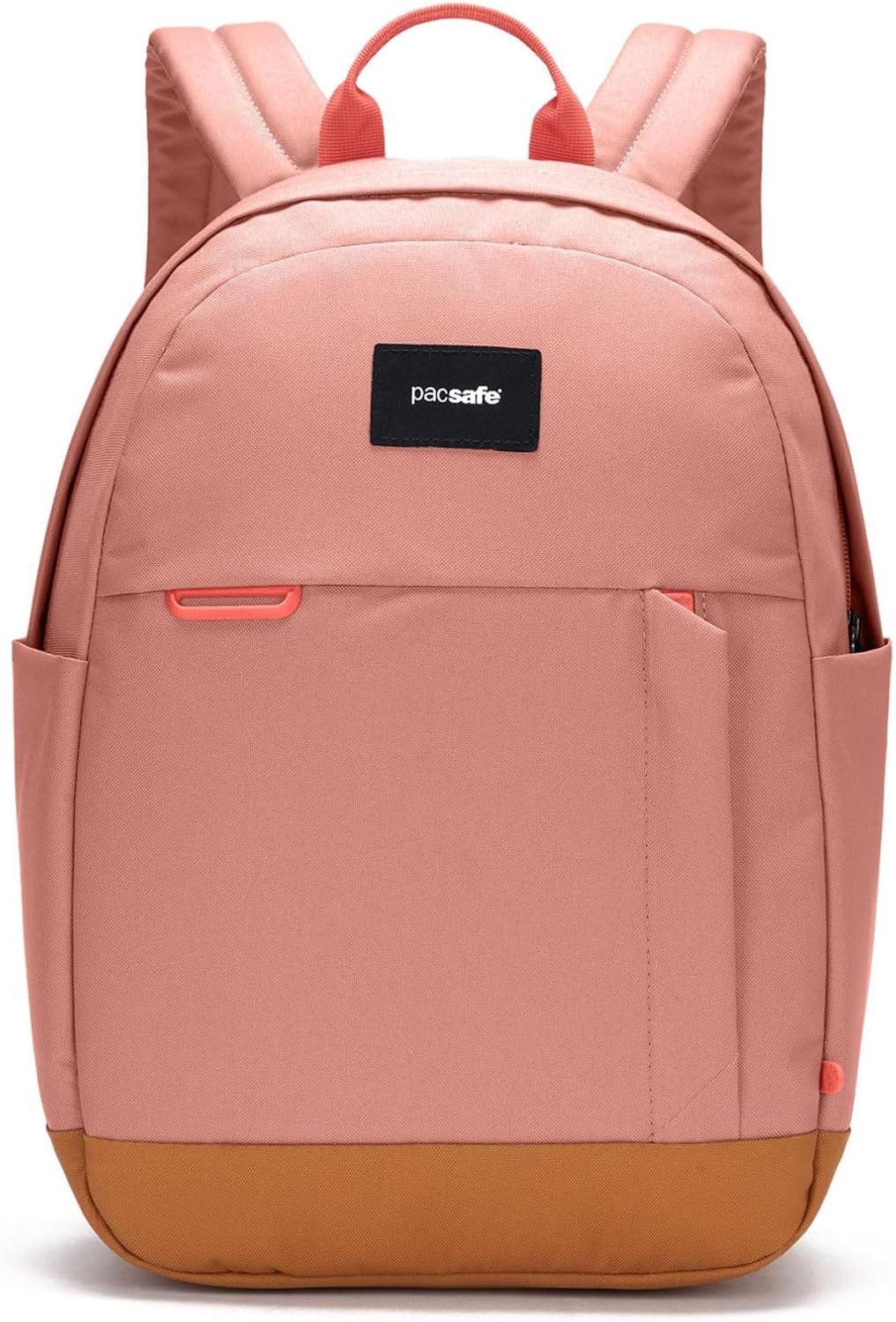
Keep must-haves in a carry-on: travel docs, meds, valuables, sunscreen, swimsuit, and charger. We recommend a lightweight daypack or anti-theft backpack like this one that’s comfy for ports too.
Cruise-Safe USB Power Strip

Pacsafe GO 15L Anti Theft Backpack

Check Price on Amazon

Bonus “Don’t Forget” Reminders ✨

  • Put your mail on hold (or bribe a neighbor).

  • Set your out-of-office reply (or don’t, and really escape).

  • Toss a frozen meal in the freezer for your return (because who wants to cook post-cruise?).

Final Thoughts

That final week before your cruise can feel like a mix of Christmas Eve and exam prep—exciting but a little overwhelming. With this checklist (and a few handy gadgets), you’ll board relaxed, cocktail in hand, ready to make the most of your voyage.

Happy cruising, Escapaders! 🛳️🌴
Cruise Safety Tips: How to Stay Safe on a Cruise and in Port

Cruising is one of the safest and most relaxing ways to travel — but that doesn’t mean you should leave your common sense at the gangway. Whether you’re sailing the Caribbean, the Med, or somewhere more adventurous, it pays to know a few cruise safety tips before setting sail. From muster drills to dodgy taxi drivers, here’s how to keep yourself (and your cocktail) safe at sea and ashore.

1. Cruise Ship Safety: What You Should Know

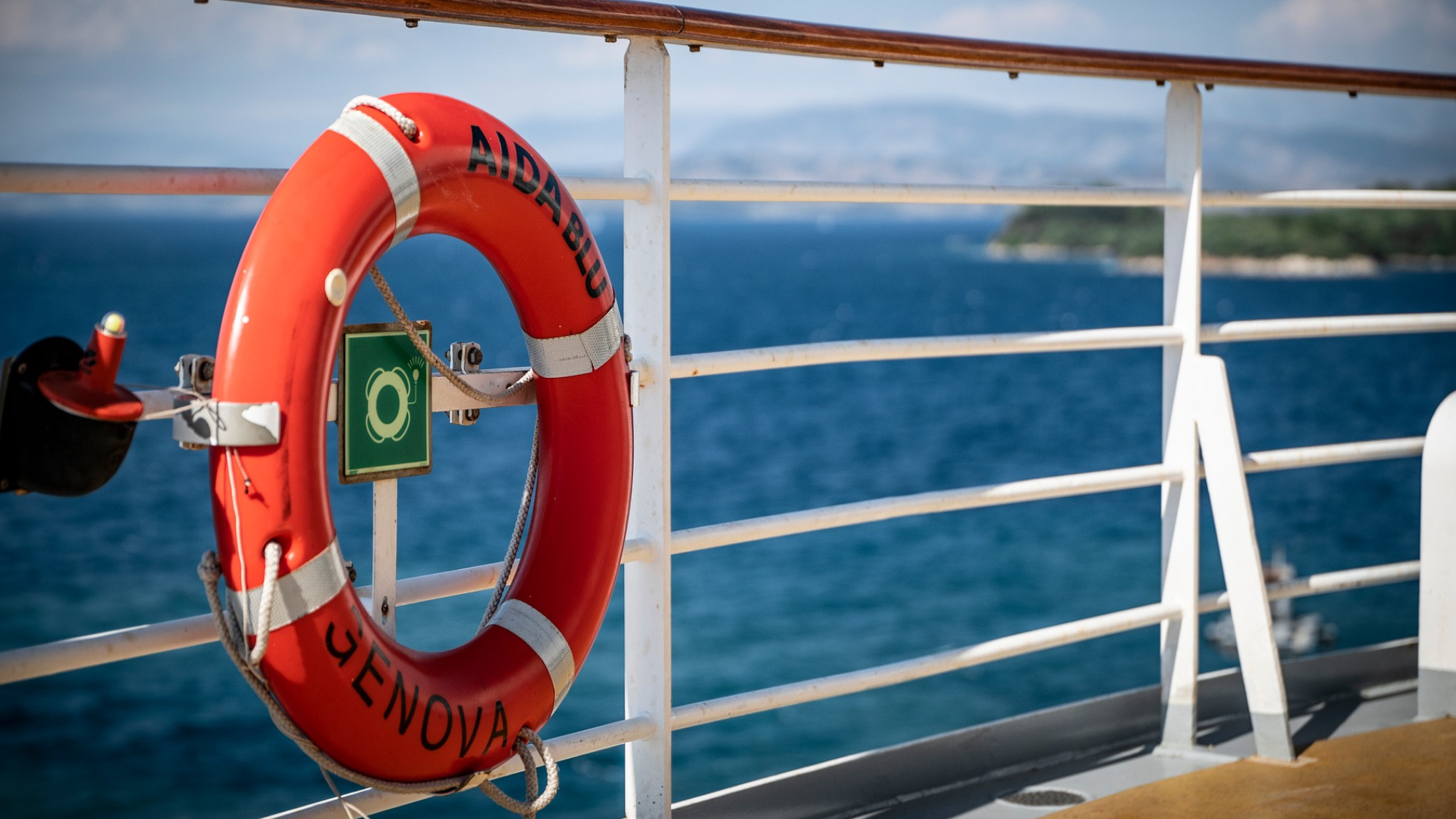
Every cruise begins with the safety briefing (a.k.a. muster drill). Yes, it’s dull, yes, it cuts into your sailaway buzz — but it’s essential. You’ll learn where to gather in an emergency, how to put on a lifejacket, and hear those all-important safety signals.

Behind the scenes, ships have some of the strictest navigational safety protocols in travel. Think: GPS, radar, trained bridge officers, and drills galore. Statistically, you’re far safer on a cruise ship than in a car on the motorway.

Pro Tip: Don’t skip the muster drill or “accidentally” arrive late. Crew take attendance — and you’ll get a one-on-one do-over if you try to dodge it. Awkward.

2. Onboard Safety Tips for Passengers

It’s easy to relax so much on holiday that you forget basic safety. Here are a few golden rules:

  • Balcony bliss, not balcony risk. Never climb railings or sit on ledges — you’d be surprised how many people do.

  • Fire safety first. Keep your balcony door shut; it helps the air-con work and prevents accidents.

  • Drink responsibly. A tipsy stumble near a staircase or railing is a recipe for disaster.

  • Listen to crew. If there’s an announcement or drill, take it seriously.

Pro Tip: Pack a small USB power strip (ship-safe, no surge protection). Not a “safety tip” in the traditional sense, but it keeps cables tidy and stops you tripping over chargers in the dark.

3. Health & Hygiene at Sea

A ship is essentially a floating hotel with a few thousand people onboard — and that means germs love it too.

  • Wash your hands often, especially before meals.

  • Use the hand sanitiser stations dotted everywhere.

  • Drink the water onboard — it’s purified and safe.

  • Don’t push through if you feel unwell; visit the medical centre early.

Pro Tip: Cruise veterans follow the “washy-washy, happy-happy” mantra you’ll hear crew sing at buffet entrances. It works.

4. Safety During Shore Excursions

Ports are where safety smarts really count.

  • Stick with licensed tour operators (book through the ship or a reputable local company).

  • Be wary of unlicensed taxis or “guides” who appear at the port gate.

  • Keep cash, cards, and ID secure — a crossbody bag or money belt works wonders.

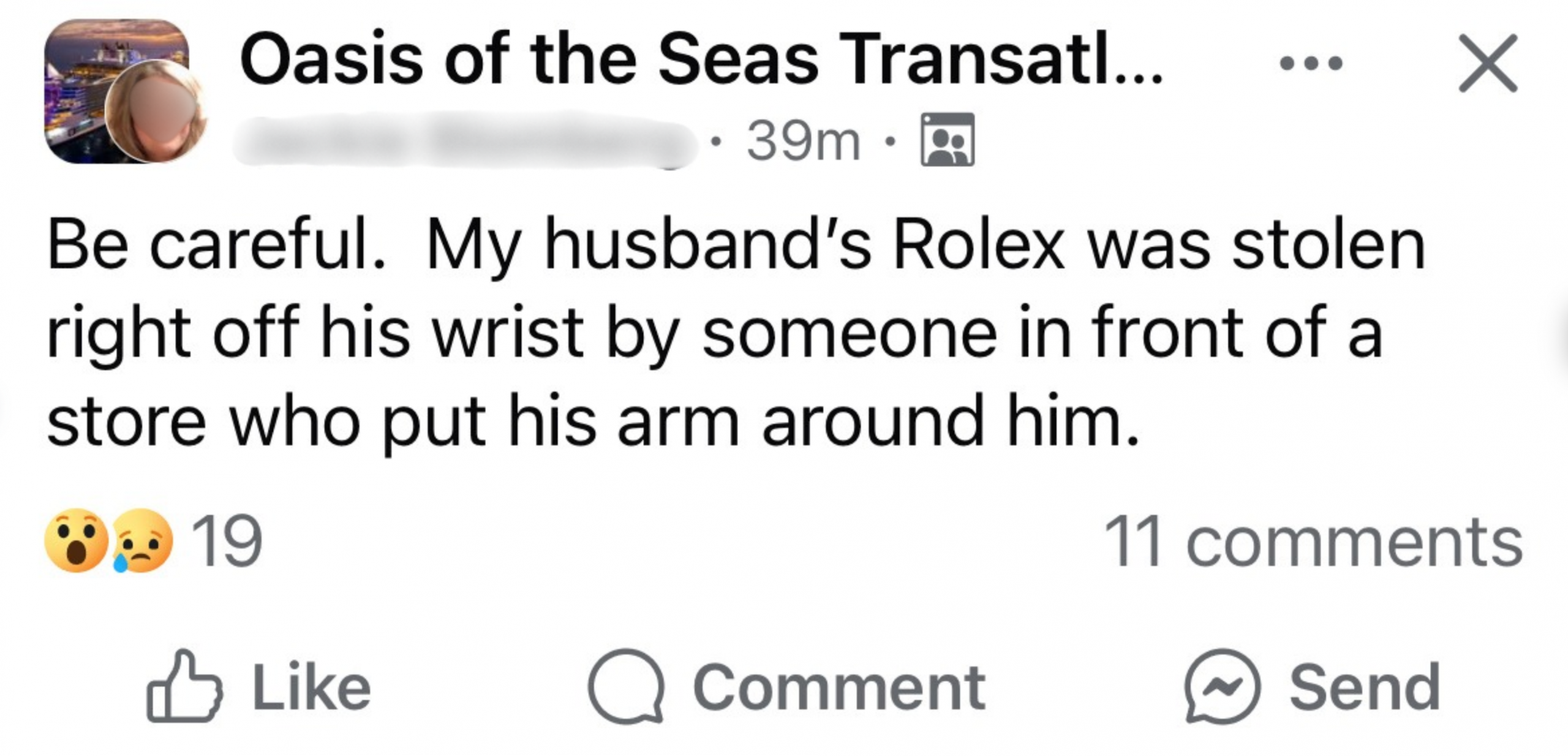
  • Blend in. Flashy jewellery or waving your new iPhone about is like putting a neon sign over your head saying “tourist.” On one of our recent sailings someone has their ‘Rolex’ taken off their wrist when ashore.

4. Safety During Shore Excursions

Ports are where safety smarts really count.

  • Stick with licensed tour operators (book through the ship or a reputable local company).

  • Be wary of unlicensed taxis or “guides” who appear at the port gate.

  • Keep cash, cards, and ID secure — a crossbody bag or money belt works wonders.

  • Blend in. Flashy jewellery or waving your new iPhone about is like putting a neon sign over your head saying “tourist.” On one of our recent sailings someone has their ‘Rolex’ taken off their wrist when ashore.

Pro Tip: Snap a photo of your ship’s daily planner (or app schedule) before heading ashore. That way, you know the all-aboard time — and don’t risk watching the ship sail without you.

5. Common Cruise Scams to Avoid Ashore

Sadly, scams are as much a part of cruising as towel animals. Some to watch for:

  • Taxi tricks. Drivers “forgetting” to start the meter or quoting inflated prices.

  • Free souvenirs. Bracelets or trinkets that magically come with a demand for cash.

  • Beach chair drama. Someone renting you a lounger they don’t own, then the real vendor turns up demanding payment again.

Pro Tip: Always agree the price of taxis, chairs, or boat rides before you sit down. Once you’re comfortable, your bargaining power is gone.

6. Emergency Preparedness

Cruise ships are safe, but things can still go wrong:

  • Miss the ship? Find the port agent (details are in the daily planner). They’ll help you catch up at the next port.

  • Lost passport? Contact your embassy/consulate right away. Always carry a copy of your passport on your phone.

  • Medical issues? The onboard medical centre is open 24/7 — don’t wait it out.

7. Cruise Parking & Pre-Boarding Safety

If you’re driving to port, don’t let your trip start on a sour note.

  • Use official cruise parking or reputable lots — they’re well-lit, monitored, and often have shuttles.

  • Beware of too-good-to-be-true promo codes floating online. Some lead to dodgy, unsecure car parks.

  • Take valuables out of the car — glove boxes aren’t safes.

Conclusion

Cruising is one of the safest vacations you can take, but a little awareness goes a long way. From washing your hands to double-checking taxi fares, these small steps keep your trip stress-free.

Planning a cruise soon? Don’t forget to check out our printable Cruise Packing List below,

How to Avoid Embarkation Day Chaos

How to Avoid Embarkation Day Chaos

9 Tips for Smooth Sailing

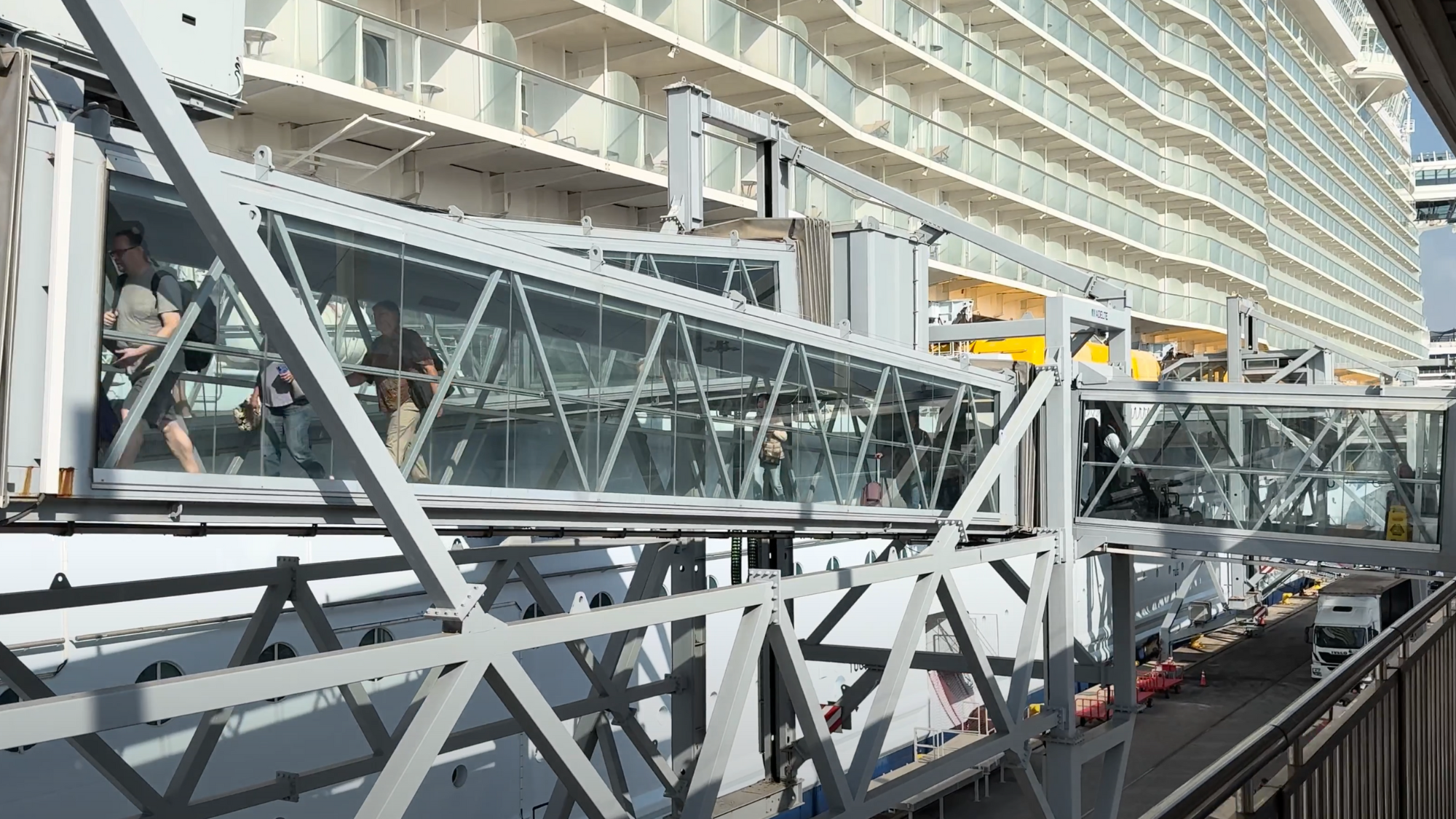
You’ve booked the cruise, packed your bags, and counted down the days — now embarkation day has finally arrived. But instead of a glamorous red-carpet moment, the first few hours can feel like a cross between airport security and a theme park queue. Don’t worry: a little planning goes a long way. Here are our top tips to dodge the chaos and start your holiday as it should — cocktail in hand, stress in the bin.

1. Arrive Early (But Not Too Early)

Yes, you’re excited. Yes, you want to be first in line. But showing up three hours before your assigned check-in slot will only make you one with the masses. Stick to your boarding time, or if your cruise line allows, aim for late-morning when queues often move faster.

2. Have Your Documents Ready

Boarding passes, passports, vaccine cards (if required), travel insurance — keep them in one handy folder or wallet. Nobody wants to be “that person” fumbling through bags at the counter while the line grows behind them.

3. Use the Cruise Line App

Most cruise lines now use their apps for check-in, health forms, luggage tags, and boarding passes. Download it before embarkation day (terminal Wi-Fi is as reliable as a chocolate teapot). Having everything pre-loaded saves time and stress.

4. Hand Off Your Bags Like a Pro

Cruise porters will take care of your larger luggage, but only if it’s tagged up properly. Print and attach your luggage tags before you leave home (trust us, tape jobs at the curb are chaos). And always keep a carry-on with the essentials — swimsuit, sunscreen, meds, chargers — so you can hit the pool or the bar while the rest of your stuff makes its way to your cabin.

5. Avoid Peak Arrival Times

Early afternoon is when everyone and their nan shows up at once. If your schedule allows, aim for late morning or mid-afternoon. You’ll still be onboard in time for lunch without the shoulder-to-shoulder crowd.

6. Bypass Bottlenecks with a Carry-On Strategy

Security checks can be slow if you’ve packed liquids or electronics haphazardly. Keep anything that needs scanning (toiletries, tech) easy to grab, just like at the airport. Bonus: no frantic rummaging.

7. Take Your First Ship Selfie Later

We get it — you’re excited! But the gangway is not the place to start a photoshoot. Step aside, get onboard, and then grab that Insta-worthy shot once the crowds thin.

8. Head Away From the Herd

Once you’re onboard, don’t follow the lemming trail straight to the buffet. Go explore quieter spots: pool deck loungers, an overlooked lounge, or even your muster station check-in. The buffet will still be there in 30 minutes, minus the mosh-pit vibe.

9. Keep Calm and Muster On

Speaking of muster drills — do it as soon as you can. Some lines let you check in at your station right away via app or crew scan. The quicker you tick that box, the quicker you can sip your sail-away drink without interruption.

Final Thoughts

Embarkation day doesn’t have to feel like a stress test. With a little prep, you’ll be gliding through security, boarding with ease, and sipping that first fruity umbrella drink before most passengers have even found their cabins. Remember: the cruise starts the moment you let go of the chaos.

Cruise Travel Insurance

Cruise Travel Insurance

Cruise Travel Insurance Guide (2025): What to Cover & How to Compare Plans

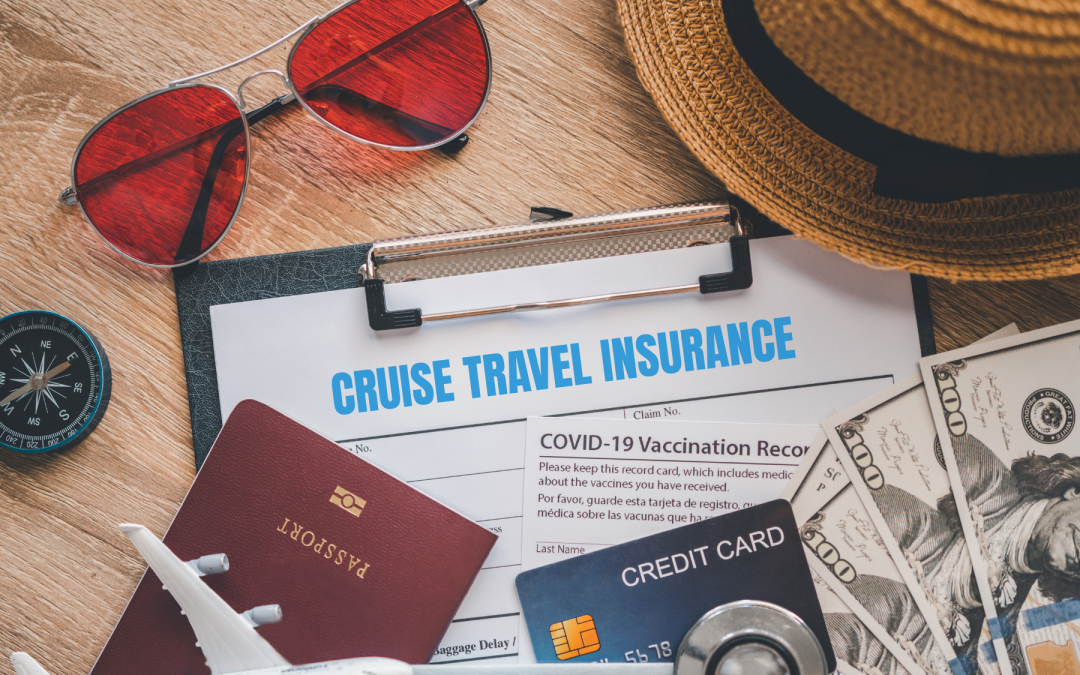
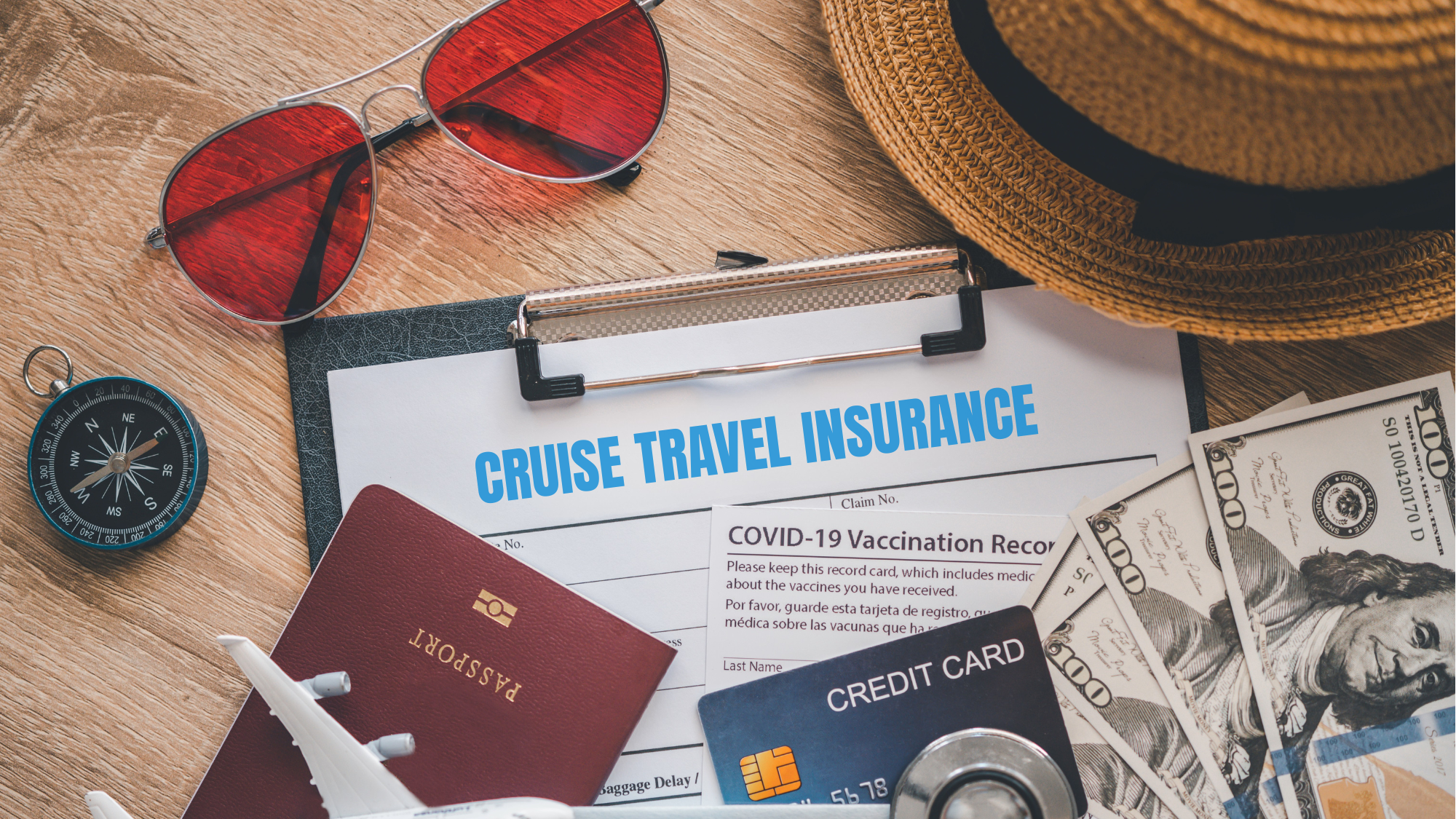
Here’s something a lot of folks don’t realize: standard travel insurance usually doesn’t cover cruises. Yep, you read that right. If you’re heading out on the high seas, you’ll need cruise-specific insurance to keep you covered.

So, what exactly is cruise insurance? It’s a special type of travel insurance designed specifically for all the fun (and occasional mishaps) that come with cruising. Think onboard accidents, missed ports, or even extended stays if something goes sideways. Most regular travel insurance plans don’t account for the unique aspects of a cruise vacation, so be sure to add the cruise option when you’re buying your policy—it’s not automatically included!

Why You Need Cruise Travel Insurance (and What It Actually Covers)

Not all cruise insurance policies are created equal. That’s why we like Cover For You — they’re an award-winning provider (Forbes “Best Travel Insurance” 2022, Moneyfacts Best Claims Service 2020) and offer comprehensive cover designed for cruise travellers.

Here’s the lowdown on what cruise insurance usually takes care of:

Cabin Confinement
If you get sick onboard, the ship’s medical team might make you stay in your cabin to prevent spreading germs. If that happens, cruise insurance typically compensates you for every day you’re stuck inside.

Missed Excursions
Pre-booked that once-in-a-lifetime snorkeling trip, but got sidelined by an illness? Most cruise insurance plans will refund you for excursions you can’t use because you were confined to your cabin.

Itinerary Changes
Weather, technical issues, or other unexpected problems can force the cruise line to switch up the itinerary. If you miss out on a big chunk of your planned stops, you could be eligible for compensation from the cruise operator.

Missed Port Departure
Running late and missed your ship? Cruise insurance can save the day by covering the cost of catching up with your cruise at the next port. This might be due to:

  • Public transport delays
  • Car trouble or accidents
  • Bad weather or strikes

Cancellation or Cutting the Cruise Short
Cruises aren’t cheap, and they’re often booked months (or even years) in advance. Cruise insurance can cover you if you have to cancel last minute or head home early for an unexpected reason.

Cruise Interruption
Need hospital care during your trip? Cruise insurance helps cover medical expenses and even the cost of rejoining your cruise if you can.

Medical Expenses
If you get sick or injured on board, this part of the policy covers doctor visits, hospital stays, and even emergency airlifts back home if needed. Some plans also cover accommodation for your travel companions while you recover.

Baggage and Belongings
Lost, delayed, or stolen luggage? Most cruise insurance policies cover that too. Just check the limits of your plan to see how much you’re entitled to.

Travel Money
Lost or stolen cash? Cruise insurance often has your back, though the claim limits will vary depending on the policy.

Cover For You - Why do we recommend them?

  • Award-Winning Travel Insurance — Recognised by Forbes and Moneyfacts.

  • Trusted by Millions — Over 10 million people insured.

  • Loyalty Rewards — Their club members always pay less, with perks like a free travel app.

  • Direct Benefits — No excess on any policy, plus Defaqto 5-star rated.


Scan here to get a Cover For You cruise insurance quote or simply click this link

Top 3 Tips When Purchasing Cruise Travel Insurance

Friendly Disclaimer: We’re not insurance experts. The tips below are based on general guidance to help you know what to look for. Always double-check the details with a licensed provider before buying a policy.

Before picking your cruise travel insurance policy, bear the following three top tips in mind:

Check cabin confinement daily amounts
If you can’t leave your cabin you could be able to get £15–£1,000 ($20–$1,250) a day. Some providers cover the cost of missed excursions too.

Find the right cancellation refund
Make sure you choose a policy that covers the cost of your cruise, as payouts can range from £250–£25,000 ($320–$31,000).

Choose the right cover limits
To cover all eventualities, we recommend the minimum amount of medical cover you should choose is £1m ($1.25m) to £2m ($2.5m).

Comparing Cruise Insurance Plans

Picking the right cruise insurance can feel a bit like staring at a buffet where everything looks the same. Sure, most policies will cover cancellation, medical emergencies, and trip interruption — but the devil’s in the details. Here are six things worth checking before you buy:

  • Primary vs. Secondary Coverage
    If you get sick onboard and need treatment, primary coverage means the insurer pays out directly. Secondary coverage makes you claim elsewhere first, then come back for the leftovers. Less hassle = primary, but secondary can be cheaper if you’re already covered elsewhere.
  • Maximum Trip Cost
    Cruises aren’t exactly budget breaks. If you’ve splashed out on a luxury voyage or are booking for the whole family, make sure the policy covers your full non-refundable costs. Some only go up to £8,000–£10,000, while others stretch to six figures.
  • Right-Sized Benefit Limits
    Bigger isn’t always better. A £10m evacuation limit sounds impressive, but do you really need that if you’re cruising the Med and never straying far from hospitals? Choose limits that make sense for your itinerary.
  • Covered Reasons
    Always read the fine print. “Family illness” might not mean the same across policies — some include grandparents, stepchildren, or even pets (yes, Fido might be covered). Know what counts before you rely on it.
  • Niche Perks
    Look out for extras that suit your style of travel. Some plans cover rental car damage, sports kit hire if your golf clubs go missing, or even kennel costs if your return is delayed. These little touches can make a big difference.
  • Company Reputation
    Last but not least, who’s actually insuring you? Check if they’re well-reviewed, pay claims quickly, and handle customer service in-house. The fanciest benefits won’t matter if you’re stuck in a claims queue for months.

Cruise Insurance Bottom Line

Cruise insurance might feel like just another thing to add to your pre-trip to-do list, but it’s worth it for the peace of mind. So, before you set sail, make sure you’ve got the right cover for your adventure—you’ll be glad you did!

Tips for Your Alaskan Cruise Vacation

Tips for Your Alaskan Cruise Vacation

Exploring the Majestic Frontier

Packing for an Alaskan cruise can be a daunting task due to the region’s diverse and often unpredictable weather conditions. Preparing for a range of activities and temperatures is crucial to enjoying your journey comfortably.

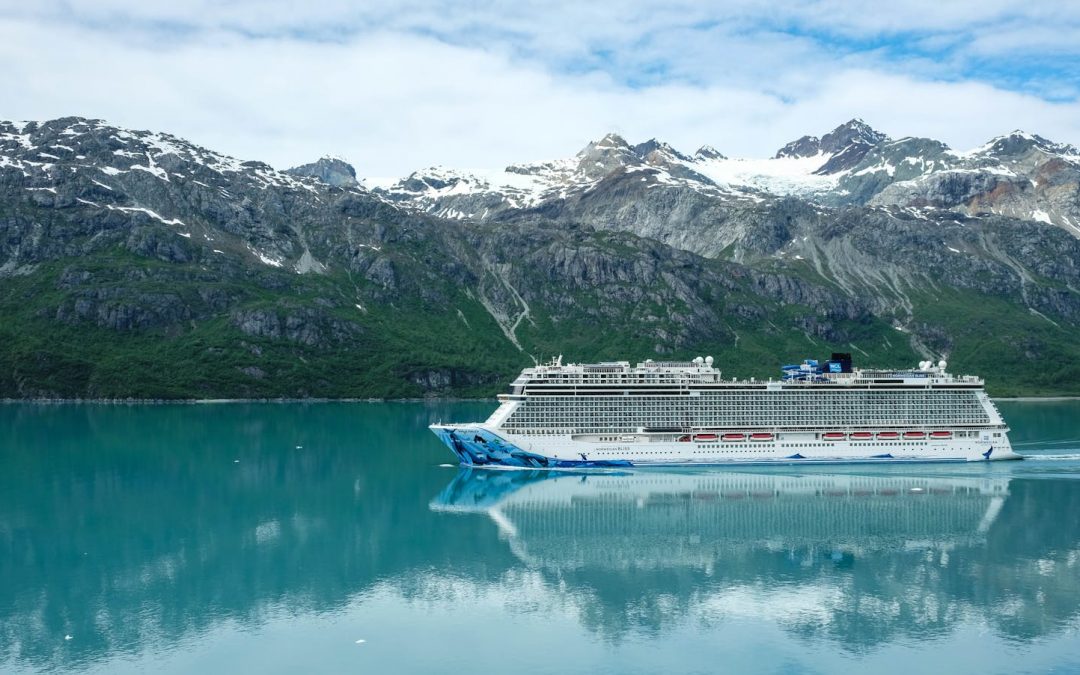
A cruise ship sails through serene waters with snowcapped mountains in the background in Hoonah, Alaska.

Dress in Layers

The Alaskan climate can shift dramatically, with temperatures varying significantly from dawn to dusk and between different cruise stops. Dressing in layers is crucial for adapting to these changes. Begin with a moisture-wicking base layer to keep sweat at bay. Add a warm fleece or sweater for insulation against the cold, and top it off with a waterproof and windproof jacket to fend off rain and chilly winds. This layered approach allows you to easily adjust your outfit as the weather changes throughout the day.

Essential Accessories

Accessories play a pivotal role in ensuring your comfort during your Alaskan cruise. A warm hat, gloves, and a scarf are indispensable during cold excursions, especially when visiting glaciers or engaging in outdoor activities. Sunglasses and sunscreen are also vital, as the sun’s reflection off the water and ice can be surprisingly intense, posing a risk of sunburn even in cooler climates. A sturdy backpack can help carry these essentials, keeping your hands free for capturing photos or handling binoculars.

Choosing the Right Footwear

Footwear is another critical consideration when packing for your Alaskan adventure. Comfortable, waterproof shoes are a necessity, as you’ll likely be exploring wet and uneven terrains. Opt for a sturdy pair of hiking boots for outdoor excursions, as they offer the support and protection needed for navigating trails or rocky shores. For onboard activities, a pair of comfortable casual shoes or sneakers will suffice, providing the flexibility and comfort you’ll need while exploring the cruise ship.

Optics for Wildlife and Scenery

Alaska’s wildlife and landscapes offer incredible opportunities for photography and observation. Binoculars are essential for whale watching, bird spotting, and viewing distant wildlife such as bears or moose. A high-quality camera with a zoom lens is ideal for capturing the stunning landscapes and unique moments you’ll encounter. Consider packing extra memory cards and batteries to ensure you’re always prepared to capture the perfect shot, whether it’s a breaching whale or a stunning sunset over the glaciers.


Exploring the Inside Passage

The Inside Passage is one of the most popular routes for Alaskan cruises, renowned for its breathtaking scenery and rich array of natural wonders. This area is a treasure trove of fjords, glaciers, and abundant wildlife, offering a captivating experience for all who venture through it.

Iconic Natural Landmarks

Cruising through the Inside Passage presents numerous opportunities to witness nature’s grandeur. Tracy Arm Fjord is a must-see, where you can marvel at the majestic Sawyer Glacier and its brilliant blue ice. The charming towns of Ketchikan, Juneau, and Skagway are also worth a visit. Each town offers a unique blend of cultural experiences and historical insights, from indigenous art to Gold Rush history, providing a glimpse into the rich tapestry of Alaskan life.

Wildlife Watching Opportunities

The Inside Passage is a haven for wildlife enthusiasts, with its waters and skies teeming with life. Keep your eyes peeled for humpback whales breaching the surface, orcas cutting through the waves, and sea lions basking on rocky shores. Bald eagles are also a common sight, soaring gracefully overhead. Joining a guided wildlife excursion can greatly enhance your experience, offering expert insights and leading you to the best vantage points for observing these magnificent creatures in their natural habitat.

Cultural and Historical Insights

Beyond its natural beauty, the Inside Passage is steeped in cultural and historical significance. Exploring the local towns and engaging with the community can provide a deeper understanding of Alaska’s heritage. Visit museums and cultural centers to learn about the indigenous peoples and their traditions, or take part in local festivals and events to experience the vibrant culture firsthand. Understanding the history and culture of the region adds a layer of appreciation to your cruise journey.

Glacier Lake

    Tips for a Smooth Cruise Experience

    Ensuring a smooth cruise experience requires careful planning and consideration of several factors, from choosing the right accommodations to making the most of onboard activities.

    Selecting the Ideal Cabin

    Choosing the right cabin is crucial to your overall cruise experience. If you’re prone to seasickness, a midship cabin on a lower deck is advisable, as it minimizes motion. For those seeking stunning views, investing in a balcony cabin is worthwhile, offering private vistas of Alaska’s breathtaking landscapes. Consider your priorities and budget when selecting a cabin to ensure a comfortable and enjoyable stay.

    Planning Excursions Wisely

    Alaska offers a wide range of excursions, each providing unique experiences and adventures. From dog sledding on a glacier to helicopter tours and wildlife safaris, the options are vast. Popular excursions fill up quickly, so booking in advance is essential to secure your spot. Research the available excursions and choose those that align with your interests, ensuring you make the most of your time in Alaska.

    Making the Most of Onboard Activities

    Cruise ships to Alaska are equipped with a plethora of amenities and activities, designed to enrich your journey. Attend educational lectures about Alaskan culture and wildlife to deepen your understanding of the region. Indulge in the onboard spa for some relaxation, or participate in evening entertainment such as shows and live music. These activities provide a perfect balance of relaxation and enrichment, enhancing your cruise experience.


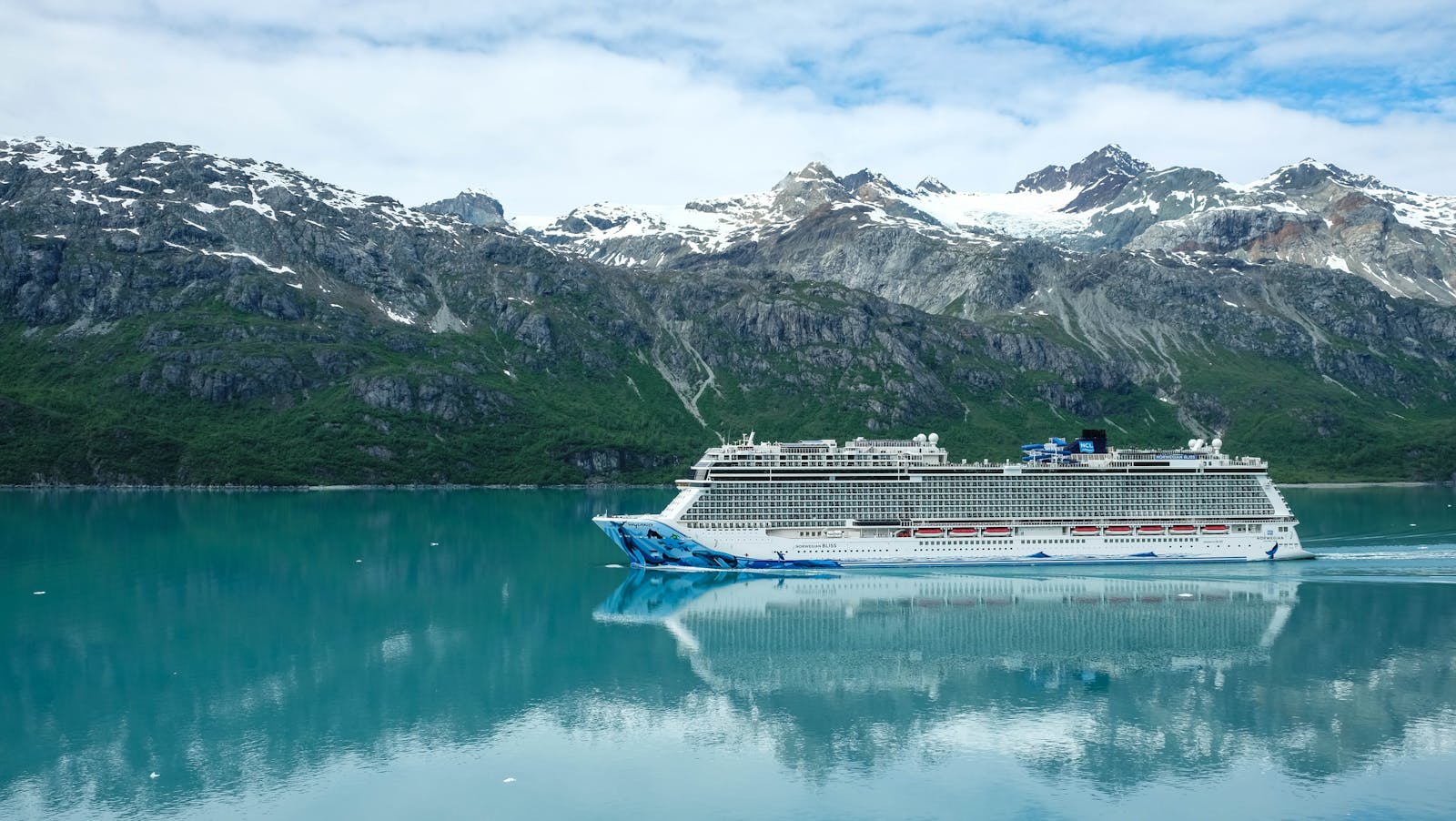
    A majestic cruise ship sailing through clear waters with snowy mountains as a backdrop.

    Best Alaska Cruises and Departure Points

    Choosing the right cruise and departure point can significantly impact your Alaskan adventure, with each option offering unique itineraries and experiences.

    Departing from Vancouver

    Vancouver is a popular departure point for Alaskan cruises, offering breathtaking views as you sail out of the city. Cruises from Vancouver typically travel through the Inside Passage, providing a scenic start to your Alaskan adventure. Take some time to explore the city itself, with its vibrant food scene and stunning natural parks, making it a worthwhile stopover before embarking on your cruise.

    Selecting the Perfect Cruise Line

    When choosing a cruise line, consider your preferences and budget. Some cruise lines focus on luxury and fine dining, offering a more upscale experience, while others cater to families with a range of activities for children. Research the amenities and itineraries offered by each cruise line to find the best fit for your vacation needs, ensuring a cruise that matches your expectations.

    Timing Your Cruise: Peak vs. Off-Peak

    Alaska’s peak cruise season runs from May to September, with July and August being the warmest months. Traveling during peak season offers the best chance for good weather and wildlife sightings but can also mean higher prices and larger crowds. Alternatively, consider traveling during the off-peak months like May or September, which can offer a more serene experience with fewer tourists and potential savings on cruise fares.

    Vancouver Cruise Port

    Preparing for Your Alaskan Adventure

    Preparation is key to ensuring a seamless and enjoyable Alaskan cruise, from understanding the local culture to ensuring you’re adequately covered with travel insurance.

    Understanding Alaskan Culture

    Before embarking on your cruise, take time to learn about the rich culture and history of Alaska. Understanding the traditions and lifestyle of the indigenous peoples can enhance your travel experience, providing context and appreciation for the places you’ll visit. Look for museums or cultural centers in port towns to deepen your knowledge and connect with the local community.

    Staying Connected on Your Cruise

    While cruising, internet connectivity can be limited and expensive. If staying connected is important, check your cruise line’s internet packages in advance to find the best option for your needs. Alternatively, use your time onshore to find local Wi-Fi hotspots, allowing you to stay in touch with loved ones and share your experiences without incurring high costs.

    Ensuring Travel Insurance Coverage

    Travel insurance is crucial for any cruise vacation, offering peace of mind in case of unexpected events like trip cancellations or medical emergencies. Make sure your insurance covers all aspects of your journey, including excursions and any adventurous activities you plan to undertake. Reviewing your coverage details before your trip can save you from potential headaches and financial burdens.

    Conclusion

    An Alaskan cruise promises an unforgettable adventure filled with stunning landscapes and memorable experiences. By following these tips and preparing in advance, you’ll be well-equipped to enjoy every aspect of your Alaskan journey. Whether you’re cruising through the Inside Passage or starting from Vancouver, embrace the beauty and wonder that Alaska has to offer. Bon voyage!

    Embarking on an Alaskan cruise is more than just a vacation; it’s an opportunity to explore one of the world’s last great frontiers. As you sail through icy waters and explore rugged landscapes, you’ll encounter the incredible wildlife and rich culture that make Alaska a truly unique destination. With the right preparation and mindset, your Alaskan cruise will be an adventure you cherish for a lifetime. Embrace the journey, savor the experiences, and create memories that will last long after your voyage ends.

    Barcelona Safety Tips: How to Stay Safe While Sightseeing

    Barcelona Safety Tips: How to Stay Safe While Sightseeing

    10 Essential Safety Tips for Tourists in Barcelona

    Barcelona,’ the city has become one of the busiest and most popular cruise ports in the Mediterranean—not only for those embarking on a cruise but as a port of call as well. As a result, it is a major tourist destination for both cruise passengers and those on land-based trips.

    Unfortunately, this popularity can lead to some downsides for visitors.

    Petty crime, particularly pickpocketing, is a common problem in the busy areas of the city (as it is in many other major cities around the world), especially in crowded places like railway and metro stations.

    Since we’ve visited Barcelona many times, I’ve put together a few tips to help you stay safe during your visit (or any visit to a major city).

    Please note, it’s not my intention to dissuade you from visiting Barcelona—it’s a fantastic city (one of my favorites). It’s full of wonderful sights and experiences. My goal is simply to provide some pointers to help you enjoy a safe and memorable trip.

    1. Stay Aware of Your Valuables

    From the moment you arrive in the city, whether by air, rail, road, or ship, be mindful of where all your valuables are.

    I recommend taking a licensed taxi directly to your accommodation, even if it’s not in the city center.

    Never leave your bags unattended, especially backpacks, even for a second—whether at the baggage carousel or while loading them into a taxi. Petty criminals are always on the lookout for unattended bags to snatch and disappear into the crowd.

    If you use the metro, local buses, or trams, avoid empty carriages, stay in well-lit areas of stations, and always be aware of your nearest exit.

    1. Use Your Hotel’s Safe

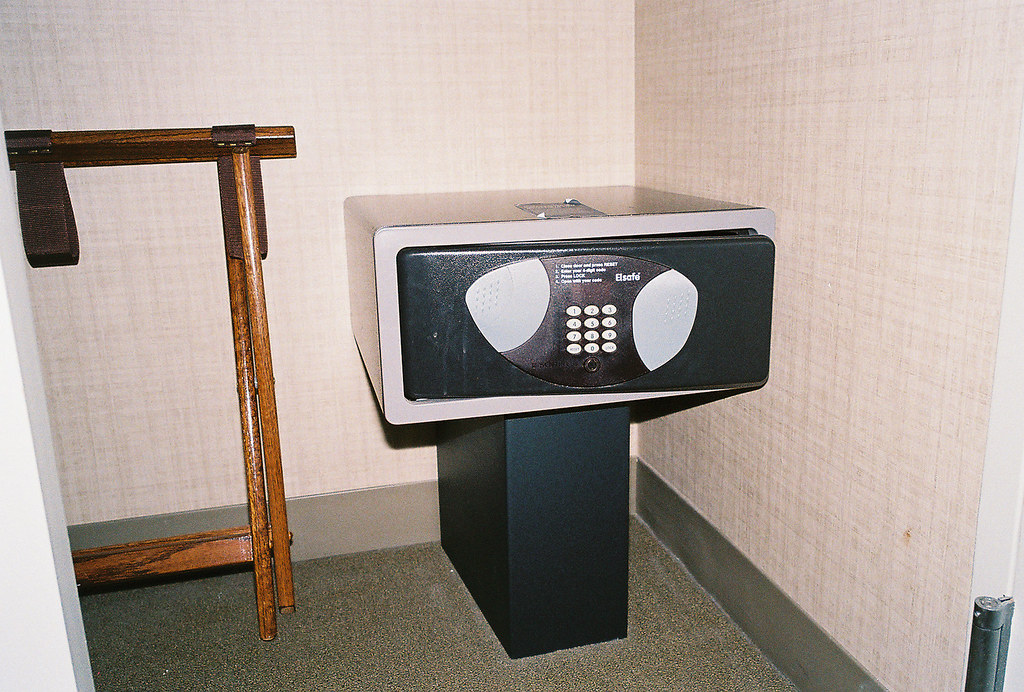
    Upon arrival at your accommodation, immediately lock all valuables (passport, wallets, credit cards, keys, jewelry, tablets, cash, etc.) in the in-room safe. If there’s no in-room safe, use the safe deposit box at reception. If neither option is available, I personally wouldn’t recommend staying there.

    man in black and white shirt carrying black backpack
    1. Carry Minimal Cash and Cards

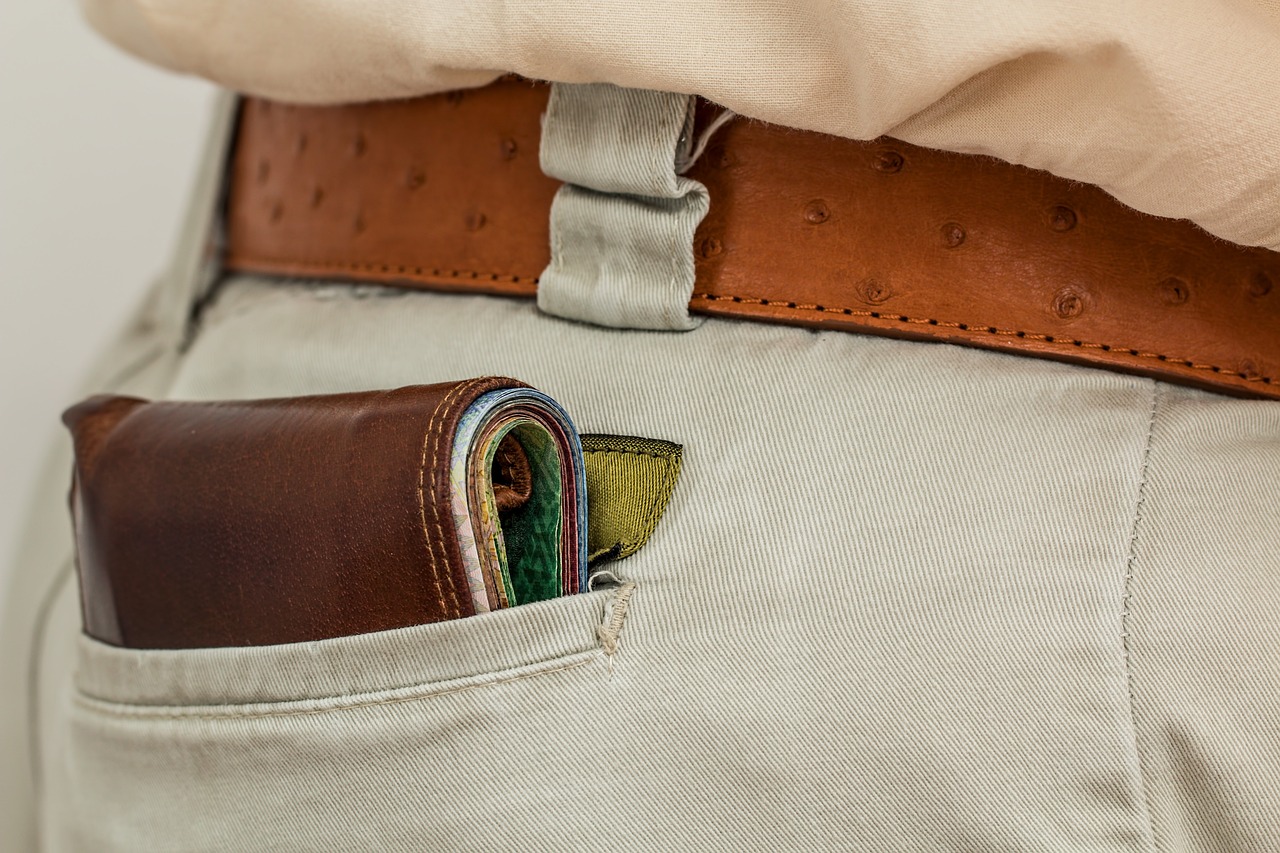
    When heading out to explore the city, don’t carry large amounts of cash—just enough to cover your planned expenses (many guides can give you an idea of the costs for food and drinks). If you must bring a credit card, take only one, and ensure you have your bank’s emergency contact numbers stored separately in a safe place. Leave all other cards in the safe.

    wallet, cash, pocket
    1. Don’t Carry Your Passport

    Although some may tell you that Spanish authorities require you to carry your passport at all times, in reality, unless you’re specifically asked by police, you won’t need to show it. I never have. However, if you lose it or have it stolen, you won’t be boarding that ship!

    There was a recent account of someone who had their passport stolen on a Saturday just as they arrived in the city, with the ship set to sail on Sunday. They had to wait until the US consulate opened on Monday to get a replacement, and then fly at their own expense to the next port of call to rejoin their family.

    If you feel safer with your passport details on hand, take a paper copy instead.

    1. Be Cautious with Your Mobile Phone

    Nowadays, our mobile phones are used for so much more than just calls—they store photos, act as maps, hold online tickets, and even process electronic payments. Many phones are valued between £600–£700 (approximately $750–$900 or €700–€800) and contain a wealth of personal data.

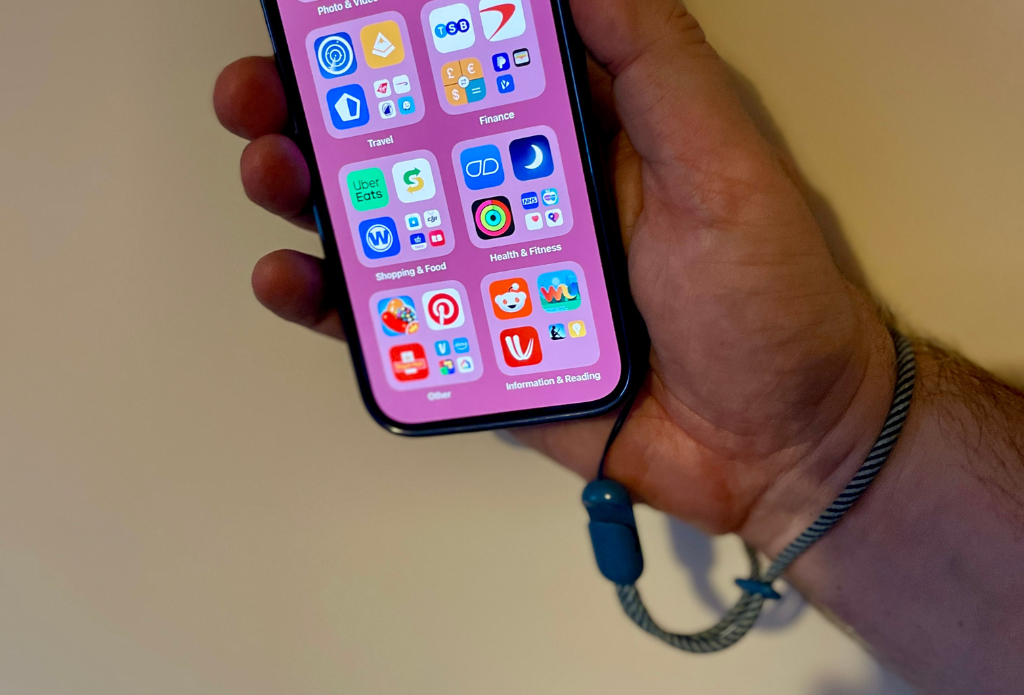
    You don’t want to lose all of this. I suggest using a phone case with a wrist strap, so you can carry it securely and still use it. 

    The one above was purchased on amazon for approxiamately £17 ($22). 

    Remember, when you’re checking directions or taking a selfie in front of the Sagrada Família, your attention is diverted, and pickpockets know this. They can easily swoop down and snatch your phone.

    When in your accommodation, never leave your phone unattended—it’s a highly valuable item to criminals.

    1. Keep an Eye on Your Belongings in Restaurants

    When enjoying a snack, drink, or meal in one of the city’s many great bars and restaurants, make sure any bags are not hung on the back of a chair but are within your sight at all times. A good tip is to place the bag under the table with the straps secured around a table or chair leg (or even your own leg!), making it difficult for a thief to grab and run.

    Ensure all bag pockets and zippers are closed. Never leave your wallet or phone lying on the table—pickpockets are quick and can grab these off the table before you even realize it.

    1. Carry Bags the Local Way

    In Barcelona, you’ll notice that locals carry their backpacks in front of them, rather than on their backs, to avoid pickpockets. If you need to carry a bag, make sure it’s securely held on your person, and that all zips, clasps, and pockets are closed.

    1. Avoid Crowds of Strangers

    Pickpockets often work in teams, surrounding victims while one or more distract you with questions or by pretending to need directions, while another robs you.

    A common tactic is to lean over you with a map while you’re eating, hiding your valuables so an accomplice can grab them. Another trick involves someone walking beside you, begging with a “baby” (often a doll), while their real arm is digging through your bag or pockets.

    man in black and white shirt carrying black backpack
    1. Don’t Flash Valuables

    Avoid wearing flashy jewelry, especially high-value items like a Rolex or an Apple watch. Thieves can spot these from a distance and will target you. Leave such valuables in the safe.

    Try to blend in by dressing inconspicuously. Don’t wear sports jerseys or clothing that makes you stand out as a tourist. Ensure your pants/shorts have pockets that can be securely closed with zippers or buttons.

    Gentlemen, please don’t walk around with a bulging wallet in your back pocket. This is a walking advertisement for thieves.

    1. If You Become a Victim, Stay Calm

    If you find yourself the victim of a crime, shout for help and make loud noises, but avoid lashing out—this often deters attackers, as they’re opportunists who prefer to avoid attention.

    Try not to retaliate, as the criminals may be armed, and it’s not worth risking your safety.

    If you’re unlucky enough to become a victim, report the crime to the police for insurance purposes. This will require visiting a local station to obtain a police report and crime reference. It’s not always a quick process, especially if you’re not fluent in the local language, so take precautions to avoid the situation altogether.

    Remember these tips, and you’ll have a fantastic time in Barcelona. We always look forward to visiting, especially since it usually means we’re about to board a cruise!

    Take care, and enjoy your trip!

    Get Your FREE Cruise Packing List

    Pack like a pro! Subscribe and we’ll send you our printable cruise packing checklist plus handy cruise tips.

    No spam, no inbox overload — just useful cruise inspiration.

    Anchors aweigh! You’re officially part of the Escapaders crew 🎉