A Simple, Low-Stress Cruise Planning Timeline

A Simple, Low-Stress Cruise Planning Timeline

Intro – Planning Without Panic

Most cruises are booked with excitement.

Somewhere between clicking “confirm” and sail day, that excitement can quietly turn into planning pressure.

  • When should you book excursions?
  • Do restaurants sell out?
  • Is it too early to look at flights?
  • What if you forget something important?

The internet doesn’t always help. Lists are long. Advice is urgent. Everything feels like it needs to be done immediately.

In reality, cruise planning works best in phases.

You don’t need to organise everything at once. You just need to know what matters now — and what can wait.

Here’s a simple way to approach it calmly.
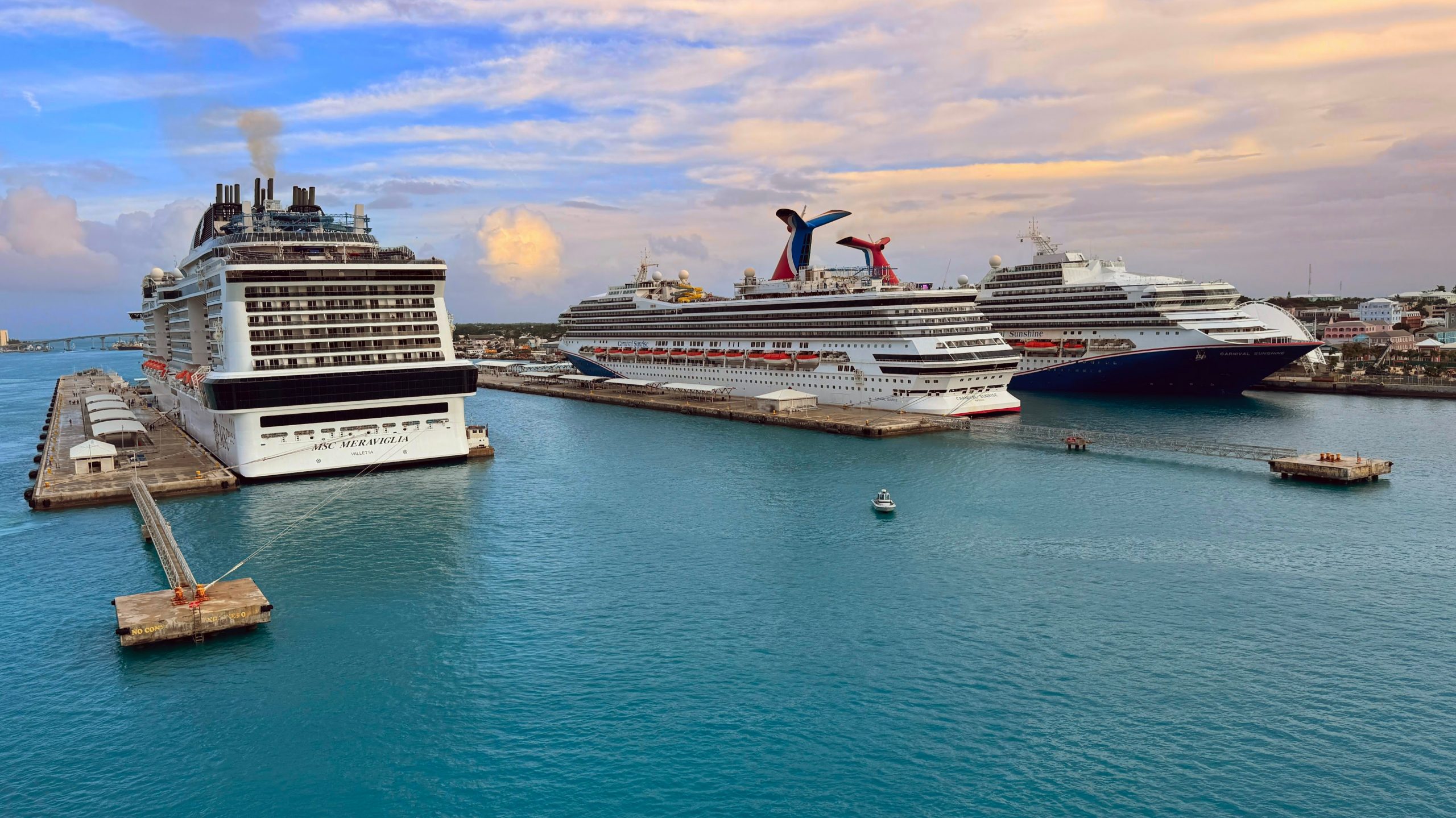
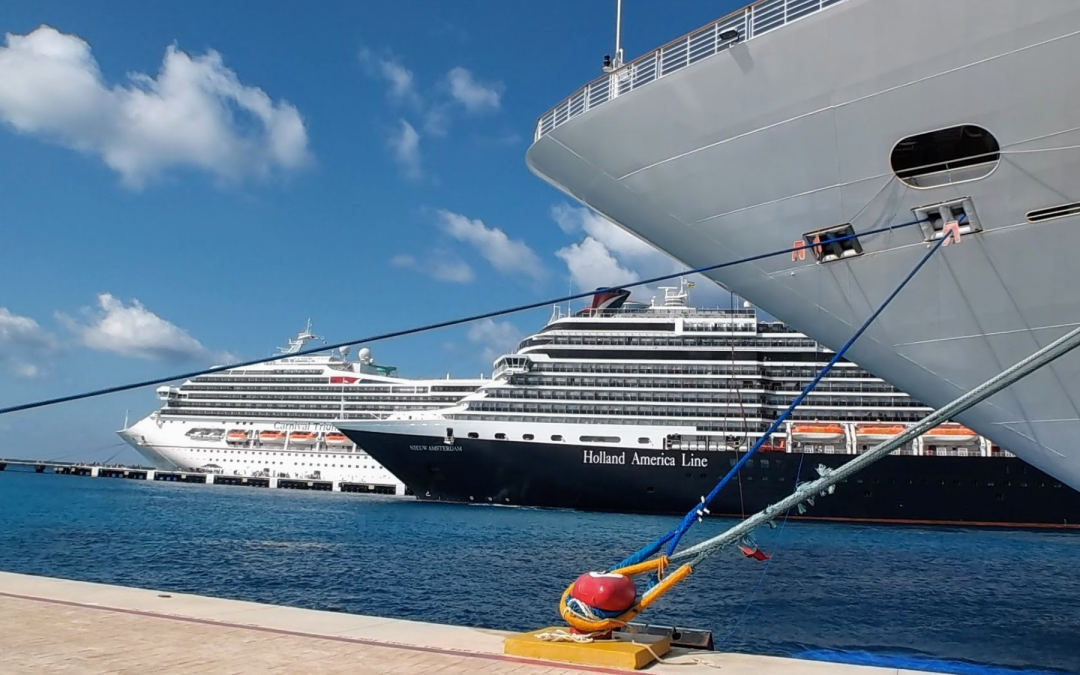
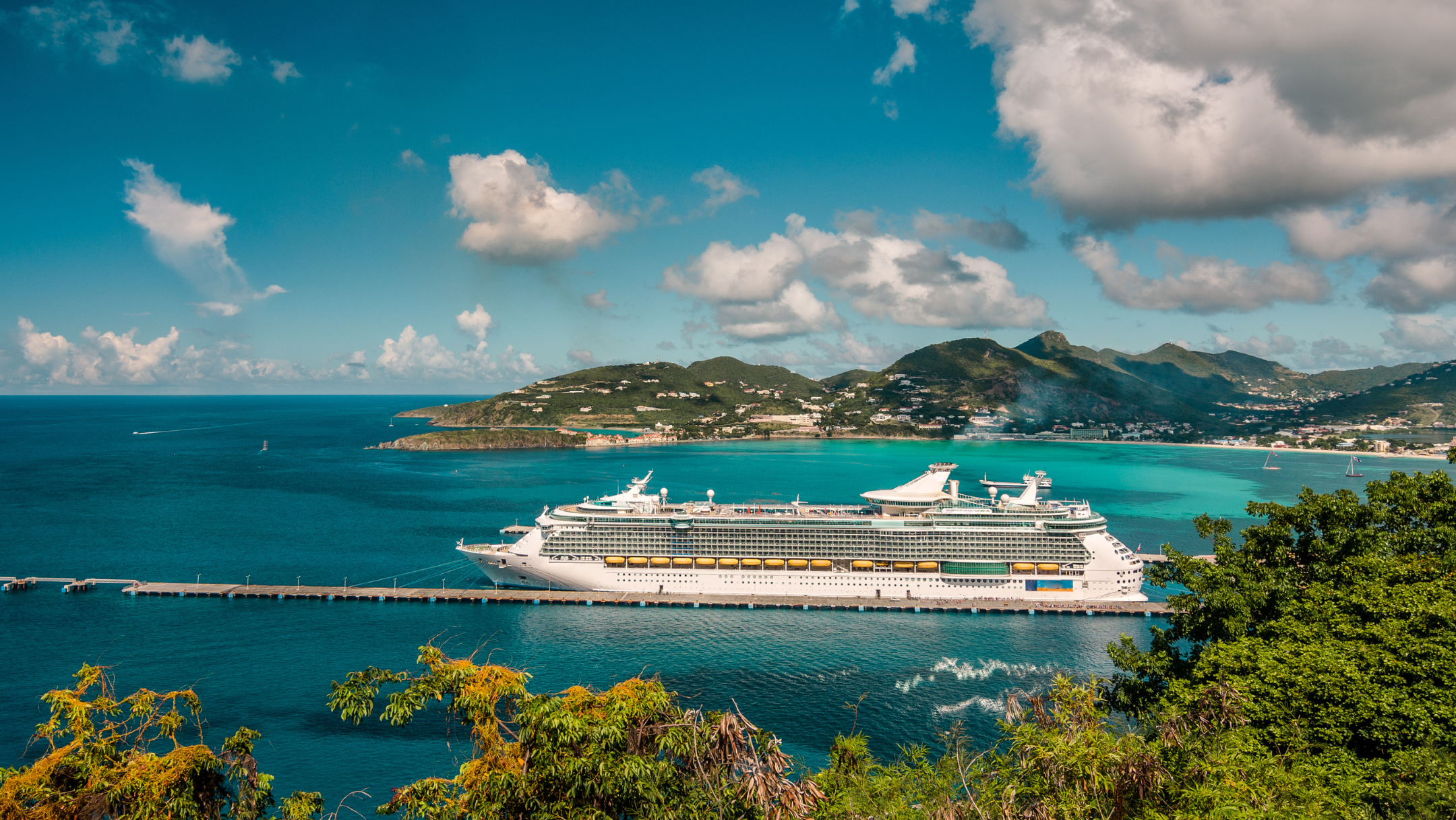
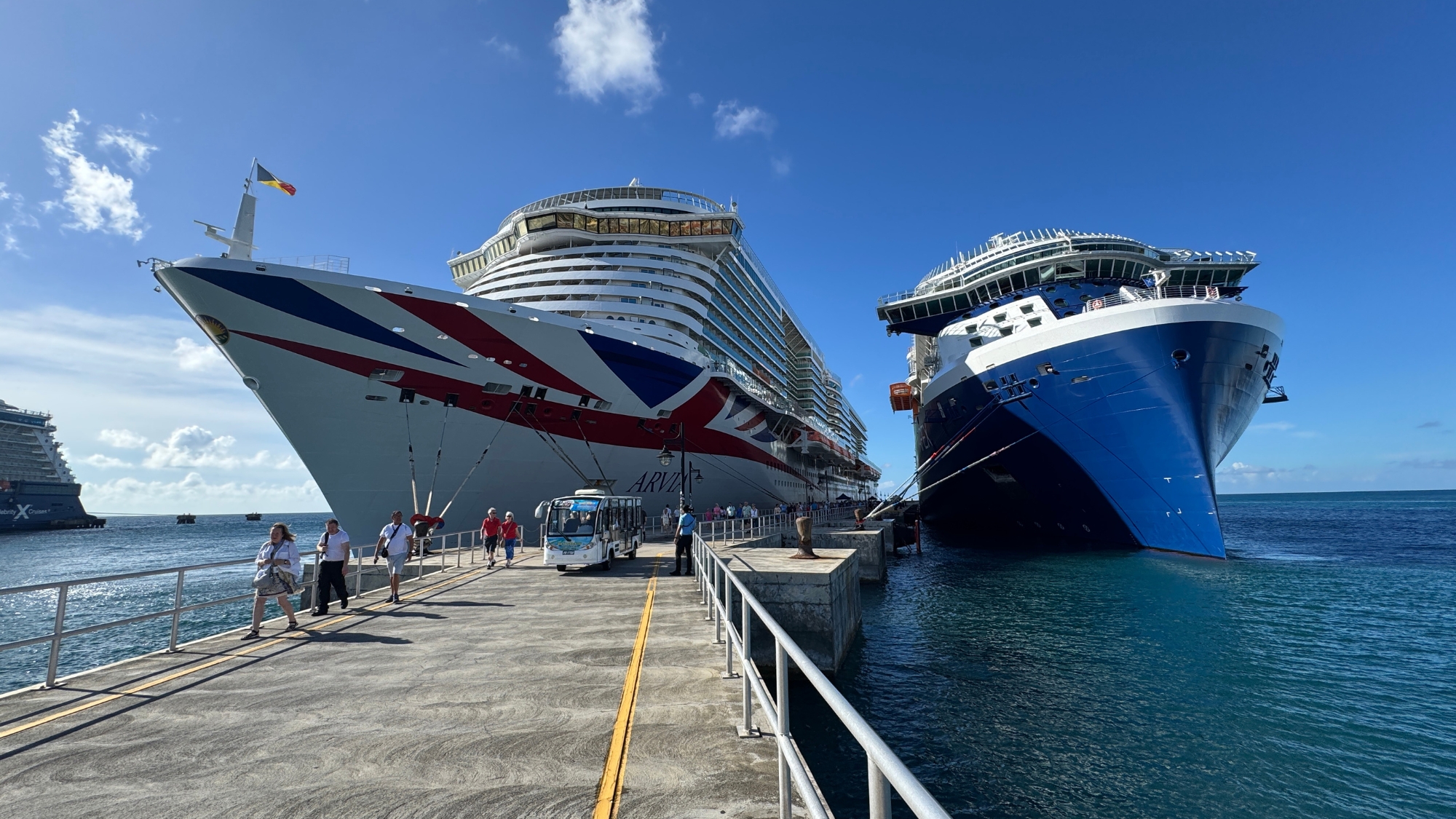
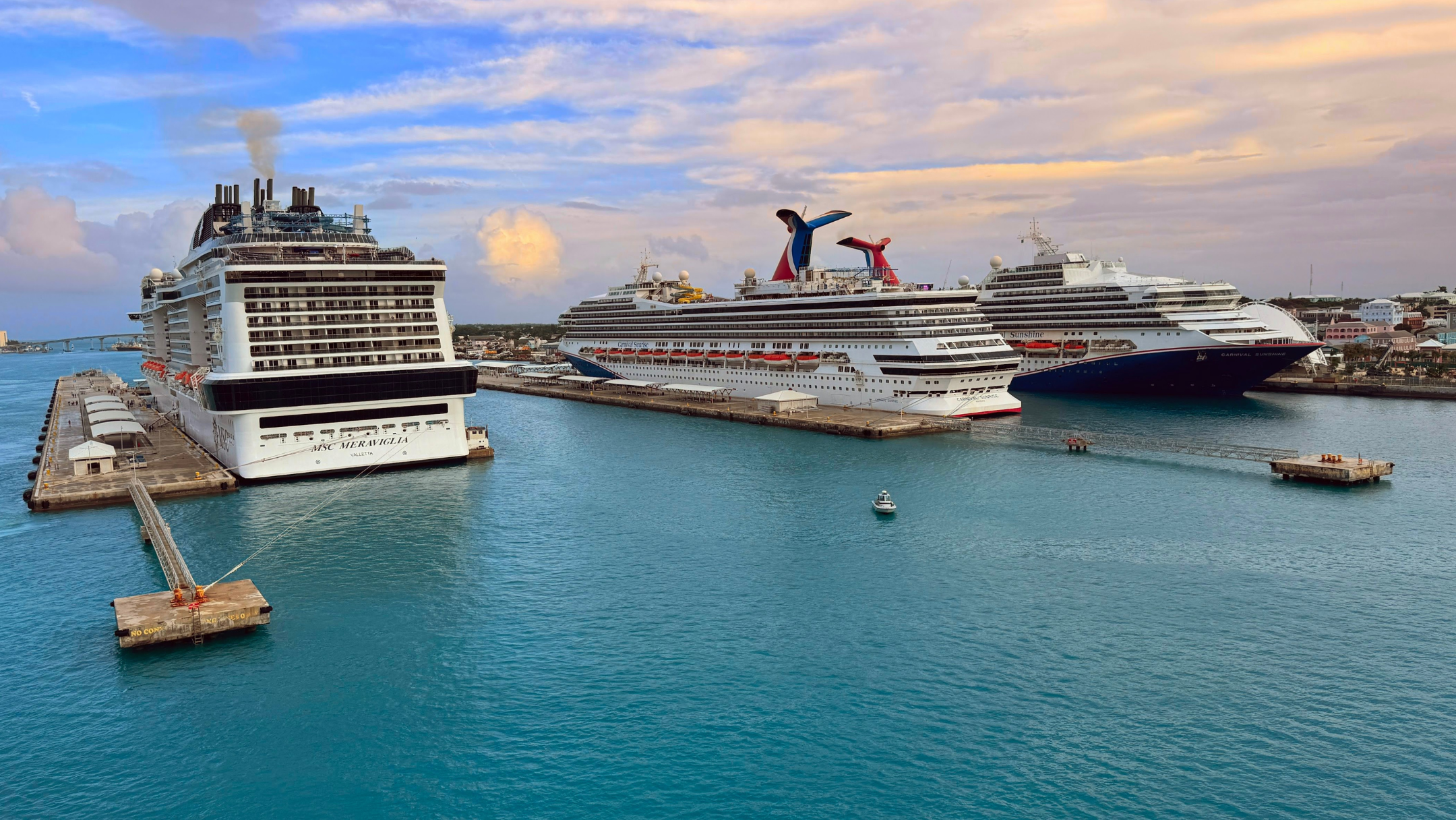
Cruise ships moored at Nassaue Cruise Port

Phase 1: Right After You Book (Set the Foundations)

This phase isn’t about locking everything in.

It’s about quiet groundwork.

Right after booking, your only job is to make sure the essentials are covered. That means:

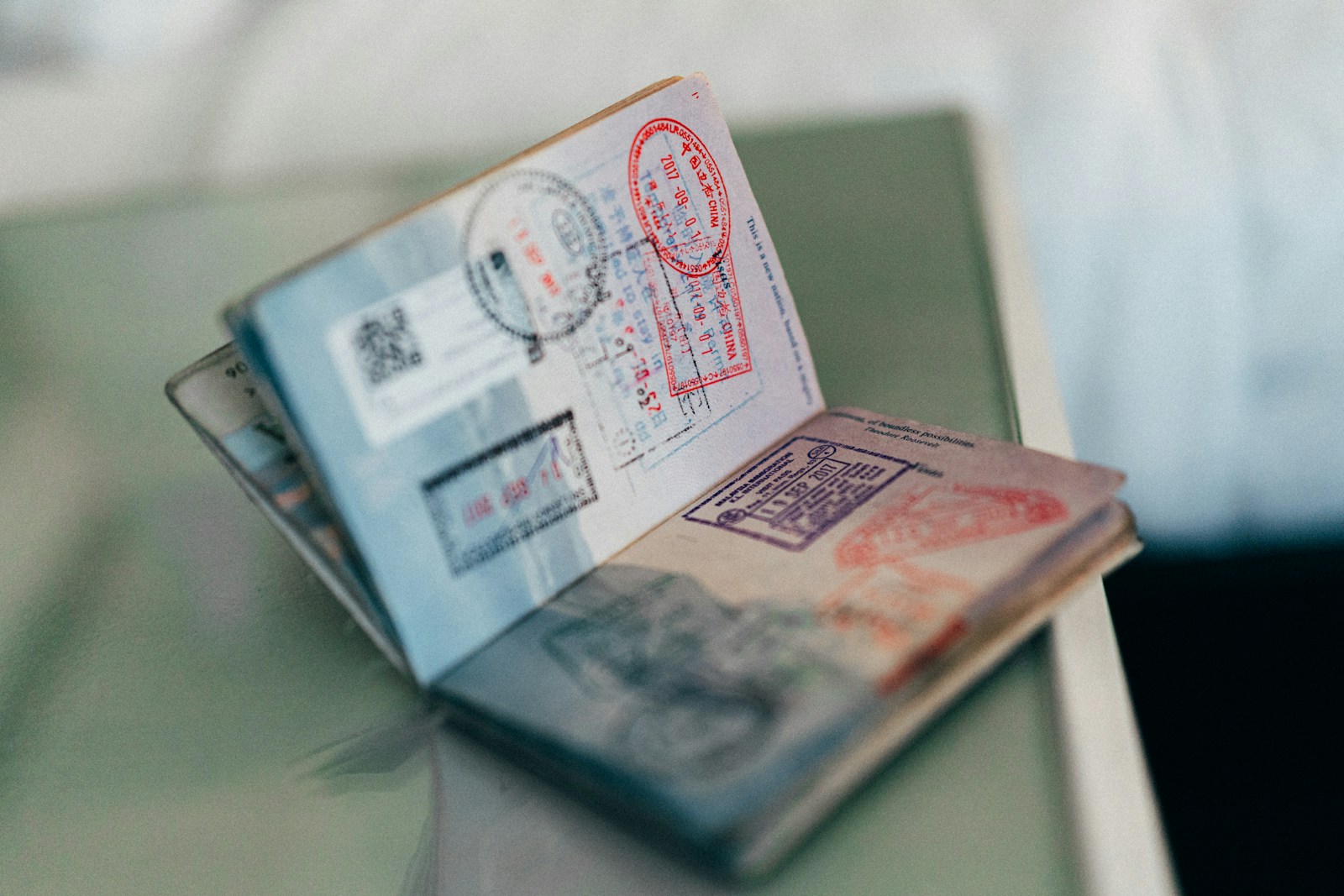
  • Checking passport validity

  • Arranging travel insurance

  • Noting your final payment date

  • Downloading the cruise line app

  • Confirming names and booking details

That’s it.

You don’t need to research every port immediately. 
You don’t need to study deck plans for hours. 
You don’t need to choose excursions yet.

This phase is simply about removing future stress before it appears.

Once those foundations are set, you can relax and enjoy looking forward to the trip.
white and red labeled box

Phase 2: When You’re Ready to Think About the Details

(Often 3–6 Months Before Sailing)

This is the phase where excitement builds again.

You might start browsing flights. Looking at pre-cruise hotels. Checking parking options. Glancing at deck plans. Reading a few port overviews.

That’s all perfectly reasonable.

This is the time to:

  • Book flights (if you haven’t already).

  • Reserve a pre-cruise hotel if you’re arriving the day before.

  • Arrange parking or transfers.

  • Choose your preferred dining time (if applicable).

  • It can also be helpful at this stage to glance at the cruise line’s excursion options — not to book immediately, but to get a sense of what’s available and how quickly popular tours may fill up.
  • Lightly research your ports.

Notice the word lightly.

You don’t need a full itinerary yet. You’re simply gathering information so nothing feels rushed later.

This phase is about smoothing logistics — not locking in every experience.

three person pointing the silver laptop computer

You Can Safely Ignore (For Now)

  • Booking speciality dining months in advance

  • Spa packages

  • Beverage packages

  • Finalising your packing list

  • Comparing every single excursion option

Those things can wait.

Right now, you’re just building a steady foundation.

Phase 3: When the Cruise Starts to Feel Close

(Often 1–3 Months Before Sailing)

This is the stage where your sailing begins to feel real.

Port names start to mean something. You might find yourself picturing the coastline, the old town, the beach, the café you haven’t visited yet.

This is a good time to research where you’re going and think about what would genuinely interest you.

Do you prefer history? A guided tour? A slow wander and lunch? A beach day? Or staying onboard altogether?

Understanding what appeals to you makes choosing excursions far easier — By this stage, you’ll already have a sense of what interests you — which makes booking feel intentional rather than reactive.

Popular cruise line excursions can and do sell out, particularly in high-demand ports or on busy sailings. If there’s a specific experience you really want, it makes sense to secure it at this stage.

That said, there’s no obligation to book anything.

Many ports are easy to explore independently. Some days might suit a relaxed walk and a coffee. And occasionally, staying onboard can be the better choice.

The goal isn’t to fill every port with a pre-booked activity.

It’s to choose deliberately — or choose nothing at all.

This is also the time to:

  • Complete online check-in as soon as your window opens. On many cruise lines, this can be 45–90 days before sailing, and earlier check-in often means better choice of embarkation times.

  • Select your arrival time (if required)

  • Review speciality dining (if that matters to you)

  • Consider beverage packages only if they suit your style

You’re not trying to control every detail.

You’re simply removing avoidable stress.
a calendar with red push buttons pinned to it

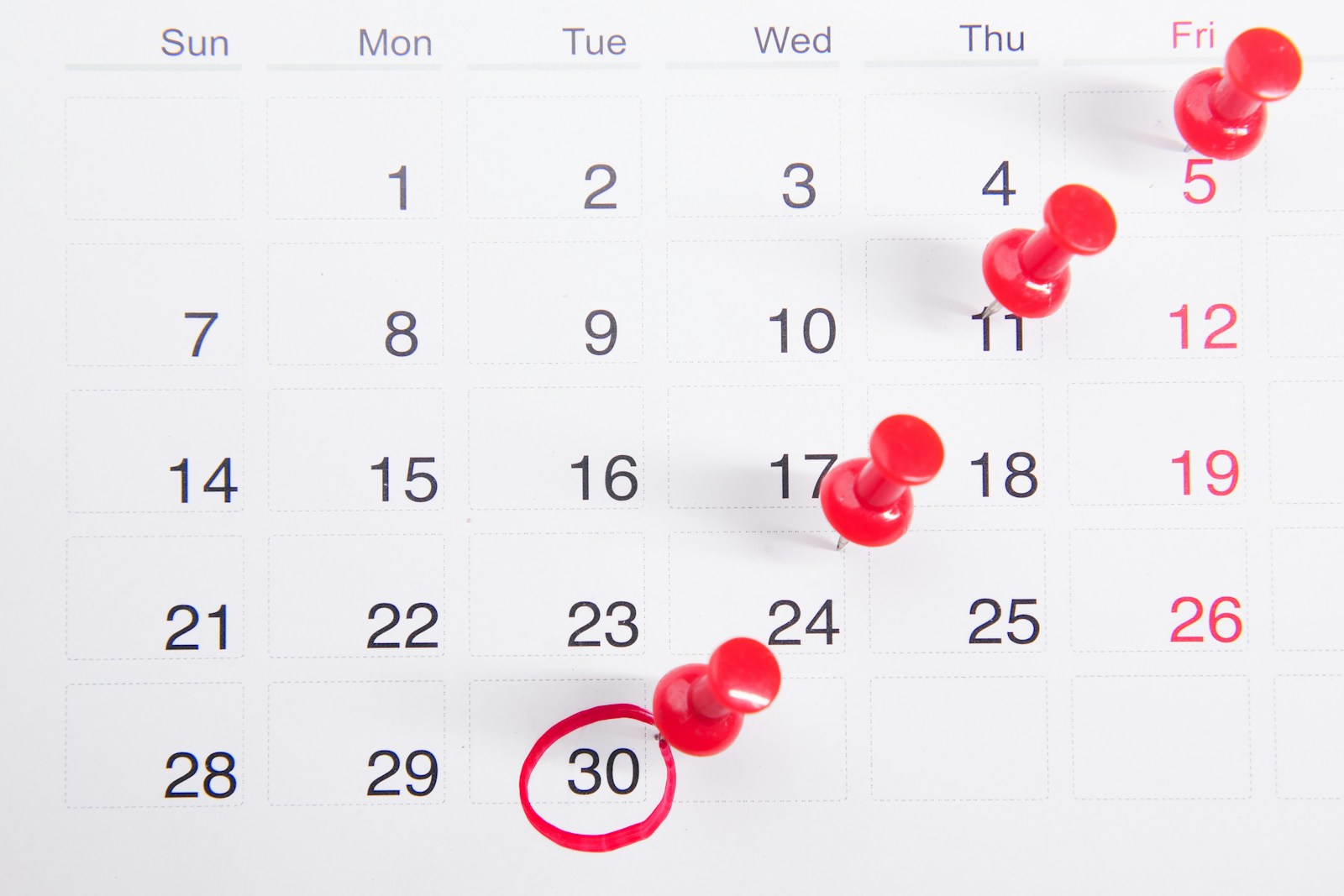
Phase 4: The Final Two Weeks

At this point, most of the meaningful decisions have already been made.

You’re not planning anymore.
You’re simply preparing.

This is when you:

  • Confirm travel arrangements and transfer details

  • Print luggage tags

  • Double-check passport and insurance documents

  • Set up any necessary payments in the cruise app

  • Make sure medication and essentials are organised

Now is also the time to look at your packing list — not to overthink it, but to make sure the basics are covered.

You don’t need to pack for every possible scenario.
You don’t need outfits for every themed night unless you genuinely want to participate.

You just need what makes you comfortable.

The final two weeks should feel reassuring, not frantic.

If something hasn’t been booked by now, ask yourself whether it truly matters. Very often, the answer is no.

This phase isn’t about squeezing in last-minute upgrades.

It’s about arriving at embarkation feeling calm and ready.

Cruise Planning Isn’t a Race

Cruise planning often feels urgent because the internet makes it feel urgent.

But most of what matters can be handled calmly — and in stages.

You don’t need to know everything at once.
You don’t need to book everything immediately.
You don’t need to optimise every hour.

You just need clarity about what matters now.

Confidence comes from understanding how cruise life actually feels onboard.
It comes from knowing when a port is worth your energy — and when it isn’t.
It comes from packing what genuinely makes life easier.
And it comes from giving yourself permission to cruise at your own pace.

When those pieces are in place, the timeline becomes simple.

You’re not reacting to pressure.

You’re preparing deliberately.

And that’s when cruising starts to feel exciting again — not overwhelming.
What Life on a Cruise Ship Is Really Like (Common Worries Answered)

What Life on a Cruise Ship Is Really Like (Common Worries Answered)

Intro

If you’ve never cruised before, it’s easy to imagine extremes.

Too crowded. Too noisy. Too many germs. Too much drinking. Too little to do.

Photos online don’t always help. They show highlights — not everyday reality.

So what is life on a cruise ship actually like?

After more than 50 cruises between us, here’s the honest version. Calm. Balanced. And far less dramatic than you might think. If this is your first cruise and you’re still working through the basics, our calm first-time cruise guide walks through what actually matters — and what doesn’t.

Don’t You Get Bored?

This is one of the most common questions we’re asked.

Modern cruise ships aren’t small vessels with little to do. They’re closer to floating resorts. There are shows, talks, fitness classes, cafés, pools, quiet lounges, live music, deck walks, reading corners — and that’s before you even leave the ship.

But here’s the important part:

You don’t experience it all at once.

Within a day or two, you settle into your own rhythm. A favourite coffee spot. A preferred deck for sunset. A lounge that feels comfortable.

You’re not expected to fill every hour.

Some sea days are busy. Some are slow. Most sit comfortably in between.

Boredom isn’t usually the issue.

Over-planning sometimes is.

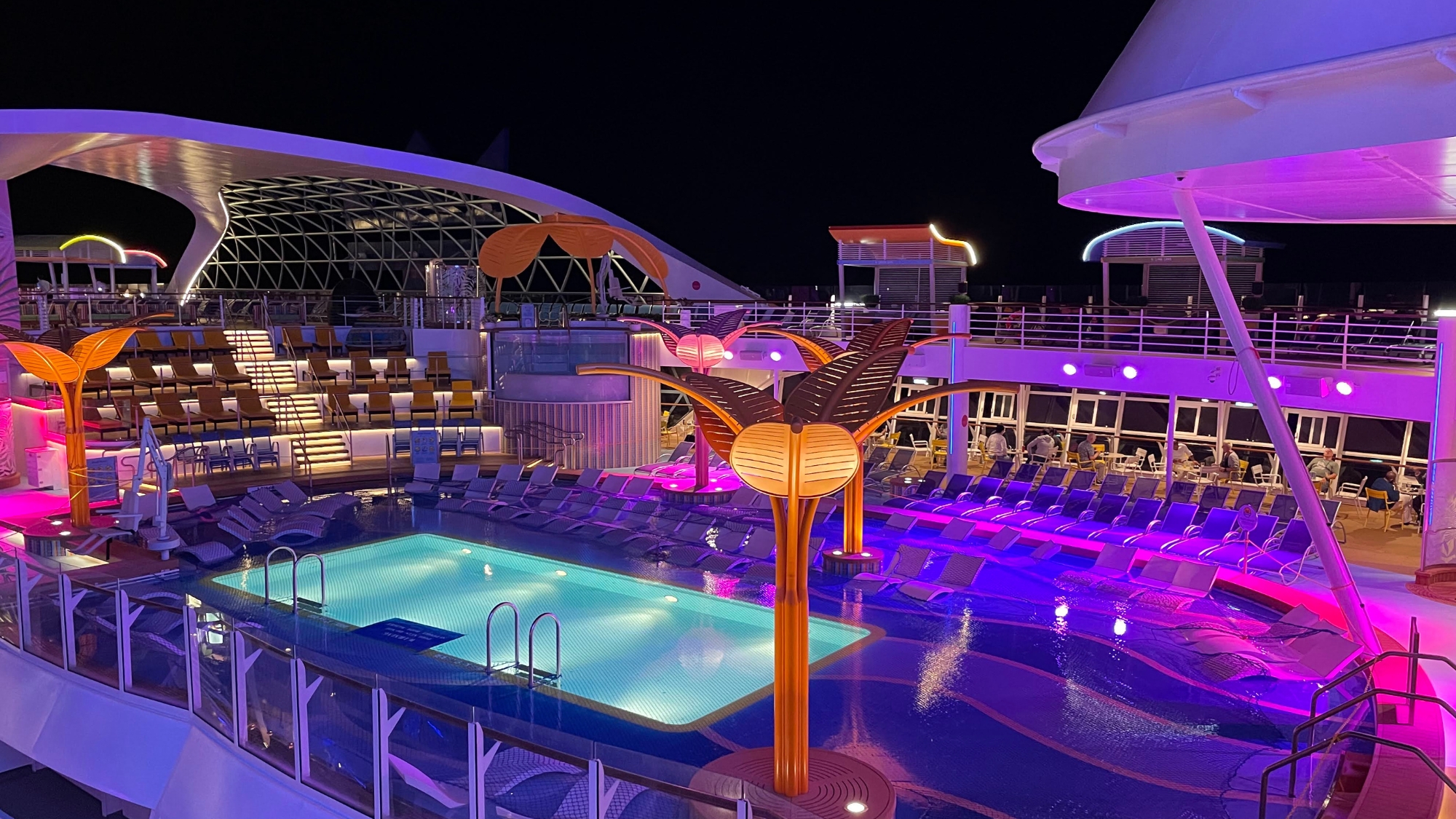
Couple enjoying drinks in a relaxed cruise ship lounge at sunset

Do You Get Seasick?

In over 50 cruises, one of us has felt mildly seasick once. The other never has.

Modern cruise ships are remarkably stable, especially the larger ones. They’re fitted with advanced stabilisers designed specifically to reduce motion.

That doesn’t mean you’ll never feel movement. In rough weather, you might notice a gentle sway. But for most sailings, especially in calmer regions, it’s barely noticeable.

If you’re particularly prone to motion sickness, there are simple precautions you can take — and we’ve covered those in more detail in our guide to managing seasickness.

For most people, it’s a worry that fades quickly once onboard.

Aren’t Cruise Ships Full of Germs?

Cruise ships are probably more hygiene-conscious than many land-based resorts.

You’ll see hand-washing stations at buffet entrances. Crew regularly wipe down stairwell banisters, lift buttons, railings and shared surfaces. Hand sanitiser stations are everywhere — especially when embarking and returning from port.

Hygiene isn’t an afterthought. It’s operationally embedded.

Like any shared space — hotels, restaurants, airports — sensible precautions matter. But the idea that cruise ships are uniquely unhygienic doesn’t reflect what you actually see onboard.

If anything, the visibility of cleaning efforts tends to reassure rather than alarm.

Are Cruise Ships Full of Drunken Parties?

Some cruise lines have a livelier reputation than others.

And yes — there are pool bars, themed nights and the occasional enthusiastic dance floor.

But that’s rarely the whole picture.

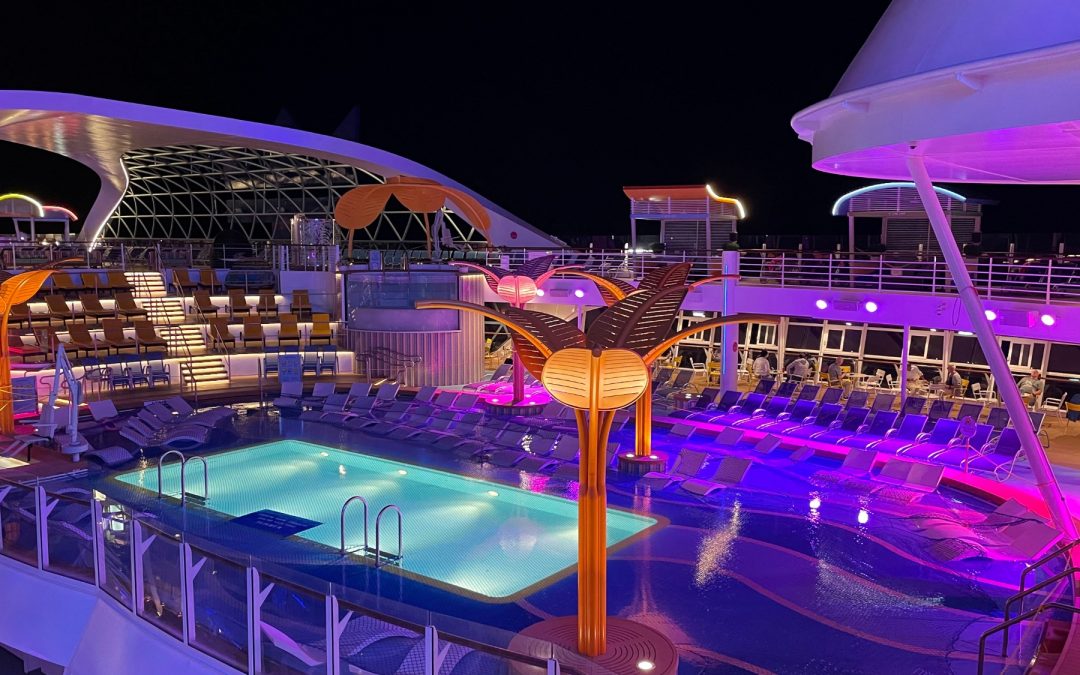
Cruise ships are layered environments. The lively pool deck in the afternoon sits just a short walk from a quiet observation lounge. A busy sail-away party doesn’t prevent a calm dinner or a peaceful top-deck sunset.

We enjoy a drink onboard — our logo probably gives that away — but we’ve never found cruising to feel chaotic unless you deliberately seek that atmosphere.

Even on lines known for energy, there are always calmer spaces.

The key is choosing the cruise line — and the onboard spaces — that suit your style.

Will I Feel Overwhelmed on a Big Ship?

Large ships can look intimidating in photos.

Multiple decks. Long restaurant lists. Packed activity schedules.

But onboard, the experience feels far more manageable.

Ships are designed in “neighbourhoods.” You move through them gradually. Within a couple of days, the layout feels familiar.

And something else happens.

You start recognising the crew. They recognise you. A barista remembers your coffee order. A waiter greets you by name. Small interactions make a large ship feel surprisingly personal.

You don’t need to attend every activity. You don’t need to try every restaurant.

Big doesn’t mean overwhelming.

It usually just means more choice — and more space to find your own pace.

What a Typical Sea Day Actually Feels Like

Sea days are often misunderstood.

People imagine non-stop activity — or complete boredom.

Most sea days settle somewhere comfortably in between.

Mornings tend to feel unhurried. Coffee on deck. A quiet walk. A glance at the daily programme — not to plan every minute, but to see what appeals.

Some people head to the gym at 6am. Others sleep in. Both feel normal.

Throughout the day, shops stay open. The casino hums quietly in the background. Spa appointments fill up. There might be a cooking demonstration, an enrichment talk, or even a towel-folding lesson.

Or none of it.

Afternoons can mean a swim, a book, a nap, or simply watching the horizon.

There’s no packing. No rushing ashore. No timetable to beat. And when your ship is in port, deciding whether to head ashore or enjoy that same calm onboard rhythm can be just as important.

Sea days aren’t about filling time.

They’re about enjoying the absence of pressure.

For many cruisers, they become the most unexpectedly relaxing part of the trip.

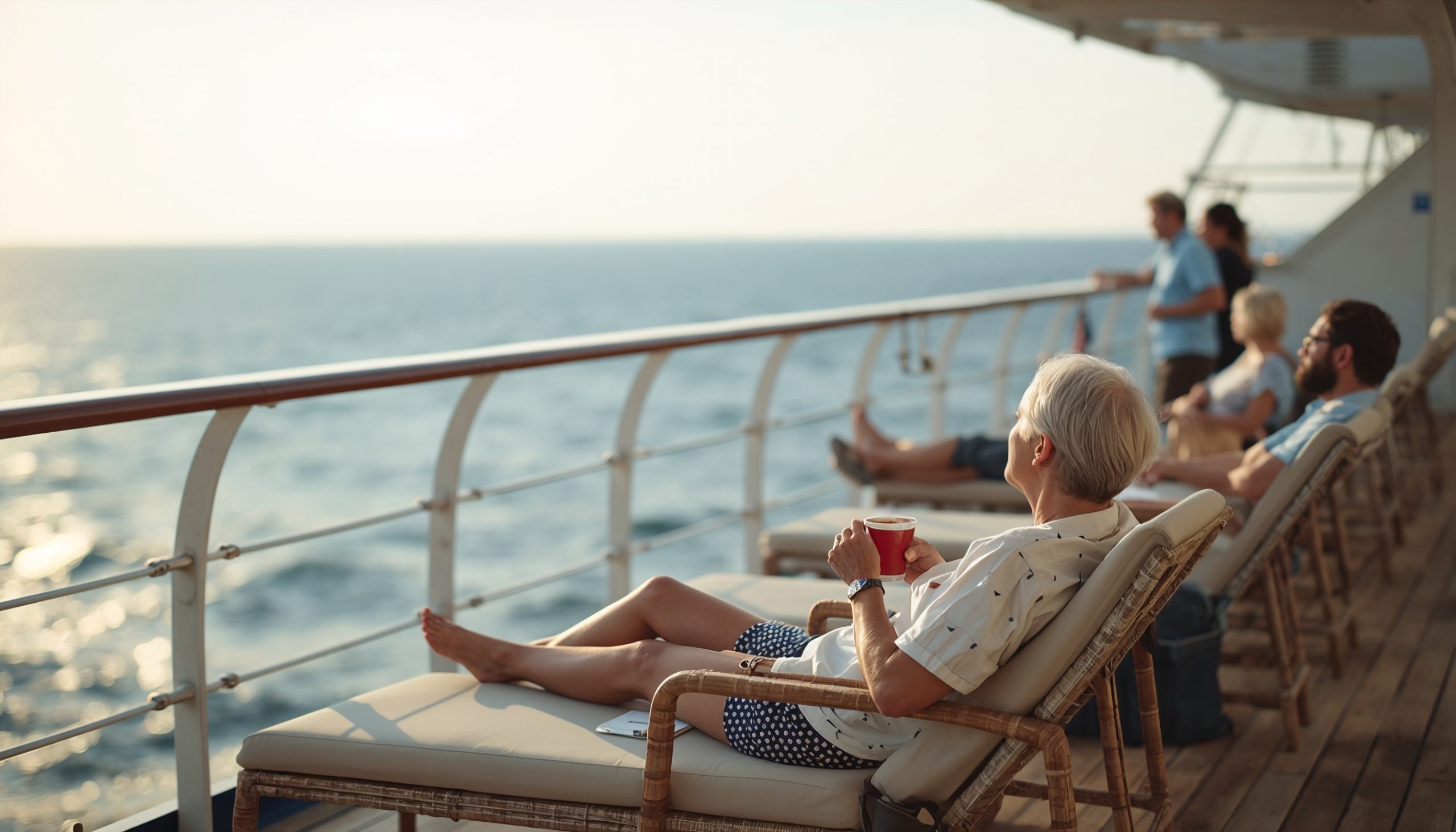
Lady enjoying coffee whilst relaxing on a cruise ship longer

You Don’t Have to Cruise Like Everyone Else

There isn’t one correct way to cruise.

Some people leave the ship in every port.
Some skip a few.
Some stay up late.
Some are on deck at sunrise.

Even within the same cabin, rhythms can differ. One person might be in the gym at 6am. The other might be lingering over coffee in a quiet lounge.

Cruise ships allow that flexibility.

You can spend part of the day together and part separately — and still share the experience.

You’re not behind if you skip something.
You’re not doing it wrong if you rest.

Cruising works best when it reflects your energy, not someone else’s.

And once you realise that, most of the common worries lose their power.

Cruise Items That Genuinely Make Life Easier (and What You Can Skip)

Cruise Items That Genuinely Make Life Easier (and What You Can Skip)

Why Most Cruise Packing Lists Make Things Harder

If you’ve searched for cruise packing advice online, you’ve probably noticed one thing very quickly: most lists are long. Very long.

They’re often framed as “must-haves” or “essentials”, and before you know it, packing for a holiday starts to feel like preparing for every possible scenario — many of which never actually happen. Instead of feeling organised, it’s easy to feel overwhelmed.

The problem isn’t that these lists are malicious or wrong. It’s that they’re usually built around possibility, not probability. Just because something could be useful doesn’t mean it will be — or that it’s worth the space, cost, or mental load.

In practice, many cruise-specific items solve problems you’re unlikely to encounter, duplicate what the ship already provides, or add clutter without adding comfort. Others are bought out of fear — fear of being unprepared, missing out, or “doing cruising wrong”.

Experience changes that perspective.

If you’re new to cruising, our calm first-time cruise guide explains why you don’t need to get everything right to have a great trip.

After a few cruises, you start to notice which items you actually reach for, which ones stay untouched in the cabin, and which things quietly make the day smoother without drawing attention to themselves. You also learn that forgetting something rarely ruins a cruise — and that most minor gaps can be filled onboard or ashore with very little stress.

This guide isn’t about packing less for the sake of it.
It’s about packing more intentionally — and letting go of the idea that a perfect packing list exists.

Image by izhar ahamed from Pixabay

The Test We Use Before Bringing Anything on a Cruise

Over time, we’ve stopped asking whether something is labelled as a “cruise essential” and started asking a much simpler question:
Will this actually make our cruise easier?

Before anything earns a place in our luggage, it has to pass a few quiet tests. They’re not rigid rules — just prompts that help us pack with intention rather than habit.

Does this solve a real problem we’ve actually had?
If an item is designed to fix an issue we’ve never encountered, it’s unlikely to be worth bringing. Experience is a better guide than hypothetical scenarios.

Would we genuinely miss it if we didn’t bring it?
Some items sound useful in theory but don’t cross our minds once we’re onboard. If we wouldn’t notice its absence, it probably doesn’t deserve the space.

Does it make the day smoother — or just add clutter?
The best cruise items quietly remove friction. They don’t need explaining, managing, or setting up. If something creates more hassle than help, it usually stays at home next time.

Is this something the ship already provides?
Cruise ships are well-equipped, and many “must-have” items duplicate what’s already available in the cabin or around the ship. Packing what you already have access to rarely improves the experience.

Is this about comfort — or just reassurance?
This is an important one. Some items are packed to make us feel prepared rather than to meet a real need. There’s nothing wrong with reassurance, but it’s worth being honest about the difference.

These questions have gradually simplified how we pack. Instead of chasing the perfect list, we focus on a small number of items that consistently earn their place — and we let the rest go.

That mindset doesn’t just make packing easier.
It makes the cruise itself feel lighter too.

Keeping the cabin organised.

Cruise cabins are cleverly designed, but they’re still compact — and it doesn’t take much for surfaces to feel cluttered. We’ve found that a few simple solutions make a noticeable difference, especially on longer sailings.

Small items that create vertical space tend to help most. Being able to hang lightweight things like day bags, hats, lanyards, or jackets keeps them visible and easy to grab, rather than piled on chairs or the bed. One surprisingly effective option is a vertical shoe rack hung inside the wardrobe, which keeps shoes contained, easy to see, and off the floor — a simple fix that’s especially helpful if you’re sharing a cabin.

Likewise, having one dedicated place for everyday essentials — cards, sunglasses, room keys — stops that constant “where did we put it?” feeling.

The goal isn’t to organise everything. It’s to reduce friction.
If something helps us find what we need quickly, keeps surfaces clear, or makes the cabin feel calmer when we walk back in, it’s usually earned its place.

Items That Sound Useful — But Usually Aren’t

There’s no shortage of cruise-specific products promising to make life easier onboard. Many of them sound sensible at first glance — especially if you’re new to cruising — but in practice, they often add more clutter than comfort.

Some items fall into the category of “just in case”. They’re bought to cover unlikely scenarios and then spend the entire cruise untouched in a drawer. Others duplicate things the ship already provides, or solve problems that never really arise in day-to-day cruising.

Bulky organisers are a common example. While they can look impressive in packing videos, they often take up valuable luggage space and create more setup than benefit once you’re onboard. Cruise cabins don’t usually reward over-organisation — simplicity tends to work better.

Gadgets designed to “optimise” the cruise experience can fall into the same trap. If something requires explaining, assembling, or constant management, it’s worth asking whether it’s genuinely improving the holiday — or just adding another thing to think about.

We’ve also learned to be cautious of items that promise to turn a cabin into something it isn’t. Cruise cabins are functional, comfortable spaces, but they’re still cabins. Trying to recreate a home setup often leads to frustration rather than ease.

That doesn’t mean these items never work for anyone. It just means they don’t work for us — and that’s an important distinction. Experience has taught us that fewer, well-chosen items tend to do far more than a suitcase full of clever-sounding solutions.

If an item earns its place, it’s because it quietly makes the cruise easier — not because it sounded convincing online.

Why Less Stuff Usually Makes Cruises Better

One of the quieter lessons cruising teaches is that more preparation doesn’t always lead to more enjoyment.

The less we bring, the easier everything feels. Packing takes less time. Unpacking is quicker. The cabin feels calmer. There’s less to manage, less to move around, and less to keep track of — which frees up mental space to actually enjoy the trip.

This becomes especially noticeable once you’re onboard. Cruise days already come with a natural rhythm: meals, ports, sea days, evenings. When you’re not surrounded by gear you rarely use, it’s easier to settle into that rhythm instead of constantly adjusting it.

Less stuff also makes transitions smoother. Port days are simpler when you’re not repacking bags or sorting through clutter. Disembarkation feels lighter when you’re not wrestling with things you didn’t really need. Even small moments — getting dressed, finding your sunglasses, heading out for coffee — become easier when everything has a clear purpose.

Perhaps most importantly, packing less reduces pressure. There’s no sense that you need to “use” everything you brought to justify bringing it. You stop worrying about whether you packed perfectly and start trusting that you’ll adapt as you go.

Cruises are designed to take care of you. Once you lean into that, you realise you don’t need to bring solutions for every possibility — just a few well-chosen items that genuinely support the way you travel.

Less stuff doesn’t mean being underprepared.
It usually means feeling more relaxed.

What We Pack Now (After Many Cruises)

What we pack now looks very different from what we brought on our first few cruises.

Early on, we packed defensively — trying to anticipate every possible scenario, just in case something went wrong or caught us out. Over time, experience has replaced that mindset with confidence. We’ve learned which items we actually use, which ones quietly make the day easier, and which things simply take up space.

Our packing now is lighter, simpler, and far more intentional. We focus on a small number of items that consistently earn their place, and we’re comfortable leaving the rest behind. If something doesn’t clearly make the cruise easier or more enjoyable, it usually doesn’t come with us next time.

We’ve also learned to trust the ship. Cruise ships are well-equipped, and most small gaps can be filled onboard without stress. That knowledge removes a lot of pressure from packing and makes the whole process feel less fraught.

Perhaps the biggest change is that we no longer aim for the “perfect” packing list. We aim for a good-enough one — something that supports the way we travel without turning preparation into a project.

Packing this way doesn’t just simplify the suitcase.
It makes the cruise itself feel calmer and more flexible.


A Few Items That Consistently Earn Their Place for Us

Over time, a small number of items have proved their value again and again. They’re not dramatic or glamorous — they simply make life onboard easier.

A lightweight vertical shoe organiser
Hung inside the wardrobe, it keeps shoes contained and off the floor without taking up valuable space. It’s especially helpful when sharing a cabin.

A couple of strong magnetic hooks
Cabin walls are often magnetic, and having a few discreet hooks for hats, bags, or lanyards keeps surfaces clear and things easy to grab.

A reusable water bottle
Staying hydrated — especially in warm climates — makes a noticeable difference to energy levels. A small bottle is easier than constantly buying drinks ashore.

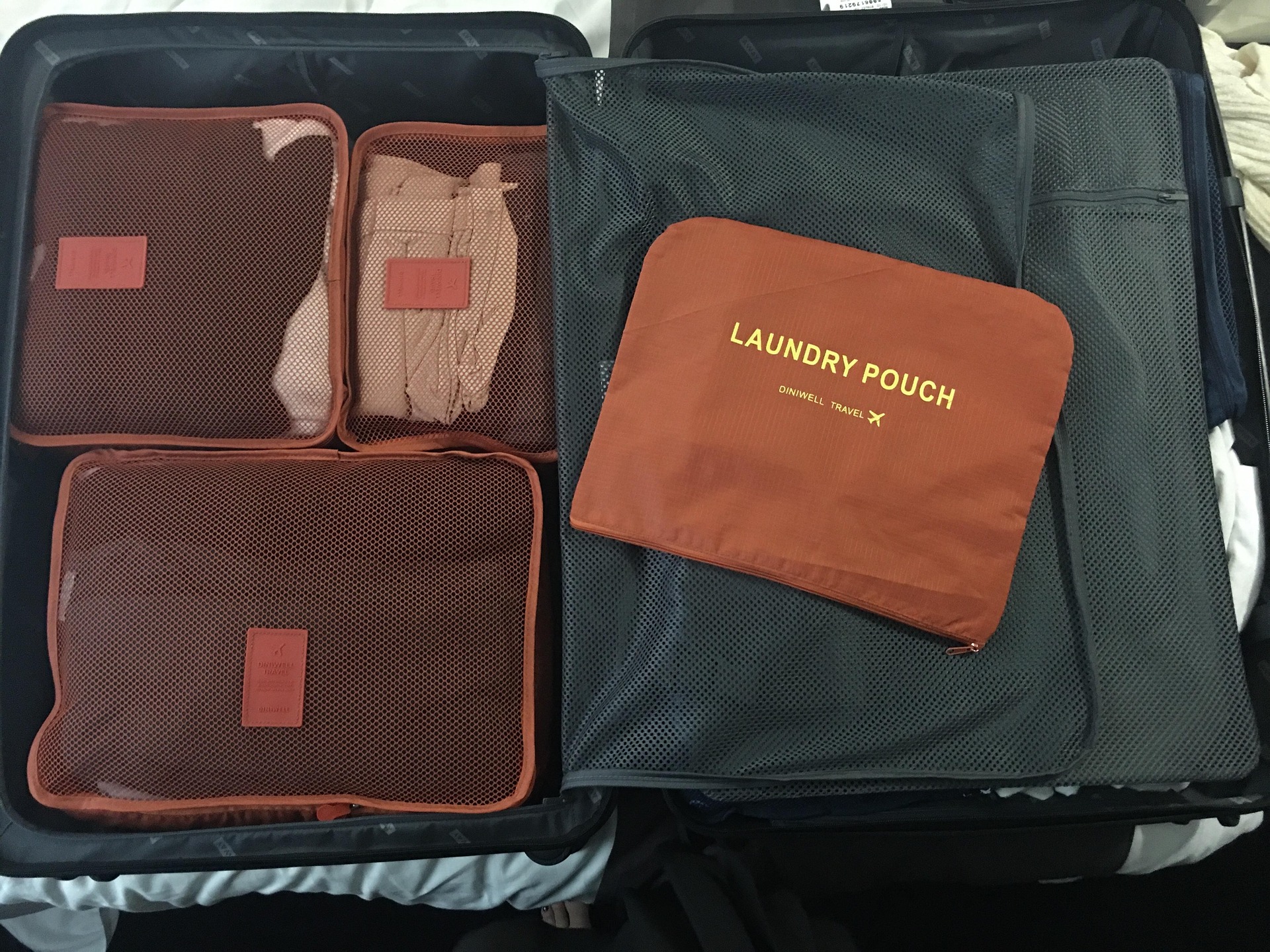
One small “essentials pouch”
Keeping cards, sunglasses, and room keys in one place avoids that daily rummaging feeling. Equally handy when going ashore.

None of these items are revolutionary.
They just quietly remove friction.

Deciding what to bring often depends on how you plan to spend your time ashore — and not every port requires the same approach.

You Don’t Need the Perfect Cruise Packing List

It’s easy to believe that forgetting the right item could somehow derail a cruise. In reality, very little has that much power.

Most things you forget can be worked around, borrowed, bought, or simply done without. Cruise lines are used to helping passengers adapt, and fellow cruisers are often far more resourceful — and kind — than we expect.

The best cruises aren’t defined by perfectly packed suitcases. They’re defined by how relaxed you feel, how easily you settle into the rhythm of the trip, and how confident you are in handling small imperfections as they arise.

If your packing helps you feel comfortable and prepared — without weighing you down — then you’ve done it right.

Everything else is optional.

How to Decide Whether a Cruise Port Is Worth Leaving the Ship For

How to Decide Whether a Cruise Port Is Worth Leaving the Ship For

One of the great joys of cruising is waking up somewhere new.

Ports are often what draw us to an itinerary in the first place — the promise of new places, different cultures, and the excitement of stepping ashore somewhere you’ve never been before. Exploring ports is a huge part of why we cruise, and it’s something we genuinely love.

But after many cruises, we’ve also learned something else: not every port day needs to look the same.

Some ports reward curiosity and wandering. Others are familiar, brief, weather-dependent, or simply don’t match how we’re feeling that day. Over time, we’ve realised that the best cruise experiences come not from treating every port as a must-do, but from deciding — calmly and intentionally — what’s actually worth our time and energy.

This guide isn’t about avoiding ports or staying onboard for the sake of it. It’s about helping you decide, port by port, what will make this day feel like a good day — without pressure, guilt, or fear of missing out.

There Is No Rule That Says You Have to Leave the Ship

One of the strongest — and least talked about — pressures in cruising is the unspoken idea that you’re supposed to leave the ship at every port.

When the gangway opens and most passengers head ashore, it can feel like staying onboard means you’re doing cruising “wrong” or wasting an opportunity. In reality, there’s no rule that says every port day has to be spent off the ship.

A cruise itinerary is a collection of options, not obligations. Each port offers a choice — not a requirement — and that choice can change depending on the port itself, the weather, your energy levels, and how you’re feeling on that particular day.

Experienced cruisers don’t treat port days as a checklist to complete. They treat them as decisions to be made — sometimes to explore, sometimes to rest, and sometimes to do something very simple, like a short walk and a coffee before heading back onboard.

None of those choices mean you’re missing out. They simply mean you’re cruising in a way that suits you.

When Leaving the Ship Usually Is Worth It

While not every port day needs to be treated the same, there are plenty of times when leaving the ship genuinely adds something special to a cruise.

Some ports are simply a joy to explore. Walkable towns, scenic waterfronts, historic old quarters, or places where the port drops you right into the heart of the destination often reward even a short visit. In these cases, stepping ashore can feel easy, unhurried, and immediately worthwhile.

There are also ports that feel like a once-in-a-lifetime opportunity. Maybe it’s a place you’ve always wanted to see, somewhere you’re unlikely to visit again, or a destination that feels very different from anywhere else on your itinerary. When curiosity and excitement are high, going ashore often feels like the obvious choice.

Longer port days can also make a difference. When you have plenty of time, there’s less pressure to rush, less worry about watching the clock, and more freedom to explore at your own pace. These are often the days when independent wandering, relaxed lunches ashore, or a simple plan can work beautifully.

Overnight or late-night port stays can also change how worthwhile a port feels. When a ship stays late — or overnight — the pressure to rush disappears. There’s time to explore more slowly, enjoy an evening meal ashore, or see a destination after the daytime crowds have thinned.

Experiencing a port at night can reveal a completely different side to it, and for many cruisers, those evening hours end up being more memorable than a busy daytime visit. When time is generous, going ashore often feels far more rewarding.

Sometimes, leaving the ship is worth it simply because you want to. You’re well-rested, the weather’s good, and the idea of going ashore feels appealing rather than obligatory. That instinct matters. Enjoyment is a perfectly valid reason to step off the ship.

The common thread in all of these situations is choice. Leaving the ship tends to be most rewarding when it feels like something you’re looking forward to — not something you feel you should do.

And when that’s the case, port days can become some of the most memorable moments of a cruise.

When Staying Onboard Can Be the Better Choice

Just as some ports reward exploration, there are times when staying onboard is simply the better option — and that doesn’t mean a port is “bad” or that you’re doing cruising wrong.

Sometimes it comes down to time. Short port calls, early all-aboard times, or ports that require tendering can turn a visit into a rushed exercise in watching the clock. When the effort outweighs the enjoyment, staying onboard can make the day feel far more relaxed.

Conditions matter too. Weather can completely change the experience of a port. Heavy rain, intense heat, high humidity, or rough seas can make getting ashore far more draining than enjoyable. We’ve felt this particularly on summer cruises, where pushing through crowded, sun-baked streets has occasionally left us wishing we’d chosen a quieter pool day onboard instead.

Experience plays a role as well. Some ports appear on itineraries again and again, and after a few visits, the urgency naturally fades. In those cases, staying onboard isn’t about missing out — it’s about recognising that you’ve already had that experience, and today doesn’t need to repeat it.

Personal comfort and boundaries matter too. Everyone brings different experiences, confidence levels, and physical limits to a cruise. Our own experiences have shaped how we approach certain ports. On an early visit to Jamaica, an uncomfortable encounter with a vendor left us feeling on edge, and that feeling has stayed with us. Since then, the overall vibe hasn’t quite felt right for us, and we’re more selective about how we spend port days there.

That said, we’ve also had genuinely positive experiences in Jamaica — particularly on organised excursions. Visits to Dunn’s River Falls and Rose Hall Great House were memorable and enjoyable, and showed us a very different side of the destination. Those mixed experiences are exactly why we now decide port by port, and day by day.

Finally, there’s the ship itself. On port days, especially when most passengers head ashore, the ship often feels calmer and more spacious. Loungers are easier to find, cafés are quieter, and the pace slows noticeably. For many cruisers, those peaceful onboard days become some of the most restorative moments of the entire trip.

Staying onboard isn’t about opting out of the cruise. It’s about choosing the version of the day that feels right for you.

If you’re unsure what a relaxed onboard day actually feels like, we’ve described that in more detail here.

Questions We Ask Ourselves Before Every Port Day

Over time, we’ve stopped thinking about port days in terms of what we should do, and started thinking about what will actually make the day enjoyable.

These are the questions we quietly run through before deciding whether to leave the ship. There are no right or wrong answers — they simply help bring clarity.

Are we genuinely excited about this port today?
Excitement matters. If curiosity is high, that’s usually a good sign it’s worth going ashore. If enthusiasm feels forced, it may be worth pausing.

How much time do we realistically have?
A long, relaxed port day feels very different from a short call with an early all-aboard time. The more rushed the schedule, the higher the effort needs to be worth it.

What will the effort look like?
Is the port walkable? Does it involve tendering, long queues, or busy transport? Sometimes the journey itself determines whether the day feels enjoyable or draining.

What are the conditions like today?
Weather, heat, crowds, and sea conditions can completely change the experience. A port that’s appealing on one visit might feel very different the next time.

How are we feeling physically and mentally?
Energy levels matter. If we’re tired, overstimulated, or simply craving a slower day, that’s information — not something to push through.

Have we been here before?
Repeat ports naturally lose urgency. If we’ve already explored a destination, we might choose to save our energy for somewhere that feels newer or more exciting later in the itinerary.

Would staying onboard actually make today better?
Sometimes the answer is yes — quieter spaces, a slower pace, and time to rest can make the whole cruise more enjoyable.

None of these questions are about avoiding experiences. They’re about choosing the version of the day that feels right this time.

And that choice can change from one port to the next.

What We Do Now (After Many Cruises)

After many cruises, our approach to port days has changed — not because we enjoy cruising any less, but because we understand it better.

We no longer expect every port to deliver the same kind of experience, and we don’t choose itineraries assuming we’ll love every stop equally. Some cruises are booked for one or two standout destinations, with others included along the way. That doesn’t lessen the value of the trip — it simply reflects how cruising actually works.

On some days, we’re keen to explore. We’ll head ashore early, wander, take our time, and enjoy being somewhere new. On other days, we might opt for a short walk and a coffee, or decide that staying onboard makes more sense — especially if we’ve visited the port before, the timing feels rushed, or we’re simply not in the mood.

Past experiences also shape those decisions. Ports that feel comfortable and rewarding independently are approached differently from those where we prefer organised excursions — or where we’re happy to enjoy a quieter day on the ship instead. That’s not about fear or avoidance; it’s about recognising what works for us.

Most importantly, we give ourselves permission to decide port by port, rather than committing to one approach for the entire cruise. Some days are for exploring. Others are for resting. Both contribute to a better overall experience.

Cruising, for us, has become less about ticking off places and more about enjoying the rhythm of the journey.


You’re Not Missing Out by Choosing What Suits You

One of the biggest myths in cruising is that you have to do everything to get your money’s worth.

In reality, the most enjoyable cruises are often the ones where you stop measuring experiences and start paying attention to how the days feel. A relaxed afternoon onboard, a quiet coffee by the sea, or a decision to sit one port out can add just as much value as a busy day ashore.

Choosing what suits you isn’t missing out — it’s making the most of the flexibility cruising offers. Ports will always be there, and no single day defines the success of a trip.

If you finish a cruise feeling rested, confident, and content with the choices you made, then you’ve done it right. Not because you followed a rule, but because you listened to yourself.

And that, ultimately, is what cruising is meant to allow.

First Cruise Tips: A Calm Guide to What Actually Matters (and What Doesn’t)

First Cruise Tips: A Calm Guide to What Actually Matters (and What Doesn’t)

A Simple First-Time Cruise Guide (How to Think About Your First Cruise)

If this is your first cruise, it’s completely normal to feel a mix of excitement and quiet panic.

There’s a lot of advice out there — what to pack, what to book, what not to miss — and much of it makes cruising sound like a race. Do this. Book that. Don’t mess it up.

We know, because that’s exactly how we approached our first few cruises.

We tried to do everything. Every excursion. Every port. Every “must-see”. It was fun — but it was also exhausting, expensive, and surprisingly stressful. Somewhere along the way, we realised that the best cruises aren’t about doing more… they’re about doing what actually feels right for you.

This guide is here to help with exactly that.

If this is your first visit to High Seas Escapades, this page is your starting point. From here, you can explore cruise planning, destinations, onboard life and the practical details that make everything feel easier.

These first cruise tips focus on what truly matters, what doesn’t deserve your energy, and how to feel relaxed and well-prepared — without rushing, overplanning, or feeling pressure to do it all. There’s no single “right” way to cruise, and you don’t need to copy anyone else’s version of the perfect trip.

You just need a few calm decisions — and that’s what we’ll walk through here.

How to Use This Page

Think of this guide as your foundation.

Once you understand what actually matters (and what doesn’t), you can explore the rest of the site with confidence:

  • Cruise Planning – for choosing itineraries and organising calmly

  • Destinations – for detailed port guides

  • Onboard Life – for what daily life at sea really feels like

  • Cruise Gear – for practical items that genuinely help

You don’t need to read everything at once. Start where you feel most unsure.

What to Know Before Your First Cruise

Before getting into practical details, it helps to reset expectations.

A cruise isn’t a checklist. It’s a floating holiday with options — not obligations. If you’re wondering what life onboard actually feels like day to day, we’ve explored that in more detail here.

First-time cruisers often assume they need to:

  • Leave the ship at every port

  • Book excursions in advance “just in case”

  • Fill every sea day with activities

  • Keep up with whatever everyone else seems to be doing

In reality, experienced cruisers know something important: you can shape your cruise around your own energy, interests, and pace — and it will still be a great cruise.

Some people are in the gym at 6am. Others are still up dancing at midnight. Some love guided excursions; others are happiest with a slow walk, a coffee, and a wander back to the ship. None of these choices are better than the others.

A good first-time cruise guide isn’t about telling you what to do — it’s about helping you decide what you don’t need to worry about.

As you read on, keep this in mind:

  • You don’t need to do everything

  • You won’t ruin your cruise by skipping things

  • Feeling relaxed is not “doing it wrong”

Once that pressure is gone, the practical advice becomes much easier to absorb — and far more useful. If you prefer a simple, phased approach to organising everything without overwhelm, we’ve laid that out in this article

What to Expect on Your First Cruise

One of the biggest sources of first-cruise nerves is simply not knowing what day-to-day life onboard is actually like.

Cruise ships can look busy online, but in reality, they’re designed to let you dip in and out as much as you like. You’re never required to do anything — and no one is keeping score.

Here’s what most first-time cruisers are pleasantly surprised by.

First, cruises quickly find a rhythm. After embarkation day, things tend to settle into a gentle pattern: breakfast when you feel like it, time ashore or onboard during the day, dinner in the evening, and entertainment if — and only if — it appeals. You don’t need to plan every hour for the cruise to feel full and enjoyable.

Second, there’s far more space and choice than you might expect. Even on larger ships, there are always quieter areas away from the main pools and attractions. Some moments feel lively and social; others are calm and almost peaceful. You’ll naturally gravitate towards what suits you.

You’ll also notice that everyone cruises differently. Some guests love organised activities and full schedules. Others are happiest with a book, a lounger, and a sea view. Many do a bit of both. All of it is normal — and all of it “counts” as cruising.

Meals are another pleasant adjustment. You won’t be rushed, and you won’t be stuck eating at the same time or place every day unless you want to be. Whether you prefer relaxed buffets, quieter dining rooms, or something in between, there’s flexibility built in.

Perhaps most importantly, it’s very hard to “get it wrong” on a cruise. Missing a show, skipping an activity, or choosing to stay onboard during a port day doesn’t take anything away from the experience. In fact, many experienced cruisers would tell you that those quieter moments often become the most memorable.

If there’s one thing to expect on your first cruise, it’s this: once you stop trying to keep up with everything, the holiday starts to feel surprisingly easy.

And that’s when cruising really begins to make sense.

Common First Cruise Mistakes (and Why They’re Not a Disaster)

Almost every experienced cruiser has a story that starts with, “On our first cruise, we…”.

That’s because first cruises are, by nature, a learning experience. Trying something, realising it wasn’t quite right for you, and adjusting next time is part of the process — not a failure.

Here are a few common first cruise “mistakes” we see again and again, and why none of them are worth stressing about.

One of the biggest is trying to do too much. It’s tempting to book every excursion, attend every show, and fill every sea day with activities. While that can be fun, it often leaves people feeling tired rather than refreshed. Many cruisers discover, sometimes mid-cruise, that slowing down actually makes the experience better — not worse.

Another common worry is overpacking. First-time cruisers often bring far more than they need, “just in case” (even after 50 cruises we are still a little guilty in this department). The reality is that ships are well-equipped, cabins are comfortable, and you can happily repeat outfits or dress more casually than expected. Forgetting something small rarely affects the holiday in any meaningful way.

Some people also worry about missing out — skipping a port, missing a show, or choosing a quiet afternoon onboard instead of heading ashore. In practice, these moments often become highlights. Staying onboard while others disembark can mean peaceful decks, empty lounges, and time to properly relax.

There’s also a tendency to compare your cruise to other people’s. Maybe someone else seems busier, more organised, or more adventurous. But cruising isn’t a competition. The best cruise is the one that fits you, not the one that looks busiest on paper.

The most important thing to remember is this: there’s no such thing as a perfect first cruise. There’s only your cruise.

First Cruise Tips That Actually Make a Difference

By this point, the aim isn’t to add more to your to-do list — it’s to make a few simple choices that genuinely improve how your cruise feels.

These first cruise tips aren’t about doing more. They’re about removing friction and giving yourself space to enjoy the experience.

Give yourself permission to go slowly

You don’t need to be everywhere, early, every day. Cruises reward a slower pace. Sleeping in, lingering over breakfast, or spending an afternoon doing very little isn’t wasted time — it’s often when the holiday starts to feel like a holiday.

Keep embarkation day simple

Embarkation can feel hectic, but it doesn’t need to be stressful. Aim to arrive prepared, not rushed. A small carry-on with essentials, patience with queues, and realistic expectations go a long way. Once you’re onboard, the pace settles surprisingly quickly.

Treat sea days as a feature, not a gap

Sea days aren’t “days with nothing to do” — they’re days where you don’t have to be anywhere. Use them to explore the ship, find a quiet spot you enjoy, or simply rest. Many cruisers later realise their favourite days were the ones spent entirely at sea.

Choose comfort over perfection

You don’t need a new outfit for every evening, the busiest restaurant every night, or the most talked-about activity on the schedule. Comfortable shoes, familiar routines, and doing what feels enjoyable will always beat trying to optimise every moment.

Be selective with spending

Not everything onboard or ashore is essential. Some extras add real value; others are easy to skip without missing out. If something doesn’t excite you, it’s probably not worth paying for — and that’s okay.

Remember that flexibility is built in

Cruises are designed to adapt. Weather changes, plans shift, and that’s all part of the experience. A flexible mindset makes everything feel easier, especially on a first cruise.

If there’s one takeaway from all of this, it’s simple:
you don’t need to master cruising on your first trip. You just need to enjoy it.

Everything else comes naturally.

You Don’t Have to Do Everything to Have a Great Cruise

By the end of a first cruise, most people realise something they couldn’t quite believe beforehand: the moments they enjoyed most weren’t always the ones they planned in advance.

Cruising works best when you allow yourself to choose rest over rush, enjoyment over obligation, and curiosity over comparison. The ship, the ports, and the experience itself are designed to meet you where you are — not to be conquered or completed.

Some days you’ll feel like exploring. Other days you’ll want to stay onboard, find a quiet spot, and watch the sea go by. Both are valid. Both are part of cruising.

You don’t have to do everything to have a great cruise.
You just have to do what feels right for you.

If you step off the ship feeling relaxed, confident, and already thinking about the next time you’d like to sail, then your first cruise has done exactly what it was meant to do.

10 Things NOT to Do on a Cruise Ship Balcony

10 Things NOT to Do on a Cruise Ship Balcony

A cruise ship balcony feels like your own private slice of the ocean — a place for morning coffee, sunset views, or just a peaceful escape from the crowds. But while a balcony in cruise ship cabins can be paradise, there are some cruise ship balcony rules worth knowing. Break them, and you could end up starring in a cruise ship balcony viral video for all the wrong reasons.

Here’s what not to do if you want to stay neighbor-friendly, safe, and fine-free.

1. Don’t throw anything overboard
It’s illegal and dangerous. Tossing something from your balcony doesn’t just make it vanish — it can injure people below or harm marine life. If you’ve seen news about someone falling or things flying from a cruise ship balcony, you’ll know this is no joke.

2. Don’t blast loud music
Your neighbors didn’t pay for a front-row seat to your private rock concert. Remember that many guests use their cruise ship balcony at night to stargaze or just enjoy the ocean sounds in peace.

3. Don’t sunbathe nude
Balcony railings aren’t privacy screens. Unless you want to end up in someone’s holiday snaps — or worse, on a trending cruise ship balcony viral video — keep it covered.

4. Don’t smoke (unless permitted)
Most lines ban it, and fines are steep. Your neighbors don’t want your cabin doubling as a fog machine, and one flicked ember could land on a towel, setting off alarms. Search “cruise ship smoking on balcony” and you’ll see how quickly things can escalate.

Image by <a href="https://pixabay.com/users/nobleprime-42168322/?utm_source=link-attribution&utm_medium=referral&utm_campaign=image&utm_content=8547965">Nabil Maaizi</a> from <a href="https://pixabay.com//?utm_source=link-attribution&utm_medium=referral&utm_campaign=image&utm_content=8547965">Pixabay</a>

5. Don’t slam the balcony door
These cruise ship balcony doors are heavy. Slam it at midnight and you’ll wake up half the corridor. Think cannon fire — but less fun.

6. Don’t leave the balcony door open
Leaving it ajar switches off the air-con, invites humidity, and turns your cabin into a sticky steam room, especially when cruising the Caribbean. It’s one of the most common mistakes people make.

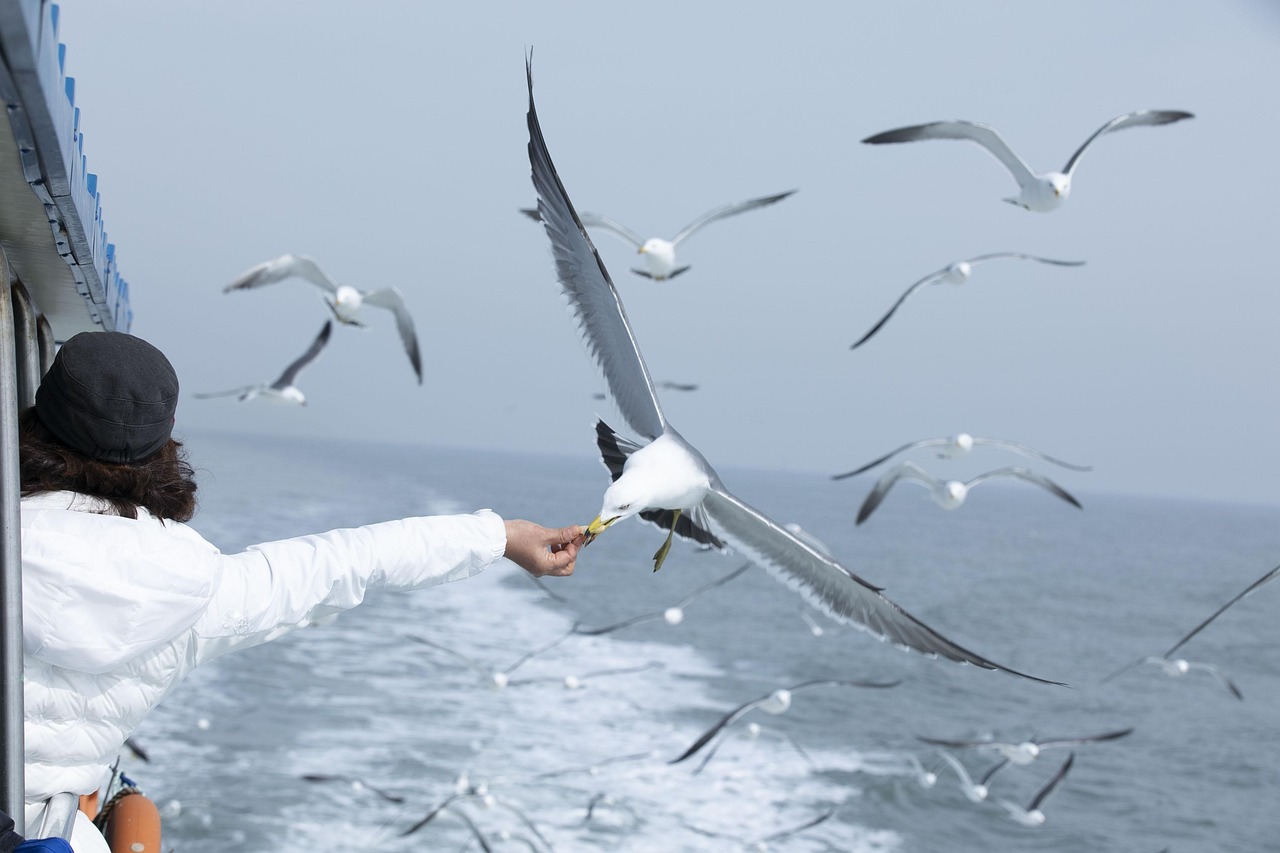
7. Don’t feed the seagulls
Toss a fry and suddenly you’re the star of The Birds 2. They’ll swoop onto your cruise ship balcony furniture and leave behind more than just memories.

Image by <a href="https://pixabay.com/users/jeejong58-9695293/?utm_source=link-attribution&utm_medium=referral&utm_campaign=image&utm_content=4795739">종덕 지</a> from <a href="https://pixabay.com//?utm_source=link-attribution&utm_medium=referral&utm_campaign=image&utm_content=4795739">Pixabay</a>

8. Don’t dry laundry outside
Balconies aren’t laundromats. Some cruisers even try rigging a washing line for cruise ship balcony cabins — but the wind will send your socks flying and your underwear onto someone else’s deck. Classy.

9. Don’t get too romantic
Yes, it happens. Just remember: reflective glass, neighbors leaning out, and cameras mean your “balcony moment” could quickly become another cruise ship balcony viral video.

10.Don’t climb or sit on the railing
This one’s deadly serious. Those “falling off cruise ship balcony” stories you’ve seen? Often it starts with someone perching where they shouldn’t. One slip is all it takes.

So there you have it — ten balcony blunders that can turn you from “cruise neighbor of the year” into “the one everyone gossips about at dinner.” Keep it classy, keep it safe, and your balcony will stay the peaceful little escape it’s meant to be. 🌊🍹

Want more cruise-smart tips?

Check out our cruise-tips and cruise gear pages to pack smarter, sail happier, and avoid rookie mistakes.

Explore Cruise Tips

Get Your FREE Cruise Packing List

Pack like a pro! Subscribe and we’ll send you our printable cruise packing checklist plus handy cruise tips.

No spam, no inbox overload — just useful cruise inspiration.

Anchors aweigh! You’re officially part of the Escapaders crew 🎉