First Cruise Tips: A Calm Guide to What Actually Matters (and What Doesn’t)

First Cruise Tips: A Calm Guide to What Actually Matters (and What Doesn’t)

A Simple First-Time Cruise Guide (How to Think About Your First Cruise)

If this is your first cruise, it’s completely normal to feel a mix of excitement and quiet panic.

There’s a lot of advice out there — what to pack, what to book, what not to miss — and much of it makes cruising sound like a race. Do this. Book that. Don’t mess it up.

We know, because that’s exactly how we approached our first few cruises.

We tried to do everything. Every excursion. Every port. Every “must-see”. It was fun — but it was also exhausting, expensive, and surprisingly stressful. Somewhere along the way, we realised that the best cruises aren’t about doing more… they’re about doing what actually feels right for you.

This guide is here to help with exactly that.

If this is your first visit to High Seas Escapades, this page is your starting point. From here, you can explore cruise planning, destinations, onboard life and the practical details that make everything feel easier.

These first cruise tips focus on what truly matters, what doesn’t deserve your energy, and how to feel relaxed and well-prepared — without rushing, overplanning, or feeling pressure to do it all. There’s no single “right” way to cruise, and you don’t need to copy anyone else’s version of the perfect trip.

You just need a few calm decisions — and that’s what we’ll walk through here.

How to Use This Page

Think of this guide as your foundation.

Once you understand what actually matters (and what doesn’t), you can explore the rest of the site with confidence:

  • Cruise Planning – for choosing itineraries and organising calmly

  • Destinations – for detailed port guides

  • Onboard Life – for what daily life at sea really feels like

  • Cruise Gear – for practical items that genuinely help

You don’t need to read everything at once. Start where you feel most unsure.
What to Know Before Your First Cruise

Before getting into practical details, it helps to reset expectations.

A cruise isn’t a checklist. It’s a floating holiday with options — not obligations. If you’re wondering what life onboard actually feels like day to day, we’ve explored that in more detail here.

First-time cruisers often assume they need to:

  • Leave the ship at every port

  • Book excursions in advance “just in case”

  • Fill every sea day with activities

  • Keep up with whatever everyone else seems to be doing

In reality, experienced cruisers know something important: you can shape your cruise around your own energy, interests, and pace — and it will still be a great cruise.

Some people are in the gym at 6am. Others are still up dancing at midnight. Some love guided excursions; others are happiest with a slow walk, a coffee, and a wander back to the ship. None of these choices are better than the others.

A good first-time cruise guide isn’t about telling you what to do — it’s about helping you decide what you don’t need to worry about.

As you read on, keep this in mind:

  • You don’t need to do everything

  • You won’t ruin your cruise by skipping things

  • Feeling relaxed is not “doing it wrong”

Once that pressure is gone, the practical advice becomes much easier to absorb — and far more useful. If you prefer a simple, phased approach to organising everything without overwhelm, we’ve laid that out in this article

What to Expect on Your First Cruise

One of the biggest sources of first-cruise nerves is simply not knowing what day-to-day life onboard is actually like.

Cruise ships can look busy online, but in reality, they’re designed to let you dip in and out as much as you like. You’re never required to do anything — and no one is keeping score.

Here’s what most first-time cruisers are pleasantly surprised by.

First, cruises quickly find a rhythm. After embarkation day, things tend to settle into a gentle pattern: breakfast when you feel like it, time ashore or onboard during the day, dinner in the evening, and entertainment if — and only if — it appeals. You don’t need to plan every hour for the cruise to feel full and enjoyable.

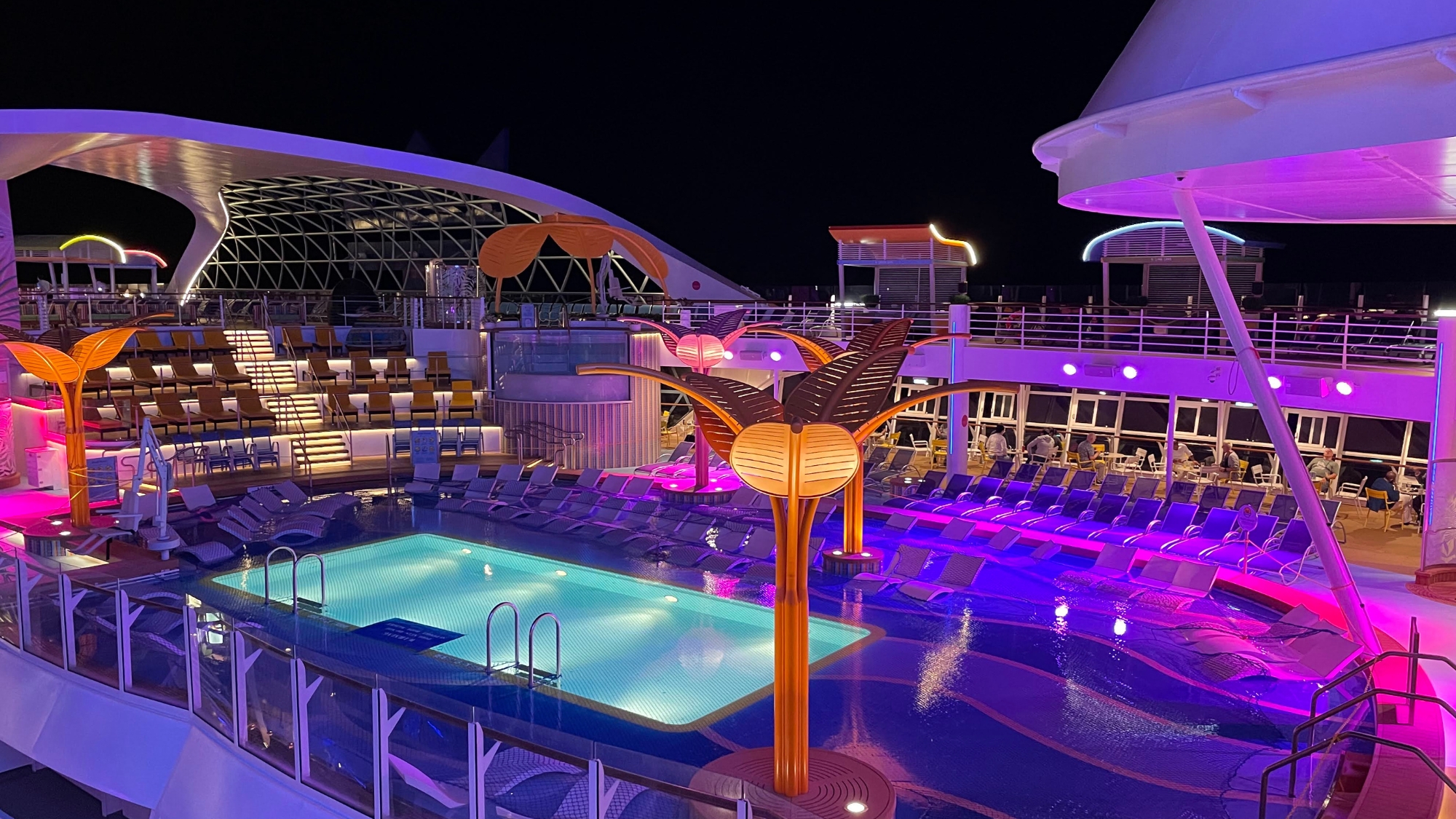
Second, there’s far more space and choice than you might expect. Even on larger ships, there are always quieter areas away from the main pools and attractions. Some moments feel lively and social; others are calm and almost peaceful. You’ll naturally gravitate towards what suits you.

You’ll also notice that everyone cruises differently. Some guests love organised activities and full schedules. Others are happiest with a book, a lounger, and a sea view. Many do a bit of both. All of it is normal — and all of it “counts” as cruising.

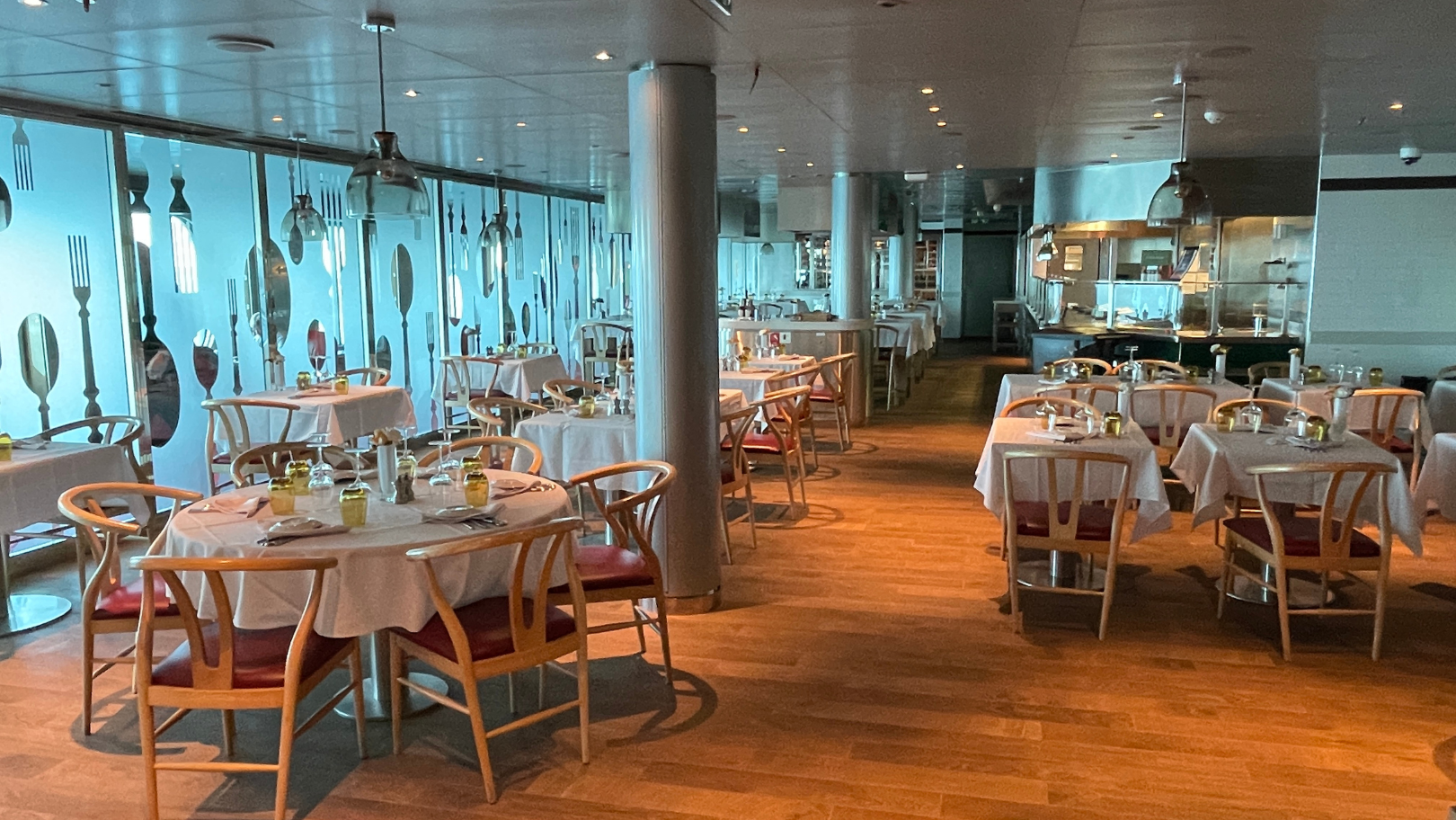
Meals are another pleasant adjustment. You won’t be rushed, and you won’t be stuck eating at the same time or place every day unless you want to be. Whether you prefer relaxed buffets, quieter dining rooms, or something in between, there’s flexibility built in.

Perhaps most importantly, it’s very hard to “get it wrong” on a cruise. Missing a show, skipping an activity, or choosing to stay onboard during a port day doesn’t take anything away from the experience. In fact, many experienced cruisers would tell you that those quieter moments often become the most memorable.

If there’s one thing to expect on your first cruise, it’s this: once you stop trying to keep up with everything, the holiday starts to feel surprisingly easy.

And that’s when cruising really begins to make sense.

Common First Cruise Mistakes (and Why They’re Not a Disaster)

Almost every experienced cruiser has a story that starts with, “On our first cruise, we…”.

That’s because first cruises are, by nature, a learning experience. Trying something, realising it wasn’t quite right for you, and adjusting next time is part of the process — not a failure.

Here are a few common first cruise “mistakes” we see again and again, and why none of them are worth stressing about.

One of the biggest is trying to do too much. It’s tempting to book every excursion, attend every show, and fill every sea day with activities. While that can be fun, it often leaves people feeling tired rather than refreshed. Many cruisers discover, sometimes mid-cruise, that slowing down actually makes the experience better — not worse.

Another common worry is overpacking. First-time cruisers often bring far more than they need, “just in case” (even after 50 cruises we are still a little guilty in this department). The reality is that ships are well-equipped, cabins are comfortable, and you can happily repeat outfits or dress more casually than expected. Forgetting something small rarely affects the holiday in any meaningful way.

Some people also worry about missing out — skipping a port, missing a show, or choosing a quiet afternoon onboard instead of heading ashore. In practice, these moments often become highlights. Staying onboard while others disembark can mean peaceful decks, empty lounges, and time to properly relax.

There’s also a tendency to compare your cruise to other people’s. Maybe someone else seems busier, more organised, or more adventurous. But cruising isn’t a competition. The best cruise is the one that fits you, not the one that looks busiest on paper.

The most important thing to remember is this: there’s no such thing as a perfect first cruise. There’s only your cruise.

First Cruise Tips That Actually Make a Difference

By this point, the aim isn’t to add more to your to-do list — it’s to make a few simple choices that genuinely improve how your cruise feels.

These first cruise tips aren’t about doing more. They’re about removing friction and giving yourself space to enjoy the experience.

Give yourself permission to go slowly

You don’t need to be everywhere, early, every day. Cruises reward a slower pace. Sleeping in, lingering over breakfast, or spending an afternoon doing very little isn’t wasted time — it’s often when the holiday starts to feel like a holiday.

Keep embarkation day simple

Embarkation can feel hectic, but it doesn’t need to be stressful. Aim to arrive prepared, not rushed. A small carry-on with essentials, patience with queues, and realistic expectations go a long way. Once you’re onboard, the pace settles surprisingly quickly.

Treat sea days as a feature, not a gap

Sea days aren’t “days with nothing to do” — they’re days where you don’t have to be anywhere. Use them to explore the ship, find a quiet spot you enjoy, or simply rest. Many cruisers later realise their favourite days were the ones spent entirely at sea.

Choose comfort over perfection

You don’t need a new outfit for every evening, the busiest restaurant every night, or the most talked-about activity on the schedule. Comfortable shoes, familiar routines, and doing what feels enjoyable will always beat trying to optimise every moment.

Be selective with spending

Not everything onboard or ashore is essential. Some extras add real value; others are easy to skip without missing out. If something doesn’t excite you, it’s probably not worth paying for — and that’s okay.

Remember that flexibility is built in

Cruises are designed to adapt. Weather changes, plans shift, and that’s all part of the experience. A flexible mindset makes everything feel easier, especially on a first cruise.

If there’s one takeaway from all of this, it’s simple:
you don’t need to master cruising on your first trip. You just need to enjoy it.

Everything else comes naturally.
You Don’t Have to Do Everything to Have a Great Cruise

By the end of a first cruise, most people realise something they couldn’t quite believe beforehand: the moments they enjoyed most weren’t always the ones they planned in advance.

Cruising works best when you allow yourself to choose rest over rush, enjoyment over obligation, and curiosity over comparison. The ship, the ports, and the experience itself are designed to meet you where you are — not to be conquered or completed.

Some days you’ll feel like exploring. Other days you’ll want to stay onboard, find a quiet spot, and watch the sea go by. Both are valid. Both are part of cruising.

You don’t have to do everything to have a great cruise.
You just have to do what feels right for you.

If you step off the ship feeling relaxed, confident, and already thinking about the next time you’d like to sail, then your first cruise has done exactly what it was meant to do.

20 Things to Do a Week Before Your Cruise

20 Things to Do a Week Before Your Cruise

The countdown is on—you’re just one week away from sail away! 🛳️ That magical time when you can almost hear the steel drum band and taste the piña coladas. But before you swap your alarm clock for a wake-up call from the ocean, there are a few things to check off the list.

Here’s our 20-step cruise countdown checklist—part practical, part playful—to make sure you board stress-free and ready for adventure.

1. ✅ Get Your Travel Docs in Order

Passports, visas, boarding passes, cruise luggage tags—double-check them now. Take photos of everything too, because phones are harder to lose than paper.

2. 📲 Complete Online Check-In

Most cruise lines require you to upload a photo, enter travel details, and pick an arrival slot. Do it now to avoid the dreaded “last-minute scramble.”

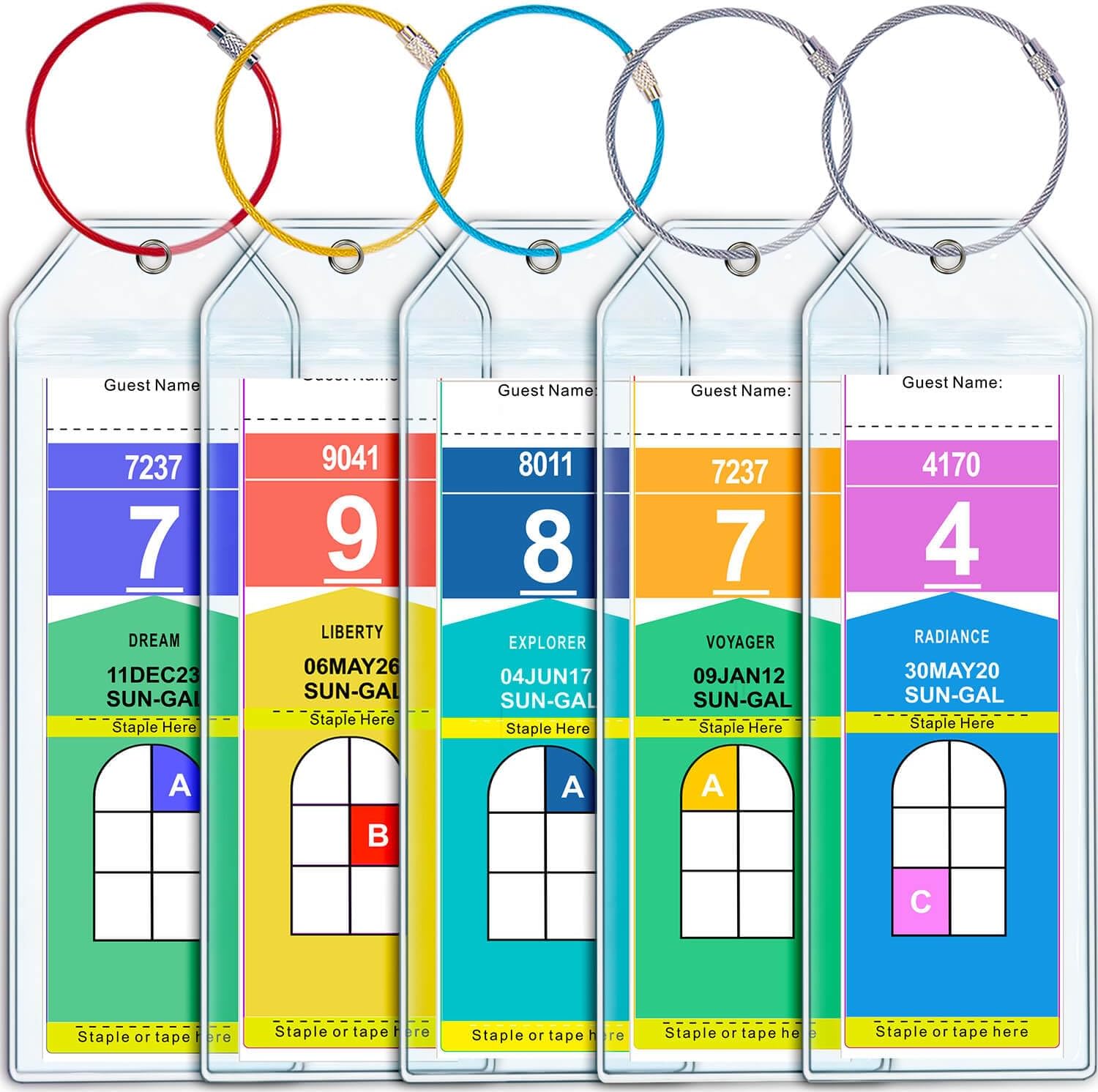
3. 🧳 Print & Prep Your Luggage Tags

Skip the tape-and-hope method—grab some cruise luggage tag holders (we use these and never look back). They’re reusable, waterproof, and save you from soggy paper tags.

Cruise-Safe USB Power Strip

Cruise Luggage Tag Holders

Check Price on Amazon

4. 💸 Book Onboard Deals Before Prices Rise

Wi-Fi packages, drinks bundles, spa days, excursions—they’re cheaper pre-cruise. You’ll thank yourself later when you’re sipping cocktails instead of queueing at Guest Services.

5. 🍽️ Lock in Specialty Dining Reservations

Dreaming of that steakhouse or sushi night? Book it now. Even if the ideal time isn’t available, the maître d’ can often shuffle things once you’re on board.

6. 📂 Organize Your Travel Reservations

Flights, hotels, transfers, insurance… print them, screenshot them, save them offline. Tech gremlins love striking right when you need a QR code.

7. 👗 Start Packing Smart

Get the essentials out: swimwear, formalwear, flip-flops, sunscreen, meds, chargers. Packing cubes like these ones keep everything neat and make unpacking at sea a breeze.

9. 💊 Sort Medications & First Aid

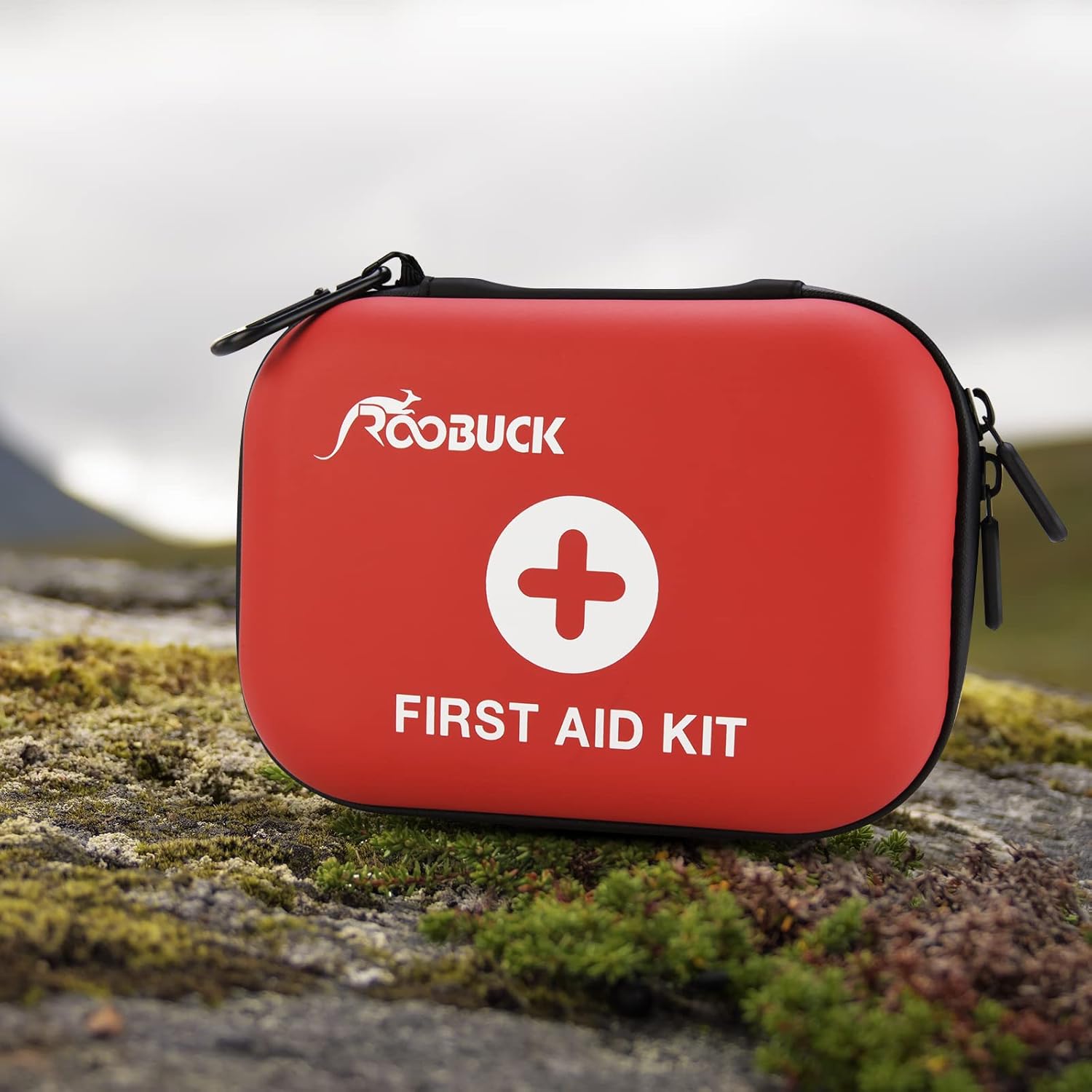
Bring enough prescriptions plus a few days extra. Toss in a compact travel first aid kit like this one—it’s cheaper than a trip to the ship’s doctor.

Cruise-Safe USB Power Strip

Travel First Aid Kit

Check Price on Amazon

10. 🔋 Prep Your Tech

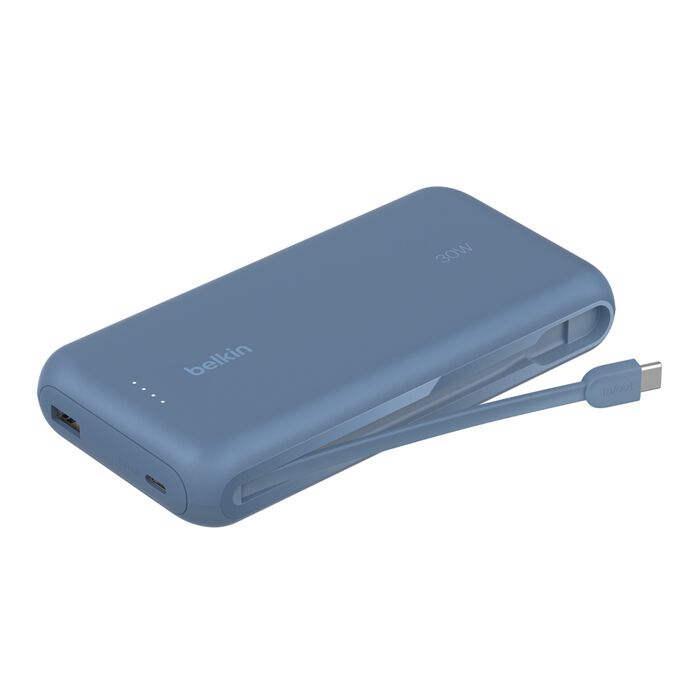
Charge your power banks, load up your Kindle or iPad with beach reads, and pack spare cables. A portable charger like this model is a lifesaver on long port days.

Cruise-Safe USB Power Strip

Belkin Power Bank 20K

Check Price at Belkin

11. 💳 Notify Your Bank

Save yourself from the embarrassment of a declined card when buying a bucket of beers in Cozumel. Tell your bank you’re traveling.

12. 💵 Grab Some Small Bills

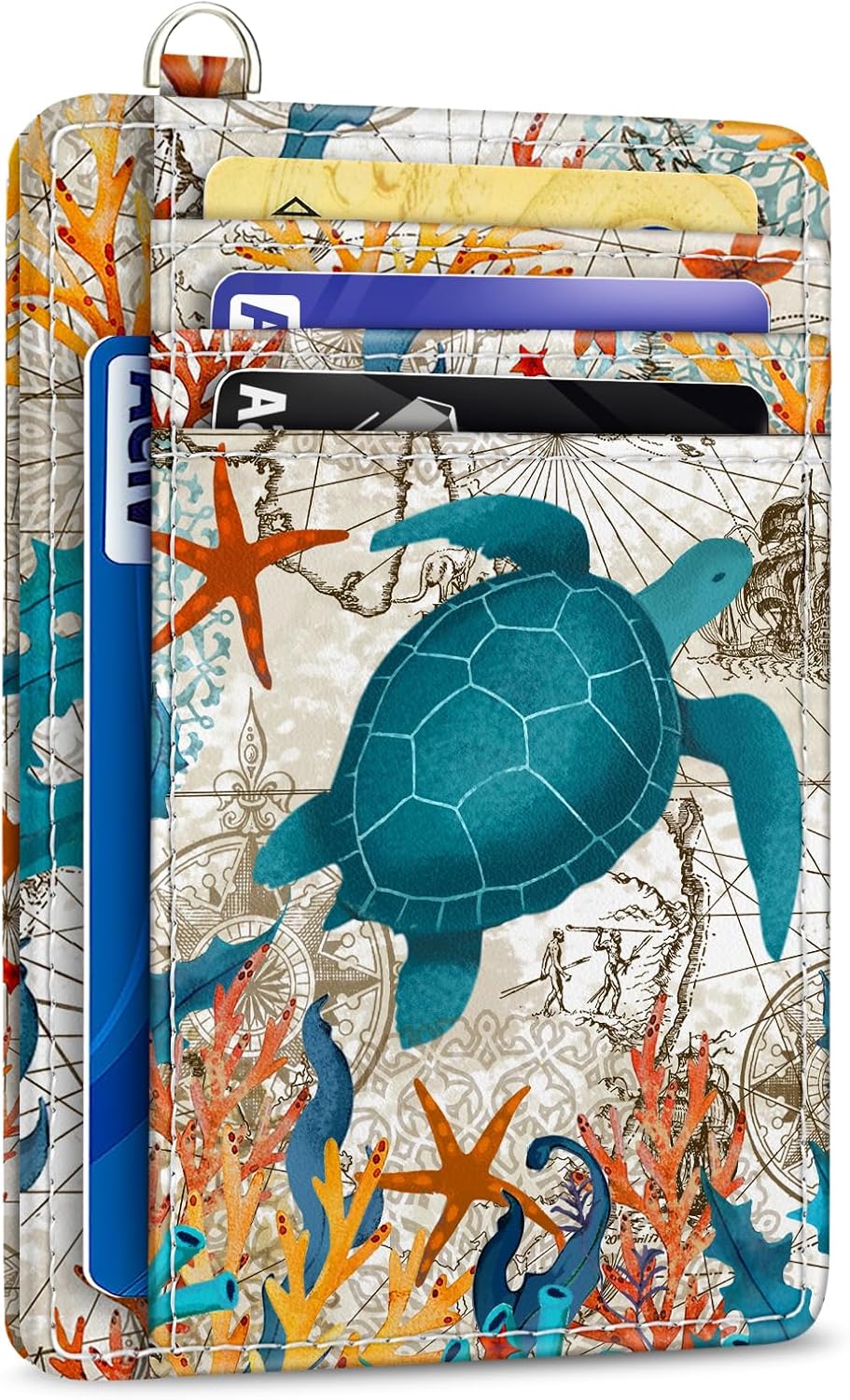
On port days, small notes are gold for taxis, tips, and snacks. We stash a mix of $1s, $5s, and $10s in a slim RFID-blocking travel wallet like this.

Cruise-Safe USB Power Strip

Travel First Aid Kit

Check Price on Amazon

13. 🚖 Confirm Transfers & Parking

Whether you’re flying in, driving, or catching a shuttle, lock in your transport to the port. Don’t leave it to chance—embarkation day traffic is chaos.

14. 📞 Share Itinerary with an Emergency Contact

Give a trusted friend or family member your cruise details. Hopefully they’ll never need it, but it’s peace of mind.

15. 📜 Review Cruise Line Rules

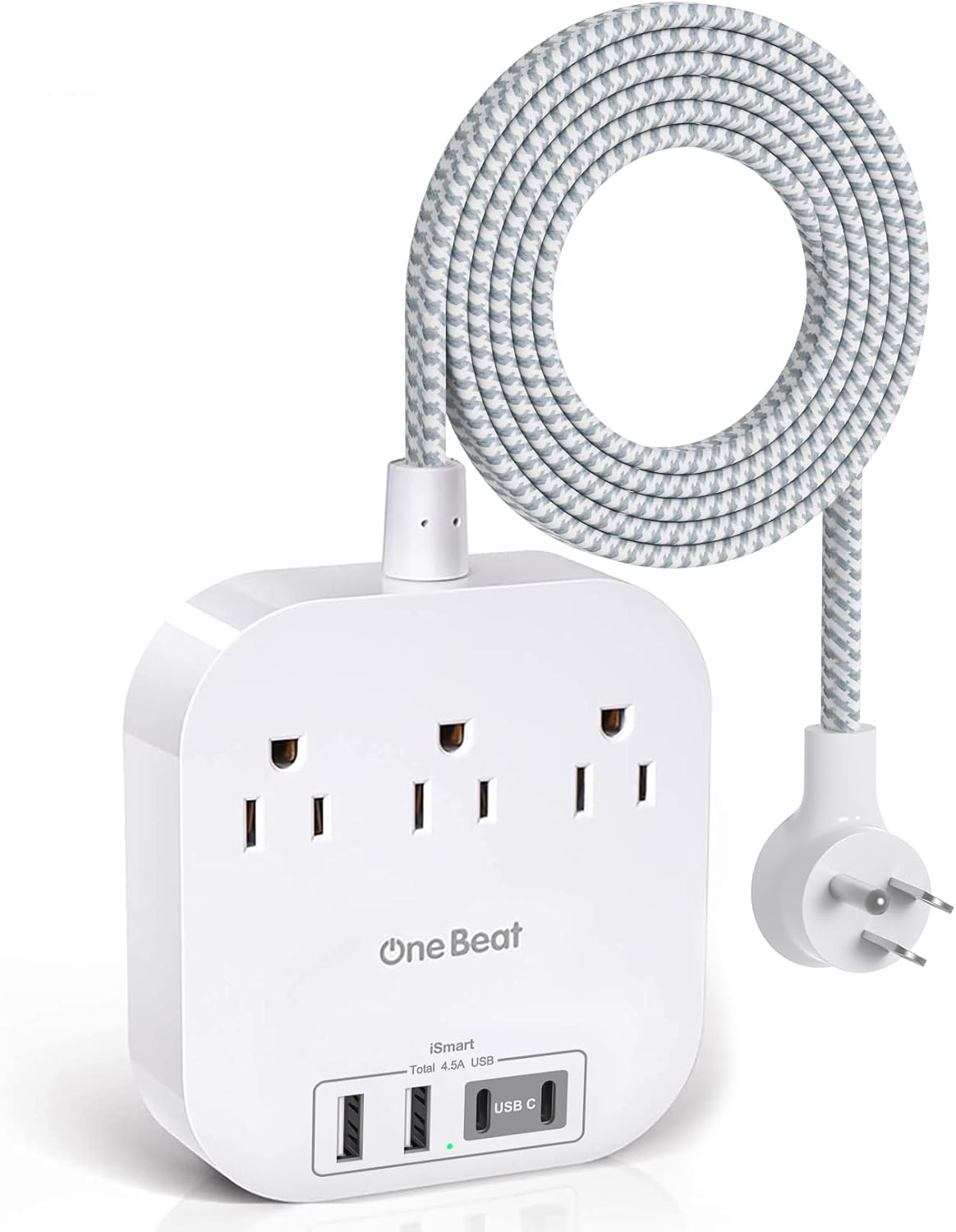
Every line has quirks: no irons, no surge-protected power strips. Instead, pack a non-surge power strip with USB ports like this one—cruise-approved and super handy.

Cruise-Safe USB Power Strip

One Beat Power Strip

Check Price on Amazon

16. 🗺️ Review Your Itinerary & Excursions

Got tours booked? Saved offline maps? A little prep now means less FOMO later. Consider downloading maps to your phone with a local SIM or eSIM card to stay connected affordably.

17. 🏡 Prep Your Home

Clear the fridge, empty bins, sort laundry. Coming home to “science experiments” in the fridge is not the souvenir you want.

18. 🐾 Confirm Pet & Plant Care

Double-check sitters, hand over keys, leave instructions. Pets and plants don’t do well on self-catering.

19. 💅 Last-Minute Pamper

Haircut, nails, waxing—whatever makes you feel cruise-ready. Because embarkation photos live forever (and your hairdresser won’t be onboard).

20. 🎒 Pack Your Embarkation Day Bag

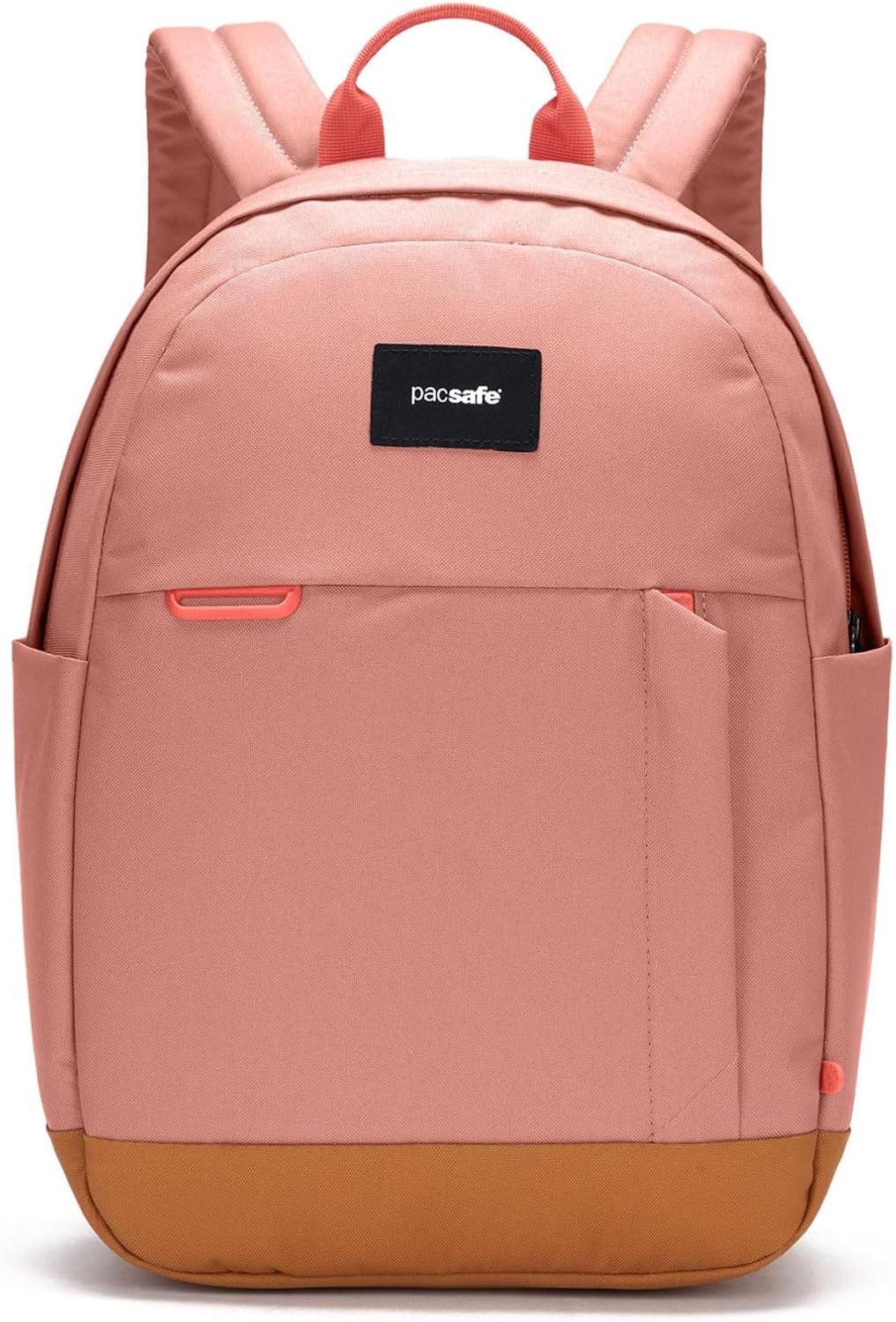
Keep must-haves in a carry-on: travel docs, meds, valuables, sunscreen, swimsuit, and charger. We recommend a lightweight daypack or anti-theft backpack like this one that’s comfy for ports too.

Cruise-Safe USB Power Strip

Pacsafe GO 15L Anti Theft Backpack

Check Price on Amazon

Bonus “Don’t Forget” Reminders ✨

  • Put your mail on hold (or bribe a neighbor).

  • Set your out-of-office reply (or don’t, and really escape).

  • Toss a frozen meal in the freezer for your return (because who wants to cook post-cruise?).

Final Thoughts

That final week before your cruise can feel like a mix of Christmas Eve and exam prep—exciting but a little overwhelming. With this checklist (and a few handy gadgets), you’ll board relaxed, cocktail in hand, ready to make the most of your voyage.

Happy cruising, Escapaders! 🛳️🌴

Cruise Travel Insurance

Cruise Travel Insurance

Cruise Travel Insurance Guide (2025): What to Cover & How to Compare Plans

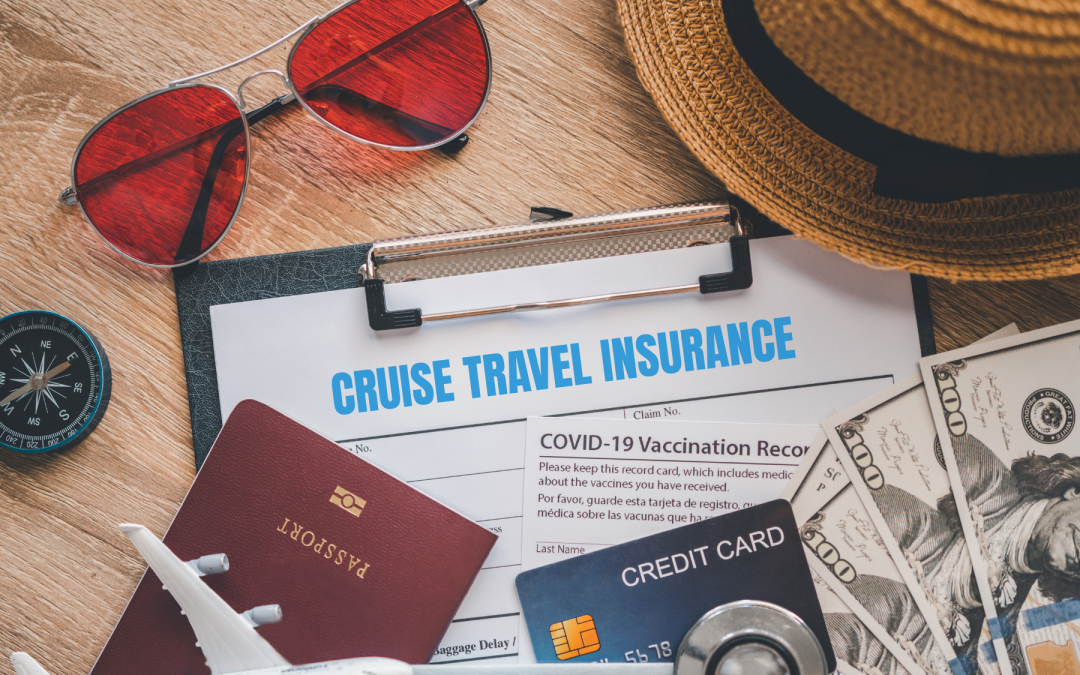
Here’s something a lot of folks don’t realize: standard travel insurance usually doesn’t cover cruises. Yep, you read that right. If you’re heading out on the high seas, you’ll need cruise-specific insurance to keep you covered.

So, what exactly is cruise insurance? It’s a special type of travel insurance designed specifically for all the fun (and occasional mishaps) that come with cruising. Think onboard accidents, missed ports, or even extended stays if something goes sideways. Most regular travel insurance plans don’t account for the unique aspects of a cruise vacation, so be sure to add the cruise option when you’re buying your policy—it’s not automatically included!

Why You Need Cruise Travel Insurance (and What It Actually Covers)

Not all cruise insurance policies are created equal. That’s why we like Cover For You — they’re an award-winning provider (Forbes “Best Travel Insurance” 2022, Moneyfacts Best Claims Service 2020) and offer comprehensive cover designed for cruise travellers.

Here’s the lowdown on what cruise insurance usually takes care of:

Cabin Confinement
If you get sick onboard, the ship’s medical team might make you stay in your cabin to prevent spreading germs. If that happens, cruise insurance typically compensates you for every day you’re stuck inside.

Missed Excursions
Pre-booked that once-in-a-lifetime snorkeling trip, but got sidelined by an illness? Most cruise insurance plans will refund you for excursions you can’t use because you were confined to your cabin.

Itinerary Changes
Weather, technical issues, or other unexpected problems can force the cruise line to switch up the itinerary. If you miss out on a big chunk of your planned stops, you could be eligible for compensation from the cruise operator.

Missed Port Departure
Running late and missed your ship? Cruise insurance can save the day by covering the cost of catching up with your cruise at the next port. This might be due to:

  • Public transport delays
  • Car trouble or accidents
  • Bad weather or strikes

Cancellation or Cutting the Cruise Short
Cruises aren’t cheap, and they’re often booked months (or even years) in advance. Cruise insurance can cover you if you have to cancel last minute or head home early for an unexpected reason.

Cruise Interruption
Need hospital care during your trip? Cruise insurance helps cover medical expenses and even the cost of rejoining your cruise if you can.

Medical Expenses
If you get sick or injured on board, this part of the policy covers doctor visits, hospital stays, and even emergency airlifts back home if needed. Some plans also cover accommodation for your travel companions while you recover.

Baggage and Belongings
Lost, delayed, or stolen luggage? Most cruise insurance policies cover that too. Just check the limits of your plan to see how much you’re entitled to.

Travel Money
Lost or stolen cash? Cruise insurance often has your back, though the claim limits will vary depending on the policy.

Cover For You - Why do we recommend them?

  • Award-Winning Travel Insurance — Recognised by Forbes and Moneyfacts.

  • Trusted by Millions — Over 10 million people insured.

  • Loyalty Rewards — Their club members always pay less, with perks like a free travel app.

  • Direct Benefits — No excess on any policy, plus Defaqto 5-star rated.


Scan here to get a Cover For You cruise insurance quote or simply click this link

Top 3 Tips When Purchasing Cruise Travel Insurance

Friendly Disclaimer: We’re not insurance experts. The tips below are based on general guidance to help you know what to look for. Always double-check the details with a licensed provider before buying a policy.

Before picking your cruise travel insurance policy, bear the following three top tips in mind:

Check cabin confinement daily amounts
If you can’t leave your cabin you could be able to get £15–£1,000 ($20–$1,250) a day. Some providers cover the cost of missed excursions too.

Find the right cancellation refund
Make sure you choose a policy that covers the cost of your cruise, as payouts can range from £250–£25,000 ($320–$31,000).

Choose the right cover limits
To cover all eventualities, we recommend the minimum amount of medical cover you should choose is £1m ($1.25m) to £2m ($2.5m).

Comparing Cruise Insurance Plans

Picking the right cruise insurance can feel a bit like staring at a buffet where everything looks the same. Sure, most policies will cover cancellation, medical emergencies, and trip interruption — but the devil’s in the details. Here are six things worth checking before you buy:

  • Primary vs. Secondary Coverage
    If you get sick onboard and need treatment, primary coverage means the insurer pays out directly. Secondary coverage makes you claim elsewhere first, then come back for the leftovers. Less hassle = primary, but secondary can be cheaper if you’re already covered elsewhere.
  • Maximum Trip Cost
    Cruises aren’t exactly budget breaks. If you’ve splashed out on a luxury voyage or are booking for the whole family, make sure the policy covers your full non-refundable costs. Some only go up to £8,000–£10,000, while others stretch to six figures.
  • Right-Sized Benefit Limits
    Bigger isn’t always better. A £10m evacuation limit sounds impressive, but do you really need that if you’re cruising the Med and never straying far from hospitals? Choose limits that make sense for your itinerary.
  • Covered Reasons
    Always read the fine print. “Family illness” might not mean the same across policies — some include grandparents, stepchildren, or even pets (yes, Fido might be covered). Know what counts before you rely on it.
  • Niche Perks
    Look out for extras that suit your style of travel. Some plans cover rental car damage, sports kit hire if your golf clubs go missing, or even kennel costs if your return is delayed. These little touches can make a big difference.
  • Company Reputation
    Last but not least, who’s actually insuring you? Check if they’re well-reviewed, pay claims quickly, and handle customer service in-house. The fanciest benefits won’t matter if you’re stuck in a claims queue for months.

Cruise Insurance Bottom Line

Cruise insurance might feel like just another thing to add to your pre-trip to-do list, but it’s worth it for the peace of mind. So, before you set sail, make sure you’ve got the right cover for your adventure—you’ll be glad you did!

Tips for Your Alaskan Cruise Vacation

Tips for Your Alaskan Cruise Vacation

Exploring the Majestic Frontier

Packing for an Alaskan cruise can be a daunting task due to the region’s diverse and often unpredictable weather conditions. Preparing for a range of activities and temperatures is crucial to enjoying your journey comfortably.

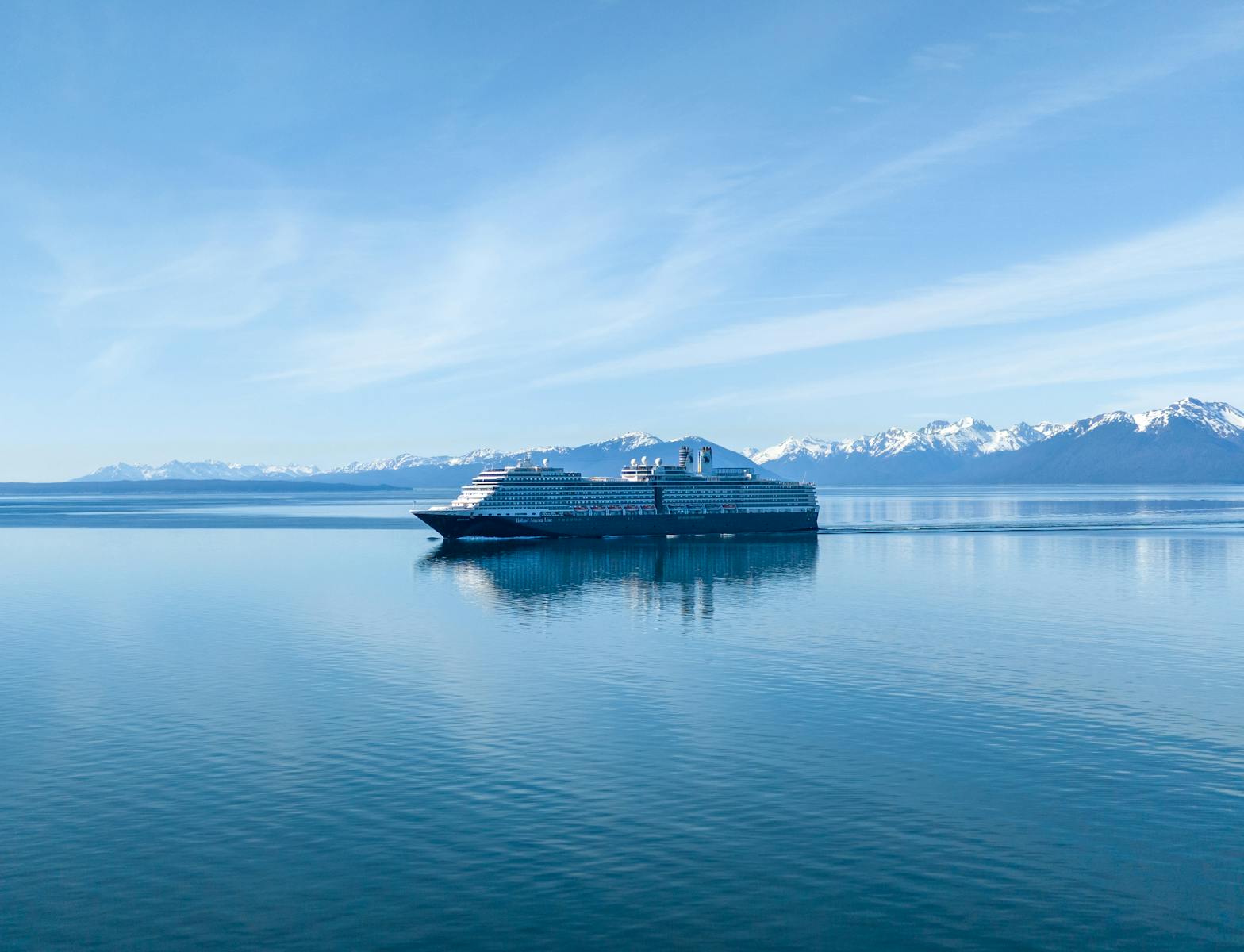
A cruise ship sails through serene waters with snowcapped mountains in the background in Hoonah, Alaska.

Dress in Layers

The Alaskan climate can shift dramatically, with temperatures varying significantly from dawn to dusk and between different cruise stops. Dressing in layers is crucial for adapting to these changes. Begin with a moisture-wicking base layer to keep sweat at bay. Add a warm fleece or sweater for insulation against the cold, and top it off with a waterproof and windproof jacket to fend off rain and chilly winds. This layered approach allows you to easily adjust your outfit as the weather changes throughout the day.

Essential Accessories

Accessories play a pivotal role in ensuring your comfort during your Alaskan cruise. A warm hat, gloves, and a scarf are indispensable during cold excursions, especially when visiting glaciers or engaging in outdoor activities. Sunglasses and sunscreen are also vital, as the sun’s reflection off the water and ice can be surprisingly intense, posing a risk of sunburn even in cooler climates. A sturdy backpack can help carry these essentials, keeping your hands free for capturing photos or handling binoculars.

Choosing the Right Footwear

Footwear is another critical consideration when packing for your Alaskan adventure. Comfortable, waterproof shoes are a necessity, as you’ll likely be exploring wet and uneven terrains. Opt for a sturdy pair of hiking boots for outdoor excursions, as they offer the support and protection needed for navigating trails or rocky shores. For onboard activities, a pair of comfortable casual shoes or sneakers will suffice, providing the flexibility and comfort you’ll need while exploring the cruise ship.

Optics for Wildlife and Scenery

Alaska’s wildlife and landscapes offer incredible opportunities for photography and observation. Binoculars are essential for whale watching, bird spotting, and viewing distant wildlife such as bears or moose. A high-quality camera with a zoom lens is ideal for capturing the stunning landscapes and unique moments you’ll encounter. Consider packing extra memory cards and batteries to ensure you’re always prepared to capture the perfect shot, whether it’s a breaching whale or a stunning sunset over the glaciers.


Exploring the Inside Passage

The Inside Passage is one of the most popular routes for Alaskan cruises, renowned for its breathtaking scenery and rich array of natural wonders. This area is a treasure trove of fjords, glaciers, and abundant wildlife, offering a captivating experience for all who venture through it.

Iconic Natural Landmarks

Cruising through the Inside Passage presents numerous opportunities to witness nature’s grandeur. Tracy Arm Fjord is a must-see, where you can marvel at the majestic Sawyer Glacier and its brilliant blue ice. The charming towns of Ketchikan, Juneau, and Skagway are also worth a visit. Each town offers a unique blend of cultural experiences and historical insights, from indigenous art to Gold Rush history, providing a glimpse into the rich tapestry of Alaskan life.

Wildlife Watching Opportunities

The Inside Passage is a haven for wildlife enthusiasts, with its waters and skies teeming with life. Keep your eyes peeled for humpback whales breaching the surface, orcas cutting through the waves, and sea lions basking on rocky shores. Bald eagles are also a common sight, soaring gracefully overhead. Joining a guided wildlife excursion can greatly enhance your experience, offering expert insights and leading you to the best vantage points for observing these magnificent creatures in their natural habitat.

Cultural and Historical Insights

Beyond its natural beauty, the Inside Passage is steeped in cultural and historical significance. Exploring the local towns and engaging with the community can provide a deeper understanding of Alaska’s heritage. Visit museums and cultural centers to learn about the indigenous peoples and their traditions, or take part in local festivals and events to experience the vibrant culture firsthand. Understanding the history and culture of the region adds a layer of appreciation to your cruise journey.

Glacier Lake

    Tips for a Smooth Cruise Experience

    Ensuring a smooth cruise experience requires careful planning and consideration of several factors, from choosing the right accommodations to making the most of onboard activities.

    Selecting the Ideal Cabin

    Choosing the right cabin is crucial to your overall cruise experience. If you’re prone to seasickness, a midship cabin on a lower deck is advisable, as it minimizes motion. For those seeking stunning views, investing in a balcony cabin is worthwhile, offering private vistas of Alaska’s breathtaking landscapes. Consider your priorities and budget when selecting a cabin to ensure a comfortable and enjoyable stay.

    Planning Excursions Wisely

    Alaska offers a wide range of excursions, each providing unique experiences and adventures. From dog sledding on a glacier to helicopter tours and wildlife safaris, the options are vast. Popular excursions fill up quickly, so booking in advance is essential to secure your spot. Research the available excursions and choose those that align with your interests, ensuring you make the most of your time in Alaska.

    Making the Most of Onboard Activities

    Cruise ships to Alaska are equipped with a plethora of amenities and activities, designed to enrich your journey. Attend educational lectures about Alaskan culture and wildlife to deepen your understanding of the region. Indulge in the onboard spa for some relaxation, or participate in evening entertainment such as shows and live music. These activities provide a perfect balance of relaxation and enrichment, enhancing your cruise experience.


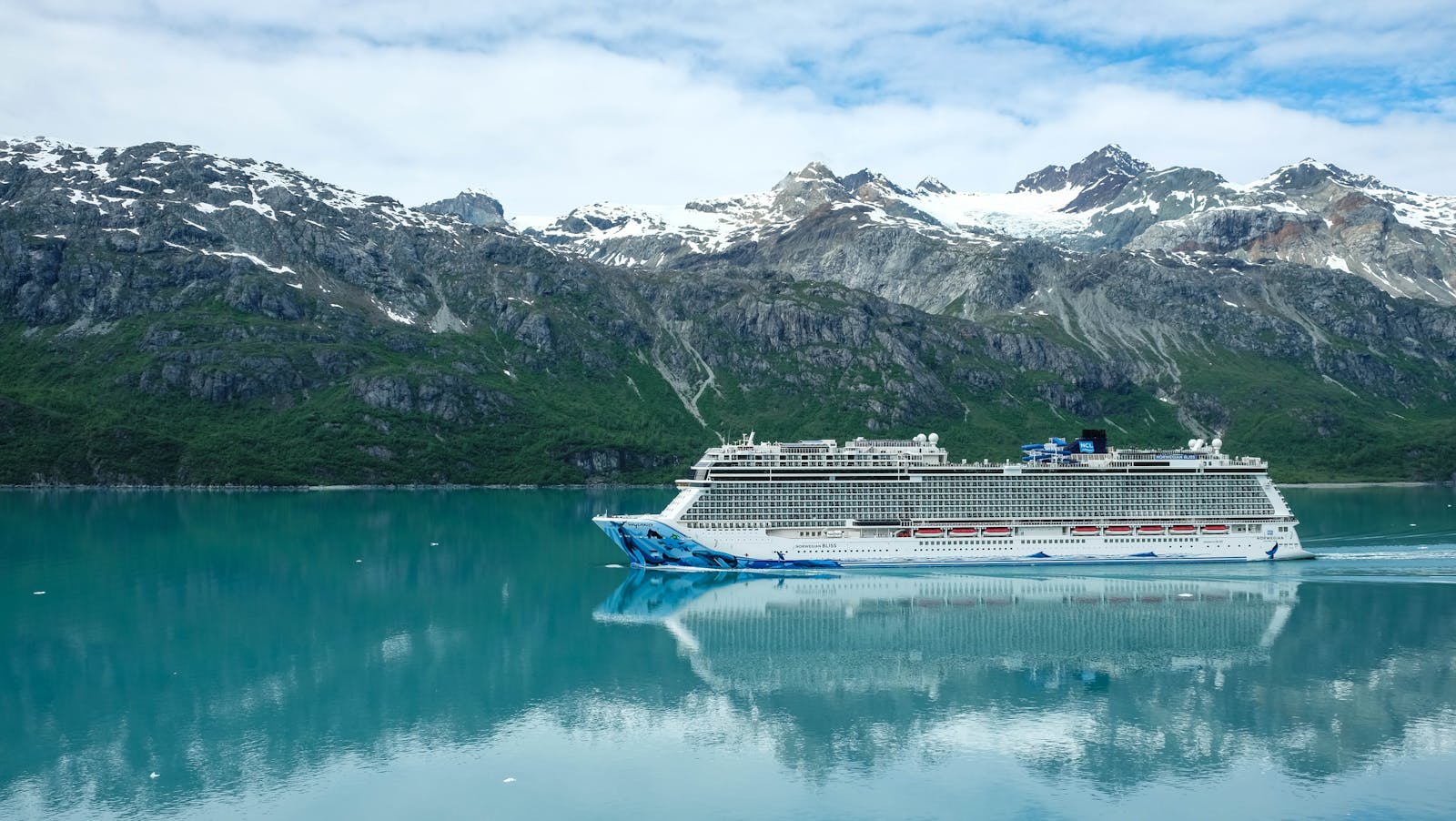
    A majestic cruise ship sailing through clear waters with snowy mountains as a backdrop.

    Best Alaska Cruises and Departure Points

    Choosing the right cruise and departure point can significantly impact your Alaskan adventure, with each option offering unique itineraries and experiences.

    Departing from Vancouver

    Vancouver is a popular departure point for Alaskan cruises, offering breathtaking views as you sail out of the city. Cruises from Vancouver typically travel through the Inside Passage, providing a scenic start to your Alaskan adventure. Take some time to explore the city itself, with its vibrant food scene and stunning natural parks, making it a worthwhile stopover before embarking on your cruise.

    Selecting the Perfect Cruise Line

    When choosing a cruise line, consider your preferences and budget. Some cruise lines focus on luxury and fine dining, offering a more upscale experience, while others cater to families with a range of activities for children. Research the amenities and itineraries offered by each cruise line to find the best fit for your vacation needs, ensuring a cruise that matches your expectations.

    Timing Your Cruise: Peak vs. Off-Peak

    Alaska’s peak cruise season runs from May to September, with July and August being the warmest months. Traveling during peak season offers the best chance for good weather and wildlife sightings but can also mean higher prices and larger crowds. Alternatively, consider traveling during the off-peak months like May or September, which can offer a more serene experience with fewer tourists and potential savings on cruise fares.

    Vancouver Cruise Port

    Preparing for Your Alaskan Adventure

    Preparation is key to ensuring a seamless and enjoyable Alaskan cruise, from understanding the local culture to ensuring you’re adequately covered with travel insurance.

    Understanding Alaskan Culture

    Before embarking on your cruise, take time to learn about the rich culture and history of Alaska. Understanding the traditions and lifestyle of the indigenous peoples can enhance your travel experience, providing context and appreciation for the places you’ll visit. Look for museums or cultural centers in port towns to deepen your knowledge and connect with the local community.

    Staying Connected on Your Cruise

    While cruising, internet connectivity can be limited and expensive. If staying connected is important, check your cruise line’s internet packages in advance to find the best option for your needs. Alternatively, use your time onshore to find local Wi-Fi hotspots, allowing you to stay in touch with loved ones and share your experiences without incurring high costs.

    Ensuring Travel Insurance Coverage

    Travel insurance is crucial for any cruise vacation, offering peace of mind in case of unexpected events like trip cancellations or medical emergencies. Make sure your insurance covers all aspects of your journey, including excursions and any adventurous activities you plan to undertake. Reviewing your coverage details before your trip can save you from potential headaches and financial burdens.

    Conclusion

    An Alaskan cruise promises an unforgettable adventure filled with stunning landscapes and memorable experiences. By following these tips and preparing in advance, you’ll be well-equipped to enjoy every aspect of your Alaskan journey. Whether you’re cruising through the Inside Passage or starting from Vancouver, embrace the beauty and wonder that Alaska has to offer. Bon voyage!

    Embarking on an Alaskan cruise is more than just a vacation; it’s an opportunity to explore one of the world’s last great frontiers. As you sail through icy waters and explore rugged landscapes, you’ll encounter the incredible wildlife and rich culture that make Alaska a truly unique destination. With the right preparation and mindset, your Alaskan cruise will be an adventure you cherish for a lifetime. Embrace the journey, savor the experiences, and create memories that will last long after your voyage ends.

    Get Your FREE Cruise Packing List

    Pack like a pro! Subscribe and we’ll send you our printable cruise packing checklist plus handy cruise tips.

    No spam, no inbox overload — just useful cruise inspiration.

    Anchors aweigh! You’re officially part of the Escapaders crew 🎉