
Why Most Cruise Packing Lists Make Things Harder
If you’ve searched for cruise packing advice online, you’ve probably noticed one thing very quickly: most lists are long. Very long.
They’re often framed as “must-haves” or “essentials”, and before you know it, packing for a holiday starts to feel like preparing for every possible scenario — many of which never actually happen. Instead of feeling organised, it’s easy to feel overwhelmed.
The problem isn’t that these lists are malicious or wrong. It’s that they’re usually built around possibility, not probability. Just because something could be useful doesn’t mean it will be — or that it’s worth the space, cost, or mental load.
In practice, many cruise-specific items solve problems you’re unlikely to encounter, duplicate what the ship already provides, or add clutter without adding comfort. Others are bought out of fear — fear of being unprepared, missing out, or “doing cruising wrong”.
Experience changes that perspective.
If you’re new to cruising, our calm first-time cruise guide explains why you don’t need to get everything right to have a great trip.
After a few cruises, you start to notice which items you actually reach for, which ones stay untouched in the cabin, and which things quietly make the day smoother without drawing attention to themselves. You also learn that forgetting something rarely ruins a cruise — and that most minor gaps can be filled onboard or ashore with very little stress.
This guide isn’t about packing less for the sake of it.
It’s about packing more intentionally — and letting go of the idea that a perfect packing list exists.
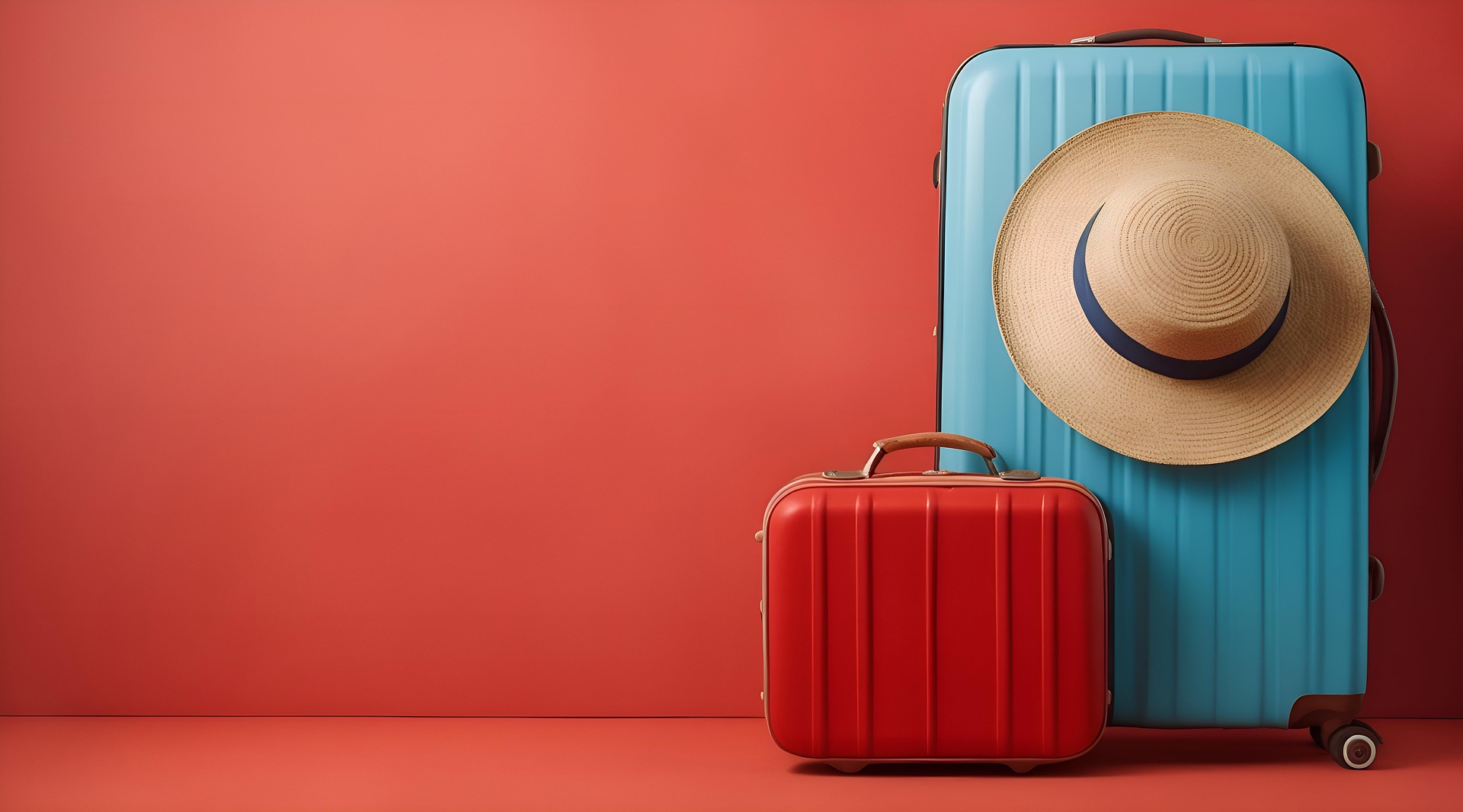
The Test We Use Before Bringing Anything on a Cruise
Over time, we’ve stopped asking whether something is labelled as a “cruise essential” and started asking a much simpler question:
Will this actually make our cruise easier?
Before anything earns a place in our luggage, it has to pass a few quiet tests. They’re not rigid rules — just prompts that help us pack with intention rather than habit.
Does this solve a real problem we’ve actually had?
If an item is designed to fix an issue we’ve never encountered, it’s unlikely to be worth bringing. Experience is a better guide than hypothetical scenarios.
Would we genuinely miss it if we didn’t bring it?
Some items sound useful in theory but don’t cross our minds once we’re onboard. If we wouldn’t notice its absence, it probably doesn’t deserve the space.
Does it make the day smoother — or just add clutter?
The best cruise items quietly remove friction. They don’t need explaining, managing, or setting up. If something creates more hassle than help, it usually stays at home next time.
Is this something the ship already provides?
Cruise ships are well-equipped, and many “must-have” items duplicate what’s already available in the cabin or around the ship. Packing what you already have access to rarely improves the experience.
Is this about comfort — or just reassurance?
This is an important one. Some items are packed to make us feel prepared rather than to meet a real need. There’s nothing wrong with reassurance, but it’s worth being honest about the difference.
These questions have gradually simplified how we pack. Instead of chasing the perfect list, we focus on a small number of items that consistently earn their place — and we let the rest go.
That mindset doesn’t just make packing easier.
It makes the cruise itself feel lighter too.
Keeping the cabin organised.
Cruise cabins are cleverly designed, but they’re still compact — and it doesn’t take much for surfaces to feel cluttered. We’ve found that a few simple solutions make a noticeable difference, especially on longer sailings.
Small items that create vertical space tend to help most. Being able to hang lightweight things like day bags, hats, lanyards, or jackets keeps them visible and easy to grab, rather than piled on chairs or the bed. One surprisingly effective option is a vertical shoe rack hung inside the wardrobe, which keeps shoes contained, easy to see, and off the floor — a simple fix that’s especially helpful if you’re sharing a cabin.
Likewise, having one dedicated place for everyday essentials — cards, sunglasses, room keys — stops that constant “where did we put it?” feeling.
The goal isn’t to organise everything. It’s to reduce friction.
If something helps us find what we need quickly, keeps surfaces clear, or makes the cabin feel calmer when we walk back in, it’s usually earned its place.

Items That Sound Useful — But Usually Aren’t
There’s no shortage of cruise-specific products promising to make life easier onboard. Many of them sound sensible at first glance — especially if you’re new to cruising — but in practice, they often add more clutter than comfort.
Some items fall into the category of “just in case”. They’re bought to cover unlikely scenarios and then spend the entire cruise untouched in a drawer. Others duplicate things the ship already provides, or solve problems that never really arise in day-to-day cruising.
Bulky organisers are a common example. While they can look impressive in packing videos, they often take up valuable luggage space and create more setup than benefit once you’re onboard. Cruise cabins don’t usually reward over-organisation — simplicity tends to work better.
Gadgets designed to “optimise” the cruise experience can fall into the same trap. If something requires explaining, assembling, or constant management, it’s worth asking whether it’s genuinely improving the holiday — or just adding another thing to think about.
We’ve also learned to be cautious of items that promise to turn a cabin into something it isn’t. Cruise cabins are functional, comfortable spaces, but they’re still cabins. Trying to recreate a home setup often leads to frustration rather than ease.
That doesn’t mean these items never work for anyone. It just means they don’t work for us — and that’s an important distinction. Experience has taught us that fewer, well-chosen items tend to do far more than a suitcase full of clever-sounding solutions.
If an item earns its place, it’s because it quietly makes the cruise easier — not because it sounded convincing online.
Why Less Stuff Usually Makes Cruises Better
One of the quieter lessons cruising teaches is that more preparation doesn’t always lead to more enjoyment.
The less we bring, the easier everything feels. Packing takes less time. Unpacking is quicker. The cabin feels calmer. There’s less to manage, less to move around, and less to keep track of — which frees up mental space to actually enjoy the trip.
This becomes especially noticeable once you’re onboard. Cruise days already come with a natural rhythm: meals, ports, sea days, evenings. When you’re not surrounded by gear you rarely use, it’s easier to settle into that rhythm instead of constantly adjusting it.
Less stuff also makes transitions smoother. Port days are simpler when you’re not repacking bags or sorting through clutter. Disembarkation feels lighter when you’re not wrestling with things you didn’t really need. Even small moments — getting dressed, finding your sunglasses, heading out for coffee — become easier when everything has a clear purpose.
Perhaps most importantly, packing less reduces pressure. There’s no sense that you need to “use” everything you brought to justify bringing it. You stop worrying about whether you packed perfectly and start trusting that you’ll adapt as you go.
Cruises are designed to take care of you. Once you lean into that, you realise you don’t need to bring solutions for every possibility — just a few well-chosen items that genuinely support the way you travel.
Less stuff doesn’t mean being underprepared.
It usually means feeling more relaxed.

What We Pack Now (After Many Cruises)
What we pack now looks very different from what we brought on our first few cruises.
Early on, we packed defensively — trying to anticipate every possible scenario, just in case something went wrong or caught us out. Over time, experience has replaced that mindset with confidence. We’ve learned which items we actually use, which ones quietly make the day easier, and which things simply take up space.
Our packing now is lighter, simpler, and far more intentional. We focus on a small number of items that consistently earn their place, and we’re comfortable leaving the rest behind. If something doesn’t clearly make the cruise easier or more enjoyable, it usually doesn’t come with us next time.
We’ve also learned to trust the ship. Cruise ships are well-equipped, and most small gaps can be filled onboard without stress. That knowledge removes a lot of pressure from packing and makes the whole process feel less fraught.
Perhaps the biggest change is that we no longer aim for the “perfect” packing list. We aim for a good-enough one — something that supports the way we travel without turning preparation into a project.
Packing this way doesn’t just simplify the suitcase.
It makes the cruise itself feel calmer and more flexible.
A Few Items That Consistently Earn Their Place for Us
Over time, a small number of items have proved their value again and again. They’re not dramatic or glamorous — they simply make life onboard easier.
A lightweight vertical shoe organiser
Hung inside the wardrobe, it keeps shoes contained and off the floor without taking up valuable space. It’s especially helpful when sharing a cabin.
A couple of strong magnetic hooks
Cabin walls are often magnetic, and having a few discreet hooks for hats, bags, or lanyards keeps surfaces clear and things easy to grab.
A reusable water bottle
Staying hydrated — especially in warm climates — makes a noticeable difference to energy levels. A small bottle is easier than constantly buying drinks ashore.
One small “essentials pouch”
Keeping cards, sunglasses, and room keys in one place avoids that daily rummaging feeling. Equally handy when going ashore.
None of these items are revolutionary.
They just quietly remove friction.
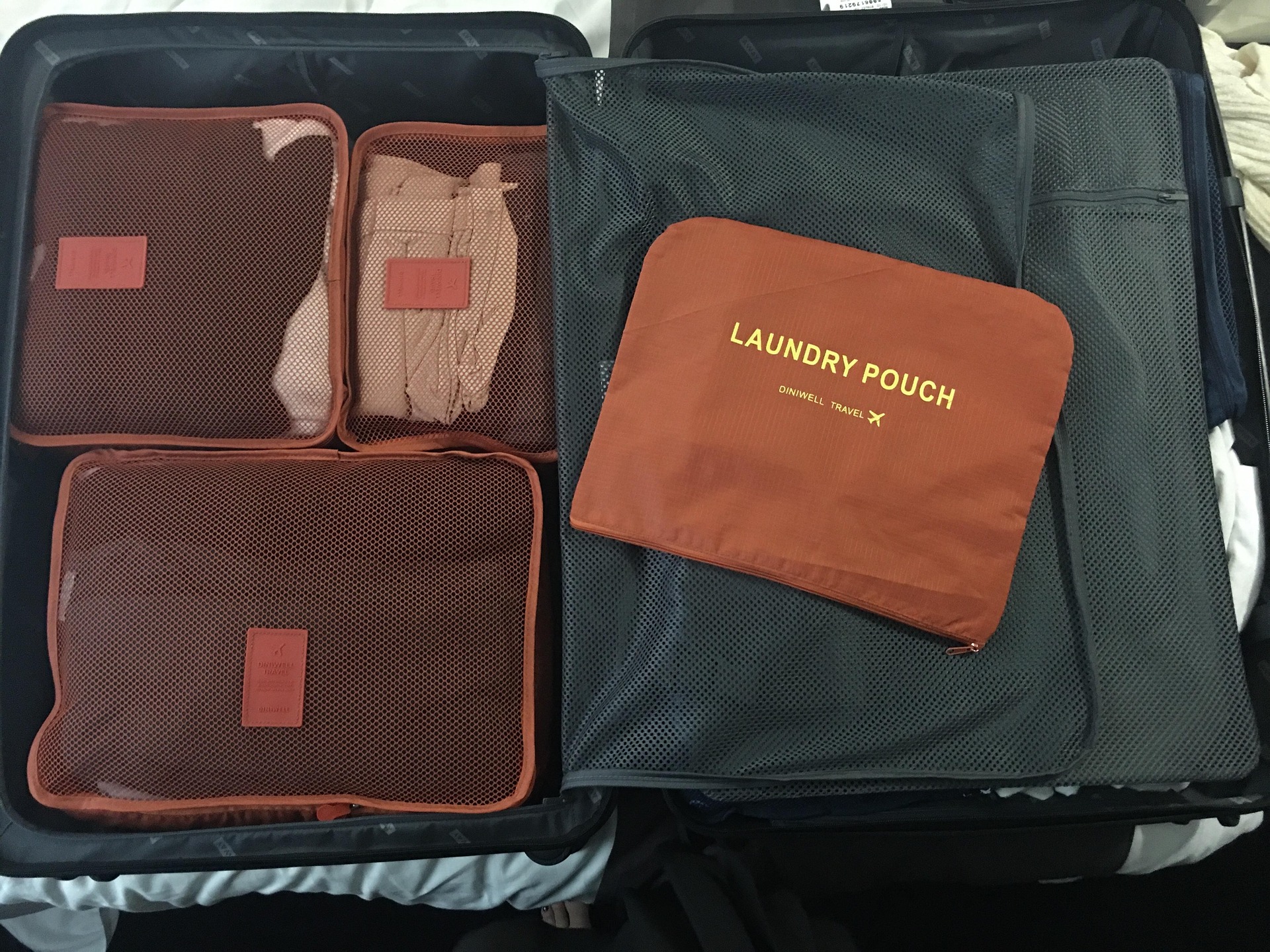
Deciding what to bring often depends on how you plan to spend your time ashore — and not every port requires the same approach.
You Don’t Need the Perfect Cruise Packing List
It’s easy to believe that forgetting the right item could somehow derail a cruise. In reality, very little has that much power.
Most things you forget can be worked around, borrowed, bought, or simply done without. Cruise lines are used to helping passengers adapt, and fellow cruisers are often far more resourceful — and kind — than we expect.
The best cruises aren’t defined by perfectly packed suitcases. They’re defined by how relaxed you feel, how easily you settle into the rhythm of the trip, and how confident you are in handling small imperfections as they arise.
If your packing helps you feel comfortable and prepared — without weighing you down — then you’ve done it right.
Everything else is optional.