What to Pack for a Cool Weather Cruise

What to Pack for a Cool Weather Cruise

This post may contain affiliate links. If you choose to purchase through these links, we may earn a small commission at no additional cost to you. We only recommend products we believe are genuinely useful for cruise travellers.

What to Pack for a Cool-Weather Coastal Cruise

Cool-weather cruises — including Canada & New England, Scandinavia, the Norwegian Fjords and the Baltic — are very different from Caribbean sailings.

Instead of guaranteed heat and beach days, you’re dealing with coastal breezes, shifting temperatures, scenic sail-ins and port stops that often involve walking, national parks and tender boats.

Packing smartly makes a noticeable difference — especially in September and fall foliage season.

Here’s exactly what to bring (and what you can safely leave at home).

What to Wear on a Cool-Weather Cruise

The key word here is layers.

Weather in this region can change quickly — even in summer. Mornings and evenings often feel cool, particularly on deck during sailaways.

Core Clothing Essentials

  • Lightweight insulated jacket or packable puffer A lightweight insulated jacket or packable puffer (the kind that compresses easily into a day bag) is ideal for early mornings on deck.

  • Waterproof shell or rain jacket  A waterproof shell or rain jacket is essential — especially in September when showers can roll in quickly along the coast.

  • Fleece or light sweater for layering

  • Long-sleeve tops – breathable base layers are especially useful on cooler itineraries. Merino wool works particularly well because it naturally regulates temperature and resists odour, making it ideal when you’re packing light for a 7–10 night cruise. Brands like Unbound Merino offer both men’s and women’s long-sleeve options designed specifically with travel in mind.

  • Comfortable trousers or jeans

  • Closed-toe walking shoes with good grip Comfortable walking shoes with good grip are far more important here than sandals, particularly if you’re exploring national parks or uneven coastal paths.

  • Smart-casual evening outfit (check your cruise line’s dress code)

  • Compact Binoculars  are surprisingly useful for spotting lighthouses, seabirds and distant ships during scenic sail-ins.

Even in July or August, you’ll be glad of an extra layer when standing on deck watching the coastline roll past.

Image by Elena We from Pixabay

What to Wear on a Cool-Weather Cruise in September

September and early October are peak months for fall foliage cruises, particularly New England, and temperatures begin to dip.

If you’re sailing in autumn, add:

  • Warmer mid-layer (heavier fleece or knit) – A quality merino knit or lightweight merino hoodie can also work well here — warm enough for crisp mornings on deck, but breathable enough once you’re back indoors for dinner. It’s one of the easiest ways to stay comfortable without constantly changing outfits.

  • Lightweight gloves for early mornings

  • Scarf or neck warmer for wind protection

  • Neutral or autumn-toned clothing (great for photos against foliage)

Even sunny days can feel crisp along the water, where coastal winds are common.

Shore Day Essentials

Canada & New England itineraries are scenery-focused — which usually means walking.

Day Bag Must-Haves

  • Small backpack or crossbody bag

  • Reusable water bottle

  • Portable phone charger

  • Sunglasses

  • Sunscreen (yes, even in fall)

  • Lip balm (coastal wind is real)

If your itinerary includes national parks or scenic viewpoints, you’ll likely spend more time outdoors than on beach loungers.

Tender Port Extras

Several ports — including Bar Harbor — operate as tender ports, meaning you’ll transfer from ship to shore by smaller boat.

For these days, it helps to have:

  • Easy slip-on shoes

  • A compact umbrella

  • Lightweight waterproof layer

  • A small, secure bag that’s comfortable to carry on a tender

No need for oversized beach totes here.

Onboard Comfort Items

Evenings at sea can feel cooler in this region, particularly on open decks.

Nice-to-haves include:

  • Lightweight wrap or shawl

  • Travel mug for coffee during early sail-ins

  • Compact binoculars for spotting lighthouses, islands and coastal wildlife

What You Don’t Need

Let’s simplify your suitcase.

You can usually skip:

  • Beach gear

  • Multiple swimwear sets

  • Heavy formalwear (unless your cruise line requires it)

  • Flip-flops for excursions

This is not a pool-deck-heavy itinerary. It’s a walking-and-scenery itinerary.

Quick Packing Checklist

One of the simplest ways to avoid overpacking for a cool-weather cruise is to focus on versatile fabrics. A couple of well-chosen merino pieces can be reworn across multiple days without feeling heavy or stale — particularly helpful when luggage space is limited or you’re flying to your embarkation port.

✔ Layers
✔ Waterproof jacket
✔ Comfortable walking shoes
✔ Small day bag
✔ Portable charger
✔ Sunglasses
✔ Smart-casual evening outfit

Keep it simple and flexible.

Man Sitting on a Rock with View of the Jordan Pond in Acadia National Park, Maine, USA

Photo by David:

Final Thoughts

Packing for a cool weather cruise is about preparation rather than bulk.

If you’re layered, waterproof and comfortable walking, you’ll be ready for everything from Acadia National Park viewpoints to dramatic fjord sail-ins and Baltic city strolls.

And if you’re building out a full itinerary, our detailed port guides — will help you plan each day with confidence.


Cruise Items That Genuinely Make Life Easier (and What You Can Skip)

Cruise Items That Genuinely Make Life Easier (and What You Can Skip)

Why Most Cruise Packing Lists Make Things Harder

If you’ve searched for cruise packing advice online, you’ve probably noticed one thing very quickly: most lists are long. Very long.

They’re often framed as “must-haves” or “essentials”, and before you know it, packing for a holiday starts to feel like preparing for every possible scenario — many of which never actually happen. Instead of feeling organised, it’s easy to feel overwhelmed.

The problem isn’t that these lists are malicious or wrong. It’s that they’re usually built around possibility, not probability. Just because something could be useful doesn’t mean it will be — or that it’s worth the space, cost, or mental load.

In practice, many cruise-specific items solve problems you’re unlikely to encounter, duplicate what the ship already provides, or add clutter without adding comfort. Others are bought out of fear — fear of being unprepared, missing out, or “doing cruising wrong”.

Experience changes that perspective.

If you’re new to cruising, our calm first-time cruise guide explains why you don’t need to get everything right to have a great trip.

After a few cruises, you start to notice which items you actually reach for, which ones stay untouched in the cabin, and which things quietly make the day smoother without drawing attention to themselves. You also learn that forgetting something rarely ruins a cruise — and that most minor gaps can be filled onboard or ashore with very little stress.

This guide isn’t about packing less for the sake of it.
It’s about packing more intentionally — and letting go of the idea that a perfect packing list exists.

Image by izhar ahamed from Pixabay

The Test We Use Before Bringing Anything on a Cruise

Over time, we’ve stopped asking whether something is labelled as a “cruise essential” and started asking a much simpler question:
Will this actually make our cruise easier?

Before anything earns a place in our luggage, it has to pass a few quiet tests. They’re not rigid rules — just prompts that help us pack with intention rather than habit.

Does this solve a real problem we’ve actually had?
If an item is designed to fix an issue we’ve never encountered, it’s unlikely to be worth bringing. Experience is a better guide than hypothetical scenarios.

Would we genuinely miss it if we didn’t bring it?
Some items sound useful in theory but don’t cross our minds once we’re onboard. If we wouldn’t notice its absence, it probably doesn’t deserve the space.

Does it make the day smoother — or just add clutter?
The best cruise items quietly remove friction. They don’t need explaining, managing, or setting up. If something creates more hassle than help, it usually stays at home next time.

Is this something the ship already provides?
Cruise ships are well-equipped, and many “must-have” items duplicate what’s already available in the cabin or around the ship. Packing what you already have access to rarely improves the experience.

Is this about comfort — or just reassurance?
This is an important one. Some items are packed to make us feel prepared rather than to meet a real need. There’s nothing wrong with reassurance, but it’s worth being honest about the difference.

These questions have gradually simplified how we pack. Instead of chasing the perfect list, we focus on a small number of items that consistently earn their place — and we let the rest go.

That mindset doesn’t just make packing easier.
It makes the cruise itself feel lighter too.

Keeping the cabin organised.

Cruise cabins are cleverly designed, but they’re still compact — and it doesn’t take much for surfaces to feel cluttered. We’ve found that a few simple solutions make a noticeable difference, especially on longer sailings.

Small items that create vertical space tend to help most. Being able to hang lightweight things like day bags, hats, lanyards, or jackets keeps them visible and easy to grab, rather than piled on chairs or the bed. One surprisingly effective option is a vertical shoe rack hung inside the wardrobe, which keeps shoes contained, easy to see, and off the floor — a simple fix that’s especially helpful if you’re sharing a cabin.

Likewise, having one dedicated place for everyday essentials — cards, sunglasses, room keys — stops that constant “where did we put it?” feeling.

The goal isn’t to organise everything. It’s to reduce friction.
If something helps us find what we need quickly, keeps surfaces clear, or makes the cabin feel calmer when we walk back in, it’s usually earned its place.

Items That Sound Useful — But Usually Aren’t

There’s no shortage of cruise-specific products promising to make life easier onboard. Many of them sound sensible at first glance — especially if you’re new to cruising — but in practice, they often add more clutter than comfort.

Some items fall into the category of “just in case”. They’re bought to cover unlikely scenarios and then spend the entire cruise untouched in a drawer. Others duplicate things the ship already provides, or solve problems that never really arise in day-to-day cruising.

Bulky organisers are a common example. While they can look impressive in packing videos, they often take up valuable luggage space and create more setup than benefit once you’re onboard. Cruise cabins don’t usually reward over-organisation — simplicity tends to work better.

Gadgets designed to “optimise” the cruise experience can fall into the same trap. If something requires explaining, assembling, or constant management, it’s worth asking whether it’s genuinely improving the holiday — or just adding another thing to think about.

We’ve also learned to be cautious of items that promise to turn a cabin into something it isn’t. Cruise cabins are functional, comfortable spaces, but they’re still cabins. Trying to recreate a home setup often leads to frustration rather than ease.

That doesn’t mean these items never work for anyone. It just means they don’t work for us — and that’s an important distinction. Experience has taught us that fewer, well-chosen items tend to do far more than a suitcase full of clever-sounding solutions.

If an item earns its place, it’s because it quietly makes the cruise easier — not because it sounded convincing online.

Why Less Stuff Usually Makes Cruises Better

One of the quieter lessons cruising teaches is that more preparation doesn’t always lead to more enjoyment.

The less we bring, the easier everything feels. Packing takes less time. Unpacking is quicker. The cabin feels calmer. There’s less to manage, less to move around, and less to keep track of — which frees up mental space to actually enjoy the trip.

This becomes especially noticeable once you’re onboard. Cruise days already come with a natural rhythm: meals, ports, sea days, evenings. When you’re not surrounded by gear you rarely use, it’s easier to settle into that rhythm instead of constantly adjusting it.

Less stuff also makes transitions smoother. Port days are simpler when you’re not repacking bags or sorting through clutter. Disembarkation feels lighter when you’re not wrestling with things you didn’t really need. Even small moments — getting dressed, finding your sunglasses, heading out for coffee — become easier when everything has a clear purpose.

Perhaps most importantly, packing less reduces pressure. There’s no sense that you need to “use” everything you brought to justify bringing it. You stop worrying about whether you packed perfectly and start trusting that you’ll adapt as you go.

Cruises are designed to take care of you. Once you lean into that, you realise you don’t need to bring solutions for every possibility — just a few well-chosen items that genuinely support the way you travel.

Less stuff doesn’t mean being underprepared.
It usually means feeling more relaxed.

What We Pack Now (After Many Cruises)

What we pack now looks very different from what we brought on our first few cruises.

Early on, we packed defensively — trying to anticipate every possible scenario, just in case something went wrong or caught us out. Over time, experience has replaced that mindset with confidence. We’ve learned which items we actually use, which ones quietly make the day easier, and which things simply take up space.

Our packing now is lighter, simpler, and far more intentional. We focus on a small number of items that consistently earn their place, and we’re comfortable leaving the rest behind. If something doesn’t clearly make the cruise easier or more enjoyable, it usually doesn’t come with us next time.

We’ve also learned to trust the ship. Cruise ships are well-equipped, and most small gaps can be filled onboard without stress. That knowledge removes a lot of pressure from packing and makes the whole process feel less fraught.

Perhaps the biggest change is that we no longer aim for the “perfect” packing list. We aim for a good-enough one — something that supports the way we travel without turning preparation into a project.

Packing this way doesn’t just simplify the suitcase.
It makes the cruise itself feel calmer and more flexible.


A Few Items That Consistently Earn Their Place for Us

Over time, a small number of items have proved their value again and again. They’re not dramatic or glamorous — they simply make life onboard easier.

A lightweight vertical shoe organiser
Hung inside the wardrobe, it keeps shoes contained and off the floor without taking up valuable space. It’s especially helpful when sharing a cabin.

A couple of strong magnetic hooks
Cabin walls are often magnetic, and having a few discreet hooks for hats, bags, or lanyards keeps surfaces clear and things easy to grab.

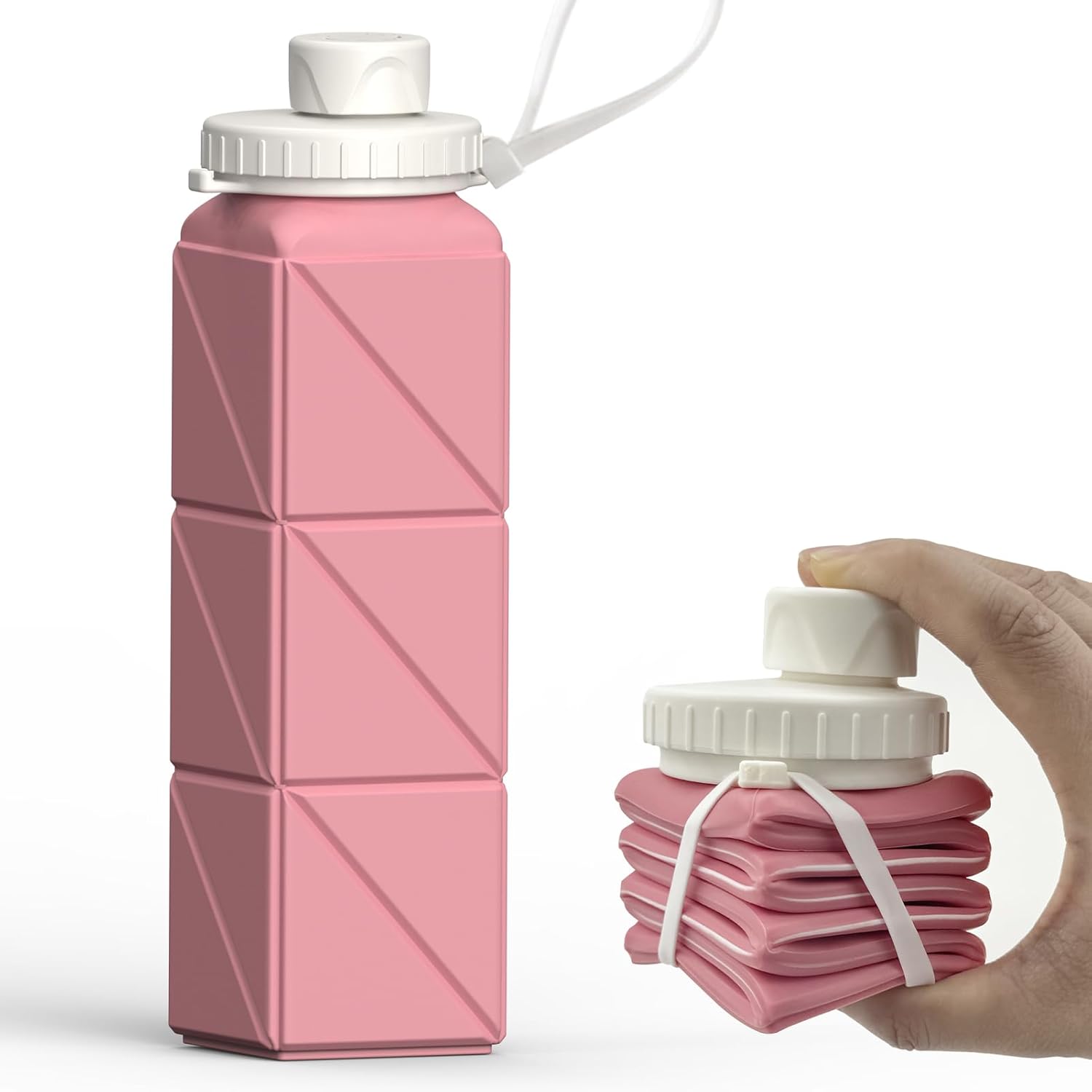
A reusable water bottle
Staying hydrated — especially in warm climates — makes a noticeable difference to energy levels. A small bottle is easier than constantly buying drinks ashore.

One small “essentials pouch”
Keeping cards, sunglasses, and room keys in one place avoids that daily rummaging feeling. Equally handy when going ashore.

None of these items are revolutionary.
They just quietly remove friction.

Deciding what to bring often depends on how you plan to spend your time ashore — and not every port requires the same approach.

You Don’t Need the Perfect Cruise Packing List

It’s easy to believe that forgetting the right item could somehow derail a cruise. In reality, very little has that much power.

Most things you forget can be worked around, borrowed, bought, or simply done without. Cruise lines are used to helping passengers adapt, and fellow cruisers are often far more resourceful — and kind — than we expect.

The best cruises aren’t defined by perfectly packed suitcases. They’re defined by how relaxed you feel, how easily you settle into the rhythm of the trip, and how confident you are in handling small imperfections as they arise.

If your packing helps you feel comfortable and prepared — without weighing you down — then you’ve done it right.

Everything else is optional.

Staying Charged And Connected At Sea

Staying Charged And Connected At Sea

The Reality of Staying Connected at Sea

Cruise ships aren’t floating office blocks — internet speeds are improving, but they’re still not lightning fast. Wi-Fi packages can be pricey, and connection quality depends on your location and ship. The good news? With the right setup, you can strike a balance between staying charged and connected at sea when you need to and switching off when you don’t.

Pro Tip: Download movies, playlists, and e-books before you sail — ship Wi-Fi isn’t always strong enough for streaming.

🔌 Staying Connected at Sea: What Cruise Wi-Fi Is Really Like

Cruise ship Wi-Fi has improved massively in recent years, but it’s still very different from the internet you’re used to on land. Ships rely on satellite connections rather than fixed cables, which means speed and reliability can vary depending on your location, weather conditions, and how many guests are online at the same time.

Many newer ships now use low-earth orbit satellite systems, which are faster and more stable than older technology. That said, cruise Wi-Fi is best treated as functional rather than flawless.

You’ll usually be fine for:

  • Messaging apps like WhatsApp and iMessage

  • Email and light web browsing

  • Checking cruise apps and port information

But it can struggle with:

  • Video calls and live meetings

  • Uploading large files or videos

  • Streaming services during busy periods

Pro Tip: Early mornings and late evenings are the quietest times on the ship’s network — if you need to upload photos or check important emails, timing matters.

staying charged and connected at sea

📡 Ship Wi-Fi vs Mobile Data in Port

When your ship is docked or sailing close to land, your phone may connect to local mobile networks. In Europe, this can be especially useful thanks to inclusive roaming on many UK and EU plans.

Using mobile data in port is often:

  • Faster than ship Wi-Fi

  • More reliable for uploads

  • Ideal for navigation, maps, and bookings

⚠️ Important: Always keep your phone in airplane mode at sea unless you’re connected to the ship’s Wi-Fi. Maritime roaming charges can be extremely expensive and aren’t worth the risk.

This is where staying fully charged really matters — your phone becomes your backup internet, navigation tool, and lifeline ashore.

Tech & Power: Staying Charged and Connected at Sea

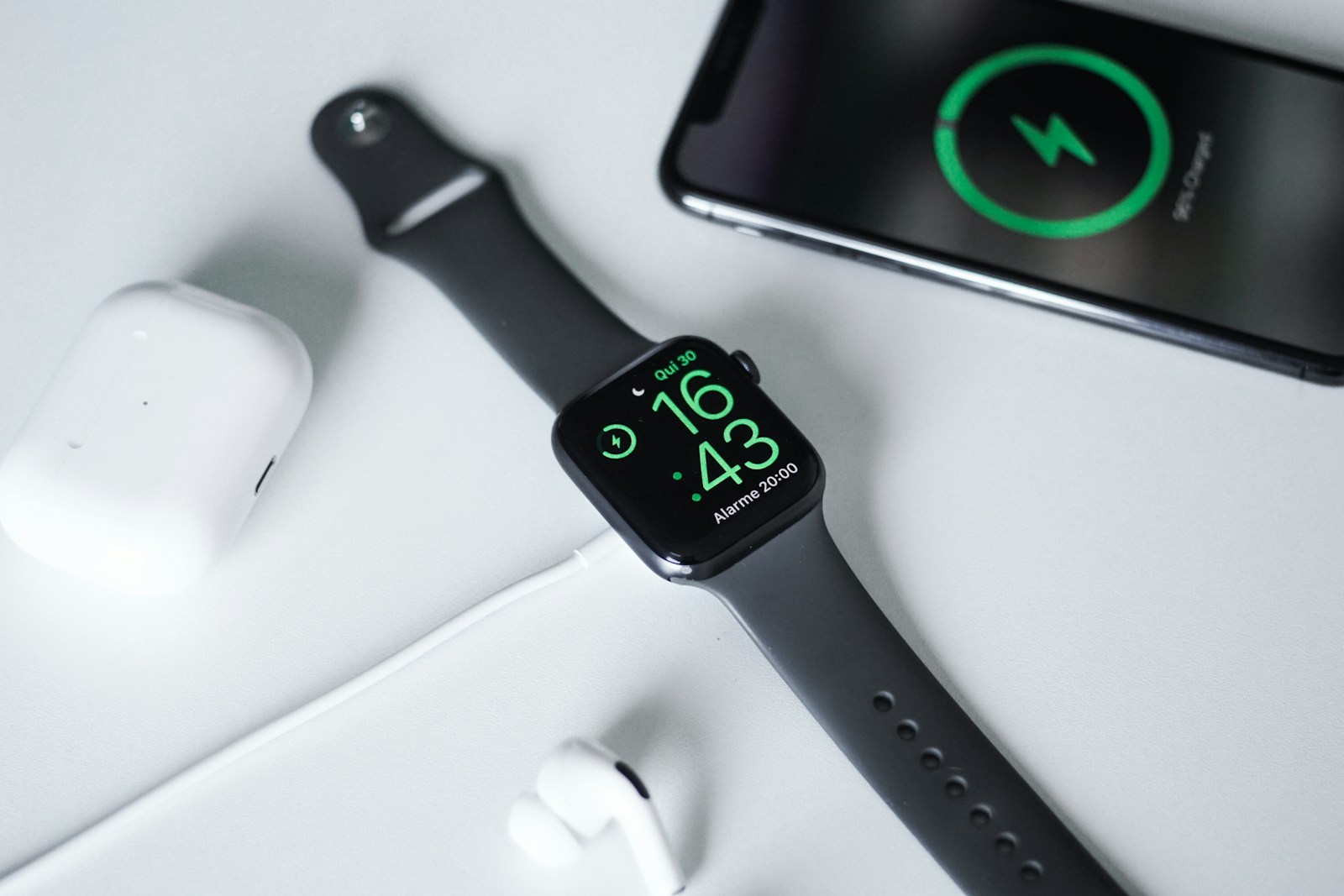
Reliable connectivity at sea isn’t just about Wi-Fi packages — it’s about power. A dead phone means no maps in port, no boarding passes, no messages home, and no access to the ship’s app. Keeping your devices charged gives you options, whether you’re online onboard or switching to mobile data ashore.

Cruise cabins are notorious for having a grand total of about two outlets (and sometimes only one that isn’t being hogged by the lamp). Add in today’s tech needs — phones, tablets, e-readers, watches, cameras — and suddenly you’re playing outlet Jenga. The trick is to pack ship-safe solutions that keep everything charged without running afoul of cruise line rules.

1. Power Solutions That Won’t Get Confiscated

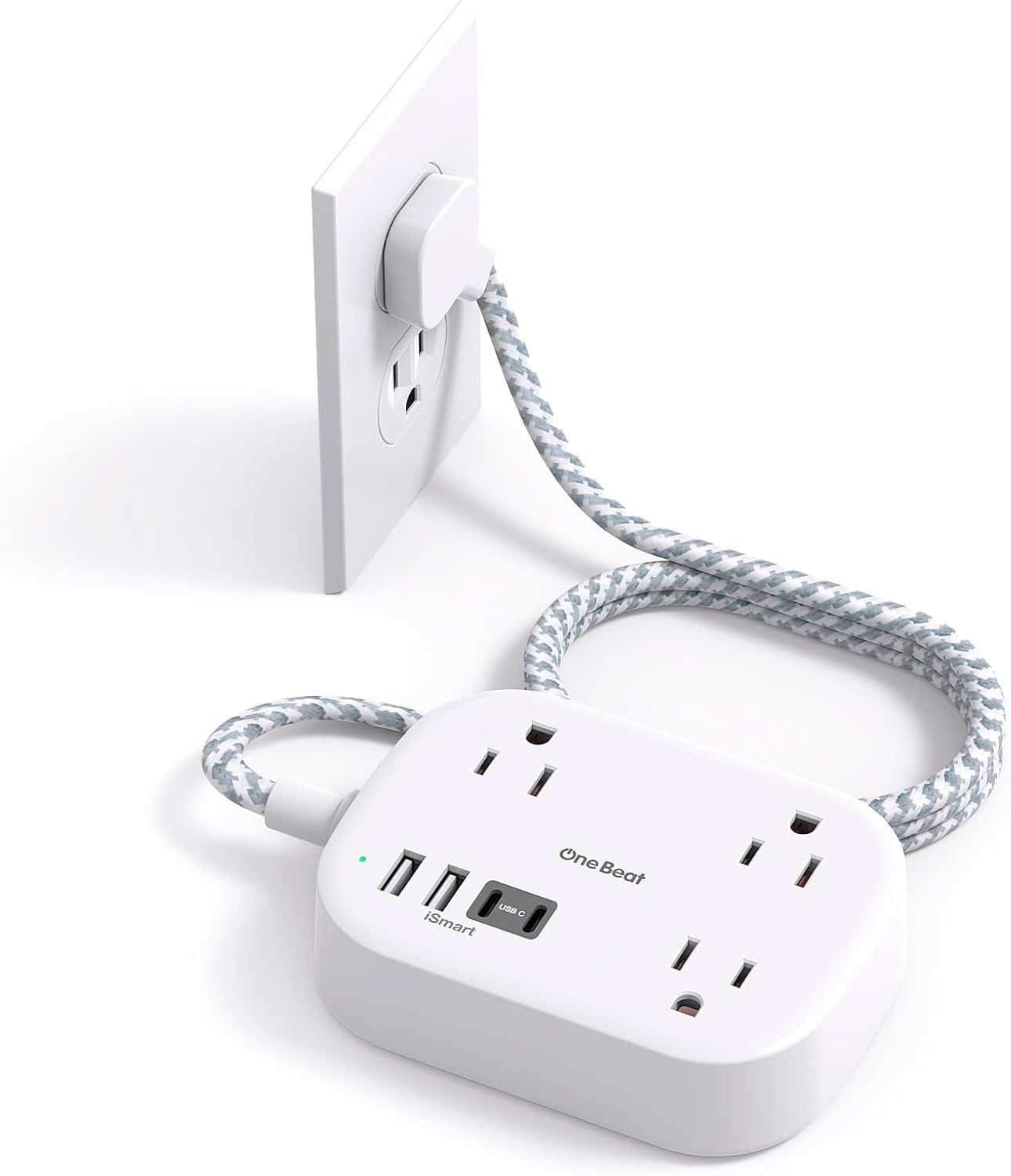
  • Non-surge USB Power Strip / Multi-Port Charger – Surge protection is a big no-no at sea. Look for compact cruise-approved power strips or wall chargers with multiple USB and USB-C ports.

  • Long Charging Cables (2–3m) – Cruise cabins aren’t always designed with “charging convenience” in mind. A longer cable means you can actually keep your phone by the bed rather than tethered to the vanity across the room.

  • Spare Charging Cable – Because the ocean eats cables. (Or your partner “borrows” them.)

Cruise-Safe USB Power Strip

Cruise-Safe USB Power Strip

Check Price on Amazon

2. For Travel Before and After Your Cruise

  • International Plug Adapter – If you’re flying into Europe, Asia, or anywhere outside North America before embarkation, you’ll want a good adapter for hotel stays. Bonus if it has built-in USB ports.

3. Keeping Tabs on Your Stuff

  • AirTags or Tile Trackers – Slip one in your luggage so you can track your bags through airports and cruise terminals. It’s a sanity-saver when your suitcase decides to take the scenic route.

4. Portable Power on the Go

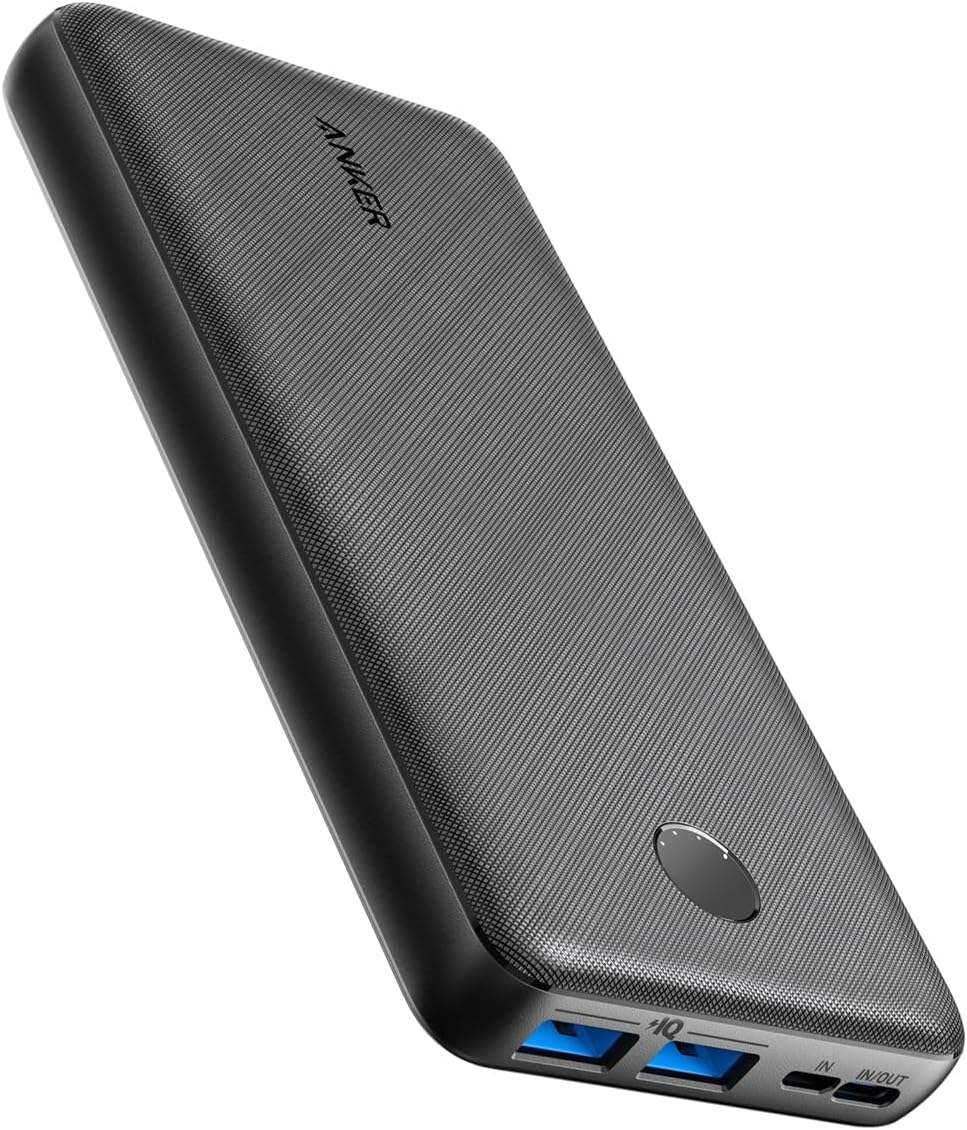
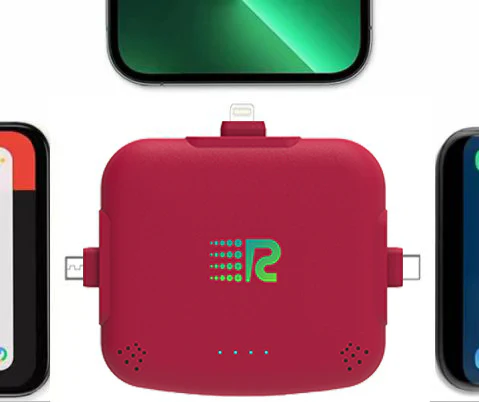
  • Battery Bank – Shore excursions, long days exploring, or just too much Instagramming at the pool — a slim, high-capacity power bank keeps you topped up.

  • Solar-Powered Charger (Optional) – Not essential, but some travelers like these for beach days or adventure excursions where outlets are non-existent.

Portable Battery Bank

Portable Battery Bank

Check Price on Amazon

No cables, no hassle—built-in Lightning, USB-C, and Micro USB connections keep you powered anywhere. Rechargeable with any cable and packing up to 26+ hours of talk time, this compact powerhouse keeps every phone and device ready to go.

Cruise-Safe USB Power Strip

Universe Rush Charge

Check Price

5. Tech That Makes Life Easier Onboard

  • E-Reader or Tablet – Lighter than lugging around five paperbacks. Perfect for sea days.

  • Noise-Cancelling Headphones / Earbuds – Great for flights, loud pool decks, or tuning out that enthusiastic karaoke next door.

  • Portable Fan (USB-powered) – Cabins can run warm, and a little USB desk fan can make a big difference in comfort.

  • Night Light (USB or Battery) – Cabins get pitch dark at night. A tiny plug-in or motion-sensor light saves stubbed toes at 3am.


👉 The golden rule: stick with non-surge, compact solutions and always check your cruise line’s official policy before you pack. Nothing kills the mood faster than having your shiny new gadget confiscated at embarkation.

Staying charged and connected at sea isn’t just about convenience — it’s about making the most of every moment onboard. With the right cruise-approved chargers, portable power banks, and travel adapters, you’ll never miss a photo, a message, or a memory. A little preparation before you sail ensures you can stream, share, and stay in touch without worrying about dead batteries or Wi-Fi dropouts. From sea days on the sundeck to exploring ports ashore, keeping your devices powered means you can capture every part of the journey and stay seamlessly connected from embarkation to disembarkation.

How We Use Packing Cubes on a Cruise (and Why You’ll Love Them)

How We Use Packing Cubes on a Cruise (and Why You’ll Love Them)

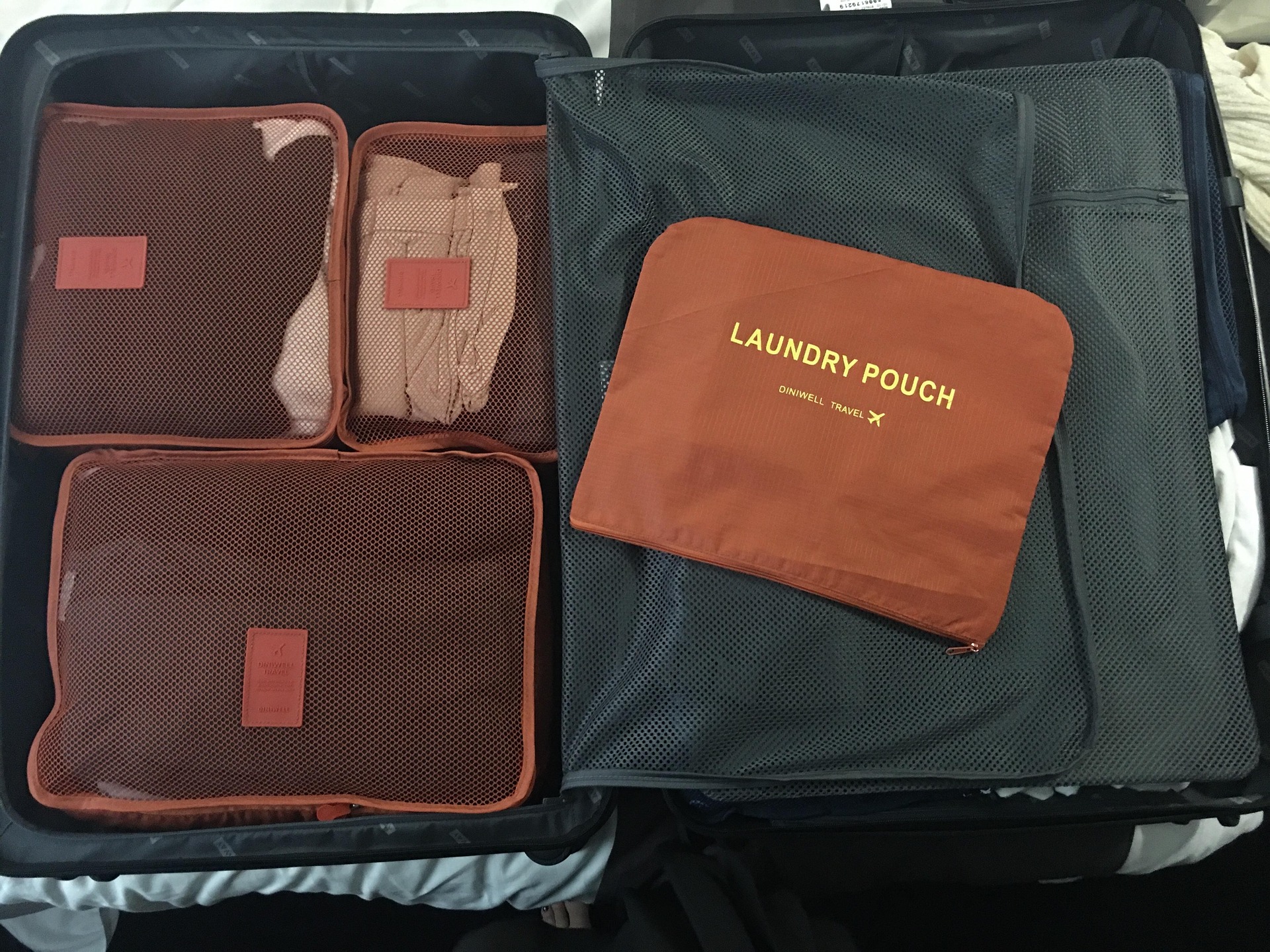
Cruise cabins aren’t exactly known for their generous storage space. Between narrow closets, limited drawers, and suitcases squeezed under the bed, staying organized can feel like a challenge. That’s where packing cubes come in. These simple zippered pouches are like Tetris blocks for your luggage: they keep your clothes tidy, maximize suitcase space, and make unpacking in your cabin almost effortless.

We’ve sailed with cubes for years, and trust us — once you try them, you’ll never go back to stuffing clothes loosely into a suitcase.


What Are Packing Cubes (and Why Use Them on a Cruise)?

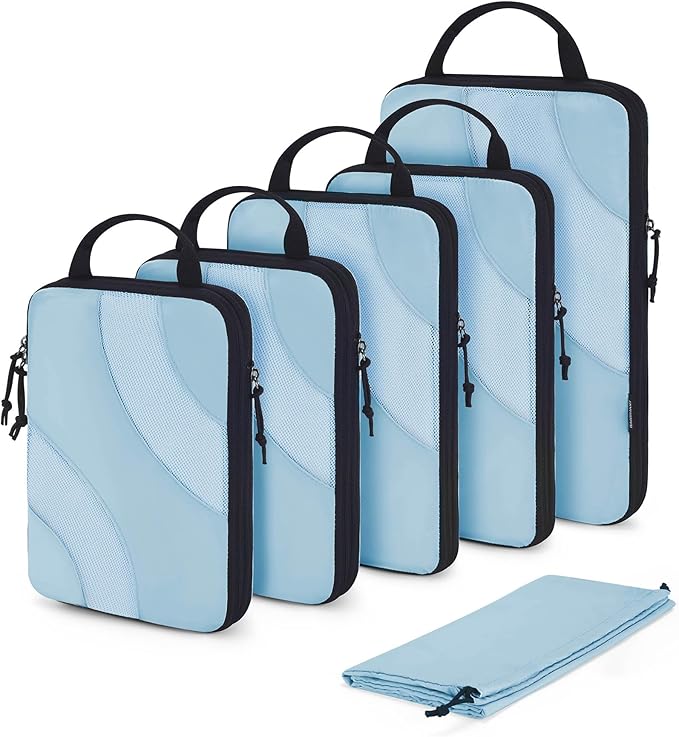
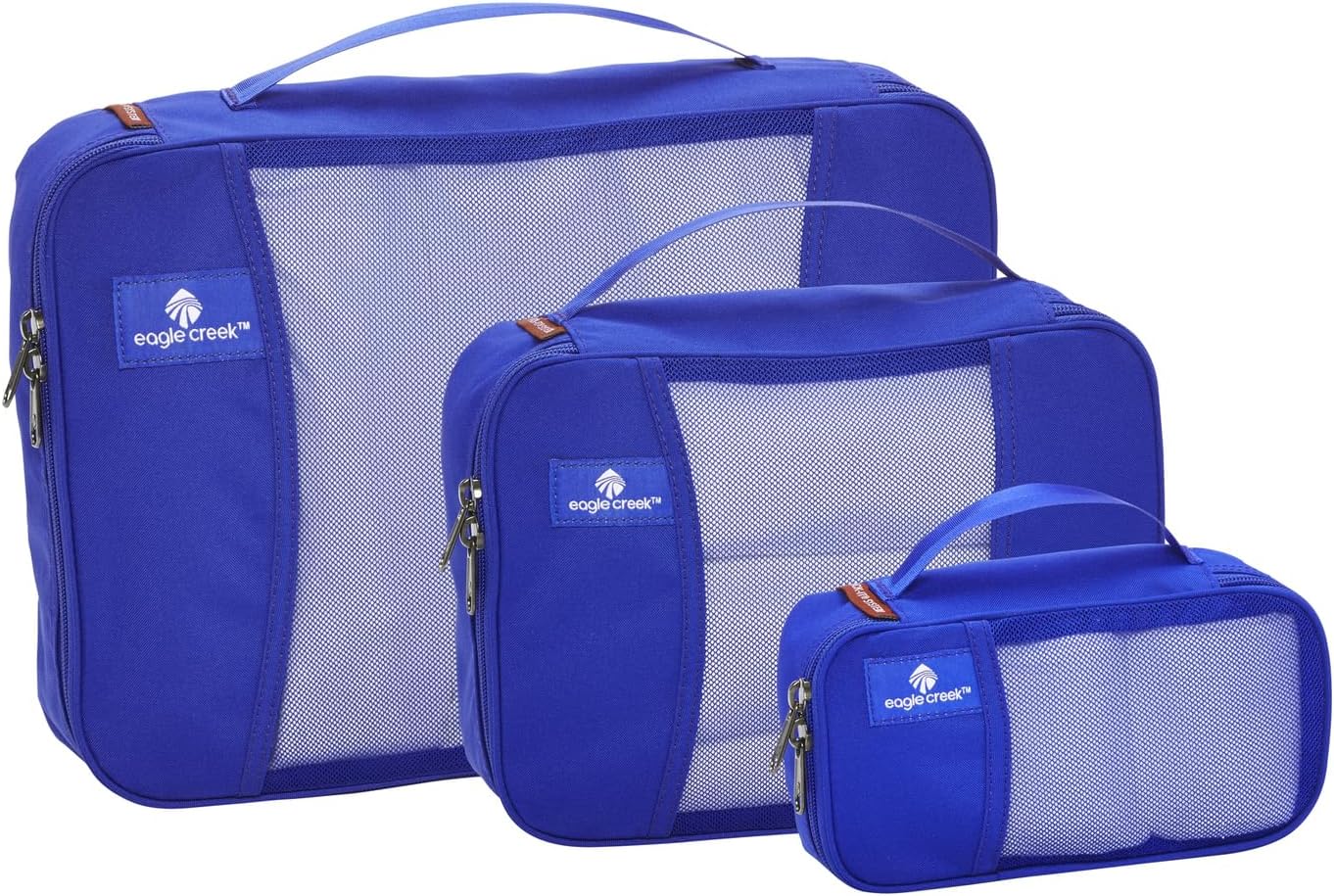
Packing cubes are fabric organizers that fit neatly inside your suitcase. They come in different sizes (small for underwear and socks, medium for shirts and shorts, large for bulkier items like jeans or jumpers). Many have mesh tops for visibility or compression zippers to squeeze out extra air.

On a cruise, packing cubes really shine because:

  • Cabin space is limited. Cubes help you “file” clothes into drawers instead of digging through piles.

  • They prevent wrinkles. Clothes shift less during travel, so you arrive looking cruise-ready.

  • They separate clean from dirty. Just dedicate one cube for laundry.

  • They keep families sane. Color-code cubes so each person’s clothes are instantly identifiable.

Pro Tip: Compression cubes are perfect for bulky items like jackets or formalwear.


How We Organize Our Packing Cubes

There’s no single right way to use them, but here’s the system that works for us at sea:

1. Sort by Category

We use one cube for swimwear, another for dinner outfits, another for casual clothes. Accessories and tech get their own small cube. This makes it simple to grab what we need without unpacking everything.

2. File, Don’t Pile

Another option is to fold clothes into slim rectangles and “file” them upright inside the cube. That way, when you unzip, you can see every item at a glance

3. Use a Laundry Cube

On a 7-night sailing, we dedicate one medium cube to dirty clothes. It keeps everything contained until laundry day (or until we get home).

4. Mix Sizes

Small cubes = underwear, swimwear, or socks.
Medium cubes = T-shirts, shorts, or dinner outfits.
Large cubes = jeans, jumpers, or evening dresses.


Extra Benefits for Cruisers

  • Faster unpacking: Slide cubes straight into drawers. Done.

  • Space optimization: The compression style saves room for souvenirs.

  • Hygiene: Waterproof cubes keep damp swimsuits or shoes from mixing with clean clothe

  • Flexibility: If your bag is overweight, you can shift a cube into your carry-on.

Pro Tip: Keep one cube half-empty for bringing home extras — cruise shopping happens.

Packing Cubes Set

Bagsmart Compression Cubes Set

Check Price on Amazon
Packing Cubes Set

Eagle Creek Packing Cube Set

Check Price on Amazon

Cruise packing cubes might seem like a small thing, but they make a big difference once you’re onboard. With limited storage in most cabins, organized packing means more time enjoying the ship and less time wrestling with your suitcase. From color-coding outfits to separating swimwear from formalwear, these compact lifesavers help you unpack once and cruise easy for the rest of your voyage. Investing in a good set of cubes keeps your essentials accessible, your cabin tidy, and your mind focused on what really matters — relaxing and exploring. Once you try them, you’ll wonder how you ever cruised without them.

Cruise Carry-On Checklist

Cruise Carry-On Checklist

Cruise Carry-On Checklist: What to Pack in Your Embarkation Bag

Embarkation day is exciting — but it can also be a long wait before your checked luggage finds its way to your cabin. That’s why a well-packed cruise carry-on bag is a lifesaver. From travel documents and medications to swimwear and a spare outfit, the right items in your embarkation bag ensure you can start enjoying your cruise from the moment you step onboard.

Why Your Cruise Carry-On Matters

On embarkation day, your checked bags are taken by porters at the terminal and delivered later — sometimes not until after dinner. Your carry-on is your lifeline for those first few hours on the ship. It ensures you’re not stuck in travel clothes, scrambling for sunscreen, or worse, without access to your meds.

Cruise Carry-On Checklist: The Essentials

1. Travel Documents & ID

Passport, boarding pass, cruise documents, vaccination proof (if required), and a pen for customs forms.

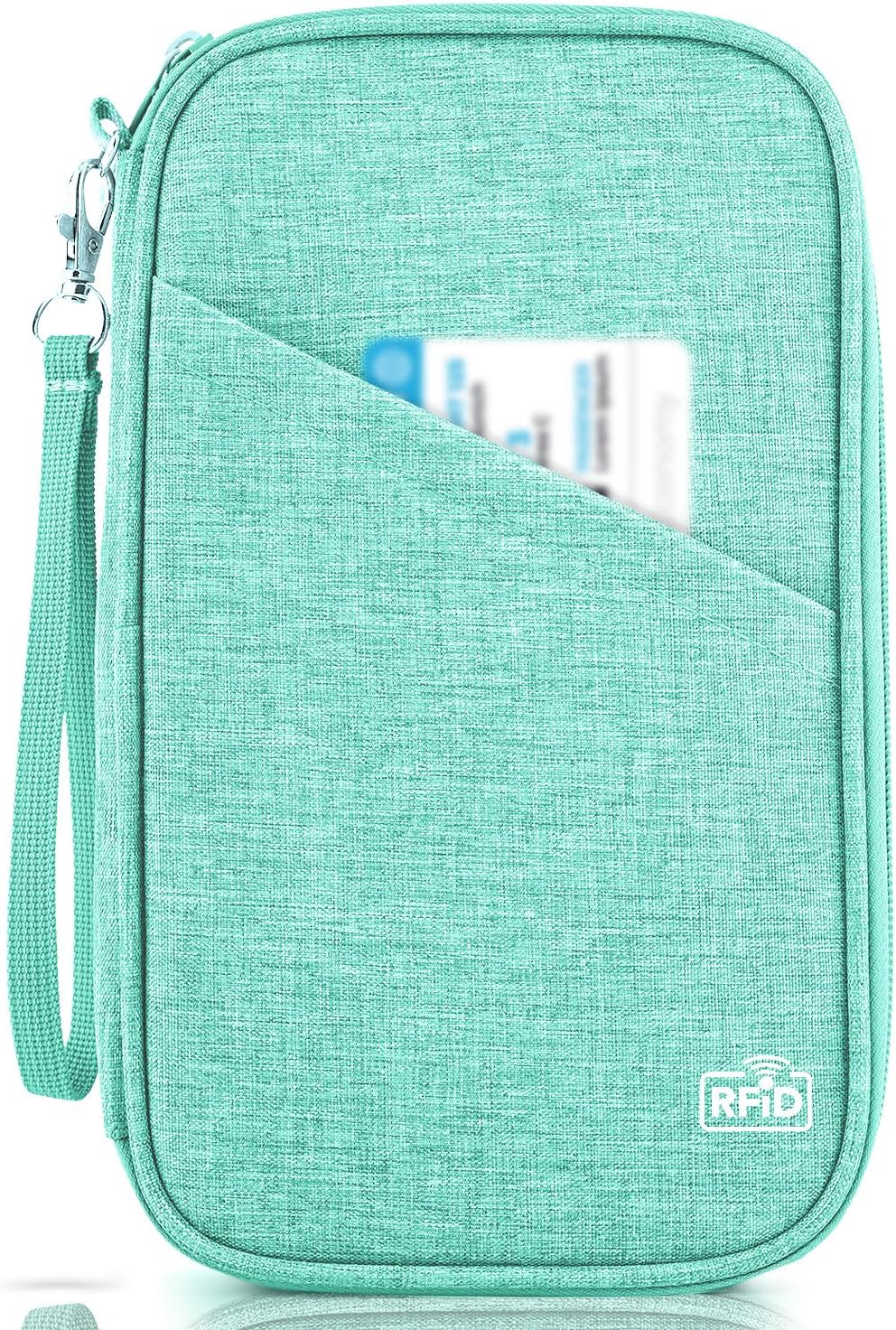
Pro Tip: Keep everything together in a slim travel document holder — easy to grab, hard to lose.

Travel Document Holder

Travel Document Holder

Check Price on Amazon

2. Medications & Health Items

Always pack prescription meds in your carry-on, along with pain relief, motion sickness bands, and any daily essentials.

Pro Tip: Keep them in original packaging to avoid issues at security.


3. Tech & Chargers

Phone, headphones, camera, and chargers. A portable battery bank is a lifesaver if you’ve been traveling since the crack of dawn.

Pro Tip: Some cruise terminals have limited charging spots — bring your own power.

Portable Battery Bank

Portable Battery Bank

Check Price on Amazon

4. First Change of Clothes / Swimwear

Pack a swimsuit, cover-up, or fresh outfit so you’re not stuck in travel gear until evening.

Pro Tip: If you’re sailing from a warm port, toss flip-flops in too. You’ll thank yourself when you’re poolside at 2pm.

Travel Document Holder

Travel Document Holder

Check Price on Amazon

5. Toiletries & Refreshers

Travel-size deodorant, hand sanitizer, lip balm, face wipes. Enough to feel human after hours of airports and buses.

Pro Tip: Keep liquids in a clear pouch for security and quick access.


6. Snacks & Refillable Water Bottle

Snacks tide you over until the buffet is open, and a refillable water bottle keeps you hydrated.

Pro Tip: Fill it once onboard — ship water is filtered and safe.

Travel Document Holder

Travel Document Holder

Check Price on Amazon


Pro Tips for Packing Your Cruise Carry-On

  • Use a backpack or rolling carry-on you’re comfortable lugging around until your cabin is ready.

  • Keep valuables (jewelry, electronics, cash) in your carry-on — never check them.

  • If traveling with kids, include entertainment and a small comfort item.

  • Want more advice on bags? Check out our full guide to cruise carry-on luggage for size tips and recommendations.


Final Thoughts: Stress-Free Embarkation

Your embarkation day sets the tone for the entire cruise. With the right carry-on checklist, you can hit the ground running — whether that means sipping a cocktail by the pool or exploring the ship without worrying about your luggage. Pack smart, stay relaxed, and let the adventure begin.

Cruise Dress Codes and Theme Nights

Cruise Dress Codes and Theme Nights

Cruise Dress Codes & Theme Nights: What to Pack, What to Expect

Cruising isn’t just about ports, pools, and buffets—it’s also about the nights when the ship transforms into a dance floor, masquerade ball, or pirate cove. Dress codes and theme nights are part of the fun, and while you don’t have to join in, it’s a whole lot more memorable if you do.

Here’s your guide to the most popular cruise line dress codes and theme nights, with packing tips, insider details, and pro tricks to make sure you’re ready to shine (or glow, or swashbuckle).

Cruise Dress Codes: From Casual to Chic

Every cruise line sets its own tone when it comes to evening wear. Here’s the quick rundown:

  • Carnival – Casual most nights, with one or two Cruise Elegant evenings (cocktail dresses, jackets, ties).

  • Celebrity – “Evening Chic” instead of formalwear. Think cocktail dresses or blazer + shirt without needing a tux.

  • Cunard – Expect gala nights and ballroom flair—this is as formal as it gets at sea.

  • Disney – Family-friendly with optional dress-up nights (plus Pirate Night—see below).

  • MSC & Costa – Mostly casual with a couple of formal “Gala Nights,” plus popular theme nights like White Night.

  • Norwegian (NCL) – Famous for “freestyle cruising.” No strict dress codes, but the Glow Party makes dressing up a must (in neon).

  • Virgin Voyages – No formal nights, just wear what you like—except Scarlet Night, when red is required.

Pro Tip: Pack for flexibility. One formal(ish) outfit, one white outfit, one red accessory, and something fun (pirate hat, neon tee, feather headband). That’ll cover you for just about any ship.

NCL’s Glow Party: Neon Nights at Sea 🌌

If there’s one thing Norwegian nails, it’s the Glow Party. Imagine the pool deck turned into a giant UV rave. Guests wear white or neon, DJs pump the music, and everyone shines under the blacklights.

Before the party kicks off, crew often set up face-painting stations with UV paints—they’re non-allergenic, come off easily, and don’t stain. It’s a fun way to light up your look without packing extra costumes.

Packing tip: A plain white tee or neon dress + some glow bracelets and you’re sorted.

👉 Pro Tip: Check the Freestyle Daily or NCL app to find the Glow Party night—it’s not one to miss.

Disney’s Pirate Night: Yo Ho on the High Seas 🏴‍☠️

Disney turns up the magic with Pirate Night. Servers dress like buccaneers, menus look like treasure maps, and Jack Sparrow himself sometimes swings by. The night ends with fireworks at sea—yes, real fireworks.

Packing tip: A bandana and eyeliner = instant pirate chic.
👉 Pro Tip: Pirate Night happens on almost every Disney cruise—watch for it in your Navigator app.

Virgin Voyages’ Scarlet Night: A Sea of Red ❤️

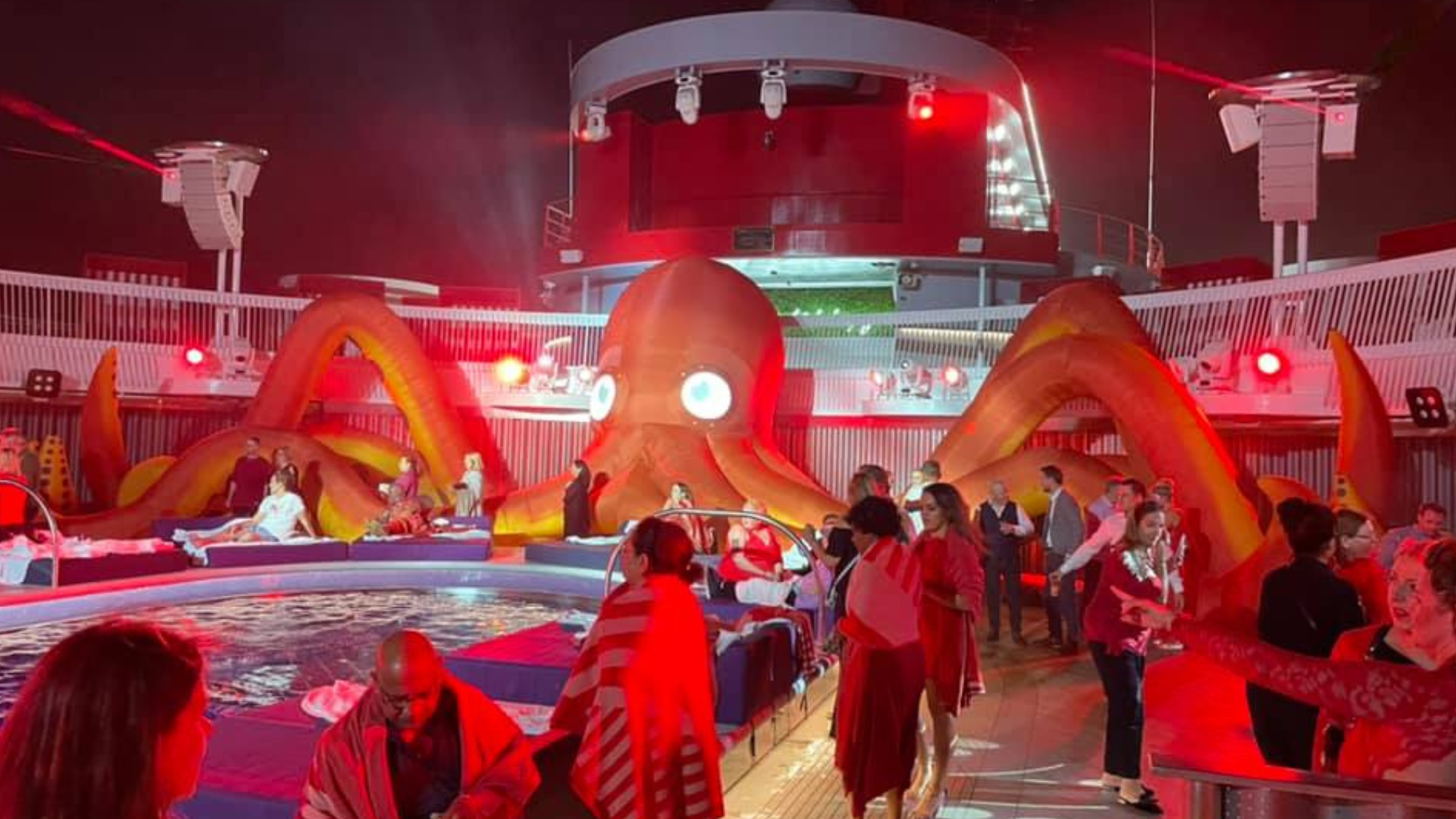
Scarlet Night is Virgin’s jaw-dropping signature event. The ship’s wake glows red, giant inflatable octopuses take over the atrium and pool, and performances pop up everywhere. The finale? A massive pool-deck dance party where everyone is dressed in red.

Packing tip: Anything red will do, but bold is better—sequins, feathers, or statement makeup.
👉 Pro Tip: Don’t just stick to one venue—wander and let Scarlet Night surprise you.

MSC Cruises’ White & Flower Glory Parties 🤍🌺

MSC is famous for its White Party—everyone dresses in white and dances under UV lights and lasers. They also host a Flower Glory Party (full 70s disco vibes) and even a Space Party (futuristic silent disco).

Packing tip: One white outfit is a must. For Flower Glory, think floral prints or tie-dye.
👉 Pro Tip: Ask the entertainment team early—theme nights are usually mid-cruise.


Carnival’s 80s Rock’n’Glow 🎸

Carnival loves a throwback, and their 80s Rock’n’Glow Party is packed with neon leggings, Madonna classics, and plenty of air guitar. Expect crew in wild costumes and the pool deck bouncing until midnight.

Packing tip: Glow sticks + scrunchie = instant 80s upgrade.
👉 Pro Tip: Carnival often does multiple parties on longer sailings—check the schedule so you can pace yourself.


Royal Caribbean’s 80s Night: YMCA Guaranteed 🕺

Royal also throws an 80s Night, and it’s not complete without crew dressed as the Village People. Passengers join in with neon, retro tees, and wigs—one of the most popular nights on board.

Packing tip: Bright colors and comfort are key—you’ll be dancing.
👉 Pro Tip: This one fills the dance floor fast, so arrive early if you want a prime spot.


P&O’s Gatsby Night: Old Sport Glamour 🥂

Step into the 1920s with Gatsby Night—flapper dresses, suspenders, feather headbands, and all that jazz. With live music and elegant cocktails, it’s perfect for a touch of vintage glamour.

Packing tip: Accessories are everything—a feathered headband or pearl necklace adds instant Gatsby sparkle.
👉 Pro Tip: The atrium makes the ultimate backdrop for a Gatsby-themed photo shoot.

How to Know What’s on Your Cruise 📲

Theme nights aren’t always listed until you’re onboard, but don’t panic—Facebook roll calls and cruise fan groups usually share recent schedules. A quick search of your ship’s name + “theme nights” will give you an idea of what to pack.

👉 Pro Tip: Check these groups before you sail—you’ll thank yourself when you know whether to pack neon, florals, or a pirate hat.


Holiday Sailings: Extra Fun 🎃🎄

Cruising during a holiday? Expect bonus theme nights. Halloween sailings bring costume contests and spooky décor, while Christmas and New Year’s are all about gala dinners, themed shows, and festive outfits.

Packing tip: A small Santa hat, witch headband, or sparkly NYE accessory barely takes up space in your bag but makes you part of the celebration.


Final Thoughts

Theme nights and dress codes aren’t about rules—they’re about fun. Whether you’re glowing at NCL’s Glow Party, dancing under Virgin’s giant red octopus, or channeling your inner flapper on P&O, the best nights at sea are the ones where you lean in and play along.

👉 Planning your next sailing? Don’t miss our Cruise Packing List Freebie to make sure you’ve got everything you need—from gala outfits to glow sticks.

Get Your FREE Cruise Packing List

Pack like a pro! Subscribe and we’ll send you our printable cruise packing checklist plus handy cruise tips.

No spam, no inbox overload — just useful cruise inspiration.

Anchors aweigh! You’re officially part of the Escapaders crew 🎉