Nassau Cruise Port Guide

Nassau Cruise Port Guide

Nassau Cruise Port Overview — What to Expect When You Arrive

Nassau is one of the Caribbean’s busiest and most recognisable cruise ports — and that shapes the experience from the moment you step ashore. It’s lively, colourful and easy to navigate, but it’s rarely quiet and it can feel commercial if you don’t know where to go.

The cruise port itself has been extensively redeveloped in recent years, making arrival smooth and well-organised. From the dock, Nassau opens straight into town, with shops, beaches and historic landmarks all within easy reach. You don’t need a plan to explore — but having one makes a big difference.

What surprises many first-time visitors is how varied Nassau can feel. One moment you’re walking past pastel colonial buildings and busy markets, the next you’re standing on a beach with clear blue water just minutes from the ship. At the same time, popular areas can become crowded quickly, especially on days when multiple ships are in port.

Nassau rewards a calm, selective approach. Choose a beach, a historic walk, or a short excursion — rather than trying to see everything — and the port becomes far more enjoyable.

This guide breaks down what Nassau actually feels like, what’s worth doing, and when it might be better to keep things simple and enjoy a quieter day.

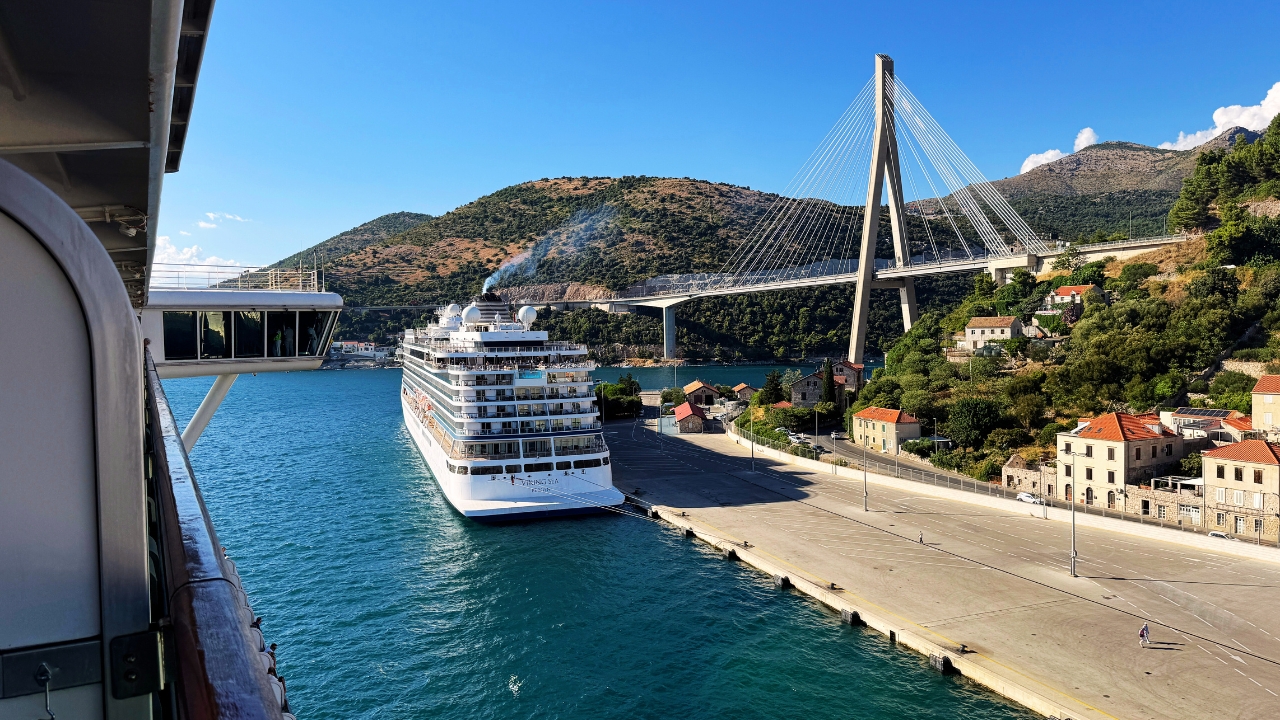
Cruise ships moored at Nassaue Cruise Port

Is Nassau Worth Leaving the Ship?

The honest answer? It depends on how many times you’ve been — and what you want from the day.

If this is your first visit, Nassau is absolutely worth stepping off for a few hours. It’s easy to navigate, close to the ship, and offers a simple introduction to Caribbean port days. A short wander through town, a walk up to the Queen’s Staircase, or a beach stop can make for a relaxed and enjoyable visit without much planning.

If you’ve visited before, the decision becomes more personal.

Nassau is one of the busiest cruise ports in the region. On days when multiple ships are docked, Bay Street and Junkanoo Beach can feel crowded and commercial. If you’ve already seen the main sights and aren’t drawn to a specific excursion, it can be one of the easiest ports to treat as a quieter ship day.


There’s no wrong choice here.

Some repeat cruisers use Nassau as a chance to enjoy the pool deck while others are ashore. Others head straight to Paradise Island or book a short beach or snorkelling excursion to experience a different side of the island.

The key is being intentional.
If you step off with no plan, Nassau can feel busy and underwhelming.
If you choose one simple focus — beach, history or resort pass — it works far better.

And if you’ve already done it all and simply want a slower morning onboard? Nassau is one of the Caribbean ports where that decision makes perfect sense.

🎒 Cruise Port Day Essentials

Is Nassau Walkable?

Yes — Nassau is one of the easiest Caribbean cruise ports to explore on foot.

The cruise ships dock right beside the town centre, and once you pass through the port area, you’re immediately on Bay Street. Shops, cafés and historic landmarks are within easy reach, and you don’t need transport unless you’re heading further afield.

For a simple self-guided walk, you can comfortably visit:

  • Bay Street and the Straw Market (just outside the port gates)

  • Queen’s Staircase (around a 15–20 minute walk uphill)

  • Fort Fincastle (next to the staircase)

  • Parliament Square (around 10 minutes from the dock)

Most of central Nassau is flat, although the walk up to the Queen’s Staircase and Fort Fincastle involves a gradual incline. It’s manageable for most people, but the heat can make it feel harder than it looks.

What About the Beaches?

  • Junkanoo Beach is about a 15-minute walk from the ship. It’s the closest beach and requires no transport, but it can be crowded on busy cruise days.

  • Cabbage Beach (Paradise Island) is not walkable from the port. You’ll need a taxi or water taxi to reach Paradise Island.

We have a seperate post on some of the best beaches near to Nassau Cruise Port HERE

Taxis and Water Taxis

If you don’t want to walk, taxis are readily available outside the port. Fares are generally fixed and displayed, though it’s worth confirming the price before setting off.

Water taxis to Paradise Island run regularly from the harbour and are a simple way to reach Atlantis or Cabbage Beach.

Beach scene at British Colonial Hotel

Best Things to Do in Nassau (Without Overcomplicating the Day)

Nassau works best when you choose one clear focus — beach time, light sightseeing, or a short excursion — rather than trying to fit everything in.

Here are the options that tend to work well on a cruise schedule.


🏖 Relax on the Beach

If you want a simple Caribbean beach day, Nassau makes that easy.

Junkanoo Beach
The closest beach to the cruise port, around a 15-minute walk away. It’s convenient and requires no transport, but it can feel busy when several ships are in port. Good for a quick swim and a couple of hours in the sun.

Cabbage Beach (Paradise Island)
Quieter and more scenic than Junkanoo, with clear turquoise water. You’ll need a taxi or water taxi to reach it, but it feels more like the classic Caribbean postcard.

Resort Day Passes
Properties such as British Colonial or Margaritaville offer day passes for pool and beach access. These can be a good middle ground — more comfortable than a public beach, without committing to a full excursion.

If you’re primarily after sun and sea, Nassau can deliver — just choose your spot intentionally.


🏛 Explore a Little History

Nassau has a compact historic core that works well for a relaxed walking route.

Queen’s Staircase & Fort Fincastle
A short uphill walk leads to the famous limestone staircase and small fort with harbour views. It doesn’t take long, but it gives you a sense of the island’s colonial past.

Parliament Square & Bay Street
Pastel buildings, government offices and the heart of downtown. It’s easy to combine with shopping or a café stop.

This kind of half-day wander works particularly well if you prefer light sightseeing over organised tours.


🐠 Book a Short Excursion

If you’d rather leave the navigation to someone else, Nassau offers easy half-day excursions.

Popular options include:

  • Snorkelling trips

  • Blue Lagoon Island visits

  • Swimming pigs excursions

  • Boat tours around the harbour

Because Nassau is so close to the ship, half-day tours tend to work well without feeling rushed.


🏝 Visit Paradise Island & Atlantis

Paradise Island sits just across the harbour and is easy to reach by taxi or water taxi.

You don’t need a full resort stay to enjoy it. Some visitors walk around the marina village, browse the shops, or book a day pass to access pools and beaches.

It’s a good option if you want something slightly different from downtown Nassau.


Choosing What Works Best

For many cruise passengers, Nassau is best approached as a relaxed half-day port.

A beach and a wander.
A short excursion and back onboard.
Or simply a scenic walk before returning to the ship.

Trying to “do it all” rarely improves the experience.

Excursions in Nassau — Cruise Line or Independent?

Nassau is one of the easiest Caribbean ports to explore without booking a formal excursion. The town is walkable, beaches are accessible, and taxis are plentiful.

That said, whether you book through the cruise line or independently depends on what you want from the day.

When You Don’t Need a Ship Excursion

You likely don’t need a formal excursion if you plan to:

  • Walk around downtown Nassau

  • Visit the Queen’s Staircase and Fort Fincastle

  • Spend time at Junkanoo Beach

  • Take a taxi or water taxi to Paradise Island

This is a straightforward port. Many cruisers comfortably explore on their own for a few hours and return without issue.

If you prefer flexibility and lower cost, going independently works well here.


When a Ship Excursion Makes Sense

Booking through the cruise line can be helpful if you’re planning:

  • A Blue Lagoon Island day

  • Swimming pigs experiences

  • Snorkelling or boat trips further from shore

  • A structured half-day tour with transport included

For excursions that take you further away from Nassau’s immediate harbour area, the built-in return guarantee from the cruise line offers peace of mind — especially if you’re new to cruising.


A Practical Middle Ground

Many visitors choose a simple independent beach morning, then return to the ship for lunch. Others book a short excursion early in the day and leave the afternoon free.

Because Nassau is close to the dock and easy to navigate, it’s a good port for balancing structure and flexibility.


A Note on Timing

If you book independently, always:

  • Confirm return times carefully

  • Leave a buffer before all-aboard time

  • Account for potential traffic if heading to Paradise Island

Nassau’s harbour can become busy on heavy cruise days, so a little caution goes a long way.

Conch Salad – Tjones242, CC BY-SA 4.0, via Wikimedia Commons

Food & Local Flavour in Nassau

Nassau isn’t just beaches and excursion desks — it’s also a good place to try a few classic Bahamian flavours if you’re curious.

You don’t need a full restaurant reservation to get a sense of it. Even a short stop for a local dish or drink can add something memorable to the day.

Try Conch (If You Haven’t Before)

Conch is the Bahamas’ signature ingredient and appears in several forms:

  • Conch fritters

  • Cracked conch

  • Fresh conch salad

If you’re new to it, fritters are the easiest introduction. They’re widely available near the port and along Bay Street.


Rum, Rum Cake & Local Sweets

The Bahamas has a strong rum tradition, and you’ll see rum cakes and tasting rooms throughout downtown Nassau.

A short tasting stop or takeaway cake makes for an easy, low-effort cultural moment — and it doesn’t require dedicating your whole port day to dining.


A Quick Word on Restaurants

Like many busy cruise ports, Nassau has its share of tourist-facing restaurants close to the dock. They’re convenient, but prices can reflect the location.

If you’re only ashore for a few hours, it’s often simplest to:

  • Grab a light bite locally

  • Return to the ship for a late lunch

  • Or plan one intentional stop rather than grazing randomly

Keeping it simple tends to work best here.


The Bottom Line

Nassau works well for small, intentional experiences.

A conch fritter and a wander.
A cold drink with a harbour view.
A quick stop in a local café before heading back onboard.

You don’t need a full culinary tour to feel like you’ve tasted something local.

Practical Tips for a Cruise Stop in Nassau

Here are a few simple things that make a Nassau port day easier.

💵 Currency

US dollars are widely accepted throughout Nassau, so you don’t need to exchange money for a short cruise stop. Credit cards are also accepted in most shops and restaurants near the port.


☀️ Heat & Sun

There’s limited natural shade in many areas, especially at Junkanoo Beach and along Bay Street. The Bahamian sun can feel intense even on breezy days.

  • Bring sunscreen ashore

  • Wear a hat

  • Carry water if you plan to walk uphill


🚕 Taxis & Transport

Taxis are easy to find outside the port gates. Fares are generally fixed by zone, but it’s always worth confirming the price before you set off.

Water taxis to Paradise Island run regularly and are a simple way to reach Atlantis or Cabbage Beach.


🕒 Crowds & Ship Days

Nassau is one of the Caribbean’s busiest cruise ports. On days with multiple ships in harbour, downtown and Junkanoo Beach can feel crowded.

If you prefer quieter surroundings:

  • Go ashore early

  • Head further from the dock

  • Or treat it as a relaxed onboard day


🛡 Safety

Nassau is generally safe in the main cruise areas during the day. As in any busy port:

  • Stay aware of your belongings

  • Avoid isolated streets

  • Politely decline persistent vendors if you’re not interested

A little awareness goes a long way.


📶 WiFi

Some cafés and areas within the port offer WiFi, but connection quality can vary. If staying connected is important, check with your cruise line’s onboard packages before relying on local access.


At a Glance

  • Easy to explore independently

  • Busy but manageable

  • Best approached with one simple plan

  • Perfectly acceptable as a ship day if you’ve been before

Who Nassau Suits Best

Nassau works particularly well for:

✔ First-Time Caribbean Cruisers

It’s easy to navigate, close to the ship, and offers a simple introduction to what Caribbean port days feel like.

✔ Beach-Focused Travellers

If your ideal stop is sun, sea and minimal logistics, Nassau delivers that without needing complicated transport.

✔ Families

The short distances, water taxis and organised excursions make it manageable with children.

✔ Cruise Passengers Who Prefer Flexibility

You can design your own half-day without committing to a full excursion.


It May Suit Less If You’re…

  • Looking for quiet, untouched island atmosphere

  • Visiting for the third or fourth time and want something very different

  • Expecting a secluded, boutique-style Caribbean experience

Nassau is lively and accessible — that’s its strength. But it’s rarely tranquil.


Final Thought

Approach Nassau with clear expectations and one simple plan, and it can be an enjoyable, low-stress port day.

Try to do everything at once, and it can feel busy and underwhelming.

Cruise stops are short. Choosing intentionally makes all the difference.

Continue Planning Your Caribbean Cruise

If Nassau is just one stop on your itinerary, you might find these guides helpful as you plan the rest of your trip.

You don’t need to plan everything at once — just take the next step that feels most useful.

A Simple, Low-Stress Cruise Planning Timeline

A Simple, Low-Stress Cruise Planning Timeline

Intro – Planning Without Panic

Most cruises are booked with excitement.

Somewhere between clicking “confirm” and sail day, that excitement can quietly turn into planning pressure.

  • When should you book excursions?
  • Do restaurants sell out?
  • Is it too early to look at flights?
  • What if you forget something important?

The internet doesn’t always help. Lists are long. Advice is urgent. Everything feels like it needs to be done immediately.

In reality, cruise planning works best in phases.

You don’t need to organise everything at once. You just need to know what matters now — and what can wait.

Here’s a simple way to approach it calmly.

Cruise ships moored at Nassaue Cruise Port

Phase 1: Right After You Book (Set the Foundations)

This phase isn’t about locking everything in.

It’s about quiet groundwork.

Right after booking, your only job is to make sure the essentials are covered. That means:

  • Checking passport validity

  • Arranging travel insurance

  • Noting your final payment date

  • Downloading the cruise line app

  • Confirming names and booking details

That’s it.

You don’t need to research every port immediately. 
You don’t need to study deck plans for hours. 
You don’t need to choose excursions yet.

This phase is simply about removing future stress before it appears.

Once those foundations are set, you can relax and enjoy looking forward to the trip.

white and red labeled box

Phase 2: When You’re Ready to Think About the Details

(Often 3–6 Months Before Sailing)

This is the phase where excitement builds again.

You might start browsing flights. Looking at pre-cruise hotels. Checking parking options. Glancing at deck plans. Reading a few port overviews.

That’s all perfectly reasonable.

This is the time to:

  • Book flights (if you haven’t already).

  • Reserve a pre-cruise hotel if you’re arriving the day before.

  • Arrange parking or transfers.

  • Choose your preferred dining time (if applicable).

  • It can also be helpful at this stage to glance at the cruise line’s excursion options — not to book immediately, but to get a sense of what’s available and how quickly popular tours may fill up.
  • Lightly research your ports.

Notice the word lightly.

You don’t need a full itinerary yet. You’re simply gathering information so nothing feels rushed later.

This phase is about smoothing logistics — not locking in every experience.

three person pointing the silver laptop computer

You Can Safely Ignore (For Now)

  • Booking speciality dining months in advance

  • Spa packages

  • Beverage packages

  • Finalising your packing list

  • Comparing every single excursion option

Those things can wait.

Right now, you’re just building a steady foundation.

Phase 3: When the Cruise Starts to Feel Close

(Often 1–3 Months Before Sailing)

This is the stage where your sailing begins to feel real.

Port names start to mean something. You might find yourself picturing the coastline, the old town, the beach, the café you haven’t visited yet.

This is a good time to research where you’re going and think about what would genuinely interest you.

Do you prefer history? A guided tour? A slow wander and lunch? A beach day? Or staying onboard altogether?

Understanding what appeals to you makes choosing excursions far easier — By this stage, you’ll already have a sense of what interests you — which makes booking feel intentional rather than reactive.

Popular cruise line excursions can and do sell out, particularly in high-demand ports or on busy sailings. If there’s a specific experience you really want, it makes sense to secure it at this stage.

That said, there’s no obligation to book anything.

Many ports are easy to explore independently. Some days might suit a relaxed walk and a coffee. And occasionally, staying onboard can be the better choice.

The goal isn’t to fill every port with a pre-booked activity.

It’s to choose deliberately — or choose nothing at all.

This is also the time to:

  • Complete online check-in as soon as your window opens. On many cruise lines, this can be 45–90 days before sailing, and earlier check-in often means better choice of embarkation times.

  • Select your arrival time (if required)

  • Review speciality dining (if that matters to you)

  • Consider beverage packages only if they suit your style

You’re not trying to control every detail.

You’re simply removing avoidable stress.

a calendar with red push buttons pinned to it

Phase 4: The Final Two Weeks

At this point, most of the meaningful decisions have already been made.

You’re not planning anymore.
You’re simply preparing.

This is when you:

  • Confirm travel arrangements and transfer details

  • Print luggage tags

  • Double-check passport and insurance documents

  • Set up any necessary payments in the cruise app

  • Make sure medication and essentials are organised

Now is also the time to look at your packing list — not to overthink it, but to make sure the basics are covered.

You don’t need to pack for every possible scenario.
You don’t need outfits for every themed night unless you genuinely want to participate.

You just need what makes you comfortable.

The final two weeks should feel reassuring, not frantic.

If something hasn’t been booked by now, ask yourself whether it truly matters. Very often, the answer is no.

This phase isn’t about squeezing in last-minute upgrades.

It’s about arriving at embarkation feeling calm and ready.

Cruise Planning Isn’t a Race

Cruise planning often feels urgent because the internet makes it feel urgent.

But most of what matters can be handled calmly — and in stages.

You don’t need to know everything at once.
You don’t need to book everything immediately.
You don’t need to optimise every hour.

You just need clarity about what matters now.

Confidence comes from understanding how cruise life actually feels onboard.
It comes from knowing when a port is worth your energy — and when it isn’t.
It comes from packing what genuinely makes life easier.
And it comes from giving yourself permission to cruise at your own pace.

When those pieces are in place, the timeline becomes simple.

You’re not reacting to pressure.

You’re preparing deliberately.

And that’s when cruising starts to feel exciting again — not overwhelming.

What Life on a Cruise Ship Is Really Like (Common Worries Answered)

What Life on a Cruise Ship Is Really Like (Common Worries Answered)

Intro

If you’ve never cruised before, it’s easy to imagine extremes.

Too crowded. Too noisy. Too many germs. Too much drinking. Too little to do.

Photos online don’t always help. They show highlights — not everyday reality.

So what is life on a cruise ship actually like?

After more than 50 cruises between us, here’s the honest version. Calm. Balanced. And far less dramatic than you might think. If this is your first cruise and you’re still working through the basics, our calm first-time cruise guide walks through what actually matters — and what doesn’t.

Don’t You Get Bored?

This is one of the most common questions we’re asked.

Modern cruise ships aren’t small vessels with little to do. They’re closer to floating resorts. There are shows, talks, fitness classes, cafés, pools, quiet lounges, live music, deck walks, reading corners — and that’s before you even leave the ship.

But here’s the important part:

You don’t experience it all at once.

Within a day or two, you settle into your own rhythm. A favourite coffee spot. A preferred deck for sunset. A lounge that feels comfortable.

You’re not expected to fill every hour.

Some sea days are busy. Some are slow. Most sit comfortably in between.

Boredom isn’t usually the issue.

Over-planning sometimes is.

Couple enjoying drinks in a relaxed cruise ship lounge at sunset

Do You Get Seasick?

In over 50 cruises, one of us has felt mildly seasick once. The other never has.

Modern cruise ships are remarkably stable, especially the larger ones. They’re fitted with advanced stabilisers designed specifically to reduce motion.

That doesn’t mean you’ll never feel movement. In rough weather, you might notice a gentle sway. But for most sailings, especially in calmer regions, it’s barely noticeable.

If you’re particularly prone to motion sickness, there are simple precautions you can take — and we’ve covered those in more detail in our guide to managing seasickness.

For most people, it’s a worry that fades quickly once onboard.

Aren’t Cruise Ships Full of Germs?

Cruise ships are probably more hygiene-conscious than many land-based resorts.

You’ll see hand-washing stations at buffet entrances. Crew regularly wipe down stairwell banisters, lift buttons, railings and shared surfaces. Hand sanitiser stations are everywhere — especially when embarking and returning from port.

Hygiene isn’t an afterthought. It’s operationally embedded.

Like any shared space — hotels, restaurants, airports — sensible precautions matter. But the idea that cruise ships are uniquely unhygienic doesn’t reflect what you actually see onboard.

If anything, the visibility of cleaning efforts tends to reassure rather than alarm.

Are Cruise Ships Full of Drunken Parties?

Some cruise lines have a livelier reputation than others.

And yes — there are pool bars, themed nights and the occasional enthusiastic dance floor.

But that’s rarely the whole picture.

Cruise ships are layered environments. The lively pool deck in the afternoon sits just a short walk from a quiet observation lounge. A busy sail-away party doesn’t prevent a calm dinner or a peaceful top-deck sunset.

We enjoy a drink onboard — our logo probably gives that away — but we’ve never found cruising to feel chaotic unless you deliberately seek that atmosphere.

Even on lines known for energy, there are always calmer spaces.

The key is choosing the cruise line — and the onboard spaces — that suit your style.

Will I Feel Overwhelmed on a Big Ship?

Large ships can look intimidating in photos.

Multiple decks. Long restaurant lists. Packed activity schedules.

But onboard, the experience feels far more manageable.

Ships are designed in “neighbourhoods.” You move through them gradually. Within a couple of days, the layout feels familiar.

And something else happens.

You start recognising the crew. They recognise you. A barista remembers your coffee order. A waiter greets you by name. Small interactions make a large ship feel surprisingly personal.

You don’t need to attend every activity. You don’t need to try every restaurant.

Big doesn’t mean overwhelming.

It usually just means more choice — and more space to find your own pace.

What a Typical Sea Day Actually Feels Like

Sea days are often misunderstood.

People imagine non-stop activity — or complete boredom.

Most sea days settle somewhere comfortably in between.

Mornings tend to feel unhurried. Coffee on deck. A quiet walk. A glance at the daily programme — not to plan every minute, but to see what appeals.

Some people head to the gym at 6am. Others sleep in. Both feel normal.

Throughout the day, shops stay open. The casino hums quietly in the background. Spa appointments fill up. There might be a cooking demonstration, an enrichment talk, or even a towel-folding lesson.

Or none of it.

Afternoons can mean a swim, a book, a nap, or simply watching the horizon.

There’s no packing. No rushing ashore. No timetable to beat. And when your ship is in port, deciding whether to head ashore or enjoy that same calm onboard rhythm can be just as important.

Sea days aren’t about filling time.

They’re about enjoying the absence of pressure.

For many cruisers, they become the most unexpectedly relaxing part of the trip.

Lady enjoying coffee whilst relaxing on a cruise ship longer

You Don’t Have to Cruise Like Everyone Else

There isn’t one correct way to cruise.

Some people leave the ship in every port.
Some skip a few.
Some stay up late.
Some are on deck at sunrise.

Even within the same cabin, rhythms can differ. One person might be in the gym at 6am. The other might be lingering over coffee in a quiet lounge.

Cruise ships allow that flexibility.

You can spend part of the day together and part separately — and still share the experience.

You’re not behind if you skip something.
You’re not doing it wrong if you rest.

Cruising works best when it reflects your energy, not someone else’s.

And once you realise that, most of the common worries lose their power.

Cruise Items That Genuinely Make Life Easier (and What You Can Skip)

Cruise Items That Genuinely Make Life Easier (and What You Can Skip)

Why Most Cruise Packing Lists Make Things Harder

If you’ve searched for cruise packing advice online, you’ve probably noticed one thing very quickly: most lists are long. Very long.

They’re often framed as “must-haves” or “essentials”, and before you know it, packing for a holiday starts to feel like preparing for every possible scenario — many of which never actually happen. Instead of feeling organised, it’s easy to feel overwhelmed.

The problem isn’t that these lists are malicious or wrong. It’s that they’re usually built around possibility, not probability. Just because something could be useful doesn’t mean it will be — or that it’s worth the space, cost, or mental load.

In practice, many cruise-specific items solve problems you’re unlikely to encounter, duplicate what the ship already provides, or add clutter without adding comfort. Others are bought out of fear — fear of being unprepared, missing out, or “doing cruising wrong”.

Experience changes that perspective.

If you’re new to cruising, our calm first-time cruise guide explains why you don’t need to get everything right to have a great trip.

After a few cruises, you start to notice which items you actually reach for, which ones stay untouched in the cabin, and which things quietly make the day smoother without drawing attention to themselves. You also learn that forgetting something rarely ruins a cruise — and that most minor gaps can be filled onboard or ashore with very little stress.

This guide isn’t about packing less for the sake of it.
It’s about packing more intentionally — and letting go of the idea that a perfect packing list exists.

Image by izhar ahamed from Pixabay

The Test We Use Before Bringing Anything on a Cruise

Over time, we’ve stopped asking whether something is labelled as a “cruise essential” and started asking a much simpler question:
Will this actually make our cruise easier?

Before anything earns a place in our luggage, it has to pass a few quiet tests. They’re not rigid rules — just prompts that help us pack with intention rather than habit.

Does this solve a real problem we’ve actually had?
If an item is designed to fix an issue we’ve never encountered, it’s unlikely to be worth bringing. Experience is a better guide than hypothetical scenarios.

Would we genuinely miss it if we didn’t bring it?
Some items sound useful in theory but don’t cross our minds once we’re onboard. If we wouldn’t notice its absence, it probably doesn’t deserve the space.

Does it make the day smoother — or just add clutter?
The best cruise items quietly remove friction. They don’t need explaining, managing, or setting up. If something creates more hassle than help, it usually stays at home next time.

Is this something the ship already provides?
Cruise ships are well-equipped, and many “must-have” items duplicate what’s already available in the cabin or around the ship. Packing what you already have access to rarely improves the experience.

Is this about comfort — or just reassurance?
This is an important one. Some items are packed to make us feel prepared rather than to meet a real need. There’s nothing wrong with reassurance, but it’s worth being honest about the difference.

These questions have gradually simplified how we pack. Instead of chasing the perfect list, we focus on a small number of items that consistently earn their place — and we let the rest go.

That mindset doesn’t just make packing easier.
It makes the cruise itself feel lighter too.

Keeping the cabin organised.

Cruise cabins are cleverly designed, but they’re still compact — and it doesn’t take much for surfaces to feel cluttered. We’ve found that a few simple solutions make a noticeable difference, especially on longer sailings.

Small items that create vertical space tend to help most. Being able to hang lightweight things like day bags, hats, lanyards, or jackets keeps them visible and easy to grab, rather than piled on chairs or the bed. One surprisingly effective option is a vertical shoe rack hung inside the wardrobe, which keeps shoes contained, easy to see, and off the floor — a simple fix that’s especially helpful if you’re sharing a cabin.

Likewise, having one dedicated place for everyday essentials — cards, sunglasses, room keys — stops that constant “where did we put it?” feeling.

The goal isn’t to organise everything. It’s to reduce friction.
If something helps us find what we need quickly, keeps surfaces clear, or makes the cabin feel calmer when we walk back in, it’s usually earned its place.

Items That Sound Useful — But Usually Aren’t

There’s no shortage of cruise-specific products promising to make life easier onboard. Many of them sound sensible at first glance — especially if you’re new to cruising — but in practice, they often add more clutter than comfort.

Some items fall into the category of “just in case”. They’re bought to cover unlikely scenarios and then spend the entire cruise untouched in a drawer. Others duplicate things the ship already provides, or solve problems that never really arise in day-to-day cruising.

Bulky organisers are a common example. While they can look impressive in packing videos, they often take up valuable luggage space and create more setup than benefit once you’re onboard. Cruise cabins don’t usually reward over-organisation — simplicity tends to work better.

Gadgets designed to “optimise” the cruise experience can fall into the same trap. If something requires explaining, assembling, or constant management, it’s worth asking whether it’s genuinely improving the holiday — or just adding another thing to think about.

We’ve also learned to be cautious of items that promise to turn a cabin into something it isn’t. Cruise cabins are functional, comfortable spaces, but they’re still cabins. Trying to recreate a home setup often leads to frustration rather than ease.

That doesn’t mean these items never work for anyone. It just means they don’t work for us — and that’s an important distinction. Experience has taught us that fewer, well-chosen items tend to do far more than a suitcase full of clever-sounding solutions.

If an item earns its place, it’s because it quietly makes the cruise easier — not because it sounded convincing online.

Why Less Stuff Usually Makes Cruises Better

One of the quieter lessons cruising teaches is that more preparation doesn’t always lead to more enjoyment.

The less we bring, the easier everything feels. Packing takes less time. Unpacking is quicker. The cabin feels calmer. There’s less to manage, less to move around, and less to keep track of — which frees up mental space to actually enjoy the trip.

This becomes especially noticeable once you’re onboard. Cruise days already come with a natural rhythm: meals, ports, sea days, evenings. When you’re not surrounded by gear you rarely use, it’s easier to settle into that rhythm instead of constantly adjusting it.

Less stuff also makes transitions smoother. Port days are simpler when you’re not repacking bags or sorting through clutter. Disembarkation feels lighter when you’re not wrestling with things you didn’t really need. Even small moments — getting dressed, finding your sunglasses, heading out for coffee — become easier when everything has a clear purpose.

Perhaps most importantly, packing less reduces pressure. There’s no sense that you need to “use” everything you brought to justify bringing it. You stop worrying about whether you packed perfectly and start trusting that you’ll adapt as you go.

Cruises are designed to take care of you. Once you lean into that, you realise you don’t need to bring solutions for every possibility — just a few well-chosen items that genuinely support the way you travel.

Less stuff doesn’t mean being underprepared.
It usually means feeling more relaxed.

What We Pack Now (After Many Cruises)

What we pack now looks very different from what we brought on our first few cruises.

Early on, we packed defensively — trying to anticipate every possible scenario, just in case something went wrong or caught us out. Over time, experience has replaced that mindset with confidence. We’ve learned which items we actually use, which ones quietly make the day easier, and which things simply take up space.

Our packing now is lighter, simpler, and far more intentional. We focus on a small number of items that consistently earn their place, and we’re comfortable leaving the rest behind. If something doesn’t clearly make the cruise easier or more enjoyable, it usually doesn’t come with us next time.

We’ve also learned to trust the ship. Cruise ships are well-equipped, and most small gaps can be filled onboard without stress. That knowledge removes a lot of pressure from packing and makes the whole process feel less fraught.

Perhaps the biggest change is that we no longer aim for the “perfect” packing list. We aim for a good-enough one — something that supports the way we travel without turning preparation into a project.

Packing this way doesn’t just simplify the suitcase.
It makes the cruise itself feel calmer and more flexible.


A Few Items That Consistently Earn Their Place for Us

Over time, a small number of items have proved their value again and again. They’re not dramatic or glamorous — they simply make life onboard easier.

A lightweight vertical shoe organiser
Hung inside the wardrobe, it keeps shoes contained and off the floor without taking up valuable space. It’s especially helpful when sharing a cabin.

A couple of strong magnetic hooks
Cabin walls are often magnetic, and having a few discreet hooks for hats, bags, or lanyards keeps surfaces clear and things easy to grab.

A reusable water bottle
Staying hydrated — especially in warm climates — makes a noticeable difference to energy levels. A small bottle is easier than constantly buying drinks ashore.

One small “essentials pouch”
Keeping cards, sunglasses, and room keys in one place avoids that daily rummaging feeling. Equally handy when going ashore.

None of these items are revolutionary.
They just quietly remove friction.

Deciding what to bring often depends on how you plan to spend your time ashore — and not every port requires the same approach.

You Don’t Need the Perfect Cruise Packing List

It’s easy to believe that forgetting the right item could somehow derail a cruise. In reality, very little has that much power.

Most things you forget can be worked around, borrowed, bought, or simply done without. Cruise lines are used to helping passengers adapt, and fellow cruisers are often far more resourceful — and kind — than we expect.

The best cruises aren’t defined by perfectly packed suitcases. They’re defined by how relaxed you feel, how easily you settle into the rhythm of the trip, and how confident you are in handling small imperfections as they arise.

If your packing helps you feel comfortable and prepared — without weighing you down — then you’ve done it right.

Everything else is optional.

How to Decide Whether a Cruise Port Is Worth Leaving the Ship For

How to Decide Whether a Cruise Port Is Worth Leaving the Ship For

One of the great joys of cruising is waking up somewhere new.

Ports are often what draw us to an itinerary in the first place — the promise of new places, different cultures, and the excitement of stepping ashore somewhere you’ve never been before. Exploring ports is a huge part of why we cruise, and it’s something we genuinely love.

But after many cruises, we’ve also learned something else: not every port day needs to look the same.

Some ports reward curiosity and wandering. Others are familiar, brief, weather-dependent, or simply don’t match how we’re feeling that day. Over time, we’ve realised that the best cruise experiences come not from treating every port as a must-do, but from deciding — calmly and intentionally — what’s actually worth our time and energy.

This guide isn’t about avoiding ports or staying onboard for the sake of it. It’s about helping you decide, port by port, what will make this day feel like a good day — without pressure, guilt, or fear of missing out.

There Is No Rule That Says You Have to Leave the Ship

One of the strongest — and least talked about — pressures in cruising is the unspoken idea that you’re supposed to leave the ship at every port.

When the gangway opens and most passengers head ashore, it can feel like staying onboard means you’re doing cruising “wrong” or wasting an opportunity. In reality, there’s no rule that says every port day has to be spent off the ship.

A cruise itinerary is a collection of options, not obligations. Each port offers a choice — not a requirement — and that choice can change depending on the port itself, the weather, your energy levels, and how you’re feeling on that particular day.

Experienced cruisers don’t treat port days as a checklist to complete. They treat them as decisions to be made — sometimes to explore, sometimes to rest, and sometimes to do something very simple, like a short walk and a coffee before heading back onboard.

None of those choices mean you’re missing out. They simply mean you’re cruising in a way that suits you.

When Leaving the Ship Usually Is Worth It

While not every port day needs to be treated the same, there are plenty of times when leaving the ship genuinely adds something special to a cruise.

Some ports are simply a joy to explore. Walkable towns, scenic waterfronts, historic old quarters, or places where the port drops you right into the heart of the destination often reward even a short visit. In these cases, stepping ashore can feel easy, unhurried, and immediately worthwhile.

There are also ports that feel like a once-in-a-lifetime opportunity. Maybe it’s a place you’ve always wanted to see, somewhere you’re unlikely to visit again, or a destination that feels very different from anywhere else on your itinerary. When curiosity and excitement are high, going ashore often feels like the obvious choice.

Longer port days can also make a difference. When you have plenty of time, there’s less pressure to rush, less worry about watching the clock, and more freedom to explore at your own pace. These are often the days when independent wandering, relaxed lunches ashore, or a simple plan can work beautifully.

Overnight or late-night port stays can also change how worthwhile a port feels. When a ship stays late — or overnight — the pressure to rush disappears. There’s time to explore more slowly, enjoy an evening meal ashore, or see a destination after the daytime crowds have thinned.

Experiencing a port at night can reveal a completely different side to it, and for many cruisers, those evening hours end up being more memorable than a busy daytime visit. When time is generous, going ashore often feels far more rewarding.

Sometimes, leaving the ship is worth it simply because you want to. You’re well-rested, the weather’s good, and the idea of going ashore feels appealing rather than obligatory. That instinct matters. Enjoyment is a perfectly valid reason to step off the ship.

The common thread in all of these situations is choice. Leaving the ship tends to be most rewarding when it feels like something you’re looking forward to — not something you feel you should do.

And when that’s the case, port days can become some of the most memorable moments of a cruise.

When Staying Onboard Can Be the Better Choice

Just as some ports reward exploration, there are times when staying onboard is simply the better option — and that doesn’t mean a port is “bad” or that you’re doing cruising wrong.

Sometimes it comes down to time. Short port calls, early all-aboard times, or ports that require tendering can turn a visit into a rushed exercise in watching the clock. When the effort outweighs the enjoyment, staying onboard can make the day feel far more relaxed.

Conditions matter too. Weather can completely change the experience of a port. Heavy rain, intense heat, high humidity, or rough seas can make getting ashore far more draining than enjoyable. We’ve felt this particularly on summer cruises, where pushing through crowded, sun-baked streets has occasionally left us wishing we’d chosen a quieter pool day onboard instead.

Experience plays a role as well. Some ports appear on itineraries again and again, and after a few visits, the urgency naturally fades. In those cases, staying onboard isn’t about missing out — it’s about recognising that you’ve already had that experience, and today doesn’t need to repeat it.

Personal comfort and boundaries matter too. Everyone brings different experiences, confidence levels, and physical limits to a cruise. Our own experiences have shaped how we approach certain ports. On an early visit to Jamaica, an uncomfortable encounter with a vendor left us feeling on edge, and that feeling has stayed with us. Since then, the overall vibe hasn’t quite felt right for us, and we’re more selective about how we spend port days there.

That said, we’ve also had genuinely positive experiences in Jamaica — particularly on organised excursions. Visits to Dunn’s River Falls and Rose Hall Great House were memorable and enjoyable, and showed us a very different side of the destination. Those mixed experiences are exactly why we now decide port by port, and day by day.

Finally, there’s the ship itself. On port days, especially when most passengers head ashore, the ship often feels calmer and more spacious. Loungers are easier to find, cafés are quieter, and the pace slows noticeably. For many cruisers, those peaceful onboard days become some of the most restorative moments of the entire trip.

Staying onboard isn’t about opting out of the cruise. It’s about choosing the version of the day that feels right for you.

If you’re unsure what a relaxed onboard day actually feels like, we’ve described that in more detail here.

Questions We Ask Ourselves Before Every Port Day

Over time, we’ve stopped thinking about port days in terms of what we should do, and started thinking about what will actually make the day enjoyable.

These are the questions we quietly run through before deciding whether to leave the ship. There are no right or wrong answers — they simply help bring clarity.

Are we genuinely excited about this port today?
Excitement matters. If curiosity is high, that’s usually a good sign it’s worth going ashore. If enthusiasm feels forced, it may be worth pausing.

How much time do we realistically have?
A long, relaxed port day feels very different from a short call with an early all-aboard time. The more rushed the schedule, the higher the effort needs to be worth it.

What will the effort look like?
Is the port walkable? Does it involve tendering, long queues, or busy transport? Sometimes the journey itself determines whether the day feels enjoyable or draining.

What are the conditions like today?
Weather, heat, crowds, and sea conditions can completely change the experience. A port that’s appealing on one visit might feel very different the next time.

How are we feeling physically and mentally?
Energy levels matter. If we’re tired, overstimulated, or simply craving a slower day, that’s information — not something to push through.

Have we been here before?
Repeat ports naturally lose urgency. If we’ve already explored a destination, we might choose to save our energy for somewhere that feels newer or more exciting later in the itinerary.

Would staying onboard actually make today better?
Sometimes the answer is yes — quieter spaces, a slower pace, and time to rest can make the whole cruise more enjoyable.

None of these questions are about avoiding experiences. They’re about choosing the version of the day that feels right this time.

And that choice can change from one port to the next.

What We Do Now (After Many Cruises)

After many cruises, our approach to port days has changed — not because we enjoy cruising any less, but because we understand it better.

We no longer expect every port to deliver the same kind of experience, and we don’t choose itineraries assuming we’ll love every stop equally. Some cruises are booked for one or two standout destinations, with others included along the way. That doesn’t lessen the value of the trip — it simply reflects how cruising actually works.

On some days, we’re keen to explore. We’ll head ashore early, wander, take our time, and enjoy being somewhere new. On other days, we might opt for a short walk and a coffee, or decide that staying onboard makes more sense — especially if we’ve visited the port before, the timing feels rushed, or we’re simply not in the mood.

Past experiences also shape those decisions. Ports that feel comfortable and rewarding independently are approached differently from those where we prefer organised excursions — or where we’re happy to enjoy a quieter day on the ship instead. That’s not about fear or avoidance; it’s about recognising what works for us.

Most importantly, we give ourselves permission to decide port by port, rather than committing to one approach for the entire cruise. Some days are for exploring. Others are for resting. Both contribute to a better overall experience.

Cruising, for us, has become less about ticking off places and more about enjoying the rhythm of the journey.


You’re Not Missing Out by Choosing What Suits You

One of the biggest myths in cruising is that you have to do everything to get your money’s worth.

In reality, the most enjoyable cruises are often the ones where you stop measuring experiences and start paying attention to how the days feel. A relaxed afternoon onboard, a quiet coffee by the sea, or a decision to sit one port out can add just as much value as a busy day ashore.

Choosing what suits you isn’t missing out — it’s making the most of the flexibility cruising offers. Ports will always be there, and no single day defines the success of a trip.

If you finish a cruise feeling rested, confident, and content with the choices you made, then you’ve done it right. Not because you followed a rule, but because you listened to yourself.

And that, ultimately, is what cruising is meant to allow.

Get Your FREE Cruise Packing List

Pack like a pro! Subscribe and we’ll send you our printable cruise packing checklist plus handy cruise tips.

No spam, no inbox overload — just useful cruise inspiration.

Anchors aweigh! You’re officially part of the Escapaders crew 🎉