Intro – Planning Without Panic
Most cruises are booked with excitement.
Somewhere between clicking “confirm” and sail day, that excitement can quietly turn into planning pressure.
- When should you book excursions?
- Do restaurants sell out?
- Is it too early to look at flights?
- What if you forget something important?
The internet doesn’t always help. Lists are long. Advice is urgent. Everything feels like it needs to be done immediately.
In reality, cruise planning works best in phases.
You don’t need to organise everything at once. You just need to know what matters now — and what can wait.
Here’s a simple way to approach it calmly.
Phase 1: Right After You Book (Set the Foundations)
This phase isn’t about locking everything in.
It’s about quiet groundwork.
Right after booking, your only job is to make sure the essentials are covered. That means:
-
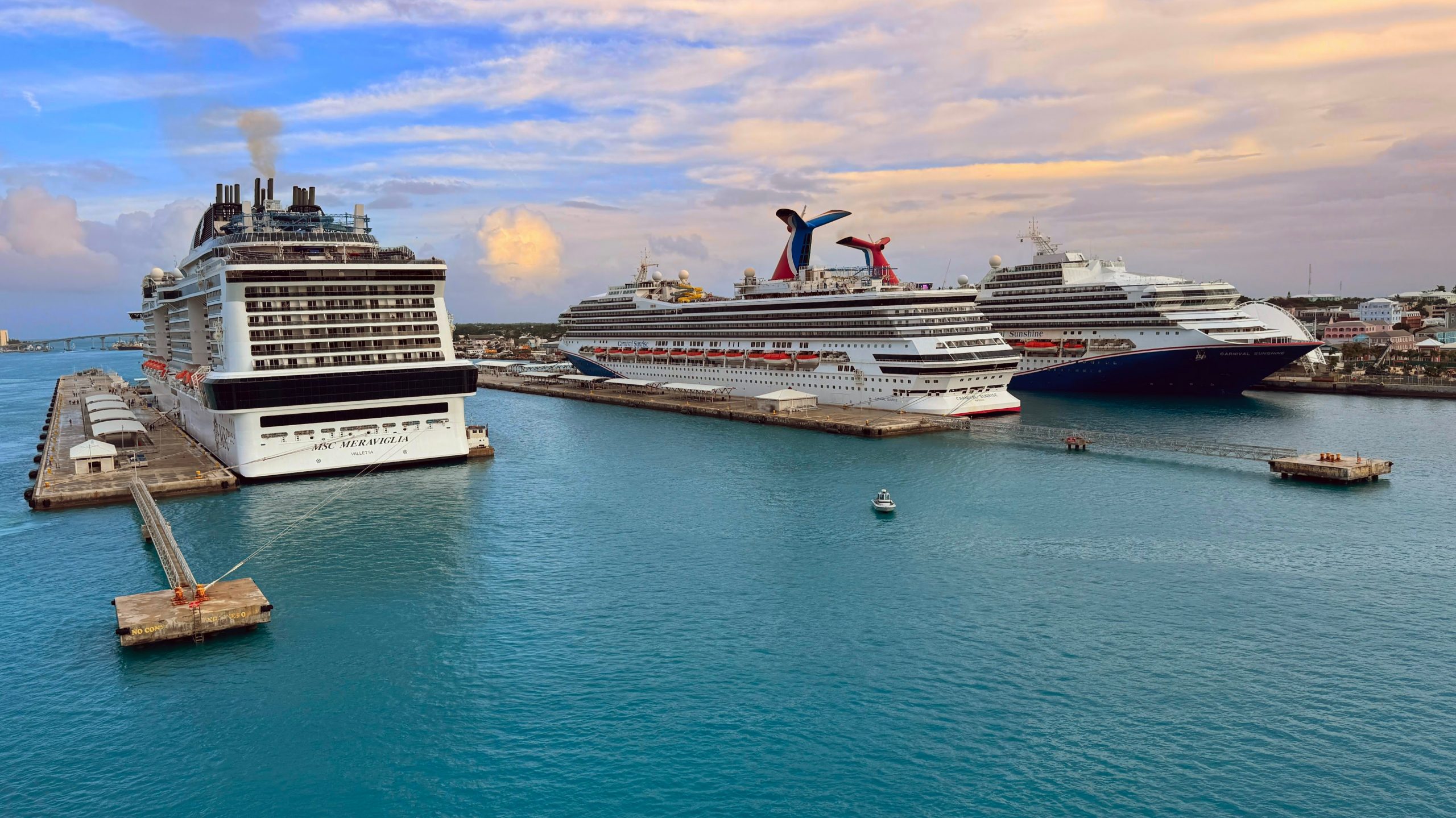
Checking passport validity
-
Arranging travel insurance
-
Noting your final payment date
-
Downloading the cruise line app
-
Confirming names and booking details
That’s it.
You don’t need to research every port immediately.
You don’t need to study deck plans for hours.
You don’t need to choose excursions yet.
This phase is simply about removing future stress before it appears.
Once those foundations are set, you can relax and enjoy looking forward to the trip.
Phase 2: When You’re Ready to Think About the Details
(Often 3–6 Months Before Sailing)
This is the phase where excitement builds again.
You might start browsing flights. Looking at pre-cruise hotels. Checking parking options. Glancing at deck plans. Reading a few port overviews.
That’s all perfectly reasonable.
This is the time to:
-
Book flights (if you haven’t already).
-
Reserve a pre-cruise hotel if you’re arriving the day before.
-
Arrange parking or transfers.
-
Choose your preferred dining time (if applicable).
- It can also be helpful at this stage to glance at the cruise line’s excursion options — not to book immediately, but to get a sense of what’s available and how quickly popular tours may fill up.
- Lightly research your ports.
Notice the word lightly.
You don’t need a full itinerary yet. You’re simply gathering information so nothing feels rushed later.
This phase is about smoothing logistics — not locking in every experience.

You Can Safely Ignore (For Now)
-
Booking speciality dining months in advance
-
Spa packages
-
Beverage packages
-
Finalising your packing list
-
Comparing every single excursion option
Those things can wait.
Right now, you’re just building a steady foundation.
Phase 3: When the Cruise Starts to Feel Close
(Often 1–3 Months Before Sailing)
This is the stage where your sailing begins to feel real.
Port names start to mean something. You might find yourself picturing the coastline, the old town, the beach, the café you haven’t visited yet.
This is a good time to research where you’re going and think about what would genuinely interest you.
Do you prefer history? A guided tour? A slow wander and lunch? A beach day? Or staying onboard altogether?
Understanding what appeals to you makes choosing excursions far easier — By this stage, you’ll already have a sense of what interests you — which makes booking feel intentional rather than reactive.
Popular cruise line excursions can and do sell out, particularly in high-demand ports or on busy sailings. If there’s a specific experience you really want, it makes sense to secure it at this stage.
That said, there’s no obligation to book anything.
Many ports are easy to explore independently. Some days might suit a relaxed walk and a coffee. And occasionally, staying onboard can be the better choice.
The goal isn’t to fill every port with a pre-booked activity.
It’s to choose deliberately — or choose nothing at all.
This is also the time to:
-
Complete online check-in as soon as your window opens. On many cruise lines, this can be 45–90 days before sailing, and earlier check-in often means better choice of embarkation times.
-
Select your arrival time (if required)
-
Review speciality dining (if that matters to you)
-
Consider beverage packages only if they suit your style
You’re not trying to control every detail.
You’re simply removing avoidable stress.
Phase 4: The Final Two Weeks
At this point, most of the meaningful decisions have already been made.
You’re not planning anymore.
You’re simply preparing.
This is when you:
-
Confirm travel arrangements and transfer details
-
Print luggage tags
-
Double-check passport and insurance documents
-
Set up any necessary payments in the cruise app
-
Make sure medication and essentials are organised
Now is also the time to look at your packing list — not to overthink it, but to make sure the basics are covered.
You don’t need to pack for every possible scenario.
You don’t need outfits for every themed night unless you genuinely want to participate.
You just need what makes you comfortable.
The final two weeks should feel reassuring, not frantic.
If something hasn’t been booked by now, ask yourself whether it truly matters. Very often, the answer is no.
This phase isn’t about squeezing in last-minute upgrades.
It’s about arriving at embarkation feeling calm and ready.

Cruise Planning Isn’t a Race
Cruise planning often feels urgent because the internet makes it feel urgent.
But most of what matters can be handled calmly — and in stages.
You don’t need to know everything at once.
You don’t need to book everything immediately.
You don’t need to optimise every hour.
You just need clarity about what matters now.
Confidence comes from understanding how cruise life actually feels onboard.
It comes from knowing when a port is worth your energy — and when it isn’t.
It comes from packing what genuinely makes life easier.
And it comes from giving yourself permission to cruise at your own pace.
When those pieces are in place, the timeline becomes simple.
You’re not reacting to pressure.
You’re preparing deliberately.
And that’s when cruising starts to feel exciting again — not overwhelming.