What Makes A Good First Cruise?

What Makes A Good First Cruise?

Introduction

Booking your first cruise is exciting — but it can also be overwhelming. With so many itineraries, ship sizes and cruise lengths available, it’s easy to assume that any sailing will give you a fair taste of what cruising is like.

The reality is a little more nuanced.

Some cruises showcase the best of cruise life. Others represent very specific styles of sailing that may not reflect the experience most people associate with cruising.

Your first cruise shapes your perception. It’s worth choosing one that gives cruising a fair chance.
Why Your First Cruise Matters

Cruising has its own rhythm.

It takes a day or two to settle in. You learn how dining works, how the onboard account functions, how sea days feel, and how the flow between ship and port comes together.

If your first cruise is too short, too intense or unusually structured, you may walk away thinking:

“This isn’t for me.”

When in reality, you may simply have chosen an outlier experience.

Why Very Short Cruises Can Be Misleading

Three- and four-night cruises are often marketed as ideal “tasters.”

They can be fun, energetic and social — but they’re not always representative.

Short sailings often:

  • Attract celebratory groups

  • Have a higher party atmosphere

  • Feel compressed and fast-paced

  • Leave little time to fully explore the ship

There’s absolutely nothing wrong with that style of cruise. For many, it’s exactly what they’re looking for.

But if you’re trying to understand what cruise life is generally like, a short mini sailing may not provide the most balanced introduction.

Why Very Long Sailings Aren’t Always Ideal Either

At the other end of the spectrum are long repositioning cruises or transatlantic crossings.

These can be wonderful experiences — relaxed, sea-day focused and often excellent value per night.

But they’re also quite specific in tone:

  • Many consecutive sea days

  • Slower pace

  • Different onboard demographic

  • Less port variety

For experienced cruisers, they can be fantastic.

For a first-time cruiser, they may feel like a deep end introduction.
The Sweet Spot: A Balanced 7–10 Night Sailing

For many first-time cruisers, 7–10 nights often feels like the right balance.

It’s long enough to:

  • Experience both sea days and port days

  • Settle into the rhythm of life onboard

  • Try different dining venues

  • Explore the ship without feeling rushed

But it’s not such a major commitment that it feels overwhelming.

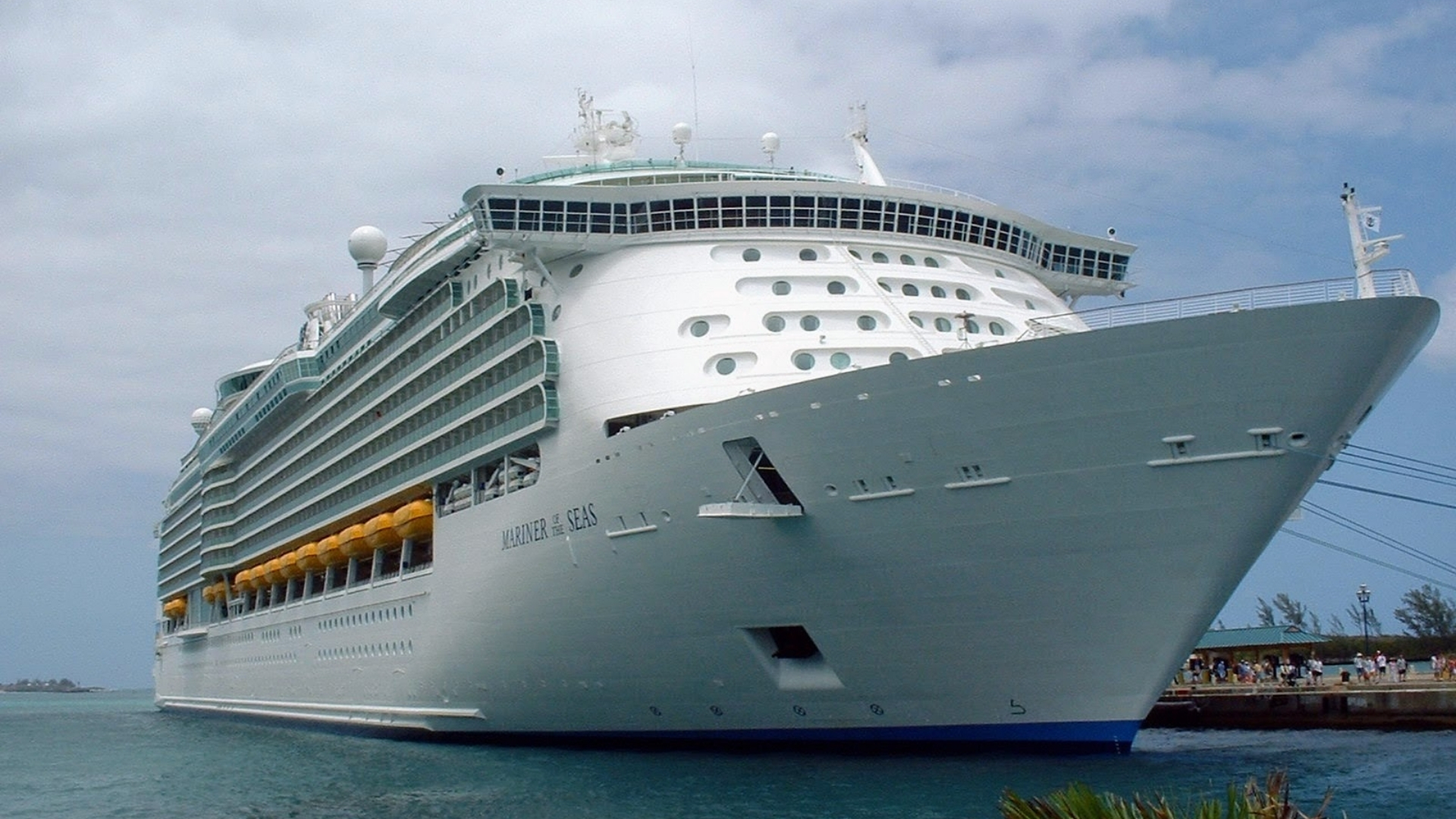
Our first cruise was a 7-night Western Caribbean sailing onboard Mariner of the Seas from Port Canaveral. For us, that length and style felt ideal — structured enough to feel organised, relaxed enough to unwind, and varied enough to understand what cruising is really about.

There’s often something special about your first ship too. Many cruisers develop a soft spot for the vessel that introduced them to this style of travel — we’ve sailed on Mariner several times since.
Look for a Balanced Itinerary

A good first cruise often includes a mix of sea days and ports.

Too many sea days in a row can feel repetitive if you’re not yet used to ship life. Too many consecutive ports can feel rushed.

Popular first-cruise regions often work well because they’re designed for accessibility and variety:

  • Western Caribbean

  • Eastern Caribbean

  • Western Mediterranean

These itineraries typically offer a blend of relaxing sea time and interesting destinations without extreme pacing.

Don’t Overthink Ship Size

There’s a common belief that bigger ships are better for beginners — or that smaller ships are calmer and therefore more suitable.

In reality, it depends on what you enjoy.

Larger ships tend to offer:

  • More dining venues

  • Bigger production shows

  • Greater activity variety

Smaller ships often provide:

  • A quieter atmosphere

  • Fewer crowds

  • Easier navigation

Neither is objectively better. The key is choosing a ship style that aligns with your travel personality.

A Good First Cruise Should Feel Representative

The goal of a first cruise isn’t to find the cheapest option or the most extreme itinerary.

It’s to experience cruise life in a way that reflects what most sailings are actually like.

Balanced length.
Balanced itinerary.
Balanced onboard atmosphere.

When your first cruise feels representative rather than extreme, you’re far more likely to walk away thinking:

“Yes — I’d do that again.”

A well-chosen first cruise rarely happens by accident. A few small decisions — length, itinerary and atmosphere — make all the difference.

Before You Book: A Quick First-Cruise Checklist

If you’re planning your first cruise, run through these questions before you click “confirm”:

  • Is the sailing at least 7 nights long?

  • Does the itinerary include a mix of sea days and port days?

  • Does the overall atmosphere match what I’m actually looking for (relaxed, lively, family-focused, etc.)?

  • Am I choosing this cruise because it’s representative — or simply because it’s the cheapest option?

  • Would I still enjoy this itinerary if the weather changed or a port was missed?

If you can answer those comfortably, you’re likely choosing a cruise that gives you a fair and balanced introduction to life at sea.

And once you’ve experienced that rhythm for yourself, everything else about cruising starts to make sense…

Where to Go From Here

Regional Cruise Tips: How Cruise Experiences Differ Around the World

Regional Cruise Tips: How Cruise Experiences Differ Around the World

Introduction

Choosing a cruise region isn’t just about geography.

It’s about atmosphere. Pacing. Weather. Port style. Onboard energy.

Two cruises can be the same length on similar ships — and feel completely different depending on where they sail.

Understanding how cruise experiences vary by region helps you choose an itinerary that matches how you actually like to travel.

Below, we’ll look at how some of the most popular cruise regions differ — not in terms of “better” or “worse,” but in terms of overall feel.

Caribbean Cruises: Relaxed, Accessible & Sunshine-Focused

For many travellers, the Caribbean is the image that first comes to mind when they think about cruising.

Warm weather. Turquoise water. Palm-lined beaches. Easy sea days.

The overall atmosphere on Caribbean sailings tends to be relaxed and informal. Dress codes are typically more casual, days flow easily between pool time and port visits, and private island stops are common on several cruise lines.

Typical Itinerary Style

Caribbean itineraries often include a mix of sea days and beach-focused ports. Even on port days, activities tend to centre around:

  • Beaches and snorkelling

  • Catamaran cruises

  • Water-based excursions

  • Short town explorations

Because distances between islands are relatively short, the pacing often feels manageable. You’ll rarely encounter the “long coach transfer to reach the main attraction” dynamic that can occur in parts of Europe.

Seven-night sailings are particularly common here, which makes the region a natural fit for first-time cruisers.

Who It Suits Best

The Caribbean often works well for:

  • First-time cruisers

  • Families

  • Winter sun seekers

  • Travellers who enjoy a balance of activity and downtime

Large ships are especially common in this region, meaning you’ll often find a wide range of dining venues, entertainment options and onboard facilities.

What Surprises First-Timers

Some Caribbean ports can feel similar in structure — cruise terminal, shops, beach excursion options — particularly if you’re visiting multiple islands on the same itinerary.

For some travellers, that familiarity is part of the appeal. For others, it can feel less culturally immersive than European sailings.

Weather can also play a role. While generally reliable, Caribbean cruising operates within hurricane season for part of the year, which can occasionally lead to itinerary adjustments.

The Overall Feel

Caribbean cruising is often about ease.

You unpack once. The weather is usually warm. Sea days feel genuinely relaxing. Ports rarely require complex logistics.

If your ideal holiday involves sunshine, simple exploration and a comfortable onboard rhythm, the Caribbean is frequently a strong starting point.

It may not be the most culturally intensive region — but it’s one of the most accessible introductions to cruise life.

Mediterranean Cruises: Cultural, Port-Intensive & High-Energy

Mediterranean cruises feel very different from Caribbean sailings — even if the ship itself is similar.

The atmosphere tends to be more destination-focused. Ports are often historic cities rather than beach stops, and days ashore can be full, active and immersive.

Where Caribbean cruising often centres on relaxation, Mediterranean cruising frequently revolves around exploration.

Typical Itinerary Style

Mediterranean itineraries are usually port-intensive.

It’s common to have:

  • Long days ashore

  • Consecutive port days

  • Early departures for excursions

  • Significant walking distances

In many destinations, the cruise port is not directly beside the main attraction. Reaching cities like Rome, Florence or Athens may require coach transfers or train journeys before your sightseeing even begins.

That isn’t a drawback — but it does change the rhythm of the cruise.

Sea days are often fewer in number, and when they do appear, they can feel like welcome recovery time.

Climate & Physical Demands

The Mediterranean, particularly in summer, can be extremely hot.

Temperatures regularly exceed 30°C (86°F), and much of the sightseeing involves:

  • Walking on cobbled streets

  • Climbing steps in historic towns

  • Standing in open sun with limited shade

Unlike the Caribbean, where beach days allow for easy downtime, Mediterranean ports often demand energy and planning.

Good footwear, sun protection and realistic pacing matter far more here.

Who It Suits Best

Mediterranean cruises often appeal to travellers who:

  • Enjoy history, architecture and culture

  • Prefer sightseeing to beach days

  • Don’t mind active itineraries

  • Appreciate food and regional variety

Families can absolutely enjoy the Med, but it often feels more adult-oriented in pace compared to Caribbean sailings.

What Surprises First-Timers

Many first-time Mediterranean cruisers underestimate:

  • How much walking is involved

  • How hot summer sailings can be

  • How busy major attractions become

It’s not unusual for a Mediterranean cruise to feel closer to a touring holiday than a traditional “relaxing” cruise.

That doesn’t make it better or worse — just different.

The Overall Feel

Mediterranean cruising is immersive.

You unpack once, but each day can feel like stepping into a new country with its own language, cuisine and architecture.

If you enjoy active days, cultural depth and returning to the ship pleasantly tired after a full day of exploration, the Mediterranean can be incredibly rewarding.

If you’re looking primarily for poolside relaxation and beach time, however, it may feel more demanding than expected.

Northern Europe & Baltic Cruises: Scenic, Seasonal & Atmosphere-Driven

Cruising Northern Europe and the Baltic feels distinctly different from both the Caribbean and the Mediterranean.

The focus here is often on scenery, architecture and atmosphere rather than heat or beaches. The mood tends to be calmer, and the pace — while still port-focused — often feels less frenetic than the Mediterranean.

This is cruising shaped as much by geography and season as by itinerary.


Typical Itinerary Style

Northern Europe cruises commonly include:

  • Fjord sail-ins and sail-outs

  • Compact, walkable historic cities

  • Longer daylight hours in summer

  • Fewer beach-style stops

In places like Norway, part of the experience happens while you’re still on the ship. Scenic cruising through fjords can be just as memorable as time spent ashore.

Baltic itineraries often centre around capital cities such as Copenhagen, Stockholm or Tallinn, where much of the sightseeing is accessible on foot.

Port days are usually well structured and efficient — but less physically intense than Mediterranean itineraries.


Climate & Seasonal Considerations

Weather plays a far bigger role here.

Even in summer, temperatures can feel cool — particularly at sea. Layering is often essential, and packing for variable conditions is part of the preparation.

Unlike the Caribbean’s predictable warmth or the Mediterranean’s intense summer heat, Northern Europe can offer:

  • Bright sunshine

  • Overcast skies

  • Windy sea days

  • Light rain

All within the same week.

In return, you often gain dramatic landscapes, fresh air and extended daylight hours that stretch well into the evening.


Who It Suits Best

Northern Europe and Baltic cruises often appeal to travellers who:

  • Enjoy scenery and natural landscapes

  • Prefer mild temperatures over heat

  • Appreciate architecture and maritime history

  • Value quieter atmospheres

The demographic onboard can sometimes skew slightly older, particularly outside school holiday periods, though this varies by cruise line and sailing date.


What Surprises First-Timers

Many first-time Northern Europe cruisers are surprised by:

  • How cool it can feel at sea

  • How much of the experience is about the journey itself (fjord cruising, sail-ins)

  • How compact and walkable many Baltic cities are

It’s less about beach excursions and more about layered clothing, camera-ready viewpoints and slower appreciation of place.


Transatlantic & Repositioning Cruises: Sea Days, Strategy & Structure

Transatlantic cruises are often marketed as excellent value per night — and they can be.

But they are a very different experience from region-focused itineraries.

These sailings exist primarily to reposition ships between seasonal markets. That means the structure of the itinerary is shaped as much by logistics as by sightseeing.

The result? A cruise defined largely by sea days.


Eastbound vs Westbound Sailings

The direction of travel makes a noticeable difference.

Westbound (Europe to North America) itineraries often include several Mediterranean or Canary Islands ports before crossing the Atlantic. Some may visit Madeira, the Azores or Spanish ports before beginning the longer sea stretch.

Eastbound (North America to Europe) sailings sometimes include Caribbean stops before heading across, depending on departure port and season.

However, not all transatlantic cruises are port-heavy before the crossing.

The structure varies significantly by ship size and draft restrictions.


Ship Size Matters More Than Usual

Larger mega ships are limited in where they can dock.

Ports such as the Azores or certain Canary Islands may not accommodate the biggest vessels. As a result, some of these ships sail almost directly across the Atlantic after their initial departure — often with seven or eight consecutive sea days.

Smaller or mid-sized ships sometimes include additional port stops en route because they have greater flexibility.

Two transatlantic cruises may look similar in price and duration — yet feel completely different in pacing.


The Sea-Day Experience

Transatlantic cruises are defined by sea days.

Long stretches of open ocean create a slower onboard rhythm. The atmosphere often feels calmer, and daily schedules revolve around lectures, enrichment talks, extended dining experiences and time spent on deck.

For some travellers, this is the ultimate luxury — uninterrupted time at sea.

For others, particularly first-time cruisers expecting frequent port stops, it can feel repetitive.

Weather can also play a role. Crossing the Atlantic in spring or autumn may bring cooler temperatures and occasional rougher seas.


Sun Direction & Cabin Choice (A Small Insider Detail)

On longer crossings, particularly with multiple sea days, balcony positioning can make a noticeable difference.

As a general rule:

  • On a westbound transatlantic (Europe to North America), a port side cabin is more likely to receive afternoon and evening sunshine.

  • On an eastbound sailing (North America to Europe), a starboard side cabin often enjoys more afternoon sun.

It isn’t a guarantee — weather and exact routing can vary — but if balcony time in the sunshine matters to you, it’s a small detail worth considering when booking.

On sea-day-heavy sailings, those small choices can shape your overall experience.

Time Zones, Rhythm & The Jet Lag Factor

A transatlantic crossing isn’t just a change of scenery — it’s a gradual shift across multiple time zones.

As the ship moves east or west, onboard time is adjusted incrementally, usually by one hour at a time. Announcements are made the evening before, and clocks are moved overnight.

On a westbound crossing (Europe to North America), clocks are typically set back during the voyage. That can mean a series of 25-hour days, with an extra hour added overnight.

On an eastbound crossing (North America to Europe), the opposite happens. Clocks are moved forward, creating several 23-hour days as you “lose” an hour at a time.

Those gradual adjustments subtly influence sleep patterns, dining times and daily routines — but they also serve a practical purpose.

For European travellers, an eastbound crossing home often means arriving back in Europe already adjusted to local time, significantly reducing jet lag. The same applies in reverse for North American travellers on westbound crossings.

Instead of experiencing a sudden multi-hour time shift on a long-haul flight, your body clock has already adapted gradually during the sea days.

For many, that makes a transatlantic cruise feel like a more civilised way to change continents.

It’s another reminder that this style of cruising is as much about rhythm and transition as it is about destinations.


Who It Suits Best

Transatlantic cruises often appeal to travellers who:

  • Enjoy sea days

  • Value relaxation over port intensity

  • Appreciate onboard programming and enrichment

  • Prefer a slower pace

They can also be attractive for experienced cruisers seeking value or trying a new ship without paying peak seasonal rates.


What Surprises First-Timers

First-time transatlantic cruisers are often surprised by:

  • The number of consecutive sea days

  • How much the ship itself becomes the destination

  • The importance of choosing a ship with enough onboard variety

On a mega ship with abundant dining and entertainment, multiple sea days may feel comfortable.

On a smaller ship, that same stretch may feel quieter and more subdued.

The Overall Feel

Transatlantic cruising isn’t about ticking off destinations.

It’s about the journey itself.

If you enjoy the idea of waking up to uninterrupted horizon for days at a time, reading on deck, attending lectures or simply embracing a slower rhythm, a crossing can be deeply satisfying.

If you prefer frequent port exploration and varied scenery, it may feel less dynamic than other regions.

It’s a different style of cruising entirely — and worth choosing intentionally.

Choosing the Region That Fits You

No cruise region is objectively “better” than another.

They simply offer different rhythms.

  • The Caribbean is often about warmth, ease and relaxed sea days.

  • The Mediterranean leans toward culture, energy and port-intensive exploration.

  • Northern Europe and the Baltic bring scenery, seasonality and atmosphere.

  • Transatlantic crossings are defined by sea days, gradual transitions and a slower onboard pace.

The key isn’t choosing the most popular region.

It’s choosing the one that aligns with how you like to travel.

If you enjoy beach time and sunshine, the Caribbean may feel effortless.
If you prefer historic cities and full days ashore, the Mediterranean may suit you better.
If dramatic landscapes and cooler air appeal, Northern Europe can be deeply rewarding.
If the idea of days at sea with uninterrupted horizon excites you, a transatlantic crossing may be the right fit.

Cruising isn’t one experience.

It’s many variations on a theme.

And understanding those differences before you book makes all the difference.
Planning a Transatlantic Cruise? Read These Next:

Onboard Spending Guide: How to Stay in Control of Your Cruise Budget

Onboard Spending Guide: How to Stay in Control of Your Cruise Budget

Once you’re onboard, your cruise card becomes your wallet. A drink here, a speciality coffee there, perhaps an excursion booked on impulse — and it’s easy to stop thinking about the total.

That’s completely normal.

The good news? Cruise spending is simple to manage once you understand how the onboard account works. With a little awareness and a few deliberate decisions before you sail, the final bill should never feel like a surprise.

How the Onboard Account Works

Your Cruise Card (or Wristband)

On most cruise lines, everything you purchase onboard is charged to your cabin account. Your cruise card — or in some cases a wearable wristband — is linked to your cabin and payment method.

You won’t use cash for everyday transactions. Instead, you swipe your card and the amount is added to your onboard account.

The key thing to remember:

If you can swipe it, it goes on your cabin account.

When Charges Are Applied

Common onboard charges include:

  • Daily gratuities (if not prepaid)

  • Drinks and specialty coffees

  • Speciality dining

  • Shore excursions booked onboard

  • Spa treatments and salon services

  • Retail purchases

  • Photography packages

Some charges appear immediately. Others (like daily gratuities) are added overnight.

When You Actually Pay

Before sailing, you’ll link a credit or debit card to your cabin account. The cruise line typically places a pre-authorisation hold at the start of the voyage.

Your final balance is settled at the end of the cruise.

You can usually monitor your balance through the cruise line’s app, your cabin television, or at guest services.

Checking it daily is one of the simplest ways to stay in control.

It’s also worth noting that pre-authorisation holds can temporarily reduce your available balance, even though they aren’t final charges.

Where Most People Overspend

Overspending on a cruise rarely happens because someone sets out to go wild.

It usually happens because spending doesn’t feel immediate.

You’re relaxed. You’re on holiday. You’re not handing over cash. And small purchases don’t feel significant in isolation.

It’s the accumulation — not the individual swipe — that catches people off guard.

Here’s where that tends to happen most often.


“It’s Only One More Drink”

A cocktail by the pool. A glass of wine with dinner. A nightcap after the show.

None of these feel excessive. And on sea days, when time feels slower and there’s nowhere else to be, it’s easy for the rhythm to continue throughout the afternoon and evening.

Without a drinks package, individual charges can quickly add up — especially when you include specialty coffees, bottled water or soft drinks alongside alcoholic beverages.

This isn’t about cutting yourself off. It’s about being aware of how quickly small, regular purchases accumulate over seven nights.


Booking Excursions On Impulse

Port talks and shore excursion presentations are designed to inspire. And they’re often genuinely helpful.

But booking excursions onboard — particularly after an enthusiastic presentation — can sometimes lead to decisions made in the moment rather than in context of your overall budget.

If you’ve researched options in advance, you’re far more likely to book intentionally. If not, it’s easy to add multiple tours without fully appreciating the total cost across the week.

Excursions are often the biggest single onboard spending category. A little planning beforehand makes a noticeable difference.


Specialty Dining Creep

Most cruises include excellent main dining options. Yet specialty restaurants are marketed as experiences — and they can be tempting.

Trying one venue feels reasonable. Trying a second feels like enhancing the holiday. By the third, you may have quietly doubled your dining spend without really intending to.

There’s absolutely nothing wrong with treating yourself. But deciding before you sail how many specialty nights feel right for your budget helps prevent the “why is our final bill so high?” moment later.


End-of-Cruise Purchases

The final days of a cruise often come with promotions — photo packages, retail discounts, clearance sales on branded merchandise.

After a great week away, emotions are high. You want something tangible to remember the trip.

That’s understandable.

But these purchases are rarely essential, and they often weren’t part of the original plan. Taking a moment before committing — even overnight if possible — prevents most last-minute regret spending.

The Pattern

In almost every case, overspending isn’t about one big decision.

It’s about multiple small, unplanned ones.

Awareness alone reduces most of this. A quick glance at your onboard account each evening keeps everything grounded in reality — and allows you to adjust gently rather than react at the end.

Simple Ways to Stay in Control

Set a Rough Daily Target

You don’t need a strict budget. But having a loose daily figure in mind makes a big difference.

Even knowing, “We’re comfortable spending around £50–£60 per day onboard” creates awareness.

For some cruises, that may feel too high. For others, particularly with specialty dining or cocktails factored in, it may be realistic. The key is choosing your number deliberately.


Check Your Account Daily

Most cruise lines make this easy. A quick check each evening keeps everything transparent.

Small adjustments early are easier than reacting at the end.


Decide Priorities Before You Sail

Before boarding, ask:

  • Are we interested in speciality dining?

  • Do we want a drinks package?

  • Are spa treatments a priority?

  • How many paid excursions do we realistically want?

Decisions made calmly at home are almost always better than decisions made impulsively onboard.


Pre-Pay Where It Makes Sense

Prepaying gratuities, WiFi or excursions in advance can make the onboard account feel simpler.

It won’t reduce total spend — but it reduces surprise.


Look for Onboard Deals (And Know When to Book)

Cruise ships operate a little like floating retail spaces. Pricing isn’t always static — and timing can work in your favour.

From experience, certain patterns repeat across most cruise lines.

Spa treatments are often discounted on port days when many guests are ashore. If you’re happy staying onboard while others explore, that’s usually when the best offers appear. In fact, remaining onboard occasionally can bring other benefits too — from quieter pools to shorter restaurant queues. (See our guide on when it makes sense to go ashore — and when staying onboard can improve your experience.)

Speciality dining packages may be promoted early in the sailing, sometimes offering better value if you book multiple venues together.

Retail promotions are also common. Themed sales often appear on sea days, and clearance-style offers may pop up towards the end of a cruise — particularly before a ship repositions or at the end of a season.

The experienced approach isn’t to chase every deal.

It’s to spend deliberately — and occasionally, strategically.


Should You Buy a Drinks Package?

Drinks packages divide opinion.

They can offer excellent value if you:

  • Drink several alcoholic beverages per day

  • Enjoy speciality coffees or premium soft drinks

  • Prefer not to track individual purchases

However, for light or occasional drinkers, paying per drink is often more economical.

A quick break-even calculation before sailing is usually worth doing.

If you’re unsure what to factor into your overall cruise budget, start with our guide to Hidden Cruise Costs.

Confident cruisers don’t avoid spending — they understand it.

Hidden Cruise Costs: What You’ll Actually Pay Beyond the Fare

Hidden Cruise Costs: What You’ll Actually Pay Beyond the Fare

Introduction

Cruise fares can look surprisingly affordable at first glance — especially when compared to land-based holidays. Accommodation, meals, entertainment and transport between destinations are all bundled into one price.

But the headline fare rarely reflects your total spend.

That doesn’t mean cruises are misleading or poor value. It simply means there are optional extras and onboard charges that aren’t included in the base price. Understanding those in advance allows you to budget calmly — and avoid surprises once you’re onboard.

Let’s break it down clearly.


What’s Usually Included in a Cruise Fare

Before we talk about extra costs, it’s important to recognise what your cruise fare typically covers:

  • Your cabin accommodation

  • Meals in main dining rooms and buffet venues

  • Basic drinks (water, tea, coffee, some juices)

  • Entertainment (shows, live music, activities)

  • Pools, hot tubs and gym access

  • Kids’ clubs (on family-focused lines)

For many travellers, that’s more than enough for an excellent holiday.

Now let’s look at the areas where extra costs can arise.

The Most Common Hidden Cruise Costs

Gratuities / Service Charges

Most cruise lines charge a daily service fee per person. This typically ranges from £12–£20 per person, per day depending on the cruise line and cabin category.

Some lines include gratuities in the fare. Others add them to your onboard account automatically.

It’s predictable — but it does increase your total holiday cost if you haven’t factored it in.

Drinks Packages and Specialty Beverages

Standard drinks such as water, tea and basic coffee are included. However, the following are usually extra:

  • Alcoholic drinks

  • Specialty coffees

  • Bottled water

  • Soda

  • Fresh juices

Drinks packages can cost anywhere from £40–£80 per person per day.

Not everyone needs one. For light or occasional drinkers, paying per drink can be significantly cheaper.

Shore Excursions

Excursions are often the largest variable cost.

Cruise line tours can range from:

  • £40–£60 for walking tours

  • £80–£150 for full-day experiences

  • £200+ for premium or small-group excursions

Exploring independently can reduce costs, depending on the destination and your comfort level.

This is usually where realistic budgeting matters most.

Specialty Dining

Main dining venues and buffets are included in your fare.

Specialty restaurants — such as steakhouses, sushi venues or chef’s table experiences — usually carry an additional charge.

Expect:

  • £20–£60 per person

  • More for tasting menus or premium dining

These experiences are entirely optional but can add up quickly if booked multiple times.

WiFi

WiFi is rarely included on mainstream cruise lines.

Packages typically cost:

  • £15–£30 per day for basic browsing

  • More for streaming-level access

If staying connected is important to you, this is worth budgeting for in advance.

Spa, Fitness and Onboard Extras

Temptations onboard may include:

  • Spa treatments

  • Thermal suite passes

  • Salon services

  • Premium fitness classes

These are luxury add-ons rather than essentials — but they can quietly increase your onboard account total.

Photography Packages

Professional photographers capture moments throughout your cruise.

Digital or print packages can range from £150–£300 or more.

Many travellers don’t plan for this expense — and then feel pressured near the end of the sailing.

Optional vs Essential: What You Can Skip

Here’s the reassuring part.

You can enjoy a cruise fully without:

  • A drinks package

  • Specialty dining

  • Paid excursions

  • Spa treatments

  • Photography packages

A cruise can still be exceptional using only what’s included in your fare.

The key is choosing intentionally rather than reacting impulsively onboard.

Example: 7-Night Cruise Budget Breakdown (Couple)

Every cruise line structures pricing slightly differently. The example below is purely illustrative and designed to show how additional costs can accumulate — your actual total will depend on the cruise line, itinerary and your personal choices.

Base Cruise Fare £1,200
Gratuities £200
Shore Excursions x 2 £250
WiFi (One Device) £100
Specialty Dining (One Night) £80
Drinks (Pay-As-You-Go) £150
Total Estimated Holiday Cost £1980

How to Avoid Overspending on a Cruise

  1. Research gratuities before booking
  2. Decide in advance whether you truly need a drinks package
  3. Pre-plan which excursions matter most
  4. Review prices in your cruise planner before sailing
  5. Monitor your onboard account daily

Clarity removes stress — and helps you stay in control.

Final Thoughts

Cruises aren’t “full of hidden costs.” They’re structured differently from land holidays.

Once you understand what’s included and what’s optional, you can budget realistically and make decisions that suit your travel style.

Plan ahead, choose intentionally, and you’ll enjoy your cruise without second-guessing every charge.

Frequently Asked Questions About Onboard Spending

Can I check my onboard account balance during the cruise?

Yes. Most cruise lines allow you to monitor your onboard spending through the ship’s app, your cabin television, or at guest services. Checking daily is one of the simplest ways to avoid surprises at the end of your sailing.

What happens if I reach my card limit onboard?

Cruise lines typically place a pre-authorisation hold on your card at the start of the sailing. If your onboard balance approaches that amount, you may be asked to provide an additional payment method or increase the hold. It’s handled discreetly, but it’s worth keeping an eye on if you’re spending regularly.

Can I dispute a charge before disembarkation?

Yes — and you should. If something doesn’t look right, visit guest services while you’re still onboard. It’s far easier to resolve billing questions before you leave the ship than after the cruise has ended.

Do I have to link a credit card?

In most cases, yes. However, some cruise lines allow you to set up a cash account instead. This can be a useful option if you want strict spending control, as you can only spend what you’ve deposited.

A Simple, Low-Stress Cruise Planning Timeline

A Simple, Low-Stress Cruise Planning Timeline

Intro – Planning Without Panic

Most cruises are booked with excitement.

Somewhere between clicking “confirm” and sail day, that excitement can quietly turn into planning pressure.

  • When should you book excursions?
  • Do restaurants sell out?
  • Is it too early to look at flights?
  • What if you forget something important?

The internet doesn’t always help. Lists are long. Advice is urgent. Everything feels like it needs to be done immediately.

In reality, cruise planning works best in phases.

You don’t need to organise everything at once. You just need to know what matters now — and what can wait.

Here’s a simple way to approach it calmly.

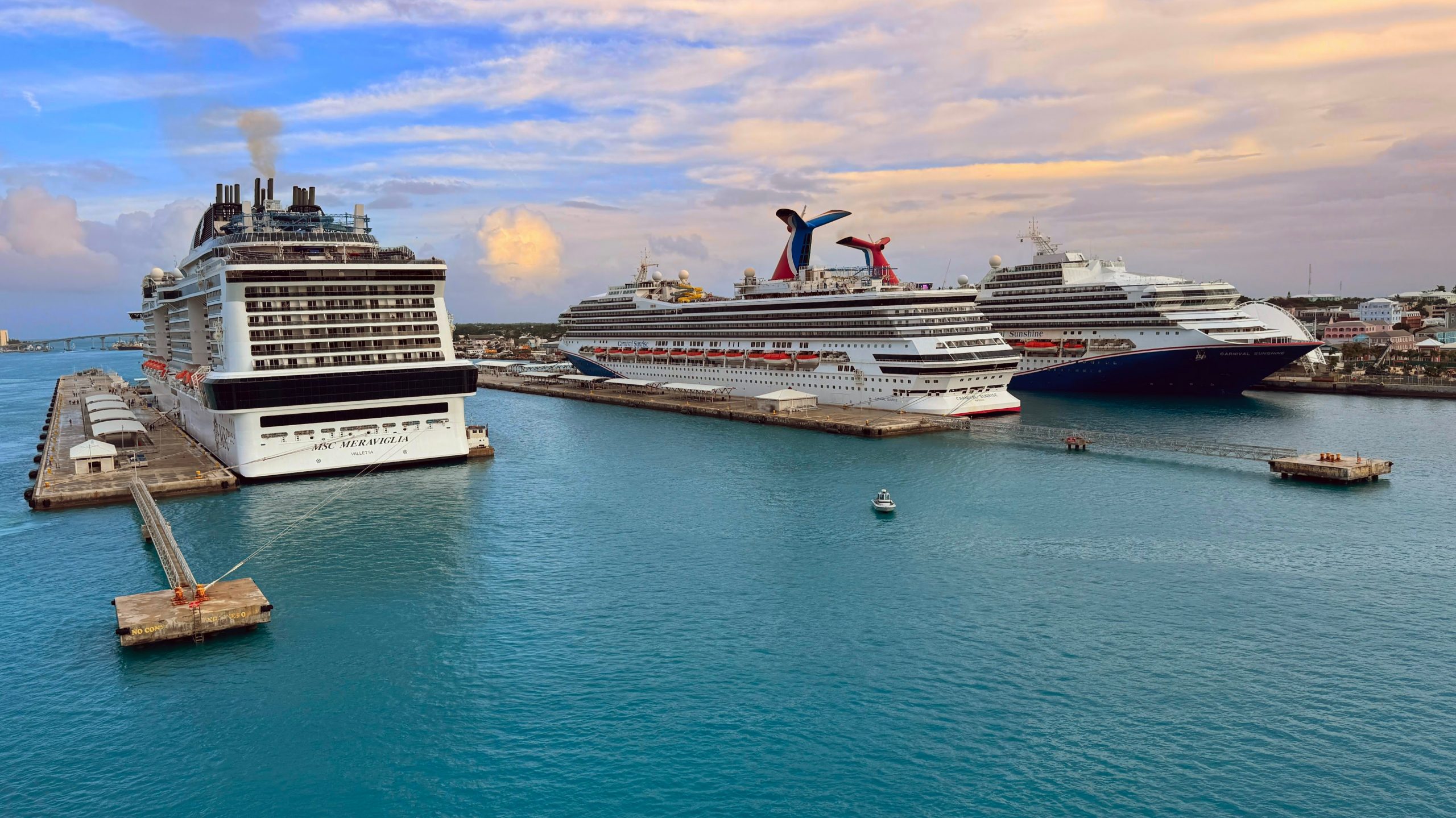
Cruise ships moored at Nassaue Cruise Port

Phase 1: Right After You Book (Set the Foundations)

This phase isn’t about locking everything in.

It’s about quiet groundwork.

Right after booking, your only job is to make sure the essentials are covered. That means:

  • Checking passport validity

  • Arranging travel insurance

  • Noting your final payment date

  • Downloading the cruise line app

  • Confirming names and booking details

That’s it.

You don’t need to research every port immediately. 
You don’t need to study deck plans for hours. 
You don’t need to choose excursions yet.

This phase is simply about removing future stress before it appears.

Once those foundations are set, you can relax and enjoy looking forward to the trip.

white and red labeled box

Phase 2: When You’re Ready to Think About the Details

(Often 3–6 Months Before Sailing)

This is the phase where excitement builds again.

You might start browsing flights. Looking at pre-cruise hotels. Checking parking options. Glancing at deck plans. Reading a few port overviews.

That’s all perfectly reasonable.

This is the time to:

  • Book flights (if you haven’t already).

  • Reserve a pre-cruise hotel if you’re arriving the day before.

  • Arrange parking or transfers.

  • Choose your preferred dining time (if applicable).

  • It can also be helpful at this stage to glance at the cruise line’s excursion options — not to book immediately, but to get a sense of what’s available and how quickly popular tours may fill up.
  • Lightly research your ports.

Notice the word lightly.

You don’t need a full itinerary yet. You’re simply gathering information so nothing feels rushed later.

This phase is about smoothing logistics — not locking in every experience.

three person pointing the silver laptop computer

You Can Safely Ignore (For Now)

  • Booking speciality dining months in advance

  • Spa packages

  • Beverage packages

  • Finalising your packing list

  • Comparing every single excursion option

Those things can wait.

Right now, you’re just building a steady foundation.

Phase 3: When the Cruise Starts to Feel Close

(Often 1–3 Months Before Sailing)

This is the stage where your sailing begins to feel real.

Port names start to mean something. You might find yourself picturing the coastline, the old town, the beach, the café you haven’t visited yet.

This is a good time to research where you’re going and think about what would genuinely interest you.

Do you prefer history? A guided tour? A slow wander and lunch? A beach day? Or staying onboard altogether?

Understanding what appeals to you makes choosing excursions far easier — By this stage, you’ll already have a sense of what interests you — which makes booking feel intentional rather than reactive.

Popular cruise line excursions can and do sell out, particularly in high-demand ports or on busy sailings. If there’s a specific experience you really want, it makes sense to secure it at this stage.

That said, there’s no obligation to book anything.

Many ports are easy to explore independently. Some days might suit a relaxed walk and a coffee. And occasionally, staying onboard can be the better choice.

The goal isn’t to fill every port with a pre-booked activity.

It’s to choose deliberately — or choose nothing at all.

This is also the time to:

  • Complete online check-in as soon as your window opens. On many cruise lines, this can be 45–90 days before sailing, and earlier check-in often means better choice of embarkation times.

  • Select your arrival time (if required)

  • Review speciality dining (if that matters to you)

  • Consider beverage packages only if they suit your style

You’re not trying to control every detail.

You’re simply removing avoidable stress.

a calendar with red push buttons pinned to it

Phase 4: The Final Two Weeks

At this point, most of the meaningful decisions have already been made.

You’re not planning anymore.
You’re simply preparing.

This is when you:

  • Confirm travel arrangements and transfer details

  • Print luggage tags

  • Double-check passport and insurance documents

  • Set up any necessary payments in the cruise app

  • Make sure medication and essentials are organised

Now is also the time to look at your packing list — not to overthink it, but to make sure the basics are covered.

You don’t need to pack for every possible scenario.
You don’t need outfits for every themed night unless you genuinely want to participate.

You just need what makes you comfortable.

The final two weeks should feel reassuring, not frantic.

If something hasn’t been booked by now, ask yourself whether it truly matters. Very often, the answer is no.

This phase isn’t about squeezing in last-minute upgrades.

It’s about arriving at embarkation feeling calm and ready.

Cruise Planning Isn’t a Race

Cruise planning often feels urgent because the internet makes it feel urgent.

But most of what matters can be handled calmly — and in stages.

You don’t need to know everything at once.
You don’t need to book everything immediately.
You don’t need to optimise every hour.

You just need clarity about what matters now.

Confidence comes from understanding how cruise life actually feels onboard.
It comes from knowing when a port is worth your energy — and when it isn’t.
It comes from packing what genuinely makes life easier.
And it comes from giving yourself permission to cruise at your own pace.

When those pieces are in place, the timeline becomes simple.

You’re not reacting to pressure.

You’re preparing deliberately.

And that’s when cruising starts to feel exciting again — not overwhelming.

How to Decide Whether a Cruise Port Is Worth Leaving the Ship For

How to Decide Whether a Cruise Port Is Worth Leaving the Ship For

One of the great joys of cruising is waking up somewhere new.

Ports are often what draw us to an itinerary in the first place — the promise of new places, different cultures, and the excitement of stepping ashore somewhere you’ve never been before. Exploring ports is a huge part of why we cruise, and it’s something we genuinely love.

But after many cruises, we’ve also learned something else: not every port day needs to look the same.

Some ports reward curiosity and wandering. Others are familiar, brief, weather-dependent, or simply don’t match how we’re feeling that day. Over time, we’ve realised that the best cruise experiences come not from treating every port as a must-do, but from deciding — calmly and intentionally — what’s actually worth our time and energy.

This guide isn’t about avoiding ports or staying onboard for the sake of it. It’s about helping you decide, port by port, what will make this day feel like a good day — without pressure, guilt, or fear of missing out.

There Is No Rule That Says You Have to Leave the Ship

One of the strongest — and least talked about — pressures in cruising is the unspoken idea that you’re supposed to leave the ship at every port.

When the gangway opens and most passengers head ashore, it can feel like staying onboard means you’re doing cruising “wrong” or wasting an opportunity. In reality, there’s no rule that says every port day has to be spent off the ship.

A cruise itinerary is a collection of options, not obligations. Each port offers a choice — not a requirement — and that choice can change depending on the port itself, the weather, your energy levels, and how you’re feeling on that particular day.

Experienced cruisers don’t treat port days as a checklist to complete. They treat them as decisions to be made — sometimes to explore, sometimes to rest, and sometimes to do something very simple, like a short walk and a coffee before heading back onboard.

None of those choices mean you’re missing out. They simply mean you’re cruising in a way that suits you.

When Leaving the Ship Usually Is Worth It

While not every port day needs to be treated the same, there are plenty of times when leaving the ship genuinely adds something special to a cruise.

Some ports are simply a joy to explore. Walkable towns, scenic waterfronts, historic old quarters, or places where the port drops you right into the heart of the destination often reward even a short visit. In these cases, stepping ashore can feel easy, unhurried, and immediately worthwhile.

There are also ports that feel like a once-in-a-lifetime opportunity. Maybe it’s a place you’ve always wanted to see, somewhere you’re unlikely to visit again, or a destination that feels very different from anywhere else on your itinerary. When curiosity and excitement are high, going ashore often feels like the obvious choice.

Longer port days can also make a difference. When you have plenty of time, there’s less pressure to rush, less worry about watching the clock, and more freedom to explore at your own pace. These are often the days when independent wandering, relaxed lunches ashore, or a simple plan can work beautifully.

Overnight or late-night port stays can also change how worthwhile a port feels. When a ship stays late — or overnight — the pressure to rush disappears. There’s time to explore more slowly, enjoy an evening meal ashore, or see a destination after the daytime crowds have thinned.

Experiencing a port at night can reveal a completely different side to it, and for many cruisers, those evening hours end up being more memorable than a busy daytime visit. When time is generous, going ashore often feels far more rewarding.

Sometimes, leaving the ship is worth it simply because you want to. You’re well-rested, the weather’s good, and the idea of going ashore feels appealing rather than obligatory. That instinct matters. Enjoyment is a perfectly valid reason to step off the ship.

The common thread in all of these situations is choice. Leaving the ship tends to be most rewarding when it feels like something you’re looking forward to — not something you feel you should do.

And when that’s the case, port days can become some of the most memorable moments of a cruise.

When Staying Onboard Can Be the Better Choice

Just as some ports reward exploration, there are times when staying onboard is simply the better option — and that doesn’t mean a port is “bad” or that you’re doing cruising wrong.

Sometimes it comes down to time. Short port calls, early all-aboard times, or ports that require tendering can turn a visit into a rushed exercise in watching the clock. When the effort outweighs the enjoyment, staying onboard can make the day feel far more relaxed.

Conditions matter too. Weather can completely change the experience of a port. Heavy rain, intense heat, high humidity, or rough seas can make getting ashore far more draining than enjoyable. We’ve felt this particularly on summer cruises, where pushing through crowded, sun-baked streets has occasionally left us wishing we’d chosen a quieter pool day onboard instead.

Experience plays a role as well. Some ports appear on itineraries again and again, and after a few visits, the urgency naturally fades. In those cases, staying onboard isn’t about missing out — it’s about recognising that you’ve already had that experience, and today doesn’t need to repeat it.

Personal comfort and boundaries matter too. Everyone brings different experiences, confidence levels, and physical limits to a cruise. Our own experiences have shaped how we approach certain ports. On an early visit to Jamaica, an uncomfortable encounter with a vendor left us feeling on edge, and that feeling has stayed with us. Since then, the overall vibe hasn’t quite felt right for us, and we’re more selective about how we spend port days there.

That said, we’ve also had genuinely positive experiences in Jamaica — particularly on organised excursions. Visits to Dunn’s River Falls and Rose Hall Great House were memorable and enjoyable, and showed us a very different side of the destination. Those mixed experiences are exactly why we now decide port by port, and day by day.

Finally, there’s the ship itself. On port days, especially when most passengers head ashore, the ship often feels calmer and more spacious. Loungers are easier to find, cafés are quieter, and the pace slows noticeably. For many cruisers, those peaceful onboard days become some of the most restorative moments of the entire trip.

Staying onboard isn’t about opting out of the cruise. It’s about choosing the version of the day that feels right for you.

If you’re unsure what a relaxed onboard day actually feels like, we’ve described that in more detail here.

Questions We Ask Ourselves Before Every Port Day

Over time, we’ve stopped thinking about port days in terms of what we should do, and started thinking about what will actually make the day enjoyable.

These are the questions we quietly run through before deciding whether to leave the ship. There are no right or wrong answers — they simply help bring clarity.

Are we genuinely excited about this port today?
Excitement matters. If curiosity is high, that’s usually a good sign it’s worth going ashore. If enthusiasm feels forced, it may be worth pausing.

How much time do we realistically have?
A long, relaxed port day feels very different from a short call with an early all-aboard time. The more rushed the schedule, the higher the effort needs to be worth it.

What will the effort look like?
Is the port walkable? Does it involve tendering, long queues, or busy transport? Sometimes the journey itself determines whether the day feels enjoyable or draining.

What are the conditions like today?
Weather, heat, crowds, and sea conditions can completely change the experience. A port that’s appealing on one visit might feel very different the next time.

How are we feeling physically and mentally?
Energy levels matter. If we’re tired, overstimulated, or simply craving a slower day, that’s information — not something to push through.

Have we been here before?
Repeat ports naturally lose urgency. If we’ve already explored a destination, we might choose to save our energy for somewhere that feels newer or more exciting later in the itinerary.

Would staying onboard actually make today better?
Sometimes the answer is yes — quieter spaces, a slower pace, and time to rest can make the whole cruise more enjoyable.

None of these questions are about avoiding experiences. They’re about choosing the version of the day that feels right this time.

And that choice can change from one port to the next.

What We Do Now (After Many Cruises)

After many cruises, our approach to port days has changed — not because we enjoy cruising any less, but because we understand it better.

We no longer expect every port to deliver the same kind of experience, and we don’t choose itineraries assuming we’ll love every stop equally. Some cruises are booked for one or two standout destinations, with others included along the way. That doesn’t lessen the value of the trip — it simply reflects how cruising actually works.

On some days, we’re keen to explore. We’ll head ashore early, wander, take our time, and enjoy being somewhere new. On other days, we might opt for a short walk and a coffee, or decide that staying onboard makes more sense — especially if we’ve visited the port before, the timing feels rushed, or we’re simply not in the mood.

Past experiences also shape those decisions. Ports that feel comfortable and rewarding independently are approached differently from those where we prefer organised excursions — or where we’re happy to enjoy a quieter day on the ship instead. That’s not about fear or avoidance; it’s about recognising what works for us.

Most importantly, we give ourselves permission to decide port by port, rather than committing to one approach for the entire cruise. Some days are for exploring. Others are for resting. Both contribute to a better overall experience.

Cruising, for us, has become less about ticking off places and more about enjoying the rhythm of the journey.


You’re Not Missing Out by Choosing What Suits You

One of the biggest myths in cruising is that you have to do everything to get your money’s worth.

In reality, the most enjoyable cruises are often the ones where you stop measuring experiences and start paying attention to how the days feel. A relaxed afternoon onboard, a quiet coffee by the sea, or a decision to sit one port out can add just as much value as a busy day ashore.

Choosing what suits you isn’t missing out — it’s making the most of the flexibility cruising offers. Ports will always be there, and no single day defines the success of a trip.

If you finish a cruise feeling rested, confident, and content with the choices you made, then you’ve done it right. Not because you followed a rule, but because you listened to yourself.

And that, ultimately, is what cruising is meant to allow.

Get Your FREE Cruise Packing List

Pack like a pro! Subscribe and we’ll send you our printable cruise packing checklist plus handy cruise tips.

No spam, no inbox overload — just useful cruise inspiration.

Anchors aweigh! You’re officially part of the Escapaders crew 🎉