Introduction
Choosing a cruise region isn’t just about geography.
It’s about atmosphere. Pacing. Weather. Port style. Onboard energy.
Two cruises can be the same length on similar ships — and feel completely different depending on where they sail.
Understanding how cruise experiences vary by region helps you choose an itinerary that matches how you actually like to travel.
Below, we’ll look at how some of the most popular cruise regions differ — not in terms of “better” or “worse,” but in terms of overall feel.
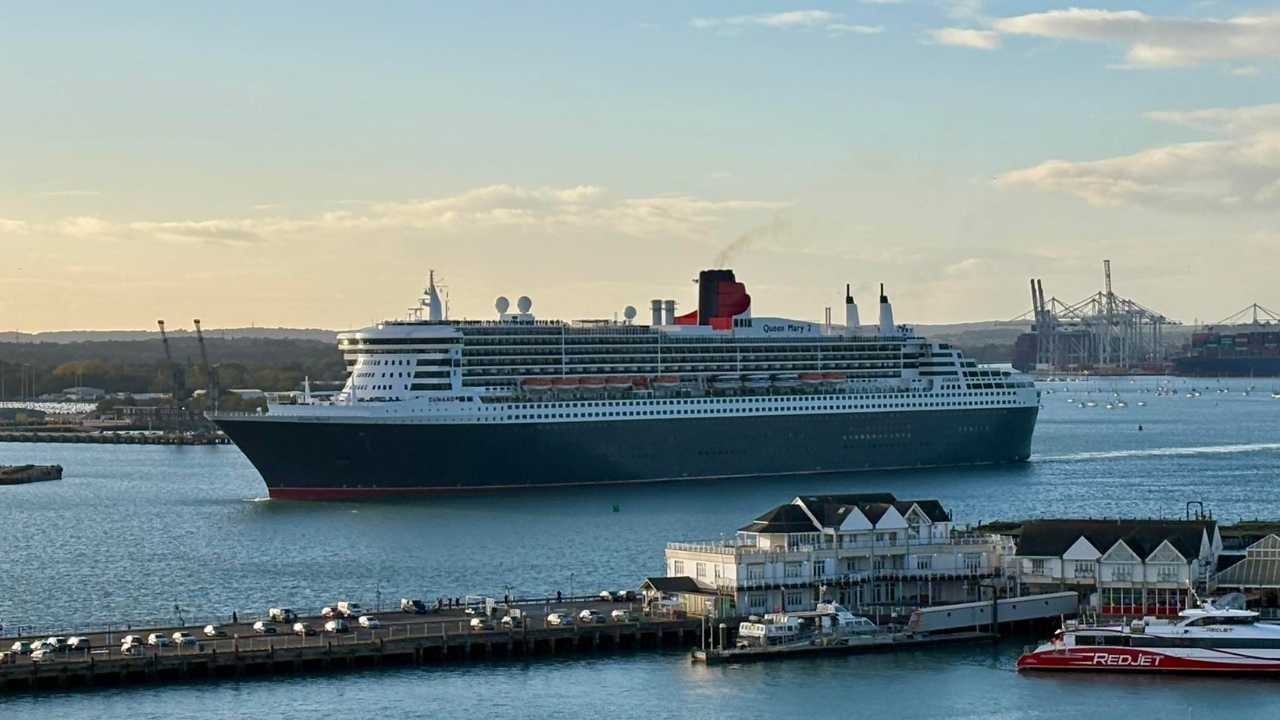
Caribbean Cruises: Relaxed, Accessible & Sunshine-Focused
For many travellers, the Caribbean is the image that first comes to mind when they think about cruising.
Warm weather. Turquoise water. Palm-lined beaches. Easy sea days.
The overall atmosphere on Caribbean sailings tends to be relaxed and informal. Dress codes are typically more casual, days flow easily between pool time and port visits, and private island stops are common on several cruise lines.
Typical Itinerary Style
Caribbean itineraries often include a mix of sea days and beach-focused ports. Even on port days, activities tend to centre around:
-
Beaches and snorkelling
-
Catamaran cruises
-
Water-based excursions
-
Short town explorations
Because distances between islands are relatively short, the pacing often feels manageable. You’ll rarely encounter the “long coach transfer to reach the main attraction” dynamic that can occur in parts of Europe.
Seven-night sailings are particularly common here, which makes the region a natural fit for first-time cruisers.
Who It Suits Best
The Caribbean often works well for:
-
First-time cruisers
-
Families
-
Winter sun seekers
-
Travellers who enjoy a balance of activity and downtime
Large ships are especially common in this region, meaning you’ll often find a wide range of dining venues, entertainment options and onboard facilities.
What Surprises First-Timers
Some Caribbean ports can feel similar in structure — cruise terminal, shops, beach excursion options — particularly if you’re visiting multiple islands on the same itinerary.
For some travellers, that familiarity is part of the appeal. For others, it can feel less culturally immersive than European sailings.
Weather can also play a role. While generally reliable, Caribbean cruising operates within hurricane season for part of the year, which can occasionally lead to itinerary adjustments.
The Overall Feel
Caribbean cruising is often about ease.
You unpack once. The weather is usually warm. Sea days feel genuinely relaxing. Ports rarely require complex logistics.
If your ideal holiday involves sunshine, simple exploration and a comfortable onboard rhythm, the Caribbean is frequently a strong starting point.
It may not be the most culturally intensive region — but it’s one of the most accessible introductions to cruise life.
Mediterranean Cruises: Cultural, Port-Intensive & High-Energy
Mediterranean cruises feel very different from Caribbean sailings — even if the ship itself is similar.
The atmosphere tends to be more destination-focused. Ports are often historic cities rather than beach stops, and days ashore can be full, active and immersive.
Where Caribbean cruising often centres on relaxation, Mediterranean cruising frequently revolves around exploration.
Typical Itinerary Style
Mediterranean itineraries are usually port-intensive.
It’s common to have:
-
Long days ashore
-
Consecutive port days
-
Early departures for excursions
-
Significant walking distances
In many destinations, the cruise port is not directly beside the main attraction. Reaching cities like Rome, Florence or Athens may require coach transfers or train journeys before your sightseeing even begins.
That isn’t a drawback — but it does change the rhythm of the cruise.
Sea days are often fewer in number, and when they do appear, they can feel like welcome recovery time.
Climate & Physical Demands
The Mediterranean, particularly in summer, can be extremely hot.
Temperatures regularly exceed 30°C (86°F), and much of the sightseeing involves:
-
Walking on cobbled streets
-
Climbing steps in historic towns
-
Standing in open sun with limited shade
Unlike the Caribbean, where beach days allow for easy downtime, Mediterranean ports often demand energy and planning.
Good footwear, sun protection and realistic pacing matter far more here.
Who It Suits Best
Mediterranean cruises often appeal to travellers who:
-
Enjoy history, architecture and culture
-
Prefer sightseeing to beach days
-
Don’t mind active itineraries
-
Appreciate food and regional variety
Families can absolutely enjoy the Med, but it often feels more adult-oriented in pace compared to Caribbean sailings.
What Surprises First-Timers
Many first-time Mediterranean cruisers underestimate:
-
How much walking is involved
-
How hot summer sailings can be
-
How busy major attractions become
It’s not unusual for a Mediterranean cruise to feel closer to a touring holiday than a traditional “relaxing” cruise.
That doesn’t make it better or worse — just different.
The Overall Feel
Mediterranean cruising is immersive.
You unpack once, but each day can feel like stepping into a new country with its own language, cuisine and architecture.
If you enjoy active days, cultural depth and returning to the ship pleasantly tired after a full day of exploration, the Mediterranean can be incredibly rewarding.
If you’re looking primarily for poolside relaxation and beach time, however, it may feel more demanding than expected.
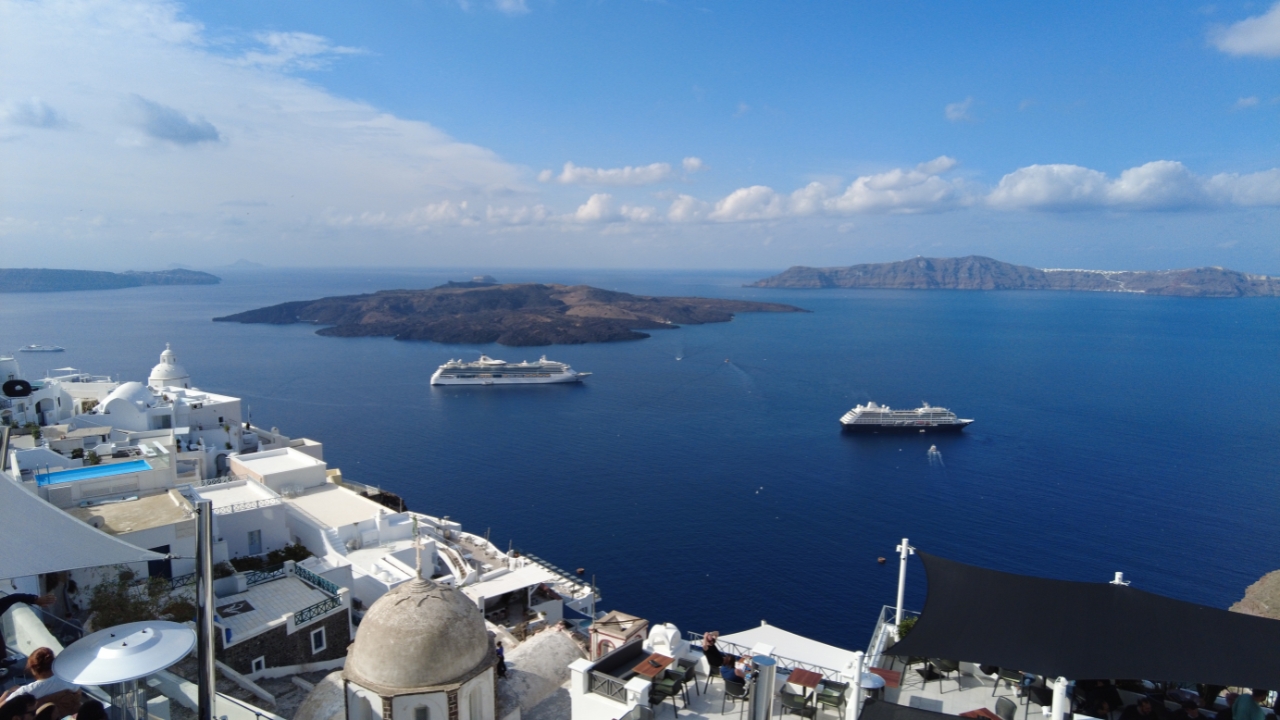
Northern Europe & Baltic Cruises: Scenic, Seasonal & Atmosphere-Driven
Cruising Northern Europe and the Baltic feels distinctly different from both the Caribbean and the Mediterranean.
The focus here is often on scenery, architecture and atmosphere rather than heat or beaches. The mood tends to be calmer, and the pace — while still port-focused — often feels less frenetic than the Mediterranean.
This is cruising shaped as much by geography and season as by itinerary.
Typical Itinerary Style
Northern Europe cruises commonly include:
-
Fjord sail-ins and sail-outs
-
Compact, walkable historic cities
-
Longer daylight hours in summer
-
Fewer beach-style stops
In places like Norway, part of the experience happens while you’re still on the ship. Scenic cruising through fjords can be just as memorable as time spent ashore.
Baltic itineraries often centre around capital cities such as Copenhagen, Stockholm or Tallinn, where much of the sightseeing is accessible on foot.
Port days are usually well structured and efficient — but less physically intense than Mediterranean itineraries.
Climate & Seasonal Considerations
Weather plays a far bigger role here.
Even in summer, temperatures can feel cool — particularly at sea. Layering is often essential, and packing for variable conditions is part of the preparation.
Unlike the Caribbean’s predictable warmth or the Mediterranean’s intense summer heat, Northern Europe can offer:
-
Bright sunshine
-
Overcast skies
-
Windy sea days
-
Light rain
All within the same week.
In return, you often gain dramatic landscapes, fresh air and extended daylight hours that stretch well into the evening.
Who It Suits Best
Northern Europe and Baltic cruises often appeal to travellers who:
-
Enjoy scenery and natural landscapes
-
Prefer mild temperatures over heat
-
Appreciate architecture and maritime history
-
Value quieter atmospheres
The demographic onboard can sometimes skew slightly older, particularly outside school holiday periods, though this varies by cruise line and sailing date.
What Surprises First-Timers
Many first-time Northern Europe cruisers are surprised by:
-
How cool it can feel at sea
-
How much of the experience is about the journey itself (fjord cruising, sail-ins)
-
How compact and walkable many Baltic cities are
It’s less about beach excursions and more about layered clothing, camera-ready viewpoints and slower appreciation of place.
Transatlantic & Repositioning Cruises: Sea Days, Strategy & Structure
Transatlantic cruises are often marketed as excellent value per night — and they can be.
But they are a very different experience from region-focused itineraries.
These sailings exist primarily to reposition ships between seasonal markets. That means the structure of the itinerary is shaped as much by logistics as by sightseeing.
The result? A cruise defined largely by sea days.
Eastbound vs Westbound Sailings
The direction of travel makes a noticeable difference.
Westbound (Europe to North America) itineraries often include several Mediterranean or Canary Islands ports before crossing the Atlantic. Some may visit Madeira, the Azores or Spanish ports before beginning the longer sea stretch.
Eastbound (North America to Europe) sailings sometimes include Caribbean stops before heading across, depending on departure port and season.
However, not all transatlantic cruises are port-heavy before the crossing.
The structure varies significantly by ship size and draft restrictions.
Ship Size Matters More Than Usual
Larger mega ships are limited in where they can dock.
Ports such as the Azores or certain Canary Islands may not accommodate the biggest vessels. As a result, some of these ships sail almost directly across the Atlantic after their initial departure — often with seven or eight consecutive sea days.
Smaller or mid-sized ships sometimes include additional port stops en route because they have greater flexibility.
Two transatlantic cruises may look similar in price and duration — yet feel completely different in pacing.
The Sea-Day Experience
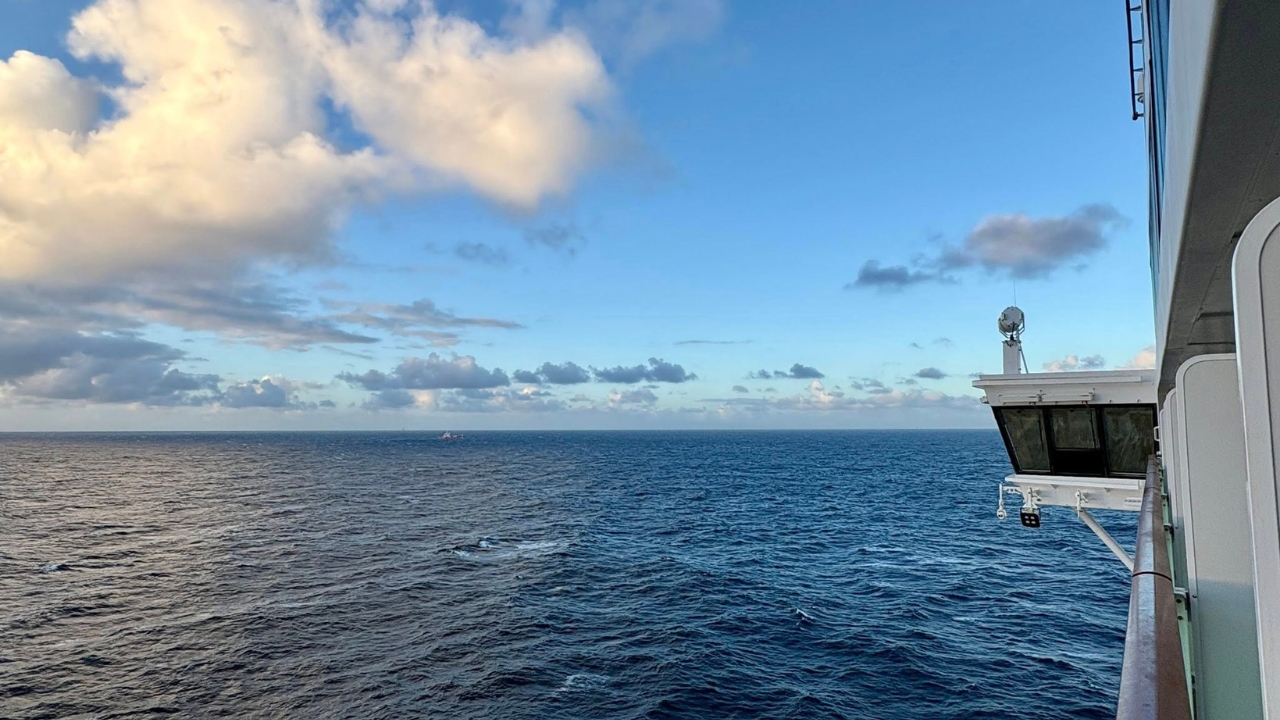
Transatlantic cruises are defined by sea days.
Long stretches of open ocean create a slower onboard rhythm. The atmosphere often feels calmer, and daily schedules revolve around lectures, enrichment talks, extended dining experiences and time spent on deck.
For some travellers, this is the ultimate luxury — uninterrupted time at sea.
For others, particularly first-time cruisers expecting frequent port stops, it can feel repetitive.
Weather can also play a role. Crossing the Atlantic in spring or autumn may bring cooler temperatures and occasional rougher seas.
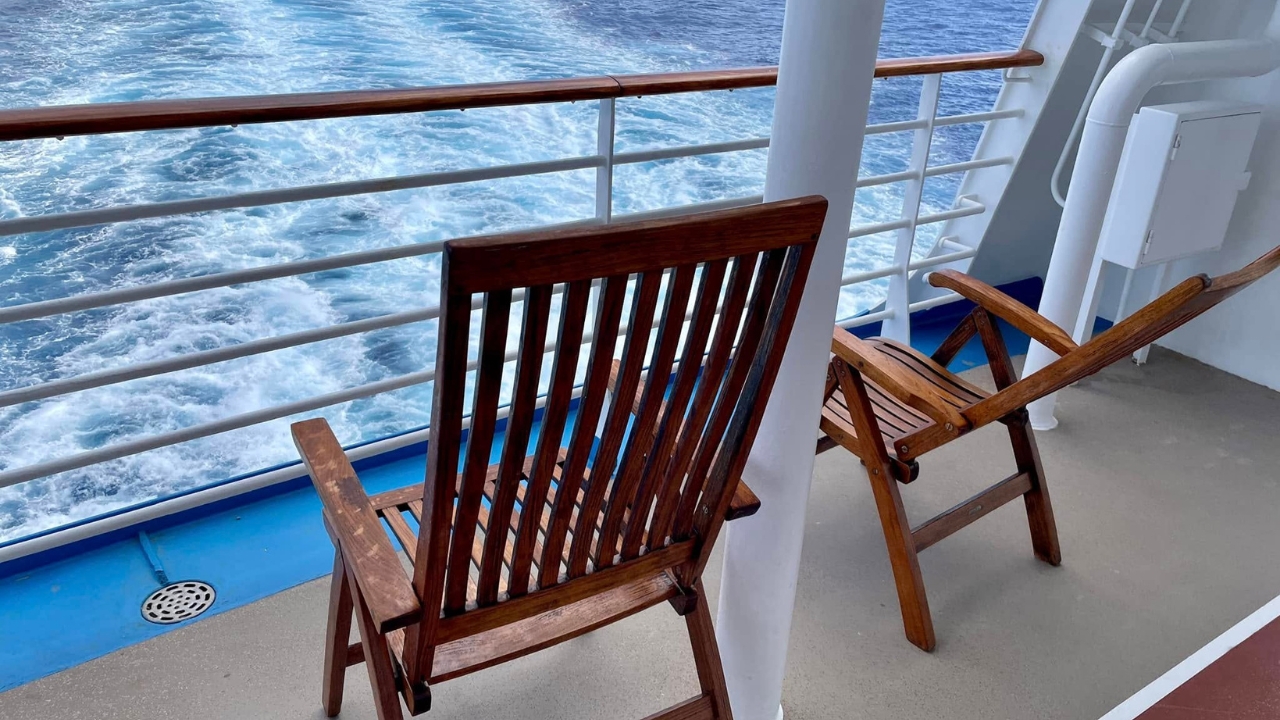
Sun Direction & Cabin Choice (A Small Insider Detail)
On longer crossings, particularly with multiple sea days, balcony positioning can make a noticeable difference.
As a general rule:
-
On a westbound transatlantic (Europe to North America), a port side cabin is more likely to receive afternoon and evening sunshine.
-
On an eastbound sailing (North America to Europe), a starboard side cabin often enjoys more afternoon sun.
It isn’t a guarantee — weather and exact routing can vary — but if balcony time in the sunshine matters to you, it’s a small detail worth considering when booking.
On sea-day-heavy sailings, those small choices can shape your overall experience.
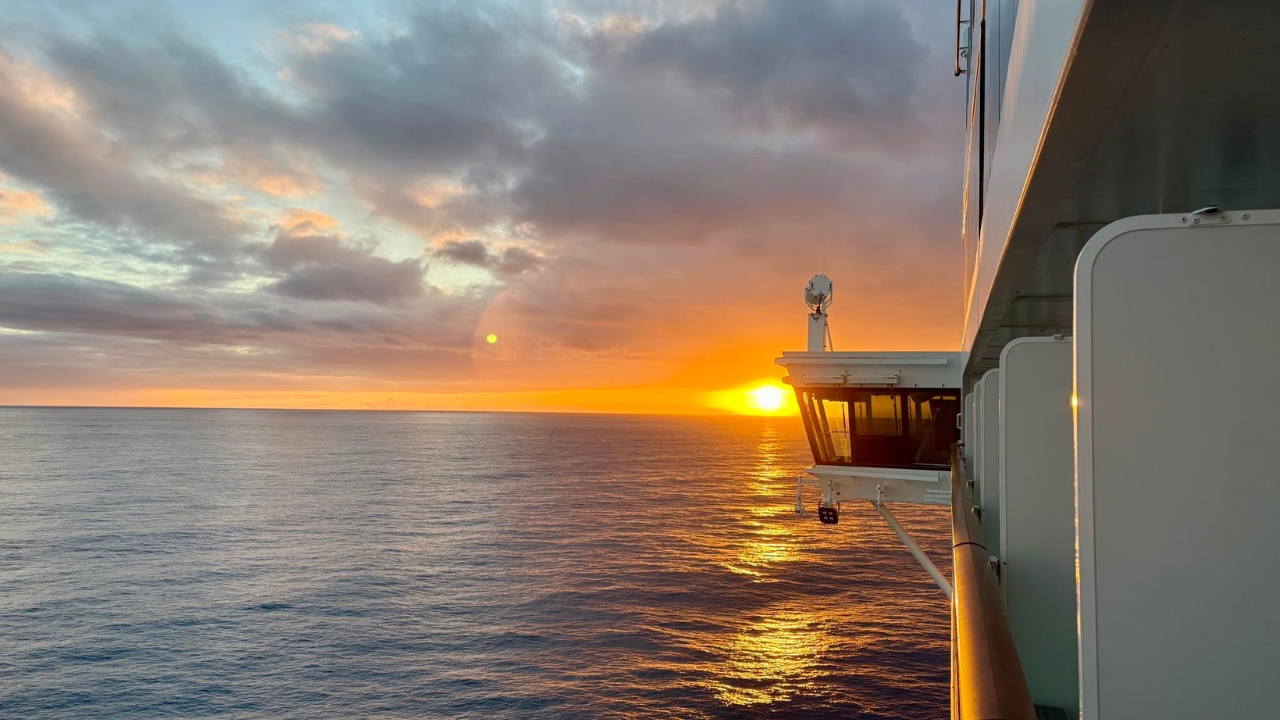
Time Zones, Rhythm & The Jet Lag Factor
A transatlantic crossing isn’t just a change of scenery — it’s a gradual shift across multiple time zones.
As the ship moves east or west, onboard time is adjusted incrementally, usually by one hour at a time. Announcements are made the evening before, and clocks are moved overnight.
On a westbound crossing (Europe to North America), clocks are typically set back during the voyage. That can mean a series of 25-hour days, with an extra hour added overnight.
On an eastbound crossing (North America to Europe), the opposite happens. Clocks are moved forward, creating several 23-hour days as you “lose” an hour at a time.
Those gradual adjustments subtly influence sleep patterns, dining times and daily routines — but they also serve a practical purpose.
For European travellers, an eastbound crossing home often means arriving back in Europe already adjusted to local time, significantly reducing jet lag. The same applies in reverse for North American travellers on westbound crossings.
Instead of experiencing a sudden multi-hour time shift on a long-haul flight, your body clock has already adapted gradually during the sea days.
For many, that makes a transatlantic cruise feel like a more civilised way to change continents.
It’s another reminder that this style of cruising is as much about rhythm and transition as it is about destinations.
Who It Suits Best
Transatlantic cruises often appeal to travellers who:
-
Enjoy sea days
-
Value relaxation over port intensity
-
Appreciate onboard programming and enrichment
-
Prefer a slower pace
They can also be attractive for experienced cruisers seeking value or trying a new ship without paying peak seasonal rates.
What Surprises First-Timers
First-time transatlantic cruisers are often surprised by:
-
The number of consecutive sea days
-
How much the ship itself becomes the destination
-
The importance of choosing a ship with enough onboard variety
On a mega ship with abundant dining and entertainment, multiple sea days may feel comfortable.
On a smaller ship, that same stretch may feel quieter and more subdued.
The Overall Feel
Transatlantic cruising isn’t about ticking off destinations.
It’s about the journey itself.
If you enjoy the idea of waking up to uninterrupted horizon for days at a time, reading on deck, attending lectures or simply embracing a slower rhythm, a crossing can be deeply satisfying.
If you prefer frequent port exploration and varied scenery, it may feel less dynamic than other regions.
It’s a different style of cruising entirely — and worth choosing intentionally.
Choosing the Region That Fits You
No cruise region is objectively “better” than another.
They simply offer different rhythms.
-
The Caribbean is often about warmth, ease and relaxed sea days.
-
The Mediterranean leans toward culture, energy and port-intensive exploration.
-
Northern Europe and the Baltic bring scenery, seasonality and atmosphere.
-
Transatlantic crossings are defined by sea days, gradual transitions and a slower onboard pace.
The key isn’t choosing the most popular region.
It’s choosing the one that aligns with how you like to travel.
If you enjoy beach time and sunshine, the Caribbean may feel effortless.
If you prefer historic cities and full days ashore, the Mediterranean may suit you better.
If dramatic landscapes and cooler air appeal, Northern Europe can be deeply rewarding.
If the idea of days at sea with uninterrupted horizon excites you, a transatlantic crossing may be the right fit.
Cruising isn’t one experience.
It’s many variations on a theme.
And understanding those differences before you book makes all the difference.
Planning a Transatlantic Cruise? Read These Next:
- 💳 Hidden Cruise Costs – What to budget beyond the fare
- 🛳️ Onboard Spending Guide – How to stay in control over 8+ sea days